Choosing the right timber veneer can make a significant difference to the appearance of cabinetry, furniture and interior spaces. However, with so many wood species, grain patterns and finishes available, knowing where to start can be challenging. Working with experienced timber veneer suppliers can help Australian homeowners, cabinetmakers and designers understand their options before selecting materials.
Timber veneer offers the natural appearance of real wood while allowing decorative surfaces to be created using suitable substrates such as MDF, particleboard or plywood.
From light American oak and Tasmanian oak to darker walnut and richly coloured Australian blackwood, each species offers distinct visual characteristics.
The final result also depends on how the veneer is cut, arranged and finished.
This guide explains how to compare popular timber veneer species, understand grain patterns and choose suitable products for residential and commercial projects.
Why Does Choosing the Right Timber Veneer Species Matter?
Understanding How Timber Species Affect Colour and Grain
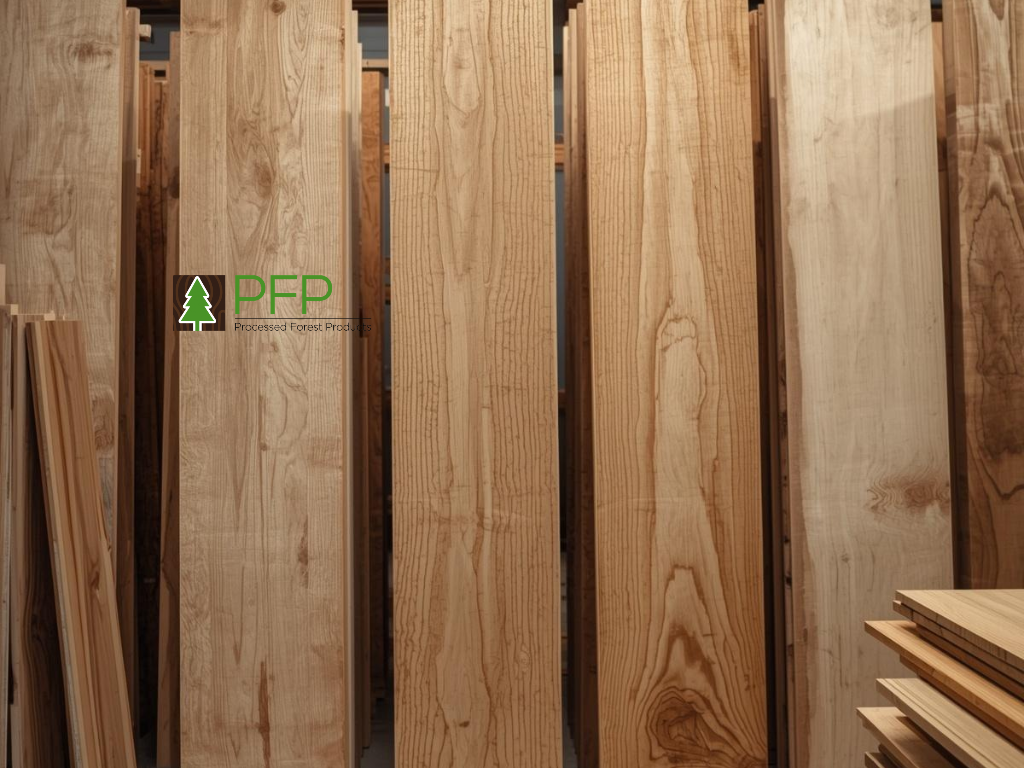
Every timber species has its own natural colour range, grain structure and decorative characteristics.
Some timbers have pale, understated tones, while others feature warmer golden colours or deeper brown shades.
Grain patterns can also vary considerably. Certain species display relatively straight grain, while others may show prominent figure, flowing lines or contrasting colour variations.
These characteristics influence how timber veneer looks across cabinet doors, furniture panels and architectural surfaces.
Even veneers produced from the same species can differ because natural timber varies between trees and individual logs.
For this reason, selecting a species should involve more than choosing a colour from an online photograph.
Physical samples provide a better indication of the material’s natural appearance.
What Timber Veneer Suppliers Recommend Considering First
Before selecting a wood species, consider where the finished veneer will be used.
Kitchen cabinetry, bedroom furniture and decorative wall panels may require different appearances, substrates and protective finishes.
Timber veneer suppliers can help customers compare material characteristics alongside practical requirements such as panel dimensions, grain matching and availability.
The surrounding interior materials should also influence the decision.
A light veneer may complement minimalist cabinetry, while a darker species can create contrast against pale walls or stone surfaces.
Budget and product availability are additional considerations.
For larger projects, confirm whether sufficient matching material can be supplied before finalising the design.
Which Timber Veneer Species Are Popular in Australia?
Comparing American Oak, Tasmanian Oak and Walnut Veneers
American oak, Tasmanian oak and walnut are commonly considered for decorative timber applications.
American oak generally has pale cream to light brown tones with a visible grain pattern. Its appearance can suit contemporary cabinetry, furniture and interior panels.
Tasmanian oak usually features light brown, cream or subtle pinkish tones with a relatively even grain.
Importantly, Tasmanian oak is a trade name covering several Australian eucalypt species rather than one botanical species.
Walnut generally offers deeper brown colouring and distinctive grain variations. Depending on the cut and individual log, it may display flowing patterns or more consistent grain lines.
Each species can create a different result once a coating is applied.
Timber veneer suppliers should be able to explain the available veneer cuts, colour variation and finishing considerations for each option.
Exploring Blackwood and Other Australian Timber Veneers
Australian blackwood is another option for furniture and decorative joinery.
Its appearance can range from golden brown to richer brown tones, sometimes with darker grain features and attractive figure.
Other Australian species, including spotted gum and selected eucalypts, may also be available as decorative veneer products.
These materials can provide different colours and grain characteristics for interior projects.
Customers sourcing timber veneer nsw products should confirm whether their preferred species is available in the required quantity and format.
Some species may be supplied as raw veneer, while others may be available in selected panel products.
Availability can vary according to stock, veneer cut and the dimensions required.
Choosing a species early allows suitable alternatives to be considered if the preferred material is unavailable.
How Do Grain Patterns and Veneer Cuts Affect Appearance?
Understanding Crown Cut, Quarter Cut and Grain Direction
The way timber veneer is cut influences its visible grain pattern.
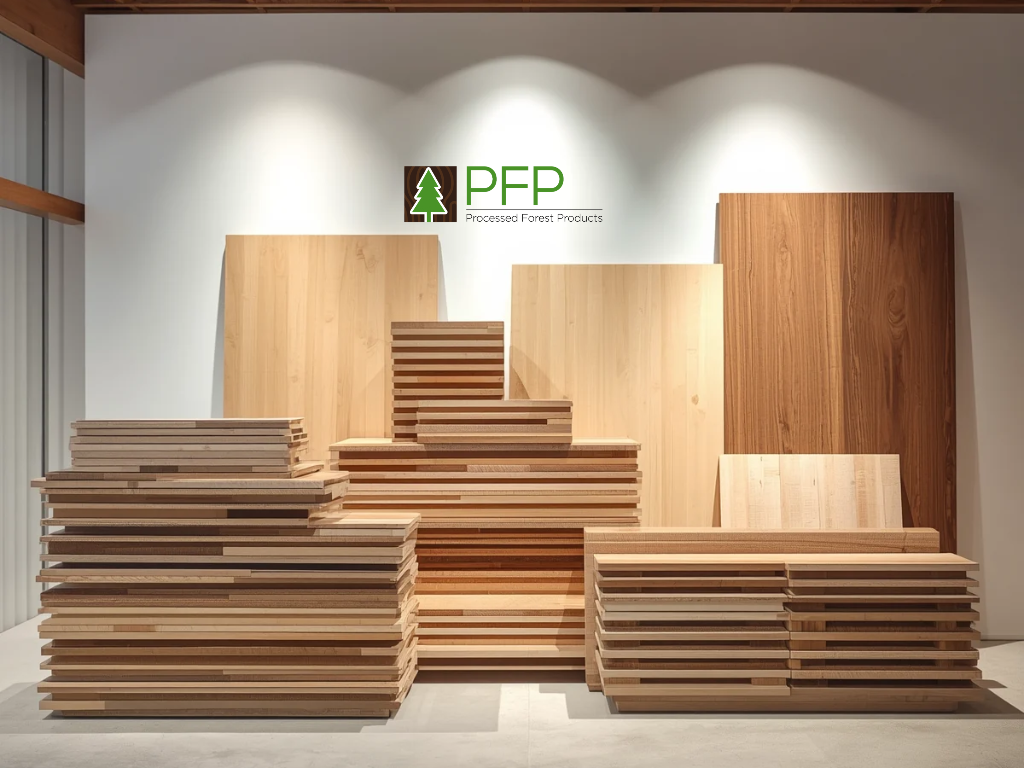
Crown-cut veneer generally features flowing, cathedral-like patterns that can highlight the natural character of the timber.
Quarter-cut veneer often produces straighter grain lines, creating a more consistent appearance across certain panels.
However, the exact result depends on the timber species and individual log.
Grain direction also influences the finished design.
Vertical grain may emphasise the height of cabinet doors, while horizontal grain can create a continuous visual effect across wider surfaces.
When comparing materials, timber veneer suppliers can provide samples showing how different cuts affect the same species.
This helps customers choose a grain appearance that complements their project.
Comparing Book Matching, Slip Matching and Panel Layouts
Veneer matching determines how individual timber leaves are arranged across a surface.
Book matching involves opening consecutive veneer leaves like pages of a book, producing mirrored grain patterns.
This technique can create a decorative symmetrical effect across cabinet doors or wall panels.
Slip matching places consecutive leaves alongside one another without alternating them, often producing repeated grain patterns.
Other methods include random matching and specialised decorative arrangements.
The preferred approach depends on the visual effect required and the available material.
For larger joinery projects, timber veneer suppliers should be consulted about matching methods and whether consecutive veneer leaves are available.
Confirming the panel layout before production helps achieve the intended appearance.
Should You Choose Natural or Engineered Timber Veneer?
Understanding Natural Timber Veneer Characteristics
Natural timber veneer is produced by slicing or peeling real timber to create thin decorative sheets.
It retains the natural colour, grain and figure of the original wood.
These characteristics make natural wood veneers appealing for projects where individual timber features are part of the design.
However, natural variation also means that panels may not have identical grain patterns or colour.
This is particularly important for large cabinetry installations or wall panels where several surfaces need to work together visually.
Matching methods and sample approval can help manage these differences.
Customers should discuss acceptable colour variation and grain characteristics before ordering natural veneer.
Comparing Reconstructed and Engineered Veneer Options
Reconstructed veneer is manufactured by processing, colouring and arranging timber veneers to create selected decorative patterns.
These products can provide more predictable grain arrangements and colour consistency than some natural veneers.
This may be useful for larger joinery projects requiring a coordinated appearance across multiple panels.
However, reconstructed veneer still requires appropriate substrate selection, fabrication and finishing.
It should not automatically be considered more durable or environmentally responsible than natural veneer.
The relevant product specifications and sourcing information need to be assessed separately.
When comparing timber veneer suppliers, ask whether both natural and reconstructed options are available.
Reviewing physical samples of each material can help determine which better suits the desired result.
How Do Timber Veneer Finishes Affect the Final Result?
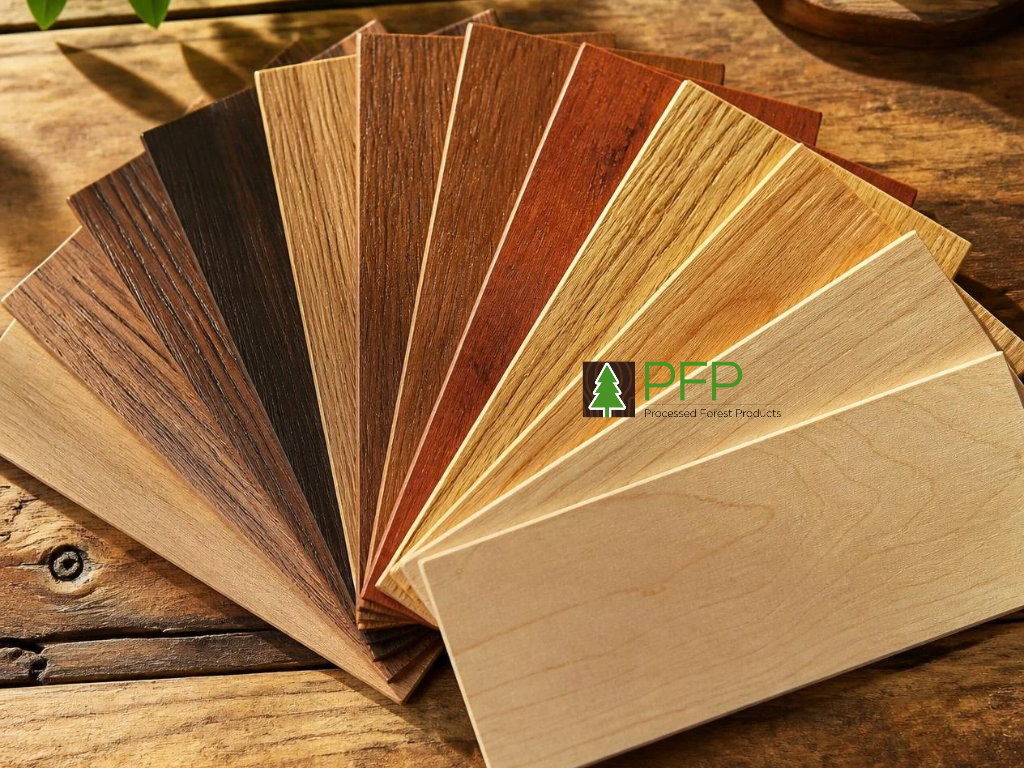
Comparing Clear, Stained and Protective Finishes
The finish applied to timber veneer can significantly influence its final appearance.
Clear coatings may enhance natural grain while changing the perceived colour and sheen.
Stains can produce different tones, although the result depends on the timber species, surface preparation and finishing system.
Matte finishes generally create a subdued appearance, while satin and gloss coatings provide different levels of reflection.
The selected coating should also suit the intended use of the panel.
Before ordering from timber veneer suppliers, discuss whether the material will be supplied unfinished or with any factory-applied finish.
Where colour is important, request a finished sample using the proposed coating.
This provides a more useful reference than viewing unfinished veneer alone.
Choosing Veneer Finishes for Cabinetry and Furniture
Different interior applications can place different demands on timber veneer finishes.
Kitchen cabinets may be exposed to cleaning products, moisture and regular handling.
Furniture surfaces can experience everyday wear, while decorative wall panels may receive less direct contact.
The protective coating should be selected according to the intended conditions and manufacturer recommendations.
Sunlight exposure and changes in indoor conditions may also influence appearance over time.
Customers comparing wood veneer supplies should consider the complete panel construction, including substrate, edging and finishing requirements.
A suitable coating can help protect decorative surfaces, but it does not make every veneer suitable for wet or highly demanding environments.
Professional finishing advice is particularly useful when appearance and durability are both important.
How Do You Choose the Right Timber Veneer Supplier?
Comparing Timber Veneer Suppliers in Sydney and NSW
Choosing a supplier involves more than finding a particular timber species.
Customers should compare available veneer cuts, sheet dimensions, material grades, matching options and panel substrates.
Some businesses supply raw veneer, while others offer pressed panels or related manufacturing services.
For cabinetmakers and designers sourcing timber veneer sydney products, availability and delivery arrangements may also influence the decision.
Processed Forest Products, based in Milperra, NSW, supplies natural and reconstituted timber veneers and offers related board and manufacturing products.
Its published range includes options such as American cherry, European oak, white ash and walnut burl.
Customers should confirm current stock, product specifications and available services before ordering.
Comparing suitable materials and supplier capabilities helps reduce uncertainty during project planning.
Questions to Ask Wood Veneer Suppliers Before Ordering
Before choosing a supplier, ask which timber species, veneer cuts and sheet sizes are available.
Confirm whether the product is natural, retoned or reconstructed veneer.
Ask about grain matching, colour variation and whether samples can be provided.
It is also important to establish whether the quotation covers raw veneer or a finished panel on a specified substrate.
Different wood veneer suppliers may provide different products and manufacturing services.
A timber veneer manufacturer may offer pressing or other production processes, while a distributor may focus on supplying materials.
These differences should be clarified rather than assumed.
Timber veneer suppliers should also be able to explain relevant ordering requirements, lead times and product specifications.
How Can You Select and Order Timber Veneer With Confidence?
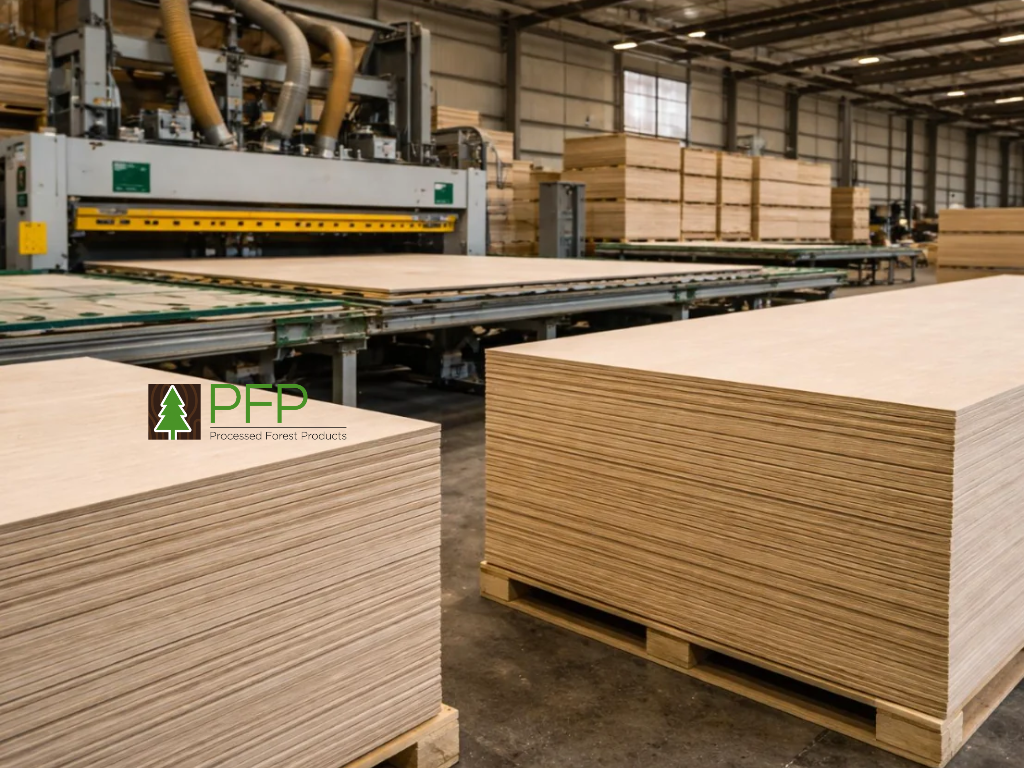
Matching Timber Veneer to Your Project Requirements
The most suitable veneer depends on the finished product and the appearance you want to achieve.
For kitchen cabinetry, consider grain consistency, panel matching and protective finishing.
For furniture, the natural figure and colour of the timber may be important design features.
Architectural wall panels often require careful attention to grain direction, matching arrangements and finished panel dimensions.
Substrate selection also matters.
MDF, plywood and particleboard may be considered depending on the product and intended application.
Discuss these requirements with timber veneer suppliers before committing to a particular species.
A clear understanding of the project helps narrow the available options and identify suitable materials.
Final Checks Before Contacting Timber Veneer Suppliers
Before requesting a quotation, prepare the details needed to describe your project.
Identify the preferred timber species, veneer cut, grain direction and desired matching arrangement.
Include panel dimensions, quantities, substrate requirements and intended finish.
If colour consistency is important, request suitable samples and confirm the approval process before manufacturing begins.
Stock availability should also be checked, especially when several matching panels are required.
Processed Forest Products can be contacted to discuss available timber veneer species, product specifications and suitable material options for cabinetry, furniture and interior projects.
Choosing timber veneer is ultimately about matching natural appearance with practical project requirements.
By comparing species, grain patterns, finishes and supplier capabilities, Australian customers can make informed decisions and select materials that support their intended design.