Choosing the right cnc punching service is an important decision for Australian manufacturers producing sheet metal components in small batches or larger quantities. Whether the project involves brackets, electrical enclosures, equipment panels or industrial components, the manufacturing process can influence production costs, accuracy and delivery planning.
Small production runs often prioritise flexibility and manageable setup costs, while larger orders may focus on repeatability, efficient material use and consistent output.
However, production quantity is only part of the decision. Material thickness, component geometry, tooling requirements and finishing processes also affect whether CNC punching is suitable.
Understanding these differences helps manufacturers, engineers and procurement teams choose a practical fabrication approach before requesting quotations.
Understanding CNC Punching for Different Production Runs
How a CNC Punching Service Works
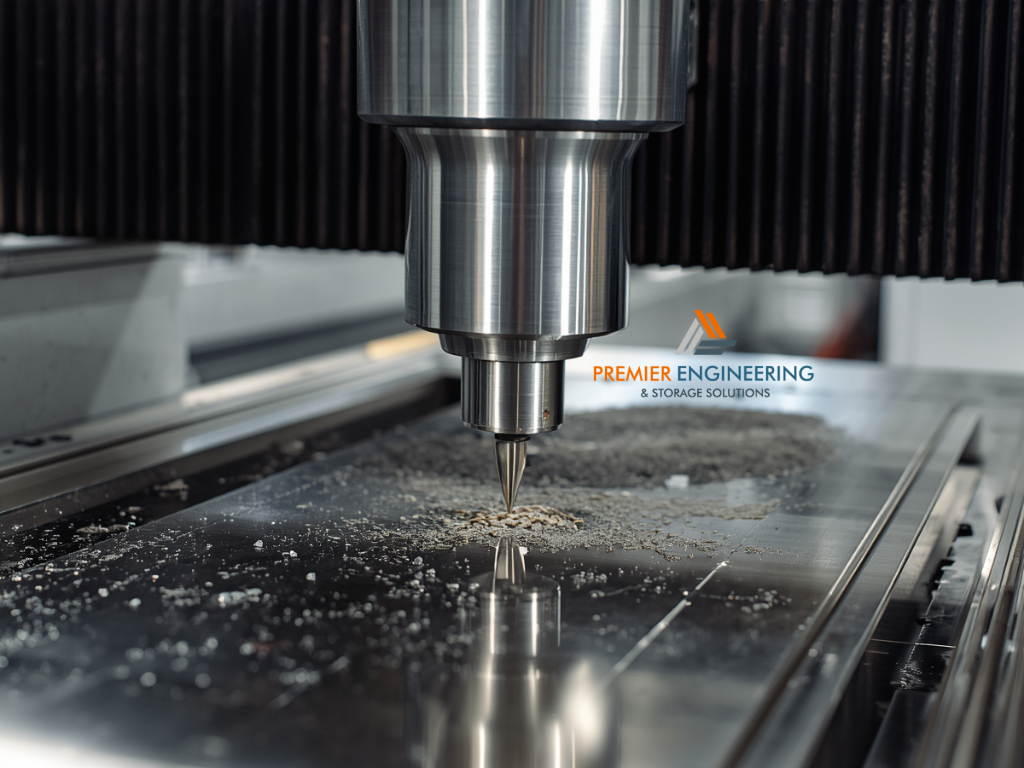
CNC punching uses computer-controlled machinery to create holes, slots, cut-outs and other features in sheet metal.
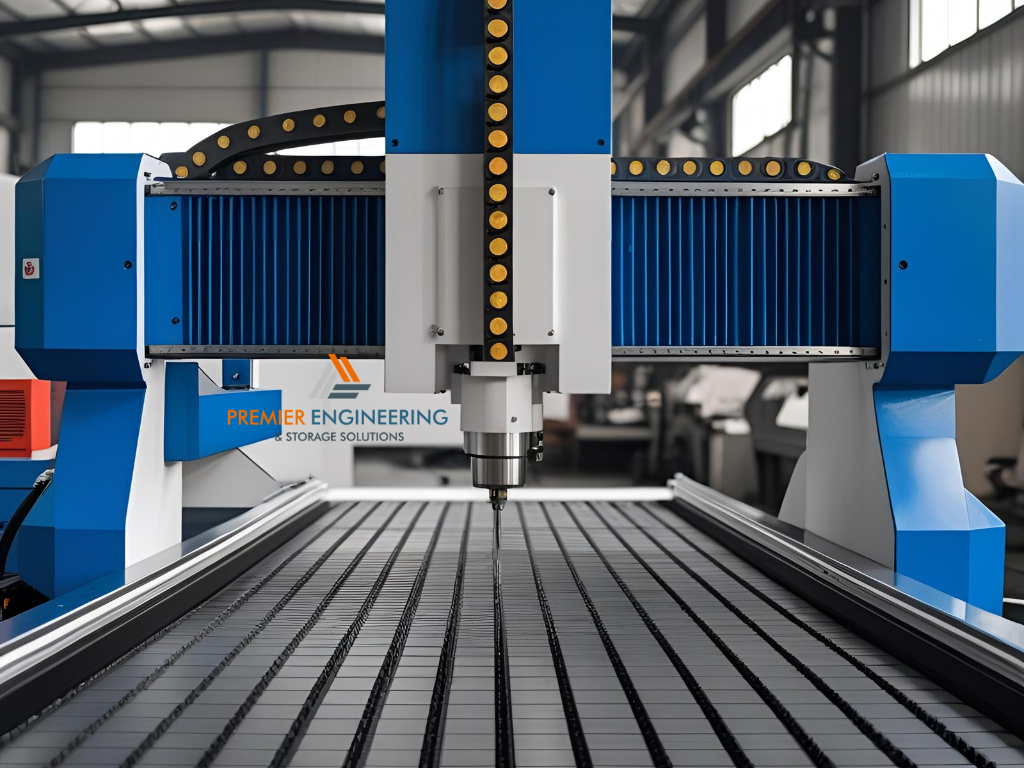
A turret punching machine holds different punch and die tools. The machine follows programmed instructions to position the sheet and produce the required features.
This process is commonly used for components such as mounting brackets, ventilation panels, electrical cabinets, machine guards and equipment covers.
One advantage of CNC punching is its ability to produce repeated features using suitable existing tooling.
Some machines can also create formed features, including louvres and embossments, where the necessary tooling is available.
However, not every design is appropriate for punching. Complex outlines, unusual shapes and certain material thicknesses may be better suited to other cutting methods.
Small-Batch Versus High-Volume Manufacturing
The requirements for manufacturing a small quantity of parts can differ significantly from producing hundreds or thousands of identical components.
Small production runs may involve prototypes, replacement parts, product development or limited manufacturing orders.
These projects often require flexibility because drawings or specifications may change before final production.
Larger orders generally place greater emphasis on consistent manufacturing, material efficiency and repeatable results.
A cnc punching service may support both approaches when the component design, available tooling and production requirements are suitable.
The main difference is how programming, setup and production activities contribute to the overall manufacturing cost.
Comparing Production Costs and Setup Requirements
What Affects CNC Punching Service Costs?
CNC punching quotations depend on several factors beyond the number of components ordered.
Material grade, sheet thickness, part dimensions and the number of punched features influence manufacturing requirements.
The supplier must also consider programming, tool selection, machine preparation and material handling.
A component with repeated standard holes may be relatively straightforward to manufacture using existing tooling.
By comparison, unusual cut-outs or specialised formed features may require additional preparation or tooling.
Secondary processes such as bending, welding, deburring and powder coating can also affect the final price.
For a cnc punching service, providing accurate drawings and complete specifications allows the fabricator to assess these requirements before preparing a quotation.
Why Production Quantity Changes the Cost Per Part
Production quantity affects how setup costs are distributed across manufactured components.
For a small order, programming and machine preparation may account for a considerable portion of the overall cost.
When the same component is manufactured repeatedly, these setup costs can be spread across more parts.
This can reduce the setup contribution to the cost of each component.
However, larger production runs do not automatically guarantee lower total manufacturing costs or make punching the best process.
Material usage, tooling wear, production time and additional fabrication still need consideration.
Buyers should compare quotations using the total number of finished components, required quality and delivery arrangements.
This provides a more useful comparison than focusing only on the initial machine operating rate.
Choosing Materials for Small and Large Production
Working With Steel, Aluminium and CNC Stainless Steel
Material selection influences both component performance and manufacturing requirements.
Mild steel is commonly considered for structural supports, brackets and general industrial components where its properties meet the design requirements.
Stainless steel may be selected for corrosion resistance, appearance or particular operating environments.
Aluminium can be suitable for applications where lower weight is important.
When planning cnc stainless steel components, manufacturers should identify the required grade, thickness and finish.
Stainless steel can place different demands on punching tools compared with softer materials.
Similarly, aluminium components may require attention to surface protection and handling.
The material should be selected according to the finished product’s requirements rather than the convenience of a particular manufacturing process.
How Material Thickness Influences Production
Sheet thickness affects the force required to punch metal and the suitability of particular tooling.
Thicker or harder materials may require greater punching force and additional consideration of hole dimensions, edge quality and tool condition.
Material thickness can also influence whether a design is suitable for CNC punching.
For example, very small holes relative to sheet thickness may be difficult to produce reliably using conventional punch tooling.
Manufacturers should provide exact material specifications when requesting a cnc punching service quotation.
The fabricator can then assess whether the proposed features are compatible with available machinery.
If the design exceeds punching capabilities, laser cutting or another manufacturing method may be more appropriate.
Confirming these requirements early helps avoid unnecessary design changes after production planning begins.
Designing Sheet Metal Parts for Efficient Production
Preparing High-Precision Sheet Metal Parts
Accurate drawings are essential when producing components that must fit together or meet specific dimensional requirements.
Manufacturers ordering high-precision sheet metal parts should identify critical dimensions, hole locations, tolerances and required finishes.
Clear technical drawings help the supplier determine how each component should be manufactured and inspected.
Tolerances should reflect the intended function of the part.
Applying unnecessarily tight tolerances to every feature can create manufacturing complications and additional inspection requirements.
The achievable accuracy of a cnc punching service depends on factors including machine capability, tooling, material properties and part geometry.
Components with mounting holes, slots or features that must align with other assemblies require particular attention to dimensional consistency.
Reducing Design Problems Before Manufacturing
Some sheet metal designs are more difficult to punch than others.
Closely spaced holes, narrow sections and features positioned near bends or edges may need assessment before production.
Complex shapes can also require multiple punch operations, specialised tooling or a different cutting method.
Design for manufacturability involves reviewing these requirements while changes are still practical.
For small batches, early design reviews can help identify problems before prototype components are manufactured.
For larger orders, finalising the design before production is particularly important because errors may be repeated across many parts.
Manufacturers should also use clear drawing revisions to prevent outdated designs from being manufactured.
A practical design review helps align component requirements with the selected fabrication process.
CNC Punching Compared With Other Cutting Processes
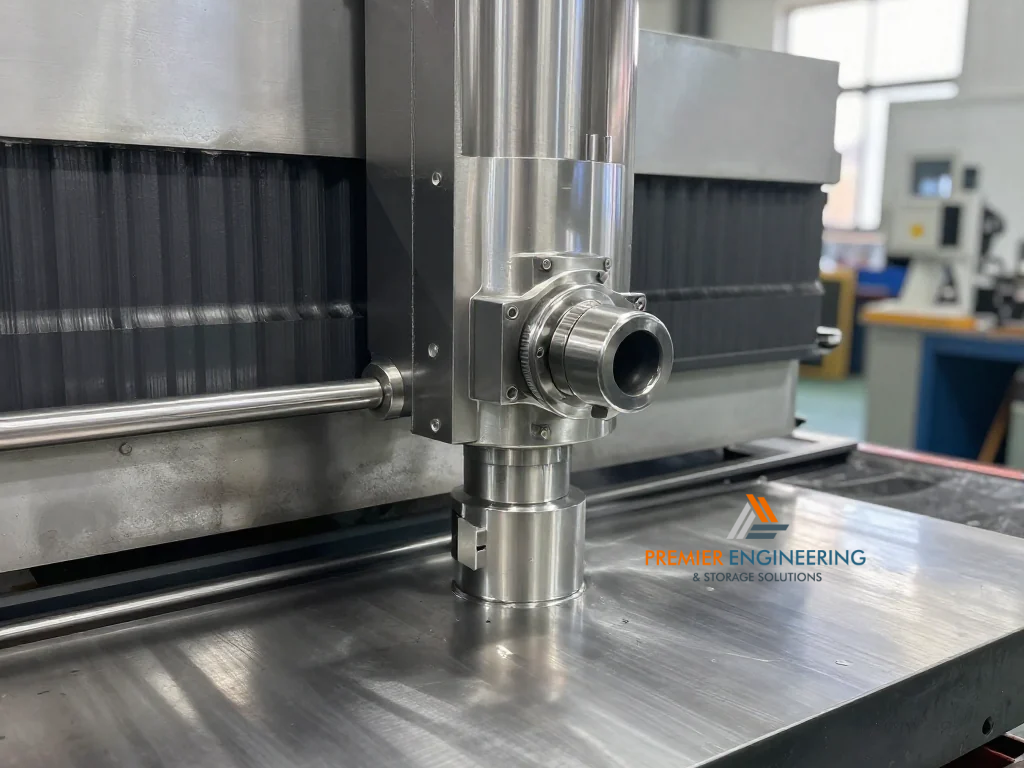
CNC Punching Service vs Laser Cutting
CNC punching and laser cutting are both established methods of producing sheet metal components, but they operate differently.
Punching uses mechanical tooling to create openings and other features, while laser cutting uses a focused beam to cut the material.
CNC punching can be particularly useful for repeated holes, standard slots and certain formed features.
Laser cutting offers greater flexibility for complex outlines and designs that would otherwise require specialised punch tooling.
For smaller batches involving intricate shapes or frequent design changes, laser cutting may be more practical.
For repeated components with numerous standard holes, punching may offer manufacturing advantages.
However, neither process is automatically faster, more accurate or less expensive for every project.
Material thickness, part complexity, finishing requirements and production quantity should guide the decision.
When CNC Sheet Metal Fabrication Needs Multiple Processes
Many manufactured components require more than one fabrication operation.
For example, a punched sheet may need bending to become a bracket, enclosure or equipment panel.
Other projects may require welding, fastener insertion, surface finishing or assembly.
This makes cnc sheet metal fabrication planning important when comparing manufacturing quotations.
The supplier should understand how each operation affects the finished component.
Hole positions, bend locations and surface requirements need to be considered together.
Businesses researching cnc cutting services western sydney may benefit from comparing providers that offer multiple relevant manufacturing processes.
Coordinating these operations can simplify project planning, although the appropriate supplier still depends on the required capabilities and production schedule.
Choosing the Right CNC Punching Service Provider
What to Look for in Metal Punching Services
Choosing a fabrication provider involves more than confirming that a CNC punching machine is available.
Manufacturers should consider supported materials, sheet dimensions, tooling capabilities and the types of components the supplier can produce.
It is also important to discuss quality inspection, design reviews and any secondary fabrication requirements.
Different Metal punching services may specialise in particular materials, component sizes or production quantities.
A supplier suitable for a small prototype may not necessarily have the capacity or scheduling arrangements required for a larger recurring order.
Premier Engineering & Storage Solutions offers CNC punching services alongside laser cutting, bending and other sheet metal manufacturing processes.
Its published CNC punching information identifies capabilities for mild steel up to 3 mm thick and sheets up to 2440 × 1220 mm. Customers should confirm current machine suitability and material requirements before placing an order.
Comparing Fabrication Providers in Western Sydney
Location can be useful when selecting a manufacturing partner, particularly when projects require regular communication, sample reviews or component collection.
For businesses comparing cnc cutting services western sydney, it is worth considering manufacturing capabilities alongside accessibility.
A nearby supplier may simplify discussions about drawings, material selection and production changes.
However, geographic convenience should not outweigh equipment suitability or quality requirements.
Ask how the provider handles drawing revisions, production scheduling and inspection.
It is also useful to establish whether additional processes, such as bending or finishing, can be coordinated as part of the order.
Premier Engineering operates in south-western Sydney and publishes information about its CNC punching and related fabrication services.
For a cnc punching service, the most suitable provider is one that can assess the component requirements and explain the available manufacturing options clearly.
Planning Your CNC Punching Production Order
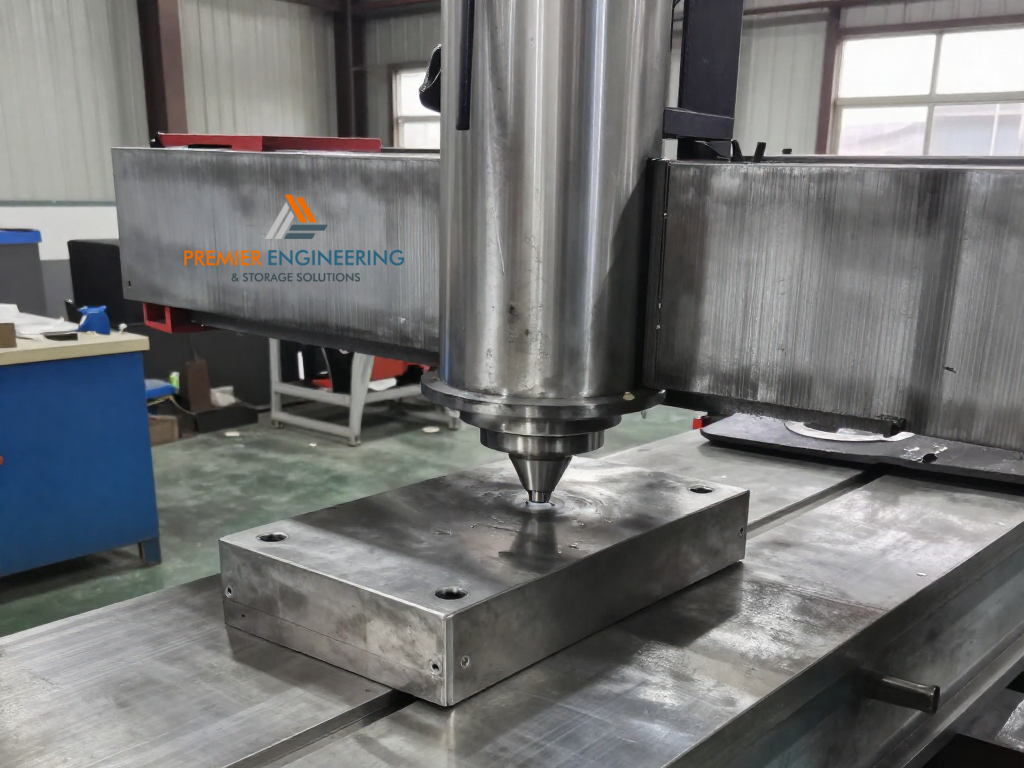
What to Provide When Requesting a CNC Punching Service Quote
A clear manufacturing quotation begins with accurate project information.
Provide technical drawings that show the component dimensions, hole locations and other required features.
Include the material grade, sheet thickness, production quantity and any critical tolerances.
If the component requires bending, welding, fasteners or surface finishing, identify these requirements at the quotation stage.
Suppliers may accept CAD formats such as DXF or STEP, although accepted file types should be confirmed before submission.
For a cnc punching service, it is also helpful to explain whether the order is a prototype, a limited batch or part of ongoing production.
This allows the supplier to consider appropriate tooling and manufacturing arrangements.
Premier Engineering provides an online fabrication quotation enquiry where customers can submit project information and drawings.
Preparing for Repeat Orders and Long-Term Manufacturing
Repeat manufacturing requires consistent specifications and clear communication.
Approved drawings should be retained with suitable revision information so future orders can be produced using the correct design.
If the component forms part of a larger assembly, critical dimensions and inspection requirements should remain clearly documented.
For larger production runs, manufacturers should discuss material availability, delivery schedules and any required batch quantities.
Smaller orders can also benefit from organised production records, particularly when components may be reordered later.
Before confirming manufacturing, clarify the intended quantity, required finish and delivery arrangements.
For businesses planning small or large sheet metal production, Premier Engineering can be contacted to discuss suitable fabrication processes and quotation requirements.
Choosing the right approach begins with understanding the component, not simply selecting a manufacturing machine.
With accurate drawings, appropriate material specifications and realistic production planning, businesses can make better decisions about CNC punching, fabrication costs and future manufacturing requirements.