Choosing the right mobility equipment can make everyday activities easier for people who need assistance with walking, balance or getting around. However, with so many products available, understanding which option is suitable can be challenging. Comparing australian medical supplies can help older Australians, people with disability, individuals recovering from injury and family carers make more informed decisions.
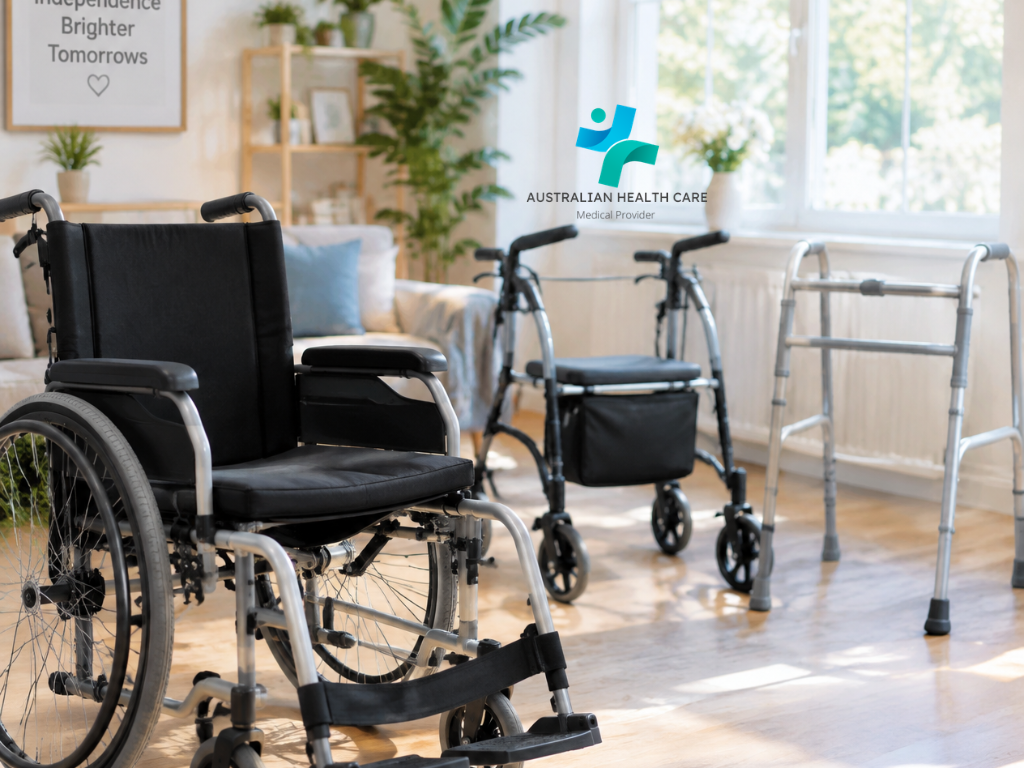
Mobility aids come in different forms, including walking sticks, crutches, walking frames, rollators and wheelchairs. Each product offers different features and levels of assistance.
Some equipment is designed for people who can walk but need additional support, while other products provide seated mobility or assistance over longer distances.
The right choice depends on the person’s physical abilities, intended use, comfort requirements and environment.
This guide explains the differences between common mobility aids, what features to compare and when professional advice is important before purchasing.
Why Is Choosing the Right Mobility Aid Important?
Understanding How Mobility Aids Support Everyday Activities
Mobility aids are designed to assist people who experience difficulties with walking, balance or moving around independently.
They may be used by older Australians, people with disability or individuals recovering from injuries and medical procedures.
Different products provide different forms of assistance.
A walking stick may offer limited additional support, while a walking frame provides a broader support structure.
Wheelchairs can assist people who cannot walk safely or comfortably for particular distances or activities.
However, equipment that works well for one person may not be suitable for another.
The user’s balance, strength, walking ability and everyday activities should guide the choice.
Correct fitting and training are also important because inappropriate equipment can create additional safety risks.
What to Consider When Buying Australian Medical Supplies
Before purchasing mobility equipment, identify the user’s main difficulties and support requirements.
Consider whether assistance is needed for balance, reduced walking endurance or moving around the home.
The person’s height, weight, hand strength and ability to operate the equipment are also important.
Some products have adjustable handles, folding frames or different seating arrangements.
Others require sufficient strength and coordination to control brakes or manoeuvre wheels.
When comparing australian medical supplies, check the manufacturer’s specifications and intended use.
If the person experiences frequent falls, significant balance difficulties or uncertainty about safe mobility, seek advice from an occupational therapist or physiotherapist before selecting equipment.
What Types of Mobility Aids Are Available in Australia?
Comparing Walking Sticks, Crutches and Walking Frames
Walking sticks, crutches and walking frames provide different levels and types of assistance.
Walking sticks may help people who need limited additional support while walking, depending on their individual needs.
Crutches are commonly used when a person needs a particular walking pattern or reduced weight-bearing following an injury or medical procedure.
They require appropriate fitting and instruction.
Walking frames provide a wider support base and may be considered for people who require greater assistance with stability.
Some frames have four fixed legs, while others include front wheels.
The most suitable design depends on the person’s balance, strength and walking environment.
When reviewing australian health supplies, customers should compare these differences rather than assuming every walking aid provides the same level of support.
Understanding Rollators, Wheelchairs and Other Equipment
Rollators generally feature wheels, handles and braking systems.
Many models also include a seat or storage compartment.
They may be useful for people who can walk safely with a wheeled aid and operate its brakes appropriately.
However, a rollator is not suitable for everyone, particularly if controlling the movement of the device is difficult.
Wheelchairs provide another option.
Self-propelled manual wheelchairs usually have larger rear wheels that allow suitable users to move themselves.
Transit wheelchairs are generally designed to be pushed by another person.
Powered wheelchairs and mobility scooters may also be considered after appropriate assessment.
The choice of healthcare equipment should reflect the user’s mobility needs, ability to operate the device and intended environment.
How Do You Choose the Right Mobility Aid for Your Needs?
Matching Mobility Equipment to Balance and Walking Ability
The amount of assistance a person requires is one of the most important selection factors.
Someone who needs limited balance support may have different requirements from a person who cannot safely walk without substantial assistance.
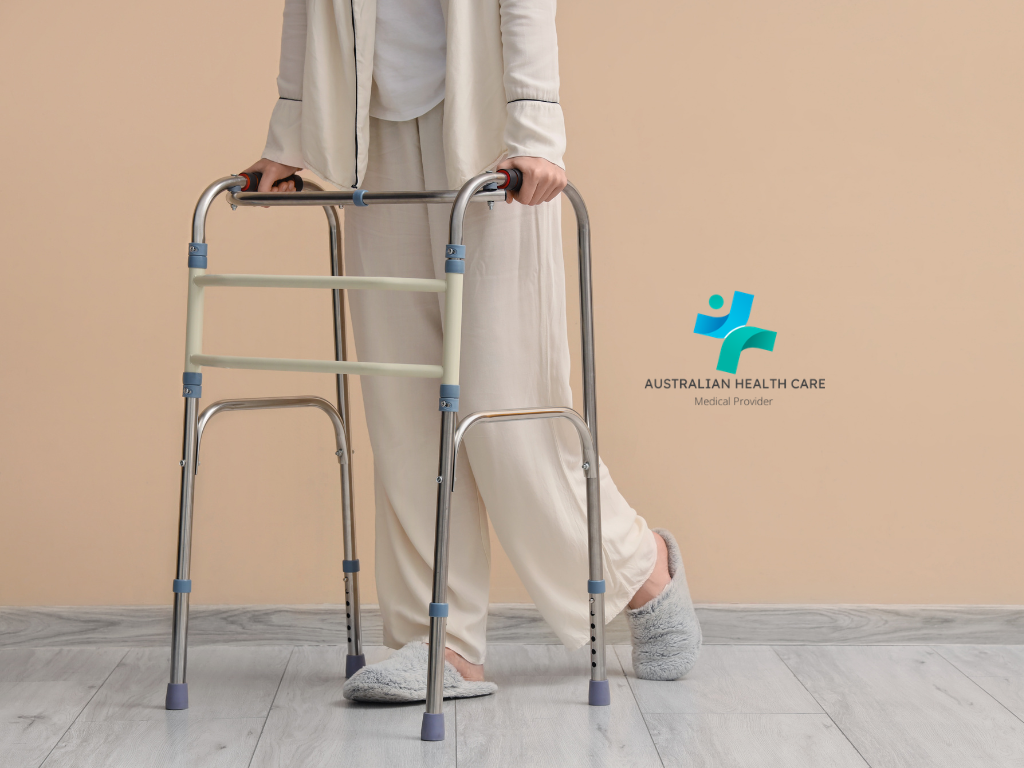
Walking frames and rollators also behave differently.
A standard walking frame generally needs to be lifted or advanced in a controlled manner, depending on its design.
A rollator moves on wheels and requires the user to control its direction and braking.
Reduced hand strength, poor coordination or significant balance problems can affect suitability.
An occupational therapist or physiotherapist can assess walking ability and recommend appropriate equipment.
When selecting australian medical supplies, this individual assessment is especially important for people with complex mobility difficulties.
Comparing Australian Medical Supplies for Comfort and Safety
Comfort and correct fit can influence how safely mobility equipment is used.
For walking aids, adjustable handle height and suitable handgrips are important considerations.
For wheelchairs, seat width, seat depth, backrest support, armrests and footrest positioning may affect comfort and posture.
Manufacturer-specified maximum user weight must also be checked.
A wheelchair that is too narrow may be uncomfortable, while one that is unnecessarily wide can make positioning and manoeuvring more difficult.
Brakes, wheels and rubber tips should be appropriate for the equipment and kept in suitable condition.
Before purchasing australian medical supplies, compare specifications carefully and seek fitting advice where required.
What Mobility Aids Work Best at Home and Outdoors?
Choosing Equipment for Indoor Mobility and Home Use
The layout of a home can influence which mobility aid is practical.
Narrow hallways, doorways, furniture placement and limited turning space may make larger equipment difficult to use.
A walking frame or wheelchair should have enough clearance to move safely through regularly used areas.
For some users, a compact or appropriately sized walking aid may be easier to manoeuvre indoors.
However, equipment should not be selected solely because it fits through a doorway.
It must also provide suitable support for the user.
When comparing home health supplies, consider the living environment alongside the person’s abilities.
Measure important spaces before purchasing and identify potential hazards such as loose rugs, clutter or uneven flooring.
An occupational therapist may recommend equipment or home adjustments to improve accessibility.
Selecting Portable Mobility Aids for Outdoor Activities
Outdoor mobility can involve different challenges from moving around inside a home.
Footpaths, ramps, kerbs and uneven surfaces may affect the performance of walking frames, rollators and wheelchairs.
Wheel size, braking systems and product stability are important considerations.
Some mobility aids are designed for suitable outdoor surfaces, while others have more limited operating conditions.
Portability can also influence the choice.
Folding frames and lightweight wheelchairs may be easier to store or transport, but customers should check their folded dimensions and overall weight.
For Australians travelling by car, consider whether the equipment can be lifted and stored safely.
When comparing australian medical supplies for outdoor use, always review the manufacturer’s instructions and environmental limitations.
What Features Should You Compare Before Buying Mobility Equipment?

Understanding Size, Weight Capacity and Adjustability
Mobility aids should fit the intended user rather than requiring the person to adjust their posture around unsuitable equipment.
Walking aids may offer adjustable handle heights to accommodate different users.
Wheelchairs require additional measurements, including seat width, seat depth and suitable support arrangements.
Correct sizing can influence comfort, movement and ease of use.
Weight capacity is another essential specification.
Customers should check the manufacturer’s maximum user weight rather than estimating suitability from the equipment’s appearance.
The weight of the equipment itself may also matter, especially when it needs to be folded or lifted into a vehicle.
When comparing medical equipment, review the complete specifications and assembly requirements.
Checking Comfort, Maintenance and Product Durability
Mobility equipment requires suitable maintenance to remain in good working condition.
Depending on the product, regular checks may include brakes, wheels, tyres, rubber tips and folding mechanisms.
Worn or damaged components may affect safety and should be addressed according to manufacturer guidance.
Comfort features also deserve attention.
Suitable handgrips, wheelchair seating and accessible controls can make equipment easier to use.
Customers comparing health care supplies should consider warranty coverage, spare parts and cleaning instructions.
It is also helpful to establish whether replacement components are available.
A lower initial price may not offer the best overall value if the equipment is unsuitable or difficult to maintain.
How Do You Choose a Reliable Australian Medical Supplies Provider?
Comparing Medical Supply Stores and Online Suppliers
Choosing a supplier involves more than finding a mobility aid at an attractive price.
Customers should compare product specifications, available equipment categories, delivery arrangements and after-sales information.
A medical supply store may provide an opportunity to inspect certain products, while online suppliers can make it easier to research different models and specifications.
Australian Healthcare offers online mobility equipment options, including wheelchairs and related mobility products.
Customers can review the published product information to compare available features and equipment categories.
For aged care providers and organisations purchasing wholesale healthcare supplies, order quantities and ongoing product availability may also be important.
Regardless of the supplier, product suitability should be confirmed before purchasing.
Questions to Ask Before Ordering Mobility Equipment
Before ordering, confirm the product’s dimensions, weight capacity and adjustment options.
Ask whether the equipment requires assembly and whether operating instructions are included.
For wheelchairs, check seat dimensions, frame weight, folded size and whether the model is self-propelled or attendant-propelled.
For rollators, review the brake design, wheel specifications and any seating limitations.
Customers should also understand the warranty, delivery costs, returns policy and availability of spare parts.
Online product photographs may not show every important feature.
When purchasing australian medical supplies, review the full product description and ask the supplier for clarification if specifications are missing.
For equipment requiring individual fitting or clinical assessment, obtain appropriate professional advice before completing the purchase.
How Can You Buy and Use Mobility Aids With Confidence?

Preparing Your Requirements Before Choosing Australian Medical Supplies
Before purchasing, identify who will use the equipment and where it will be used most frequently.
Consider walking ability, balance, upper-body strength and expected daily activities.
If the product will be transported regularly, check its folded dimensions and lifting weight.
For indoor use, measure doorways and important areas of the home.
For wheelchairs, confirm seating dimensions and support requirements.
It is also useful to check whether the equipment needs accessories, adjustments or replacement parts.
When comparing australian medical supplies, these details help narrow the options and reduce the chance of purchasing unsuitable equipment.
When Should You Seek Professional Mobility Advice?
Professional assessment is particularly important when mobility requirements are complex.
A physiotherapist may assess walking ability, balance and the suitability of walking aids.
An occupational therapist may assess daily activities, equipment needs and accessibility within the home.
People experiencing frequent falls, substantial weakness, difficulty controlling equipment or changing mobility needs should seek appropriate advice.
Wheelchair selection may also require individual seating assessment and fitting.
Funding assistance may be available through eligible Australian support programs, but requirements depend on the person’s circumstances and applicable program rules.
For customers researching australian medical supplies, Australian Healthcare can provide information about available mobility equipment and product specifications.
Choosing the right mobility aid involves balancing comfort, function, safety and everyday practicality.
By comparing equipment carefully and seeking professional guidance when needed, Australian customers can make more informed decisions about mobility products that suit their individual requirements.