Choosing between dementia specific aged care facilities and general nursing homes can be challenging for families seeking suitable care for someone living with dementia. Both settings may provide accommodation, personal assistance and nursing care, but the support available can differ depending on the provider and the individual’s needs.
In Australia, nursing homes are commonly called residential aged care homes. Some offer dementia care within their general residential services, while others have dedicated areas designed for residents who need more specialised support.
The right choice depends on several factors, including cognitive changes, physical health, personal preferences, daily routines and the level of assistance required.
Understanding these differences can help families compare aged care options, prepare questions for providers and make decisions that respect their loved one’s dignity and wellbeing.
Understanding the Different Types of Residential Care
What Are Dementia Specific Aged Care Facilities?
Dementia specific aged care facilities provide residential support designed around the needs of people living with dementia.
Some operate dedicated dementia care units within larger aged care homes. These areas may offer tailored activities, familiar routines and environments that help residents with orientation and everyday activities.
Care approaches can include personalised communication, assistance with daily tasks and support for residents experiencing confusion or distress.
However, a dementia diagnosis does not automatically mean someone needs a dedicated unit.
The level of care and specialised services differs between providers, making it important for families to understand what is actually available.
Dementia-specific residential care should also not be confused with Australia’s Specialist Dementia Care Program, which supports a smaller group of people experiencing very severe behavioural and psychological symptoms.
How General Nursing Homes Support Older Australians
General nursing homes provide residential accommodation and assistance for older people with different health and personal care needs.
Services commonly include meals, personal care, medication management, nursing support and social activities.
Many residents living with dementia receive appropriate support within general residential aged care.
When families research nursing home dementia services, they should ask how the provider adapts care for residents experiencing memory loss, communication difficulties or changes in behaviour.
A dedicated dementia unit is not the only indication of suitable dementia support.
The quality of individual care planning, staff knowledge and ongoing clinical support matters more than the facility’s name.
Comparing Care Services and Staff Support
How Dementia Specific Aged Care Facilities Provide Support
People living with dementia may experience changes in memory, communication, orientation and their ability to complete everyday activities.
Dementia specific aged care facilities may respond to these needs through individual care plans and routines adapted to each resident.
Staff may use familiar activities, clear communication and knowledge of a resident’s background to support participation and wellbeing.
For example, understanding someone’s preferred meal times, interests or communication style can help make daily care more comfortable.
Some residents may also need additional assistance with eating, mobility or managing distress.
Families should ask how a facility reviews changing needs and involves residents in care decisions wherever possible.
Not all dementia-specific homes provide identical staffing arrangements or clinical services.
Dementia Training and Nursing Care in Residential Homes
Staff experience is an important consideration in any residential aged care setting.
Families should ask whether employees receive dementia-related education and how they support residents with communication difficulties or changing care needs.
Residential care may also involve registered nurses, medical practitioners and allied health professionals, depending on the person’s assessed requirements.
People searching for alzheimers nursing homes should remember that Alzheimer’s disease is one cause of dementia, and individuals may require different levels of assistance.
Some residents need substantial physical care, while others may require more support with orientation, daily routines or communication.
The most useful questions concern how staff recognise discomfort, respond to distress, manage health conditions and communicate with families.
Understanding Daily Life and Dementia-Friendly Environments
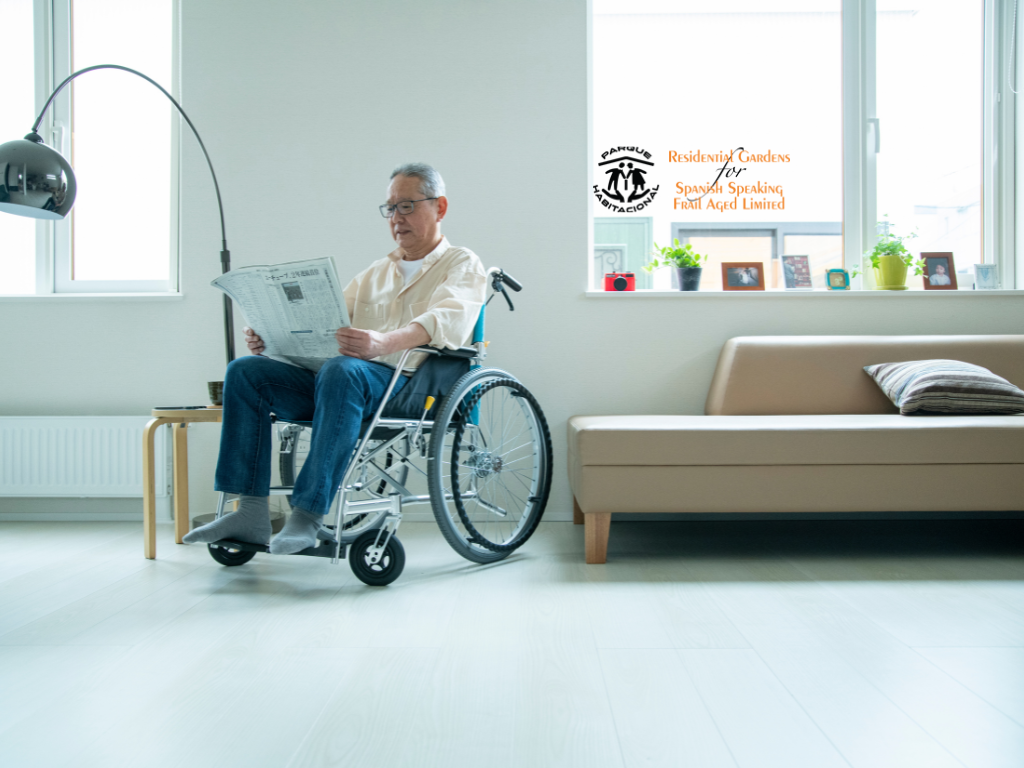
Daily Routines in Dementia Specific Aged Care Facilities
Daily life should reflect the resident’s abilities, interests and preferences.
Dementia specific aged care facilities may offer activities designed to encourage participation while accommodating cognitive and physical changes.
Depending on the home and individual care plan, residents may participate in music, gentle exercise, gardening, social activities or familiar everyday tasks.
Meals, rest periods and personal care should also consider established routines wherever practical.
Maintaining independence is important, even when someone requires assistance.
Families should ask whether residents can make choices about activities, clothing, meals and other everyday preferences.
A suitable environment should support dignity and comfort rather than rely on a rigid routine that does not reflect individual needs.
Comparing Modern Nursing Homes and Memory Care Environments
Modern nursing homes may provide private bedrooms, communal lounges, accessible bathrooms and outdoor areas.
Some also incorporate dementia-friendly design features.
These can include clear signage, recognisable spaces, appropriate lighting and layouts that support safe movement.
Families researching memory care residential homes should understand that this terminology is commonly used to describe dementia-focused residential environments, although Australian providers may use different names.
A building’s appearance alone cannot establish whether its care is appropriate.
When visiting a facility, consider how residents interact with staff, whether the environment feels welcoming and how easily people can move between areas.
Ask about outdoor access, privacy, activities and the arrangements used to support residents who become disoriented.
Knowing When Different Levels of Care May Be Needed
When Dementia Specific Aged Care Facilities May Be Appropriate
Care needs can change as dementia progresses, but those changes differ between individuals.
Some people begin needing additional assistance with personal care, communication or recognising familiar surroundings.
Others may experience distress or difficulties navigating their environment.
Dementia specific aged care facilities may be appropriate when a person’s assessed needs would benefit from the support and environment available in a dedicated care setting.
However, the decision should not be based only on the stage of dementia.
Physical health, mobility, personal preferences and the person’s response to different environments also matter.
Families should involve the person living with dementia in discussions wherever possible and seek professional assessment when care needs are becoming more complex.
When General Residential Aged Care May Be Suitable
A general residential aged care home can be appropriate for many people living with dementia.
This is particularly relevant when the provider can deliver personalised care, suitable nursing support and an environment that meets the resident’s needs.
A person may also have other health conditions requiring significant attention, such as reduced mobility or ongoing medical care.
Families comparing nursing homes and dementia specific aged care facilities should ask whether the home can continue supporting their loved one if care requirements change.
It is also important to understand what happens if additional dementia support becomes necessary.
The aim is to find a setting that can respond to the person’s overall wellbeing rather than focusing exclusively on their diagnosis.
Comparing Costs, Assessments and Admission Requirements

Understanding Residential Aged Care Assessments and Fees
For government-funded residential aged care in Australia, the usual starting point is an aged care needs assessment through My Aged Care.
Families can apply for an assessment online or contact My Aged Care for assistance.
The assessment helps determine eligibility and the type of care that may be appropriate.
Costs depend on individual circumstances, the applicable fee arrangements and the chosen provider.
Under Australia’s aged care arrangements introduced on 1 November 2025, fees for many new residents may include a basic daily fee, assessed contributions towards everyday living or non-clinical care, and accommodation costs.
Some people are covered by earlier fee arrangements under transitional protections.
Whether a facility offers dementia-specific care does not, by itself, establish what a resident will pay.
Families can use the official My Aged Care aged care home costs and fees guide to understand current arrangements.
What Families Should Ask Before Applying
Before applying to a residential aged care home, families should understand its services, admission requirements and accommodation options.
Ask whether the home has experience supporting people with similar care needs.
If dedicated dementia care is required, confirm whether the provider offers an appropriate unit and how eligibility is assessed.
It is also worth discussing availability, waiting lists, room arrangements and support during the move.
Request a clear explanation of accommodation payments, daily fees and any optional services.
Families should review the resident agreement carefully and seek independent financial advice when necessary.
When comparing dementia specific aged care facilities, understanding these details early can make the admission process easier to navigate.
Choosing the Right Aged Care Facility for Your Loved One
How to Compare Dementia Specific Aged Care Facilities
Choosing residential care should involve more than reviewing websites or accommodation photographs.
Facility visits allow families to observe the environment, speak with staff and ask detailed questions.
When comparing dementia specific aged care facilities, find out how individual care plans are developed and reviewed.
Ask about dementia training, nursing arrangements, activities, communication with families and responses to distress or changing health needs.
It is also important to understand how the provider supports residents’ independence, privacy and cultural preferences.
Consider arranging visits to more than one home before making a decision.
Pay attention to whether staff communicate respectfully and whether residents appear comfortable and appropriately supported.
The right facility is one that can respond to the person’s assessed needs and explain its care arrangements clearly.
Comparing Residential Aged Care Facilities in Rooty Hill
Location is another important consideration when choosing residential care.
Families looking at residential aged care facilities Rooty Hill may prefer a home close to relatives, familiar neighbourhoods and existing community connections.
Convenient access can make regular visits and participation in care discussions easier.
However, location should be considered alongside care services, accommodation, staffing and the environment.
Residential Gardens is an aged care provider in Rooty Hill, Western Sydney.
Its published services include residential high care, low care and respite care, together with nursing support and assistance with daily living.
Families can contact the provider to discuss individual requirements and ask about its current dementia care arrangements.
A dedicated dementia-specific unit should not be assumed unless the provider confirms that service.
Preparing for the Move and Supporting Ongoing Care
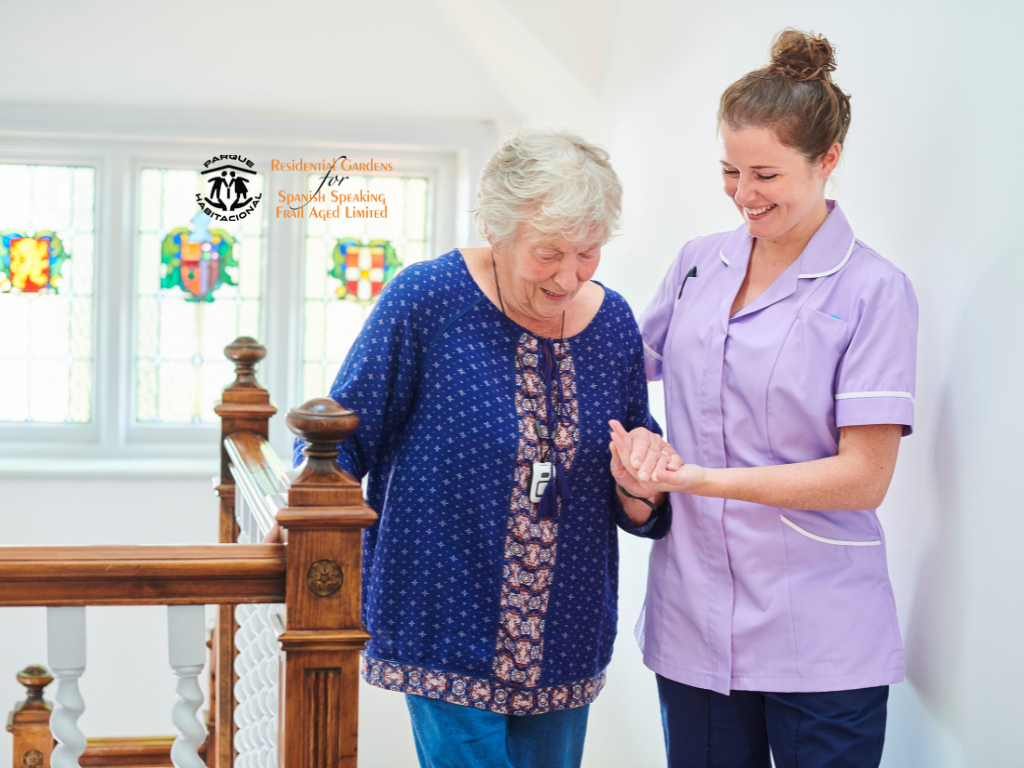
Helping Someone Transition Into Residential Dementia Care
Moving into residential care can involve significant changes to familiar routines and surroundings.
For someone living with dementia, preparation should consider their communication needs, preferences and understanding of the move.
Families can help by sharing information about familiar activities, personal history and everyday routines.
Photographs, comfortable clothing and other permitted personal belongings may help make the new room feel familiar.
It is also useful to discuss how staff support residents during their initial adjustment.
For people entering dementia specific aged care facilities, the transition plan should reflect individual needs rather than follow a fixed timetable.
Families should ask who will be their main contact and how concerns can be raised during the settling-in period.
Staying Involved in Care and Reviewing Changing Needs
Family involvement remains valuable after someone moves into residential aged care.
Regular visits, conversations with staff and participation in care planning can help maintain important relationships.
Families often know details about a person’s history, preferences and communication that can assist staff in providing personalised support.
Care arrangements should also be reviewed as health, mobility or cognitive needs change.
This applies whether someone lives in a general nursing home or a dedicated dementia care environment.
For families exploring residential care in Rooty Hill, Residential Gardens can be contacted to discuss its available services and opportunities to visit.
Choosing between nursing homes and dementia specific aged care facilities ultimately depends on the individual, not simply the type of accommodation.
By comparing care practices, clinical support, daily routines, fees and family involvement, you can make a more informed decision about the setting that best supports your loved one’s comfort, dignity and ongoing needs.