Searching for salumi near me usually means more than finding the closest packet of sliced meat. Most shoppers want products that suit a particular purpose, whether they are preparing sandwiches, serving an antipasto board, planning a family meal or arranging food for a gathering.
The wide range can make choosing difficult. Australian supermarkets and delicatessens may stock products labelled Milano, soppressata, Calabrese, Hungarian, Tuscan, Italian or fennel salami, along with prosciutto, mortadella and other cured meats. A recent Australian tasting also showed how much flavour and texture can vary across products that may look broadly similar in the display.
The best salumi for one meal may not be the right choice for another. A soft, thinly sliced salame may work well in a sandwich, while a firmer and more distinctive product may be better suited to a grazing board.
A useful buying decision should therefore consider the type of meat, flavour, thickness, ingredients, storage instructions, serving purpose and quantity required. The following guide explains how to compare Italian salumi without relying only on branding or appearance.
How salumi differs from ordinary deli meat
Salumi is an Italian term used for a broad group of meat products that have been preserved or prepared through methods such as curing, salting, drying, smoking or cooking.
Salami is one type of salumi, but the two terms are not interchangeable. Salumi can include whole-muscle products such as prosciutto and coppa, as well as ground and seasoned products such as salame or soppressata.
Ordinary deli meat may include cooked ham, roast meat, sliced poultry and other ready-to-eat products that do not follow the same Italian traditions or production styles.
This distinction matters when shopping because a request for salumi italian products may produce a much wider selection than asking only for salami.
The product name can also provide clues about flavour and texture, but names are not always enough to determine quality. Two products using the same general style can differ in seasoning, fat content, slice thickness and firmness.
The ingredient list and product description can provide more useful information than an attractive label alone. Shoppers with dietary, allergy or ingredient concerns should ask the retailer or check the package before buying.
The main types of Italian cured meats
There are many types of salumi, and each brings a different texture and flavour to a meal.
Prosciutto is usually served in thin slices and has a delicate texture that works well with bread, melon, cheese or simple antipasto plates.
Mortadella is a cooked Italian meat with a smooth texture and mild flavour. It is commonly used in sandwiches, focaccia and platters.
Soppressata or sopressa can vary by region and producer, but it is generally a coarser-style salami with a noticeable texture. Some versions may contain chilli, garlic, pepper or fennel.
Coppa is made from a whole cut of pork and is usually sliced thinly. Its marbled appearance and richer flavour can suit antipasto boards.
Pancetta is cured pork belly and is often used as a cooking ingredient, although some varieties may also be served according to the product instructions.
Bresaola is a lean cured beef product with a firm texture and mild flavour. It is commonly served thinly sliced.
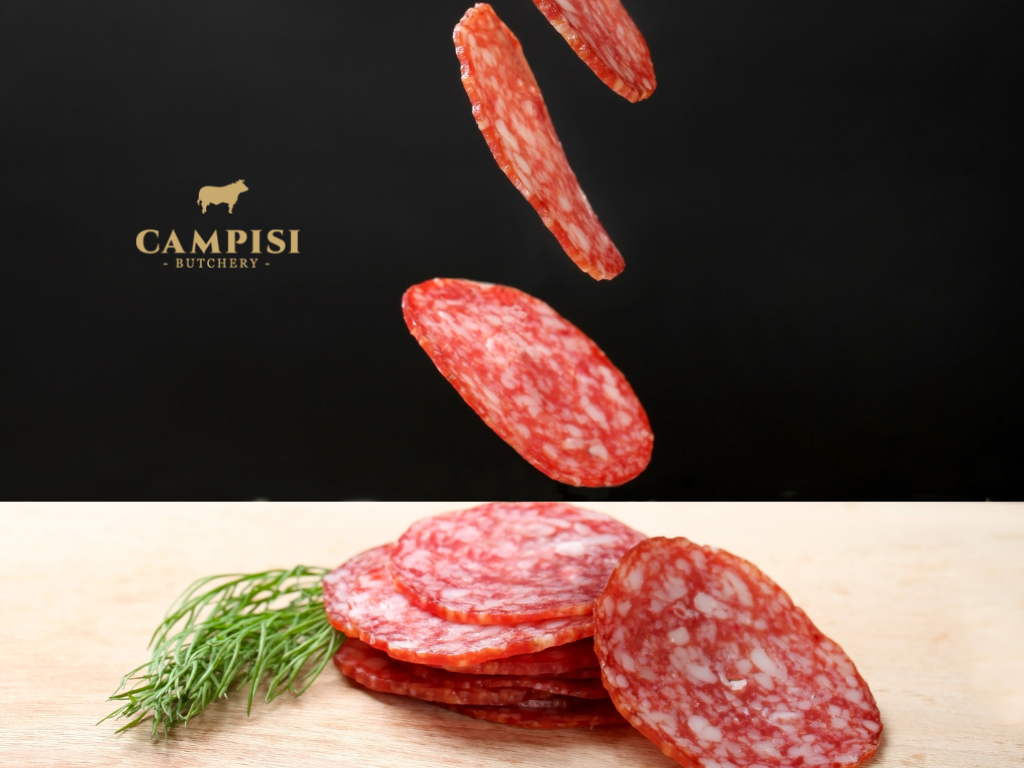
Salame Milano is generally finely ground and mild, while Calabrese-style salami often has a stronger or spicier flavour. Actual seasoning varies between manufacturers, so the label or deli description should be checked.
Understanding these differences makes it easier to choose salumi according to how it will be served.
Decide How You Plan to Serve It
Salumi for sandwiches should be easy to bite through and strong enough in flavour to remain noticeable beside bread, cheese, vegetables and condiments.
Thin slices usually work better than thick pieces because they distribute the flavour more evenly. They are also less likely to pull out of the sandwich with the first bite.
Mortadella, mild salame, soppressata and prosciutto can all work in sandwiches, but the right choice depends on the other ingredients.
A rich or spicy salumi meat may pair well with a mild cheese and simple bread. A delicate product may be overwhelmed by strong sauces, pickles or heavily flavoured cheese.
For pizza, focaccia or cooked meals, check whether the product is intended to be heated and consider how its texture may change during cooking.
Some cured meats can become firmer or saltier when heated. Using smaller amounts may create a better balance than covering the entire dish.
When buying for everyday lunches, consider how much will actually be used before the product reaches its labelled use-by date or the storage period advised by the deli.
Building a balanced antipasto or grazing board
A good antipasto board does not need the largest possible number of salumis.
A smaller selection with clear differences in flavour and texture is usually easier for guests to understand and enjoy.
One mild product, one richer whole-muscle salumi and one spicy or strongly seasoned option can provide variety without making the board repetitive.
For example, a board might combine thin prosciutto, mild mortadella and a firmer fennel or chilli salame. The exact combination should suit the preferences of the people eating it.
The accompaniments should support the meat rather than compete with every flavour. Bread, crackers, olives, marinated vegetables, cheese, fresh fruit and pickled foods can all provide contrast.
Rich cured meats often benefit from something fresh, acidic or crisp. Pickles, grapes, pear or lightly dressed vegetables may help balance salt and fat.
Allowing the product to be clearly identified is also helpful, particularly when guests may have dietary restrictions or dislike spicy food.
Keep chilled products out only for an appropriate serving period and follow the storage or handling advice supplied with the product.
Compare Freshly Sliced and Pre-Packed Options
When deli slicing provides greater flexibility
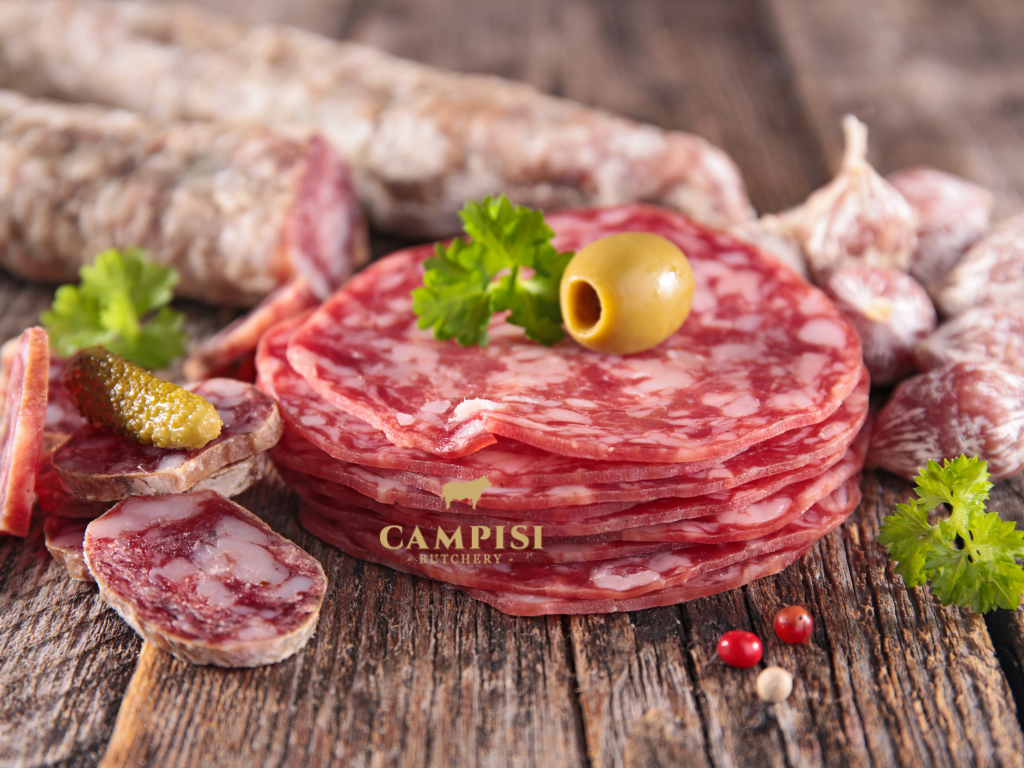
Buying freshly sliced salumi from a deli allows the shopper to request a particular quantity and thickness.
Thin slicing may suit prosciutto, bresaola, mortadella and sandwich salami. Slightly thicker slices may be appropriate when the product is being served as a more substantial part of a platter.
A deli counter also allows shoppers to ask questions about flavour, spice level, ingredients and suitable pairings.
This can be useful when choosing between several types of salumi that are unfamiliar or when preparing food for guests.
Buying by weight may also reduce waste because the shopper can purchase only the amount required.
However, freshly sliced products should be transported and refrigerated according to the retailer’s advice. The shopper should also ask how long the product should be kept once sliced.
The slicing equipment and handling area should appear clean and well maintained. The meat should be stored in a suitable refrigerated display rather than left at room temperature.
When packaged products may be more convenient
Pre-packed salumi can be useful when convenience, sealed packaging and clear labelling are priorities.
The package will normally provide ingredient details, storage directions, nutrition information and a use-by or best-before date.
This can make packaged products easier to plan for, particularly when they are being purchased several days before an event.
Pre-packed portions may also be helpful when several different products are required in small quantities.
The main limitation is that the shopper cannot control the slice thickness or exact amount. Some packs may contain more or less than the meal requires.
Appearance through the packaging can provide some information, but it does not reveal everything about flavour or texture.
Check that the package is sealed and undamaged. The product should be stored in the appropriate refrigerated section when refrigeration is required.
After opening, follow the label instructions rather than assuming that the original printed date still applies in the same way.
Neither fresh slicing nor packaged salumi is automatically better. The right option depends on timing, quantity, intended use and the information the shopper needs.
Check Quality, Storage and Product Information
What to look for before buying salumi meat
Quality is not determined by price, imported appearance or an Italian-sounding name alone.
Begin by checking the product description, ingredients and style. Consider whether the seasoning, texture and fat content suit the intended meal.
The meat should appear consistent with the product type. This does not mean every slice must look identical, particularly with artisanal products, but there should be no obvious signs of damaged packaging or poor handling.
Ask whether the product is mild, spicy, smoky, garlicky, peppery or fennel-flavoured. These details are more practical than relying only on the broad salami category.
The fat should also be considered. Visible fat is normal in many salumi products and contributes to texture and flavour, but preferences differ between shoppers.
When searching for the best salumi, remember that “best” depends on how it will be used. A soft, mild product may be ideal for a sandwich but less interesting on a tasting board.
Price should be compared by weight rather than by package alone. A smaller pack may appear cheaper while having a higher price per kilogram.
Country of origin, manufacturing information and ingredient claims should be checked on the label or confirmed with the retailer where relevant.
How to transport and store the product safely
Follow the storage instructions supplied with the salumi. Requirements can vary according to whether the product is whole, sliced, packaged, opened or shelf-stable.
Products sold from a refrigerated display should generally be kept chilled during transport and returned to refrigeration promptly.
An insulated bag can be useful when the journey home is long or when the weather is warm.
Do not leave chilled deli meat sitting in a vehicle while completing other errands.
At home, keep the product wrapped or stored in a clean container according to the package or deli guidance. Avoid placing it where raw meat juices could contaminate it.
Use clean utensils when arranging a platter and avoid repeatedly handling the slices.
Once served, leftovers should not automatically be returned to storage if they have remained out too long or have been handled extensively. Follow current food safety advice and the product instructions.
Shoppers who are pregnant, elderly, immunocompromised or buying for someone with specific health concerns should seek current medical or food-safety guidance about ready-to-eat cured meats.
Choose the Right Product and Supplier
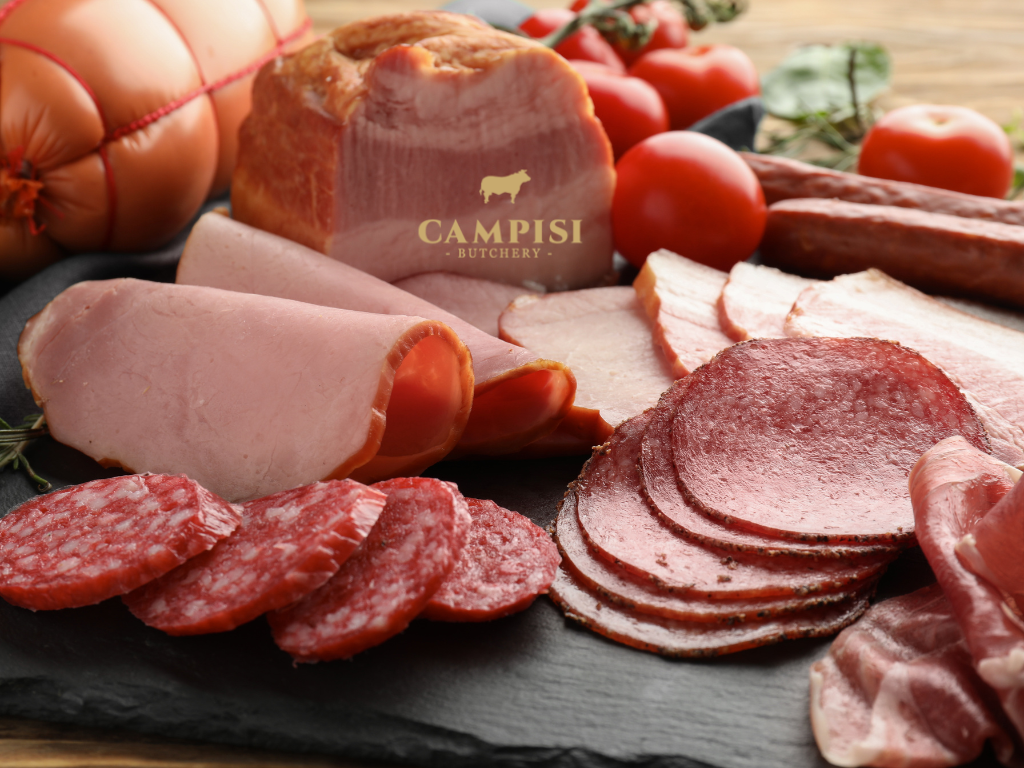
Comparing flavour, texture, price and portion size
Start with the intended use.
For sandwiches, choose a product that is thinly sliced and easy to bite. For a grazing board, consider a combination of textures and flavour strengths.
Ask whether a product is mild or spicy rather than assuming from its colour. Some red salamis may be mild, while a pale product may contain strong pepper, garlic or smoke flavours.
Texture can range from soft and finely ground to firm and coarse. Neither is automatically a sign of higher quality.
Compare price per kilogram when products are sold in different package sizes. Also consider whether the quantity suits the meal, because unused food is not good value.
When buying several salumis, avoid choosing products that taste almost identical. Variation creates a more useful selection.
A knowledgeable retailer should be able to explain the product in plain language rather than relying only on broad claims such as premium, authentic or traditional.
Any claim about handmade production, imported origin, ageing period or regional certification should be supported by product information.
Assessing the deli, butcher or speciality retailer
A reliable supplier should keep chilled products under suitable refrigeration and maintain a clean service area.
Prices should be clearly displayed or explained before slicing begins.
Staff should be willing to answer practical questions about spice level, ingredients, storage, slice thickness and serving ideas.
A good retailer should also be comfortable saying when information needs to be checked rather than guessing about allergens, manufacturing or product origin.
When searching for salumi near me, compare more than distance. A slightly longer trip may be worthwhile when the retailer has a stronger range, clearer product information or more suitable slicing options.
Independent delicatessens may offer specialist advice and less common products. Butchers may stock locally produced salumi alongside fresh meat. Supermarkets may provide convenience and clearly packaged options.
No single retailer type is automatically superior. The right supplier is the one that offers suitable products, handles them correctly and provides the information needed to make a confident choice.
Plan Portions and Accompaniments
The amount required depends on whether salumi is the main food or one part of a larger meal.
A small antipasto starter needs less per person than a grazing table intended to replace dinner.
Sandwiches also vary according to bread size, other fillings and appetite. Buying by weight allows the deli to help estimate a practical quantity.
Before ordering, consider the number of guests, the length of the event and how many other dishes will be served.
Children, light eaters and people with dietary restrictions may reduce the total required, while a long event with limited alternatives may require more.
It is usually better to offer a well-planned amount than to purchase a large quantity simply to make the board look full.
Bread, vegetables, cheese and fruit can add variety and visual interest without relying entirely on cured meat.
For a larger order, ask the supplier whether the product can be separated into smaller packages. This may make storage and staged serving easier.
Any exact serving recommendation should be treated as a guide rather than a guarantee because appetite and menu design vary.
Pairing cured meats with suitable foods
Mild salumi can be paired with subtle cheeses, fresh bread and lightly flavoured vegetables.
Spicy salami may suit creamy cheese, roasted capsicum or mild crackers that soften the heat.
Prosciutto works well with fresh fruit, soft cheese and simple bread because these foods do not overpower its delicate texture.
Mortadella can be served with focaccia, pistachio flavours, mild cheese or pickled vegetables.
Bresaola is often paired with fresh leaves, lemon-style acidity and firm cheese, although serving choices can be adapted to personal taste.
Rich salumis benefit from contrast. Crisp vegetables, olives, pickles and fruit can prevent the board from feeling too heavy.
Avoid using too many strong condiments at once. Several mustards, chutneys and flavoured oils can make it difficult to taste the cured meats.
The most useful board allows each item to have a clear role rather than adding products only to fill space.
When to Contact a Local Salumi Supplier
Asking about availability, slicing and ingredients
Contact a local deli, butcher or speciality supplier when you need a particular salumi product, quantity or slicing style.
Before visiting, explain whether the meat is for sandwiches, cooking, an antipasto board or a larger event.
Ask which italian salumi products are currently available and whether they can be sliced to order.
Availability can change, especially for imported, limited-production or speciality products. Confirm stock before travelling when a particular item is essential.
People with allergies or dietary restrictions should ask for ingredient and allergen information rather than relying on appearance or a general product name.
Also ask how the product should be stored and how soon it should be used after slicing or opening.
Where origin, production style or certification matters, request product information that supports the claim.
Ordering for events, platters or larger gatherings
Contact the supplier early when ordering salumi for an event, workplace function or family gathering.
Provide the date, guest number, serving style and approximate budget.
Explain whether the supplier is providing sliced meat only or assembling a complete platter. Cheese, bread, olives and other accompaniments may be priced separately.
Ask when the order will be prepared and how it should be transported and refrigerated.
For large platters, confirm whether products will be labelled. This can help guests identify spicy items and raise questions about allergens before eating.
The supplier should also explain the collection time, cancellation terms and any deposit required.
Searching for salumi near me is the beginning of the buying process, not the final decision. Understanding the different types of salumi, checking product information and choosing according to the meal will help you find a more suitable option than selecting the closest or most expensive product.