Timber veneer can bring the natural colour, grain and character of real wood to cabinetry, furniture, doors and interior wall panels. However, choosing a veneer involves more than selecting an attractive timber species from a photograph.
The final result also depends on how the log was cut, how the veneer leaves are joined, which substrate is used and how the panels are positioned throughout the project.
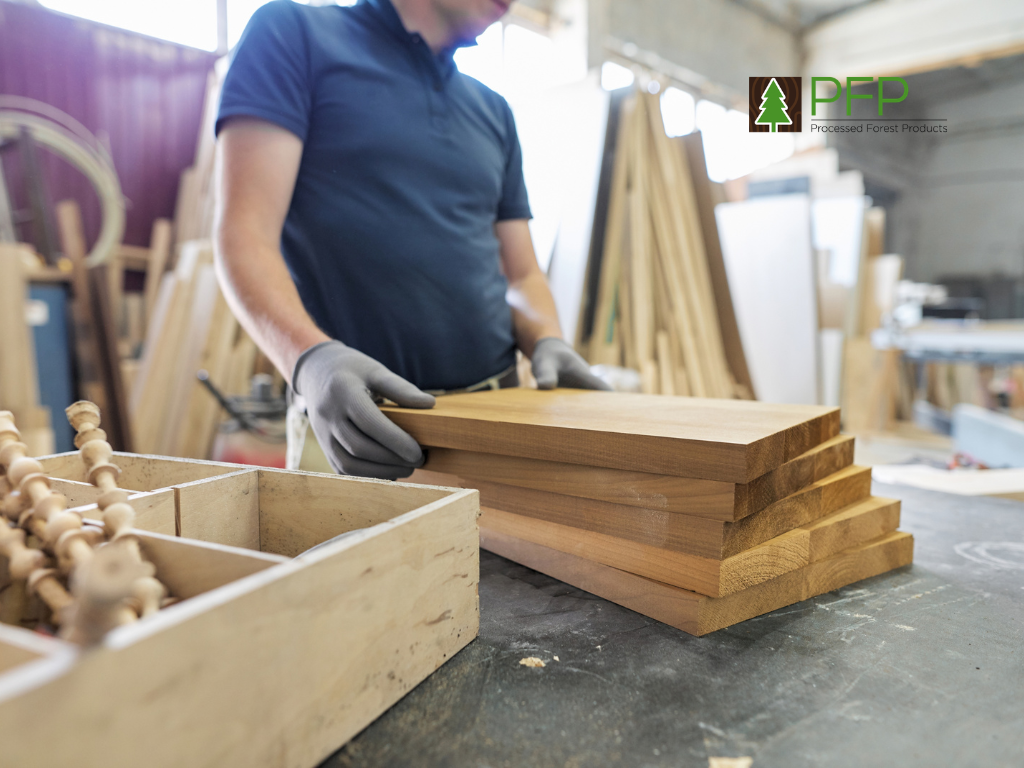
Timber veneer is normally produced as a thin layer of real timber. In Australia and New Zealand, the usual thickness is between 0.5 and 0.85 mm. It is commonly bonded to MDF, particleboard or plywood to create a decorative panel.
This construction allows a relatively small amount of decorative timber to cover a larger surface than an equivalent piece of solid wood. It also gives designers and joiners greater flexibility when producing doors, cabinetry, furniture and large interior features.
Businesses and homeowners searching for timber veneer sydney products should therefore compare the complete panel specification rather than focusing only on colour.
Separate real veneer from solid timber and decorative laminates
Timber veneer is real wood that has been sliced or peeled from a log. It is not a printed timber pattern.
The thin veneer layer is used as the visible decorative surface, while the substrate beneath it provides most of the panel’s thickness and structure. The Timber Veneer Association of Australia defines veneer as thin timber bonded to wooden board, particleboard or fibreboard.
Solid timber is different because the complete component is made from wood of the same species. A decorative laminate may imitate a timber pattern but does not necessarily contain a natural timber face.
Each option has a place. Solid timber may suit exposed edges, frames or components where the full section needs to be natural wood. Veneered timber panels can work well for larger flat surfaces where consistent dimensions and efficient material use are important.
Some buyers search for a timber wood panel when they actually need a veneered MDF, particleboard or plywood panel. The phrase is too broad to use as a final specification because it does not explain the decorative surface, substrate or construction.
The term timber pannel is also a common spelling error. The standard term is timber panel.
Learn how veneer is bonded to a panel substrate
Veneer leaves are first selected, cut and joined to create a larger decorative sheet known as a layon. The layon is then bonded to the selected substrate using specialised pressing equipment, usually involving controlled pressure and heat.
After pressing, panels may be trimmed, sanded and prepared for finishing. Edging can also be applied to cover the exposed substrate and create a continuous timber appearance.
The reverse face of the panel may need a suitable balancing material.
The quality of the adhesive bond is important because poor bonding may lead to lifting, bubbling or separation. Australian industry guidance refers to standards covering veneer bond strength, bond durability and decorative overlaid wood panels.
Before ordering, ask whether the product will be supplied as raw veneer, a pressed panel, an edged component or a fully finished item. These are different stages of production and may involve different suppliers.
Choose the Species, Colour and Grain Character
Natural veneer is cut from a real log and retains the variation created by the tree’s growth, grain and natural features.
No two natural veneer leaves are exactly the same. Colour, figure, knots and grain movement may vary within one log and between different logs of the same species. The way the log is sliced can also create very different patterns. Crown cutting commonly produces broader curved grain, while quarter cutting generally creates a straighter appearance.
This variation is often part of the attraction. It gives furniture and joinery a natural character that cannot be repeated precisely.
Reconstituted veneer is manufactured to provide a more controlled or repeatable decorative pattern. It may be suitable when a project needs greater consistency between panels, future additions or several separate locations.
Natural and reconstituted veneer should not be treated as better or worse versions of the same product. The right choice depends on whether the design calls for natural variation or greater uniformity.
Approve physical samples before confirming the order
Computer screens cannot show timber colour and grain accurately enough for final approval.
Lighting, photography, screen settings and surface coatings can all change how a veneer appears. A small sample may also show only one part of a much larger grain pattern.
Request samples from the stock or batch being considered. Where natural veneer is selected, industry guidance recommends identifying the log or batch number and obtaining an indicative finished sample before manufacturing begins.
The sample should show the proposed veneer, cut, matching method, stain and coating. Review it under lighting similar to the final interior where practical.
Natural features should be discussed rather than treated automatically as defects. Burls, colour changes, figure, mineral markings and grain movement may be intentional parts of the selected appearance.
For a large Sydney fit-out, sample approval should happen before all panels are pressed. This gives the designer, client, joiner and manufacturer a shared visual reference.
Select the Right Grain Matching Method
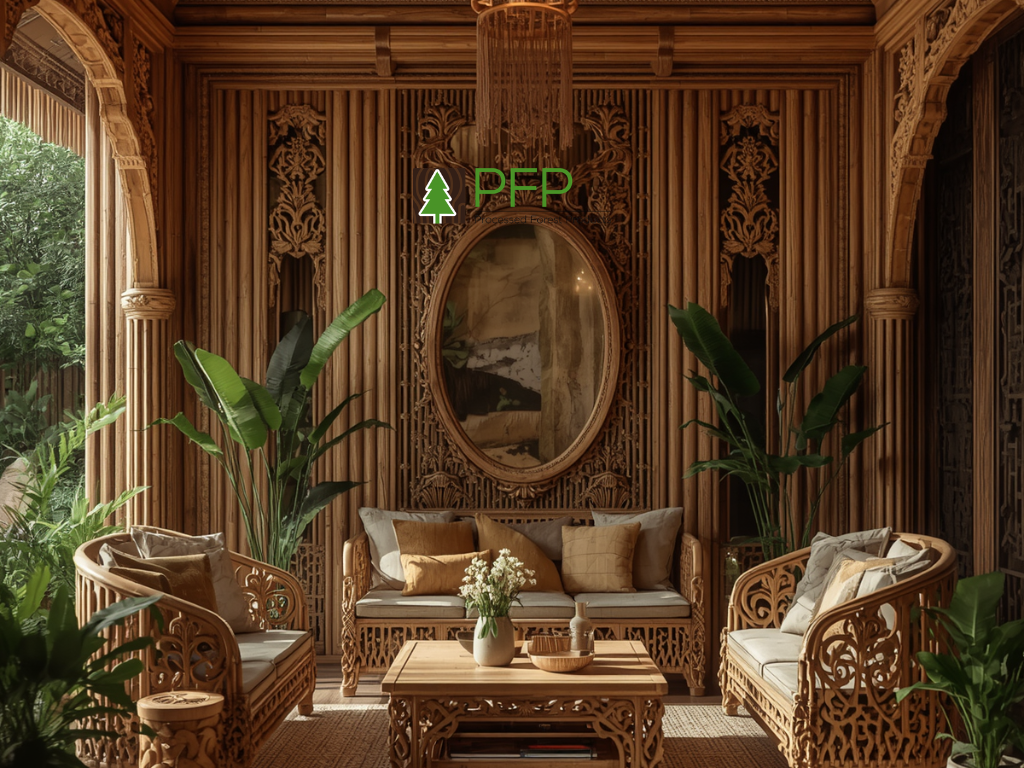
Compare book, slip and random matching
Individual veneer leaves must be joined to create panels wider than the original leaf.
The joining method changes the appearance of the finished surface. Book matching is created by turning consecutive leaves over like the pages of a book. This produces pairs with a mirrored grain pattern.
Slip matching places consecutive leaves beside one another in the same orientation, creating repeated grain movement. Random matching combines leaves to create a less formal, more varied effect.
Other decorative methods include reverse slip matching, quarter matching, diamond matching, herringbone and sunburst arrangements. These specialised layouts can create strong visual features but may require more material, planning and manufacturing time.
The correct method depends on the species and the intended design. A highly figured veneer may create a dramatic mirrored pattern when book matched. A straighter grain may suit slip matching, while random matching can create a more relaxed or planked appearance.
Ask to see representative examples before selecting the pattern. The same veneer species can look noticeably different under another matching method.
Plan sequence matching across doors and adjoining panels
Panel matching becomes more important when several doors, wall panels or cabinet fronts sit next to one another.
Sequence matching uses consecutive veneer leaves or panels in a planned order. This can allow the grain to continue across several adjoining components and create a more unified visual effect.
Industry guidance notes that maximum grain continuity can be achieved when doors and panels are made to their final dimensions and manufactured in the required veneer sequence.
Sequence matching requires accurate drawings and dimensions before manufacturing. Changes made after pressing may interrupt the intended grain flow.
The specification should identify each panel, its orientation and where it sits in the finished installation. The grain direction should also be shown clearly.
Do not assume that the first dimension always indicates the grain direction. Australian specification guidance recommends ordering veneered board as length by width by thickness and clearly confirming whether the grain is long band or cross band.
For large joinery walls, reception desks or matched doors, the panel layout should be reviewed as a complete elevation rather than as separate sheets.
Choose the Substrate, Thickness and Panel Size
The substrate should be chosen according to the final application, machining requirements and site conditions.
Particleboard is commonly used because it provides a strong, stable and economical base for veneered products. MDF is frequently selected where smooth machining or moulded exposed edges are required. Plywood can be used for special applications and is constructed from several bonded veneer layers.
The substrate selected for dry cabinetry may not suit an area exposed to regular moisture. The substrate also affects weight, screw holding, edge finishing, machining and panel stiffness. These factors become important for tall doors, shelving, curved work and frequently handled furniture.
Do not select a substrate only because it is the cheapest option. Explain whether the panel will be used for a wall, table, cabinet door, shelf, ceiling, curved form or commercial fit-out.
Australian industry references identify separate standards for MDF, particleboard, interior plywood, exterior plywood and decorative overlaid panels. The appropriate product should be verified against the actual use.
Confirm dimensions, grain direction and edging
Panel dimensions need to be confirmed before the veneer is pressed.
The order should identify length, width and thickness, together with the required grain direction. This is especially important for doors, tall wall panels and components cut from larger sheets.
Standard sheet sizes may suit ordinary cabinetry, but larger architectural panels can require special stock, joining or manufacturing arrangements.
Processed Forest Products currently lists MDF, particleboard and plywood in several thicknesses and sheet sizes. It also states that other sizes may be available on application.
Edging should be specified at the same time. The buyer should identify which edges will be visible, the required veneer direction and whether the edge should match or contrast with the face.
Curved or radius work may require bending plywood or another purpose-selected substrate. A flat standard panel should not be forced into a curved application without confirming that the complete construction is suitable.
Plan the Finish, Care and Project Compliance
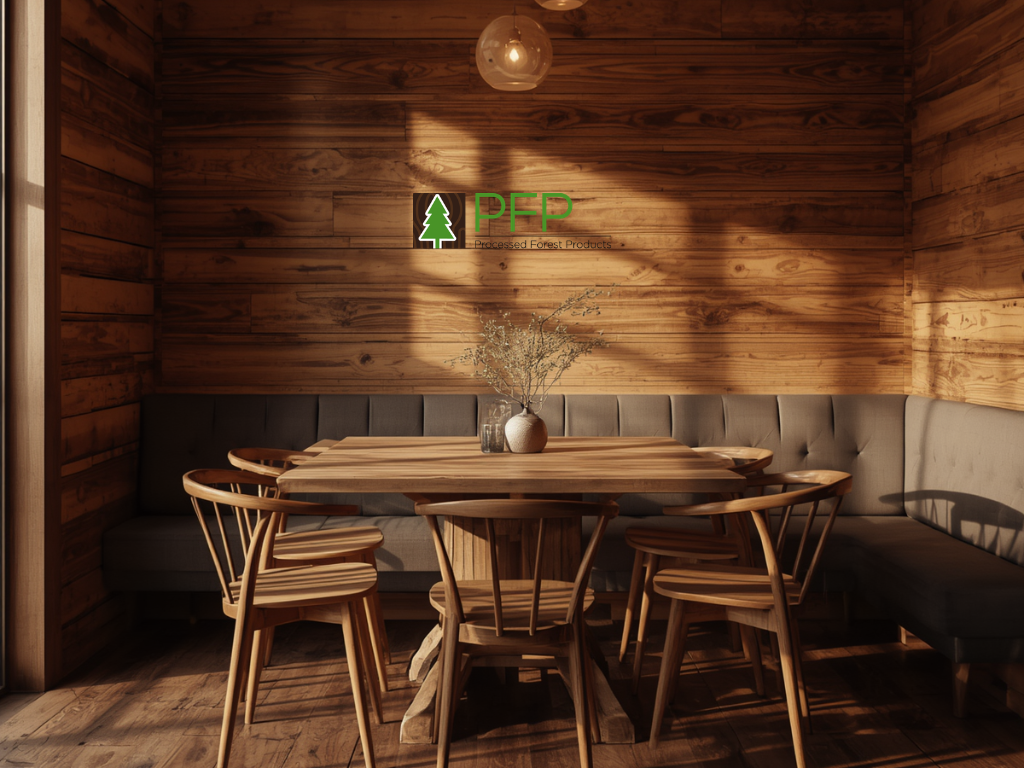
Match the protective coating to the final use
Raw veneer usually needs a suitable protective finish.
The coating affects colour, sheen, wear resistance and cleaning requirements. A lightly used wall panel may need a different finish from a dining table, reception counter or commercial door.
Industry guidance recommends sealing all surfaces and edges to slow moisture movement. Panels that are not sealed appropriately may be more prone to bowing or cupping.
The coating should suit the veneer species and expected use. Open-grain and filled-grain finishes create different appearances, while clear, stained and tinted coatings can change the final colour.
Timber veneer should not be left wet or cleaned with harsh or abrasive products that can damage the coating. The finish manufacturer or joiner should provide project-specific care instructions.
Sunlight can also change timber colour over time. Where the veneer will receive strong natural light, discuss coating options, expected colour movement and the limitations of UV protection before approval.
Check fire, moisture and documentation requirements
Decorative suitability does not automatically establish building compliance.
For commercial and multi-residential buildings, internal wall and ceiling linings may need to satisfy the fire hazard property requirements in the National Construction Code. The required group number depends on the building classification, location and other building conditions.
Ask the project certifier, architect or fire consultant what documentation is required before ordering. Do not assume that a fire-retardant substrate automatically makes every finished veneered panel suitable.
Moisture exposure should also be assessed. Interior-grade substrates may not be suitable for wet, damp or external locations. Industry guidance identifies different plywood standards for protected interior use and applications exposed to weather or damp conditions.
The specification should record the veneer, substrate, adhesive requirements, matching, edging, finish and any required test reports.
Compare Timber Veneer Manufacturers and Suppliers
A suitable supplier should be able to explain more than the timber species.
Ask whether the business supplies raw veneer, timber venner manufactured layons, pressed panels, edging, finished components or custom doors. This helps identify which parts of the project remain the responsibility of the joiner or finisher.
Quality control should include the veneer selection, jointing, pressing and finished panel inspection. The Timber Veneer Association of Australia operates a quality recommendation program relating to veneer bond testing, and Processed Forest Products is currently listed among participating panel manufacturers.
Certification claims should be checked against the specific business and product. A supplier may be certified, but the individual material still needs to be sold with the correct certified claim and documentation.
Responsible Wood currently lists Processed Forest Products as holding PEFC chain-of-custody certification covering boards, panels, plywood, veneers and associated manufacturing processes, with the certification shown as current until September 2030.
Compare quotations, availability and lead times
A timber veneer nsw quote should describe the complete product.
It should identify the species, natural or reconstituted type, cut, matching method, substrate, sheet size, thickness, edging and supplied finish.
Ask whether the price includes sample preparation, layon manufacturing, pressing, sanding, trimming, delivery and protective packaging.
Availability should also be confirmed. Natural veneer quantity may be limited within one log or batch, particularly when a project needs sequence matching or unusually large panels.
Order enough material for the confirmed work and a reasonable allowance for manufacturing, matching and future repairs. The appropriate allowance should be discussed with the manufacturer.
Lead times may be affected by sample approval, veneer sourcing, substrate availability, pressing and finishing. Do not schedule installation based only on an estimated delivery date given before the specification is complete.
The best comparison is between quotations covering the same panel construction and manufacturing scope.
Know When to Contact Forest Products
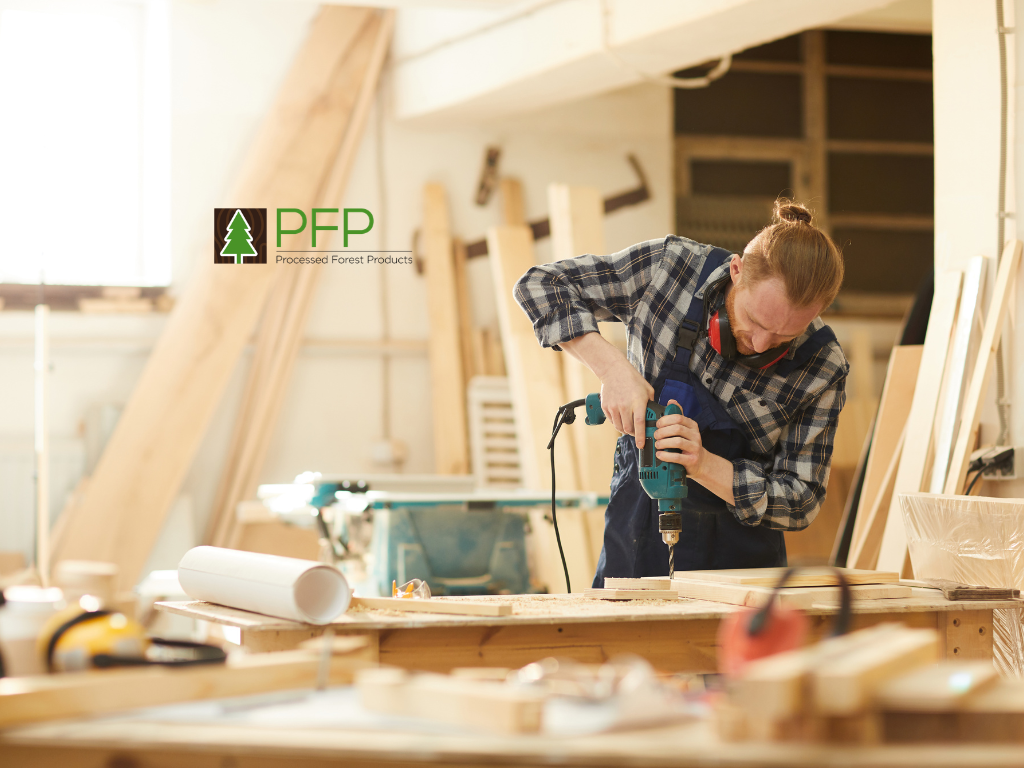
Request help with customised veneered panels
Forest Products may be contacted when a Sydney project requires help selecting veneer, producing layons or manufacturing customised veneered panels.
The company’s official name is Processed Forest Products. Its current website lists natural and reconstituted timber veneer, MDF, particleboard, plywood, veneered edging, decorative veneer laying, bending plywood, doors and PUR lamination among its products and manufacturing capabilities. Current species, sizes and services should be confirmed for the individual project.
The company may be relevant for furniture, cabinetry, shop fitting, office fit-outs, architectural joinery and projects requiring short or customised production runs.
Contact is particularly useful when the project needs sequence matching, unusual dimensions, curved panels, decorative patterns or certified materials.
The final product should still be selected according to the drawings, application and project compliance requirements rather than the timber appearance alone.
Prepare a clear specification before requesting a quote
Before contacting Forest Products, prepare the project drawings and approximate quantities.
Identify the preferred species, colour and grain character. Explain whether natural variation is welcome or whether the project needs a more consistent reconstituted veneer.
State the required cut and matching method where these have already been selected. Include the substrate, panel dimensions, thickness, grain direction and visible edges.
Explain whether the panels will be supplied raw, sanded, edged, laminated or finished. Also identify any curved components, doors or panels that need to be sequence matched.
Where certification is required, state the scheme and documentation needed. Where fire performance is relevant, provide the approved project specification rather than asking the manufacturer to assume the required classification.
Request samples before final approval and confirm current stock, manufacturing lead time, delivery requirements and quote validity .
Choosing timber veneer sydney products becomes easier when the visual idea is converted into a complete panel specification. By defining the species, grain matching, substrate, dimensions and finish before production, buyers can compare suppliers fairly and reduce avoidable differences between the sample and the installed joinery.