
Reliable refrigeration supports food storage, preparation, display and service. It may protect fresh ingredients in a restaurant, hold packaged products in a supermarket, display desserts in a café or support larger production volumes in a catering kitchen.
The right equipment depends on the product, the required temperature, daily stock movement and the layout of the premises. A large upright fridge may suit one business, while another may need several undercounter units, a display cabinet, a modular cool room or rapid-cooling equipment.
Businesses comparing commercial refrigeration sydney options should therefore look beyond the purchase price. The full decision should cover usable capacity, food safety, energy use, installation, maintenance and access to qualified service technicians.
Commercial refrigeration can represent a substantial part of energy use in businesses that depend on cooling. Selecting equipment that is correctly sized and suitable for the workflow can help avoid unnecessary capital and operating costs.
Match temperatures and capacity to the products
Begin with the food or beverages the business needs to store.
Fresh meat, dairy products, seafood, prepared meals, frozen goods, drinks, cakes and gelato can require different equipment and operating conditions. A drinks cabinet is not automatically suitable for storing potentially hazardous food, while an ice-cream display freezer has a different purpose from an undercounter kitchen refrigerator.
Food Standards Australia New Zealand advises businesses to keep potentially hazardous food at 5°C or colder unless another safe temperature-control method is being used. Frozen food should remain frozen hard, and temperature should be checked with a suitable thermometer.
The required capacity should reflect usable internal space rather than the external size alone. Shelves, trays, airflow paths and evaporator areas reduce the amount of stock that can be stored safely.
Overloading a refrigerator can restrict cold-air circulation and make temperature control less reliable. FSANZ specifically warns that tightly packed or overloaded refrigerators may not work properly because cold air cannot circulate around the food.
Estimate the busiest trading or production period rather than an average quiet day. At the same time, avoid buying a much larger unit only because expansion may occur eventually. Oversized refrigeration can increase purchase and operating costs.
Study stock movement and daily kitchen workflow
The location of the equipment can be as important as its capacity.
A preparation fridge should be close enough to the work area to reduce unnecessary movement, but it should not obstruct staff, deliveries or cleaning. A display cabinet needs to make products visible while allowing staff or customers to access them safely.
Consider how often each door will be opened. A busy kitchen fridge used throughout service has different requirements from a storage unit opened only a few times a day.
Stock rotation should also be easy. Staff need enough visibility and access to place new deliveries correctly, identify older products and remove items without unloading the entire cabinet.
A food business receiving frequent deliveries may need less bulk storage than one that buys larger quantities less often. Delivery reliability, menu changes and seasonal demand should all be included in the capacity decision.
The final arrangement should support a clear flow from delivery and storage to preparation, cooking, cooling and service.
Compare Commercial Fridges and Cool Rooms
Commercial refrigerated cabinets fall into several broad categories.
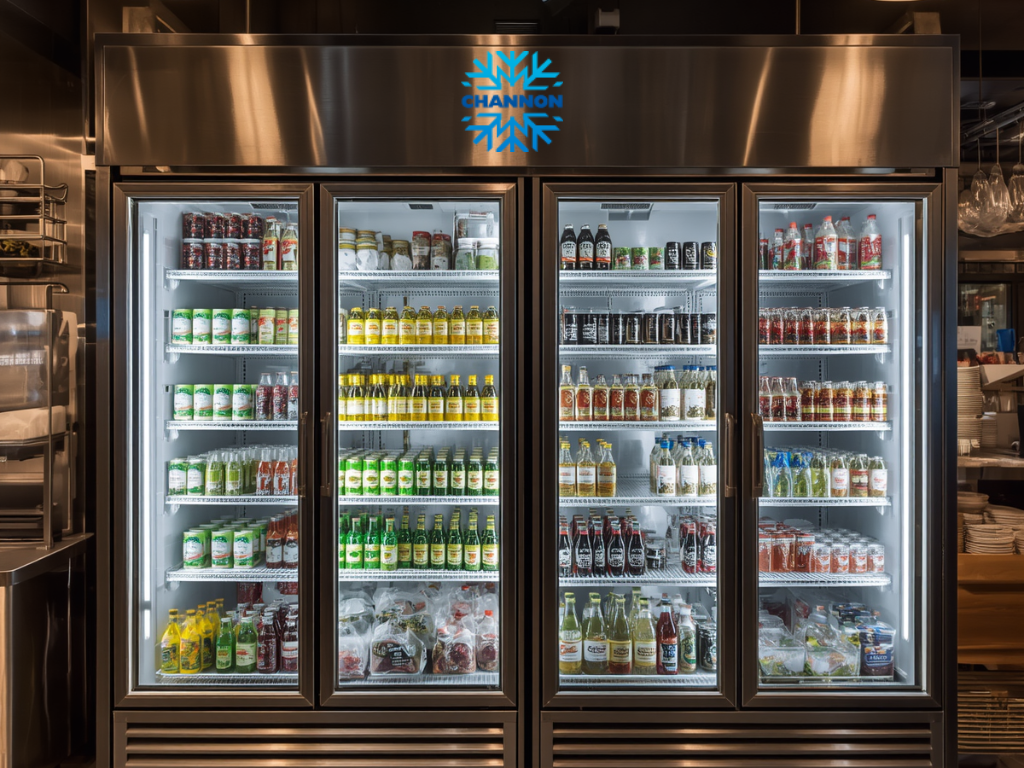
Refrigerated storage cabinets usually have solid doors and are commonly used behind the scenes in kitchens. Display cabinets allow products to remain visible and may have glass doors, open fronts or specialised layouts for drinks, cakes, dairy products, frozen food or gelato.
Australian energy regulations cover several types of commercial cabinets, including refrigerated display cabinets, storage cabinets, drinks cabinets, ice-cream freezers and gelato scooping cabinets. Registered models can be compared through the Energy Rating system.
Businesses comparing commercial fridges sydney should first decide whether the equipment is intended mainly for storage, preparation or customer display.
An undercounter unit can keep ingredients close to a preparation bench. An upright cabinet may provide greater vertical storage without occupying as much floor area. A display fridge may help customers see products, but glass and frequent door opening can affect energy use.
Check the operating temperature, dimensions, shelf arrangement, door direction and ambient-temperature rating. Equipment placed in a hot kitchen may need to perform under more demanding conditions than a unit installed in an air-conditioned retail area.
Consider commercial modular cool rooms for larger volumes
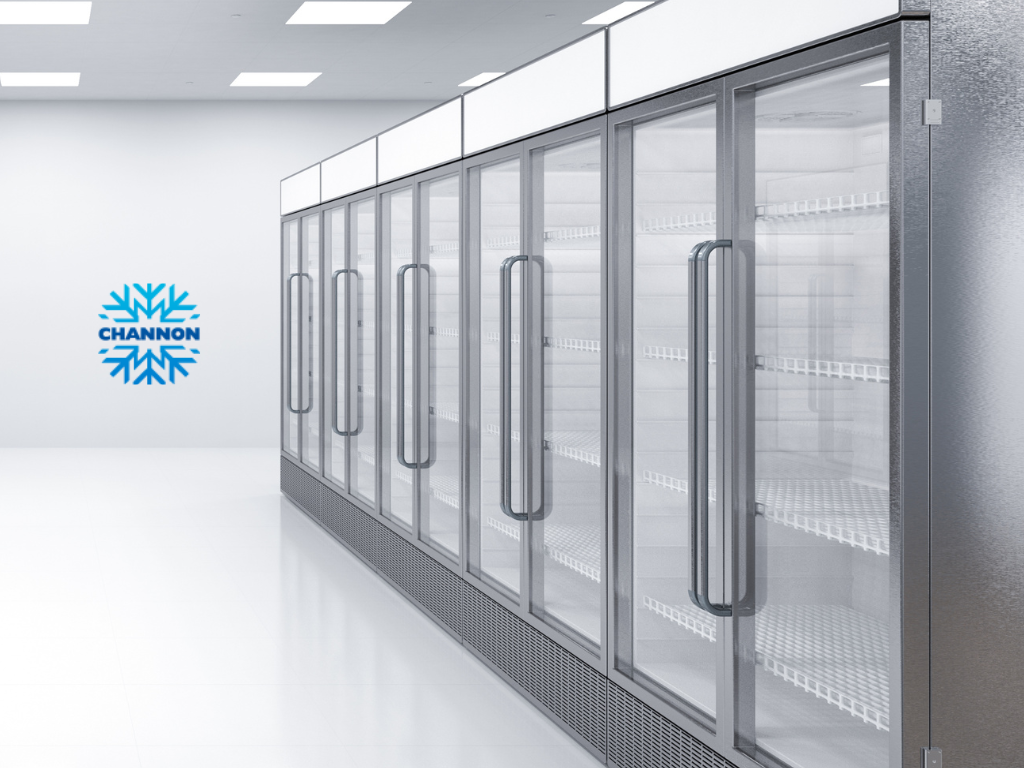
A cool room may suit businesses that need to store larger quantities, full cartons, trolleys, kegs or ingredients that do not fit conveniently in cabinets.
Commercial modular cool rooms use insulated panels that can be configured for the available space. Channon’s published information describes modular rooms as prefabricated systems that may be sized or reconfigured for different operational requirements. Exact dimensions, panel specifications and expansion options need to be confirmed for each project.
A cool room is not simply a larger fridge. The project may involve insulated floors, walls and ceilings, refrigeration equipment, drainage, shelving, lighting, doors, controls and electrical work.
The Australian Government advises that cool-room efficiency depends on effective sealing, insulation and door management. Gaps around panels or pipe penetrations can allow warm and moist air into the room, increasing the refrigeration load.
The room should not be oversized without a clear reason. Government refrigeration guidance notes that oversized rooms create both a higher initial cost and an ongoing energy-cost penalty.
Before ordering, consider delivery access, installation space, door clearance, stock movement and where the condenser can release heat.
Understand Blast Chillers and Blast Freezers
Know when rapid chilling supports food production
A normal commercial fridge is designed mainly to hold already chilled food at a safe temperature. It is not necessarily designed to cool large batches of hot food quickly.
FSANZ requires cooked potentially hazardous food that will be stored for later use to be cooled from 60°C to 21°C within two hours and then from 21°C to 5°C or colder within a further four hours. Large quantities can be difficult to cool within these limits without suitable portioning or specialised equipment.
A commercial blast chiller is designed to remove heat more quickly than an ordinary storage refrigerator. It may be useful for catering kitchens, bakeries, restaurants, production kitchens and businesses preparing batches of cooked food in advance.
Capacity should be measured according to kilograms per cycle, tray configuration and the starting and finishing temperatures specified by the manufacturer.
For example, Channon currently lists blast-chiller and freezer models with different tray capacities, chilling outputs, power requirements and cycle controls. Individual specifications, current stock and prices should be checked directly before purchase.
A larger cabinet is not automatically more suitable. The unit should match the normal batch size and the kitchen’s production schedule.
Compare a commercial blast chiller with a blast freezer
Blast chilling and blast freezing are related processes, but they produce different outcomes.
A blast chiller rapidly lowers cooked food towards refrigerated storage temperatures. A blast freezer continues the process until the product reaches a frozen condition.
Some machines provide both functions, while others are dedicated to one purpose. Channon’s current product listings include combined blast-chiller and shock-freezer models with probe-controlled or timed cycles, different production capacities and single-phase or three-phase power requirements. These specifications vary by model and should be verified against the proposed use.
A blast freezer may suit businesses producing frozen meals, bakery products, gelato ingredients or other goods that need rapid freezing before longer-term storage.
However, rapid-freezing equipment does not replace a storage freezer. After the cycle finishes, products usually need to be moved to suitable frozen storage unless the selected machine is designed to provide a holding function.
Buyers should compare cycle capacity, tray size, core-temperature probes, power supply, ambient rating, cleaning access and the workflow required to transfer food after each cycle.
Assess Energy Use, Food Safety and Running Costs
The equipment should be able to maintain the required temperature during normal business conditions.
This includes busy periods when doors are opened regularly, warm products are introduced and the surrounding room temperature increases.
Ask how the unit displays and controls temperature. Check whether it includes alarms, data logging or connections for external monitoring where these features are important.
The kitchen should also have a separate method of checking food temperature. FSANZ advises food businesses to use a thermometer when verifying that potentially hazardous food is at 5°C or colder.
Cabinet layout affects food safety as well. Raw meat and seafood should be stored separately from, or below, ready-to-eat products to reduce the risk of contamination from juices.
A refrigerator may meet its technical temperature range but still be unsuitable if it lacks enough shelving, cannot separate product categories or is constantly overfilled.
Food safety should therefore be considered together with capacity, layout and staff procedures.
Compare energy performance and lifetime costs
The lowest purchase price may not produce the lowest total cost.
The lifetime cost of commercial refrigeration can include the equipment, delivery, installation, electrical work, maintenance, repairs and electricity consumption.
The Energy Rating system advises buyers to compare registered cabinets of the same type, size and operating temperature. It also recommends considering climate, premises layout, noise, warranty and whether a smaller cabinet could meet the business need more efficiently.
Refrigerated cabinets covered by the Greenhouse and Energy Minimum Standards scheme must meet applicable registration and performance requirements before being supplied in Australia. Buyers can search the registration database when checking relevant models.
Regular maintenance also affects energy performance. Government bench testing found that common faults such as blocked condensers, blocked evaporators and incorrect refrigerant charge increased energy use and could raise the risk of system failure.
When comparing commercial refrigeration equipment for sale, ask for the model number, energy information, warranty and estimated operating conditions rather than choosing from a product photograph alone.
Plan the Site, Installation and Maintenance

Check space, ventilation, power and access
Measure the installation area carefully before ordering.
Allow for door opening, staff movement, cleaning and access to controls. The equipment must also fit through loading docks, corridors, lifts and doorways on its way to the final position.
Ventilation is important because refrigeration equipment removes heat from the cabinet and releases it into the surrounding area. A condenser without suitable airflow may operate less efficiently and place greater strain on the system.
Government refrigeration guidance recommends locating condensers and heat exchangers where heat can be discharged effectively. It also advises keeping refrigeration away from unnecessary heat sources and reducing excessive pipe lengths.
Confirm the required electrical supply before purchase. Some smaller cabinets use ordinary single-phase power, while larger blast chillers, cool rooms and other equipment may need dedicated circuits or three-phase supply.
Drainage, water connections, floor condition and equipment clearances may also affect installation .
A site inspection can reduce the risk of purchasing equipment that cannot be connected, ventilated or positioned correctly.
Arrange licensed servicing and routine maintenance
Commercial refrigeration needs routine cleaning and maintenance to operate reliably.
Staff may be responsible for cleaning accessible surfaces, checking temperatures, keeping air grilles clear and inspecting door seals. Technical work involving electrical components, controls or refrigerant should be completed by appropriately qualified people.
The Australian Refrigeration Council states that technicians installing, servicing or repairing refrigeration equipment involving scheduled refrigerants must hold the appropriate Refrigerant Handling Licence. A business that buys, stores or disposes of regulated refrigerant generally needs a Refrigerant Trading Authorisation.
Ask the supplier who will install and commission the equipment and whether ongoing service is available.
The maintenance plan should follow the manufacturer’s instructions. It may include condenser cleaning, temperature checks, door-seal inspections, drainage cleaning and professional system servicing.
Keep service records, model details and warranty documents. These records can help technicians understand recurring issues and can support warranty enquiries.
Choose the Right Equipment Package and Supplier
A useful quotation should identify the exact equipment model, capacity, temperature range and included accessories.
It should also explain delivery, installation, commissioning, electrical or plumbing exclusions, removal of old equipment and the warranty.
For cool rooms, check whether the quote includes panels, doors, floors, shelving, refrigeration units, controls, lighting and installation. Two quotes can appear very different because one covers a complete room and another covers only the panels or refrigeration plant.
When reviewing commercial refrigeration sales sydney providers, ask who supplies warranty service and how quickly replacement parts are normally available.
Some businesses may prefer to purchase equipment outright. Others may consider rental, leasing or commercial finance to manage cash flow.
Compare the complete cost over the proposed term rather than only the weekly or monthly payment. Check ownership at the end, early termination conditions, servicing responsibilities and whether insurance is required.
Commercial refrigeration equipment for sale should be compared against the actual operating need, not simply the available finance limit.
Match the purchase to current needs and future growth
The equipment should meet present demand while allowing reasonable flexibility.
A café expecting modest menu growth might choose an upright cabinet with adjustable shelving. A caterer expecting larger batch production may need a commercial blast chiller with enough capacity for peak production.
A growing restaurant may benefit from commercial modular cool rooms when cabinet storage is no longer practical. However, expansion plans should be realistic enough to justify the additional space and energy use.
Ask whether the proposed model can handle Sydney summer conditions in the intended location. Ambient-temperature ratings vary, and a unit designed for a cooler environment may not perform as expected in a hot kitchen.
Consider access to parts, trained technicians and future replacement equipment. A low purchase price provides limited value when repairs are difficult or the product cannot support normal service demands.
The strongest buying decision balances capacity, food safety, energy use, installation requirements, service support and budget.
Know When to Contact Channon
Ask about refrigeration products, cool rooms and fit-outs
Channon may be contacted when a hospitality or food-service business needs help comparing commercial refrigeration equipment, kitchen equipment or a broader fit-out.
Its current website lists refrigerators, freezers, combined refrigerator-freezers, blast chillers, shock freezers, display equipment, ice machines and related commercial products. It also promotes modular cool rooms, commercial kitchen design, equipment rental and equipment sales. Current stock, pricing, finance conditions and individual model availability should be confirmed directly.
Channon’s website currently states that equipment can be bought or rented and that the business provides refrigeration installation and service support. The exact service area, response arrangements and inclusions should be confirmed for the proposed Sydney location.
Contact may be useful when the business needs more than one item, when a cool room must fit a particular space or when equipment needs to be coordinated with a new café, restaurant, bar or commercial kitchen.
Prepare practical details before requesting advice
Before contacting Channon, prepare a description of the business and the food or beverages being stored.
Provide the available floor space, doorway measurements and preferred equipment location. Explain whether the area is air-conditioned, exposed to kitchen heat or used during extended trading hours.
For cabinets, estimate the required capacity and describe whether products need storage, preparation or customer display.
For commercial modular cool rooms, provide room dimensions, expected stock volume, required temperature, door location and any available plans.
For a commercial blast chiller or blast freezer, explain the normal batch size, food type, tray format, starting temperature and number of cycles expected each day.
Ask Channon to confirm the model specifications, energy registration where applicable, installation requirements, warranty, servicing, delivery, finance and rental conditions.
Choosing commercial refrigeration sydney businesses can depend on starts with a clear understanding of products, workflow and site conditions. A carefully sized system can support food safety and reliable service without adding unnecessary equipment or operating costs.