
A damaged roof does not always need complete replacement.
In many cases, a focused repair can stop a leak and restore the affected area. However, repeated leaks or widespread material failure may point to a larger problem.
The right decision depends on the roof’s condition, material and repair history. Access, drainage and storm exposure may also affect the recommended work.
Sydney roofs can face heavy rain, strong winds and damaging hail. NSW SES advises homeowners to repair loose tiles, damaged metal sheets, screws and leaks before storm season. It also recommends clearing gutters, drains and downpipes because blockages can cause water to enter the roof cavity.
This guide explains how to compare roof repair with roof replacement in Sydney without relying on guesswork.
The size of the damaged area is an important starting point.
One cracked tile is different from widespread tile movement. A small section of surface rust is also different from corrosion across several roof sheets.
Before deciding, the entire roof system needs consideration.
Separate Isolated Damage From Wider Deterioration
A localised problem affects a limited area.
Examples may include a broken tile, loose flashing or one damaged metal sheet. A repair may be practical when the surrounding roof remains stable.
Wider deterioration affects several areas or systems.
You may notice repeated leaks in different rooms. Tiles may be cracked across several roof sections, or metal sheets may show extensive corrosion.
The roof’s repair history matters too.
A roof that needs attention in a new location every few months may have a broader condition problem. Continuing with isolated repairs may only delay a larger project.
A roofer should explain whether the visible fault caused the leak or simply revealed another issue.
Check Inside and Outside the Property
Begin inside the home.
Look for ceiling stains, bubbling paint and musty smells. Damp insulation or visible moisture in the roof space may also indicate water entry.
Do not enter an unsafe roof space.
Electrical hazards, damaged structures or asbestos-containing materials may require qualified assessment.
Outside, inspect the property from ground level where possible.
Look for missing tiles, lifted sheets or damaged gutters. You may also notice debris, sagging areas or loose roof components.
Avoid climbing onto a wet or storm-damaged roof.
NSW SES advises people to arrange professional assessments where storm damage may have affected structural safety.
Understand When Roof Repairs May Be Enough
A repair may be suitable when the problem is clear and contained.
The nearby roofing material must also remain in reasonable condition.
The aim should be to correct the cause rather than cover the visible symptom.
Look for Localised Problems That Can Be Corrected
Broken or displaced tiles can sometimes be replaced.
Loose flashing may be refixed or renewed. Damaged sealants around penetrations may also require attention.
Metal roofing repairs may involve replacing damaged sheets, screws or flashing.
The roofer should inspect the area around the fault.
Water can travel along battens, underlays or roof surfaces before appearing inside. The ceiling stain may not sit directly beneath the entry point.
Ask how the repair will address the cause.
A vague promise to seal the area may not provide enough information.
The written quote should identify the affected component and the proposed work.
Consider the Condition of the Surrounding Roof
A repair is more practical when nearby materials remain serviceable.
Replacing one cracked tile can make sense when the remaining tiles are stable. Repairing one flashing detail may also be suitable when the wider roof remains sound.
However, matching older materials can sometimes be difficult.
A replacement tile or sheet may differ in colour or profile. The contractor should explain whether a compatible product is available.
Also ask about the roof underlay and supporting structure.
Surface repairs may not solve damaged battens, deteriorated sarking or water-damaged timber.
A roof repair in Sydney should involve more than replacing the first visible fault.
The assessment should consider how the surrounding area will perform after the work.
Recognise When Replacement May Be More Practical
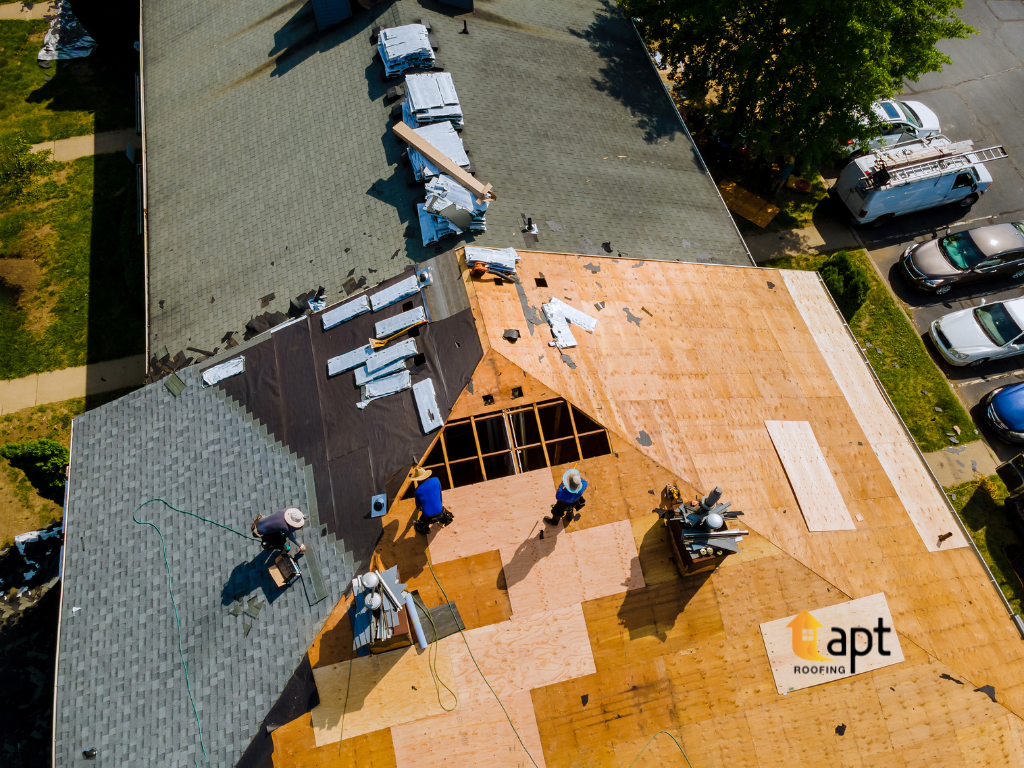
Roof replacement may become more practical when damage is widespread.
It may also suit a roof that has reached a stage where individual repairs no longer provide reliable performance.
Replacement is a larger project, so the reason should be clearly explained.
Review Repeated Leaks and Widespread Material Failure
Recurring leaks can indicate a broader issue.
The problem may involve several cracked tiles, failing flashings or ageing roof membranes. Metal roofing may show extensive rust or repeated fastener failure.
A large number of temporary patches can also make future repairs harder.
Each patch may address one location without improving the full roof system.
Ask the roofer to explain how much of the roof is affected.
Photographs can help the homeowner understand the recommendation.
Roof replacement in Sydney may be considered when deterioration affects several sections or major roof components.
However, replacement should not be recommended without a clear condition assessment.
Consider Future Maintenance and Whole-Roof Performance
The immediate repair price is not the only factor.
Homeowners should also consider how often further work may be needed.
Several small repairs over a short period can create disruption and uncertainty. A planned replacement may provide a clearer long-term approach when the roof is broadly deteriorated.
Replacement can also allow related issues to be reviewed.
These may include drainage, ventilation, flashing details and roof penetrations.
The existing roof design still matters.
A new surface will not solve poor drainage unless the project addresses the cause.
Ask what the replacement will improve beyond appearance.
The proposal should explain the new materials, preparation and related work.
Compare Roofing Materials and Project Requirements
The roof material affects the repair method.
Tile, metal and mixed roof systems each have different components and installation needs.
A suitable contractor should understand the existing system.
Understand Tile, Metal and Mixed Roof Systems
Tile roofs may use concrete or terracotta products.
Repairs can involve replacing tiles, adjusting ridge capping or correcting flashing. The underlay and battens may also need inspection.
Metal roofing uses sheets, flashings and fasteners.
Leaks may occur around screws, laps, penetrations or roof edges. Corrosion can also develop where water or debris remains trapped.
Some properties contain more than one material.
An extension may have metal roofing while the original home has tiles.
The contractor should explain how the different sections connect.
APT Roofing states that it works with roof tiles and corrugated roofing. Its published services also include roof repairs, replacement, restoration, ventilation, guttering and downpipes.
Confirm which services apply to the property before accepting a quote.
Review Access, Drainage, Ventilation and Related Work
Site access can affect the project.
Steep roofs, narrow driveways and neighbouring buildings may require additional planning.
The contractor may need scaffolding or other access equipment.
Drainage should also form part of the assessment.
Blocked or damaged gutters can cause overflow. Poor downpipe performance may also direct water towards the building.
NSW SES recommends cleaning gutters, downpipes and drains to prevent water from backing up beneath the eaves.
Ventilation may require review where heat or moisture builds up in the roof space.
Older properties may also contain asbestos products.
Only appropriately qualified and authorised professionals should handle asbestos-related work. Ask the contractor to explain the process when suspected materials are present.
Check Quotes, Licensing and Workmanship Details
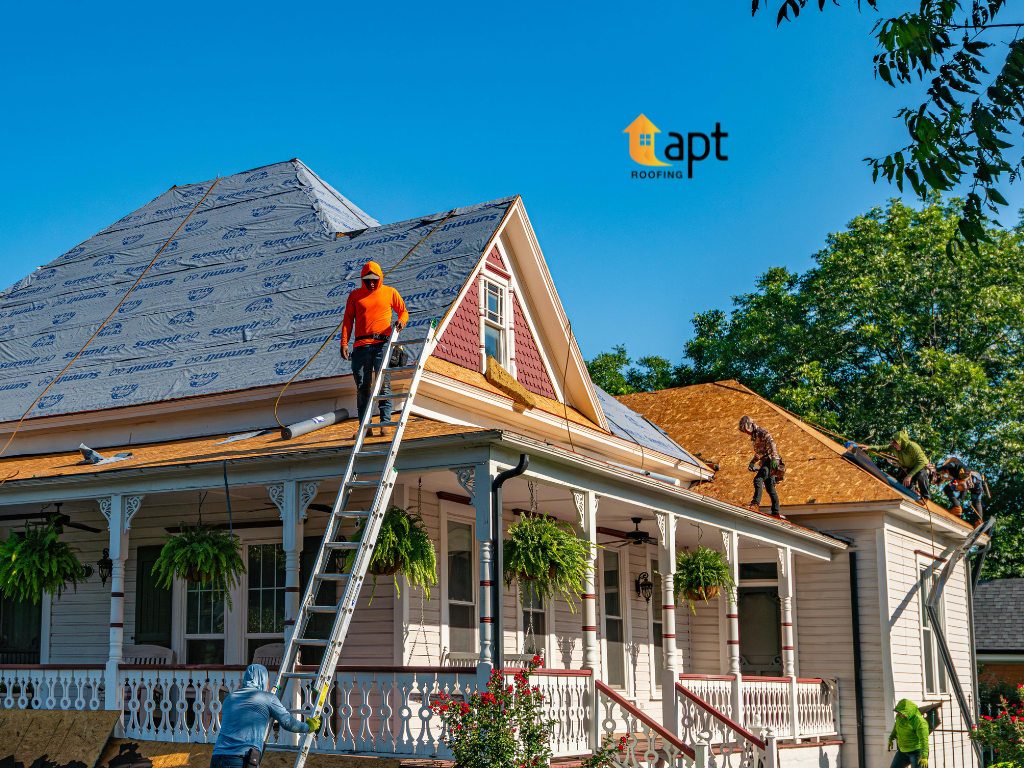
A detailed quote helps homeowners compare roofing companies fairly.
The lowest total may not include the same work as another proposal.
Read the scope before comparing prices.
Compare the Written Scope Rather Than Price Alone
The quote should describe the affected roof area.
It should state whether the work involves repair, restoration or replacement.
Look for material names and profiles.
The document should also explain preparation, disposal and access requirements.
Ask whether gutters, flashing and damaged timber are included.
Clarify what happens when hidden damage appears after the roof is opened.
The quote should identify exclusions.
This may include internal ceiling repairs, electrical work or asbestos removal.
Also review the payment schedule and warranty terms.
Do not rely on verbal promises for important project details.
A written scope reduces uncertainty before work starts.
Verify Licences, Insurance and Relevant Experience
Confirm the contractor’s business and licence information.
Ask for evidence of relevant insurance.
Experience with one roof type does not automatically prove experience with every system.
A roofer in Sydney should be able to explain similar work without making unsupported claims.
APT Roofing publishes NSW contractor licence number 202745C. Its Western Sydney service-area page also lists public liability and workers compensation details. These details should still be confirmed directly before work begins.
Review communication as well.
The contractor should answer questions clearly and explain any change to the scope.
Avoid pressure to approve work immediately unless urgent safety measures are genuinely required.
Know When to Contact a Roofing Company
Some warning signs need prompt attention.
Waiting can allow water to affect insulation, ceilings or timber.
However, homeowners should avoid unsafe inspections.
Arrange an Assessment After Leaks, Storms or Repeated Repairs
Contact a roofer when water enters the home.
Also arrange an assessment after visible storm damage, missing tiles or lifted metal sheets.
NSW storm season usually runs from September to April, although major storms can occur throughout the year. Severe storms may bring heavy rain, strong winds and hail capable of damaging roofs and skylights.
Repeated gutter overflow may also need investigation.
The cause could involve blocked drainage, roof design or damaged components.
A roof repairs service in Sydney may also be useful before storm season.
Preventive inspection can identify loose materials or maintenance needs before severe weather.
During an active storm, place personal safety first.
For emergency flood or storm assistance in NSW, contact NSW SES on 132 500. Call Triple Zero for life-threatening emergencies.
Prepare Useful Information Before the Inspection
Tell the contractor where the leak appears.
Explain when it happens and whether wind direction affects it.
Provide photographs from safe locations.
Include images of ceiling stains, gutters or visible exterior damage.
Share previous repair details.
The roofer should know which areas have already received work.
Also explain access conditions.
Mention locked areas, pets, limited driveways or strata approval requirements.
For strata or managed properties, identify the person authorised to approve work.
Good information helps the contractor prepare for the inspection.
It does not replace the need to examine the roof.
Choose Between Repair and Replacement With Confidence
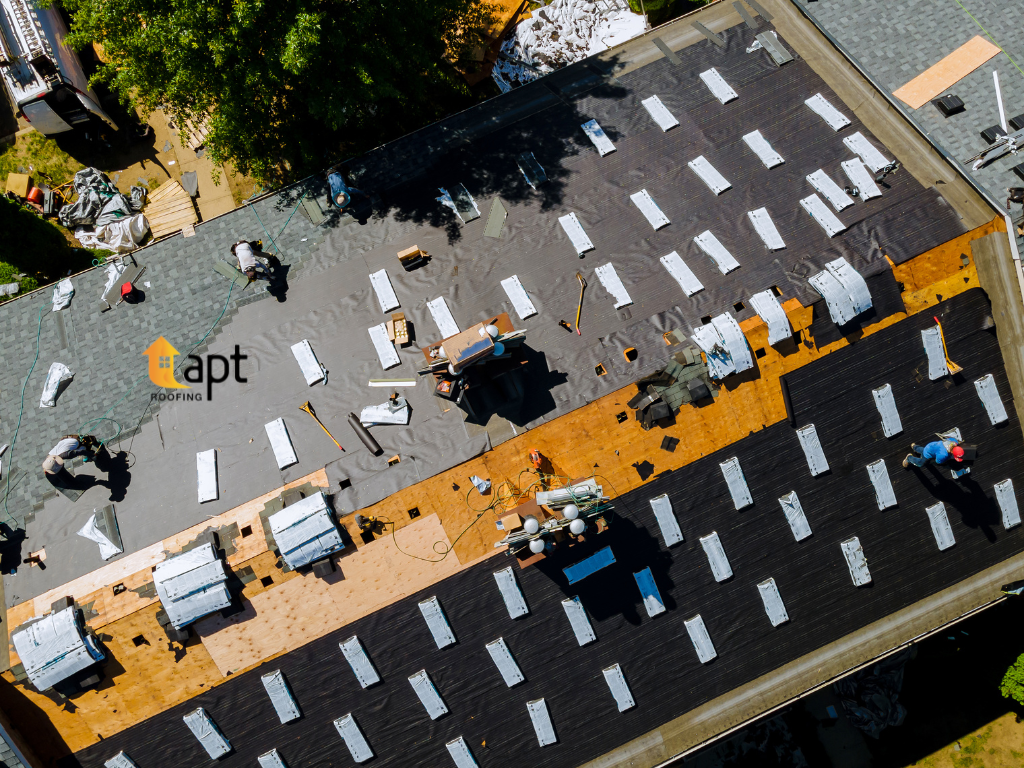
The final decision should reflect the full roof condition.
A small repair may be enough for isolated damage. Replacement may suit widespread or repeated failure.
The contractor should explain the reasoning in plain English.
Match the Solution to the Roof’s Condition and Long-Term Needs
Review the location and amount of damage.
Then consider the surrounding materials and previous repair history.
A recent roof with one broken component may only need repair.
An older roof with repeated leaks across several areas may need a broader solution.
Budget matters, but the cheapest immediate option may not always provide the best long-term value.
At the same time, homeowners should not approve replacement when a sound repair can solve the problem.
Ask for photographs and a clear description.
A trustworthy roofer Sydney homeowners engage should show why the proposed work matches the roof condition.
APT Roofing provides residential, strata, real estate and insurance roofing services across Sydney. Its published service range includes repair, replacement, restoration, new roofing, ventilation, guttering and downpipes.
Confirm the exact scope and availability for your property.
Confirm the Final Scope Before Work Begins
Read the final quote carefully.
Check the material, colour and roof area.
Confirm whether scaffolding, waste removal and related repairs are included.
Ask how weather delays will be managed.
Roofing work may need suitable dry and safe conditions.
Review the start date and expected duration.
Also confirm who will communicate project updates.
Keep copies of the quote, variations, invoices and warranties.
For insurance-related damage, contact the insurer before authorising non-emergency work where required.
Homeowners comparing roofing repairs Sydney services can contact APT Roofing to arrange an assessment and discuss whether repair, restoration or replacement suits the property.