
When a roof begins leaking or showing visible damage, homeowners often face a difficult decision. A small repair may solve the problem, but there is also a risk of spending money on repeated patches when the roof needs broader restoration or replacement.
The right answer depends on the cause of the problem, the condition of the surrounding materials and how much of the roofing system has been affected. A cracked tile, damaged flashing or isolated area of corrosion may require only a targeted repair. However, recurring leaks in different locations or deterioration across a large area may require a more complete solution.
For homeowners comparing roof repairs St George services, it is important to understand what each option includes before approving work. This guide explains the differences between repair, restoration and replacement, as well as what to check when reviewing roofing quotations.
The difference between repair, restoration and replacement
A roof repair normally addresses a specific fault. This may involve replacing damaged tiles, repairing flashing, resealing a penetration, fixing a gutter connection or correcting an isolated area of metal roofing.
Roof restoration is broader. It generally involves repairing several areas and completing preparation or finishing work intended to improve the overall roof condition. The exact process depends on whether the roof is tiled, metal or made from another material.
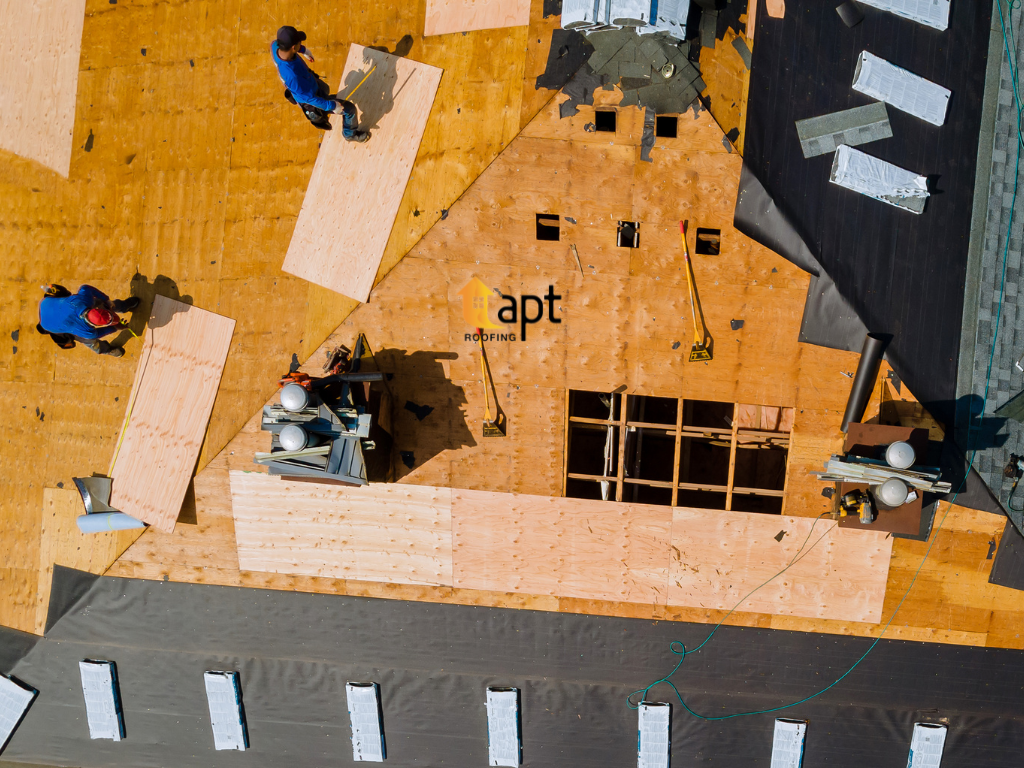
A roof replacement involves removing some or all of the existing roof covering and installing a new roofing system. Replacement may also require work involving sarking, battens, flashing, drainage details and other components beneath or around the visible roof surface.
These services should not be treated as interchangeable. A repair is unlikely to resolve widespread deterioration, while complete replacement may be unnecessary when the damage is genuinely limited to one serviceable area.
Why a proper inspection should come first
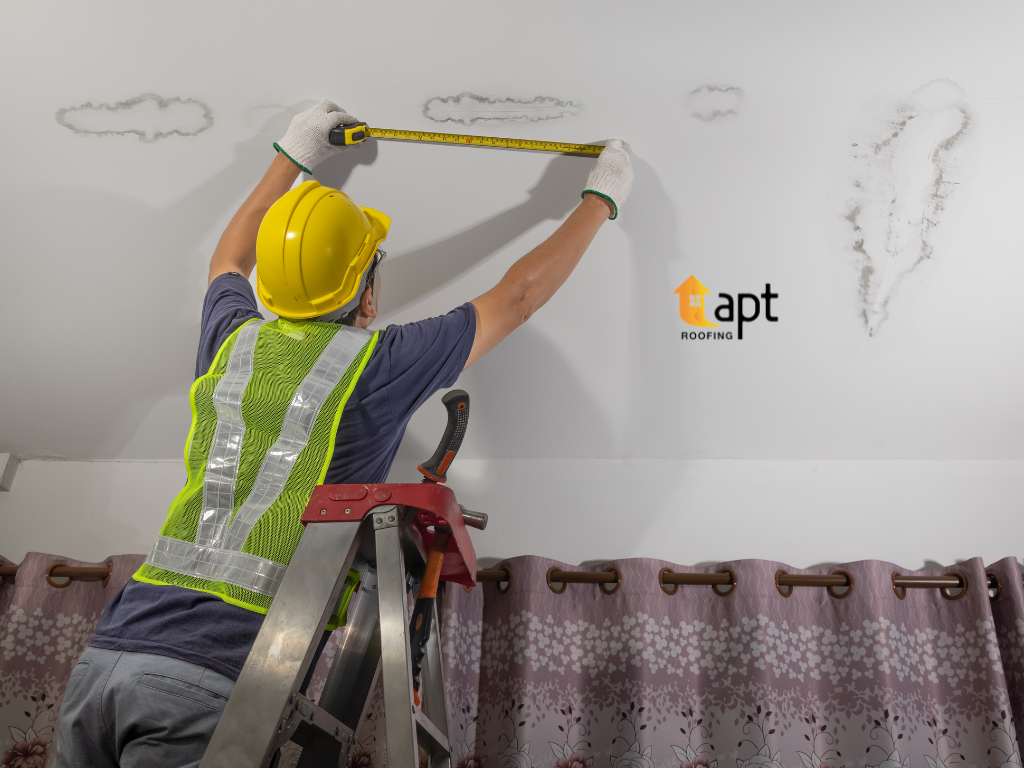
The visible problem does not always reveal the original fault. A stain on a bedroom ceiling may be caused by damaged flashing, a cracked tile, a blocked valley or water entering around a roof penetration several metres away.
Water can travel along framing, insulation and ceiling surfaces before becoming visible inside the home. This means repairing only the area directly above the stain may fail to stop the leak.
A proper inspection should consider the roof covering, ridge capping, valleys, flashing, gutters, downpipes and penetrations such as vents, skylights and antennas. Where safe access is available, the roof space may also provide evidence of moisture movement.
The contractor should explain what appears to be causing the problem and whether nearby materials remain in suitable condition. This gives the homeowner a clearer basis for choosing between repair, restoration and replacement.
When a Targeted Roof Repair May Be Enough
A targeted Roof Repair in St George and Sutherland Shire may be suitable when the damage is limited and the rest of the roof remains serviceable.
Examples include a small number of cracked or displaced tiles, a damaged flashing section, a loose metal sheet, deteriorated sealant around a penetration or a local gutter connection that is allowing water to enter.
The repair should address the original cause rather than only the internal symptom. Painting over a ceiling stain, for example, will not prevent further damage if the opening in the roof remains untreated.
A useful repair quotation should identify the exact area to be addressed, the materials to be replaced or repaired and whether any related internal work is included.
Signs that the surrounding roof remains serviceable
The size of the visible fault is only part of the decision. The contractor should also check the condition of the materials around it.
A single broken tile can usually be replaced, but the repair may be less straightforward when many nearby tiles are brittle, cracked or difficult to match. Similarly, a small rust spot on a metal roof may be repairable, while deep corrosion around several fixings may indicate a broader problem.
The condition of the underlay, battens, flashing and drainage paths should also be considered where relevant. Moisture can spread beneath the roof covering even when the surface damage appears small.
A targeted repair is most suitable when the cause is clear, the affected area is limited and the surrounding roofing system can continue performing as intended.
When Roof Restoration May Be Worth Considering
Broader deterioration without complete roof failure
Roof restoration may be considered when several areas need attention but the roofing system does not necessarily require complete replacement.
For a tiled roof, this may involve replacing damaged tiles, repairing or renewing deteriorated ridge bedding and pointing, addressing flashing problems and preparing the surface for an appropriate finishing system.
For metal roofing, broader work may include treating suitable surface corrosion, replacing damaged fasteners, repairing flashings and addressing seams or penetrations. The correct process depends on the material and the depth of deterioration.
Restoration should not be presented as a cosmetic solution when the roof has serious underlying problems. Coating over cracked, loose or heavily corroded materials without proper preparation is unlikely to provide a dependable result.
What restoration work may include
A clear restoration scope should describe the preparation work, repairs, replacement components and finishing products being proposed.
Preparation is particularly important because coatings and sealants depend on suitable surfaces. Dirt, loose material, biological growth and deteriorated coatings may need to be removed before new products are applied.
The quote should also explain which components are excluded. Gutters, downpipes, internal ceiling repairs, structural timber, solar panel removal and electrical work may not be included unless specifically listed.
Homeowners considering roof restoration in St George and Sutherland Shire should ask why restoration is considered suitable and how the contractor has confirmed that the existing roof remains serviceable.
When Roof Replacement May Be the Better Choice
A Roof Replacement in St George and Sutherland Shire may need to be considered when the roof has problems across several areas or when previous repairs have failed to provide a lasting result.
Possible warning signs include recurring leaks in different rooms, extensive corrosion, widespread tile deterioration, failing roof components and difficulty sourcing compatible replacement materials.
Replacement may also be worth assessing when repeated repairs require frequent spending but do not improve the overall reliability of the roof.
These signs do not automatically prove that a replacement is required. The recommendation should be supported by a clear inspection and an explanation of why repair or restoration is unlikely to provide a suitable result.
Comparing immediate repair costs with long-term value
A lower-cost repair can be the right choice when the fault is isolated. However, repeated repairs can become poor value when each new weather event exposes another weak area.
Homeowners should consider how often the roof has leaked, whether faults are appearing in new locations and whether major home improvements are planned. Solar panel installation, insulation upgrades or other renovations may affect the timing of roof work.
When reviewing a roof replacement St George quotation, compare the complete scope. It should explain the proposed roofing material, removal and disposal of existing materials, sarking or underlay where required, flashing, edge details, drainage connections and site access.
The decision should be based on condition and expected performance rather than simply choosing the largest or cheapest service.
How to Choose the Right Roofing Service
Match the service to the roof material and condition
Different roofing materials require different repair methods. A contractor working on tiled roofs needs relevant knowledge of tile replacement, bedding, pointing, valleys, flashing and associated roof components.
Metal roofing work may involve sheets, fasteners, laps, flashings, penetrations, corrosion and roof drainage. Roof plumbing is regulated trade work in NSW and covers activities involving guttering, downpipes, roof flashing and certain roof coverings.
Roof tiling is also regulated work in NSW and includes tile installation, bedding, pointing, flashing valleys, sarking and battens.
When choosing a Roofer in St George and Sutherland Shire, ask whether the contractor has relevant experience with the property’s roofing material and the specific type of problem being assessed.
Compare written scopes rather than price alone
Two quotations may have very different prices because they include different work. One may cover only the visible repair, while another may include preparation, access equipment, flashing replacement, disposal and follow-up work.
A useful quotation should explain what has been found, what will be repaired, which materials will be used and what is excluded. It should also state whether the work is temporary or permanent.
Ask what happens if additional damage is discovered after materials are removed. Any possible variation process should be explained before work begins.
Warranty information should also be provided in writing. Review whether the warranty covers workmanship, products or both, as well as any maintenance conditions or exclusions.
Before engaging a contractor, NSW homeowners can check licence details using the Service NSW public register. Searches can be completed using a licence number, business name, ABN or location.
How Maintenance Supports a Longer-Lasting Repair
Roof Maintenance in St George and Sutherland Shire should consider more than the visible roof surface. Gutters, downpipes and valleys must be able to direct water away from the building.
Leaves and other debris can restrict drainage, particularly around valleys, gutter outlets and properties near established trees. Water may then overflow or move beneath roofing materials during heavy rainfall.
Flashing around chimneys, walls, skylights and roof penetrations should also be monitored. Loose or deteriorated flashing can allow water into the roof even when nearby tiles or metal sheets appear undamaged.
Maintenance does not prevent every roofing problem, but it can help identify damaged components before moisture reaches ceilings and internal finishes.
Arrange inspections after storms or recurring leaks
A roof should be assessed after visible storm damage, falling branches or significant movement of roof materials. Homeowners should avoid climbing onto wet or damaged roofing and should inspect only from safe locations.
Recurring leaks also justify a broader inspection. When the same area has already been patched, the previous work may not have addressed the original entry point.
People searching for roof repairs Hillsdale or roof repairs South Eastern Sydney should provide the contractor with useful background information. Explain when the leak appears, which rooms are affected and whether wind direction or prolonged rain changes the problem.
Photographs taken safely from inside the home or at ground level can help document the issue, but they should not replace an on-site assessment.
When to Contact APT Roofing

Arrange an assessment when the right solution is unclear
Professional advice is useful when you cannot tell whether the roof needs a small repair, a broader restoration or replacement.
You should arrange an assessment when ceiling stains return, roof materials appear damaged, gutters regularly overflow or previous repairs have not stopped the problem.
APT Roofing can be contacted when homeowners need help assessing roof damage in St George or nearby South Eastern Sydney areas. The purpose of the assessment should be to identify the likely cause and prepare a clear scope of work.
A responsible recommendation should explain why the proposed service is appropriate rather than pressuring the homeowner to approve the largest job.
Prepare useful information before requesting a quote
Before contacting a roofing company, record when the problem began and whether it occurs during every rainfall event or only in particular conditions.
Describe the roof material, visible damage and any previous repairs. It is also useful to mention recent work involving solar panels, skylights, ventilation, antennas or other roof penetrations.
Take photographs of ceiling marks, gutter overflow or visible exterior damage from a safe position. Keep previous invoices or reports available because they may explain which areas have already been repaired.
By providing accurate information and comparing complete written scopes, homeowners can make a more informed decision about roof repairs St George services. The most suitable option should address the cause of the problem, match the condition of the roof and provide a clear path for future maintenance.