Purchasing reliable refrigeration equipment is an important investment for cafés, restaurants and commercial kitchens. However, paying the full purchase price upfront is not always practical, particularly when businesses are managing other operating expenses. Commercial refrigerator financing offers an alternative by allowing eligible businesses to spread certain equipment costs over an agreed period.
For Australian hospitality operators, choosing between leasing, financing and buying outright involves more than comparing monthly payments. Equipment ownership, contract conditions, maintenance responsibilities and long-term costs can all influence the decision.
A new café may prefer to preserve working capital, while an established restaurant might find outright purchasing more suitable for equipment it expects to use for many years.
Understanding these differences can help businesses choose refrigeration equipment and payment arrangements that suit their operations.
What Is Commercial Refrigerator Financing and How Does It Work?
Understanding Commercial Refrigerator Financing for Australian Businesses
Commercial refrigerator financing allows businesses to obtain refrigeration equipment through an agreed funding or payment arrangement rather than necessarily paying the entire purchase price upfront.
Depending on the provider, financing may be available for upright commercial fridges, underbench refrigeration, display cabinets and other eligible equipment.
Repayments are generally made over a specified period, with conditions determined by the finance agreement.
Some arrangements require a deposit, while others may involve establishment fees, interest or an end-of-term payment.
Finance approval is not automatic. Providers may assess business circumstances, financial information and equipment value before offering an agreement.
Before applying, business owners should confirm the total amount payable, repayment frequency and ownership conditions.
Exploring Different Ways to Finance Refrigeration Equipment
Australian hospitality businesses may have several ways to obtain refrigeration equipment.
A commercial fridge lease generally allows a business to use equipment owned by a leasing provider in exchange for agreed payments.
An equipment loan provides borrowed funds for a purchase, while a chattel mortgage typically allows the business to own the equipment subject to the lender’s security interest.
Hire purchase arrangements generally involve instalments and ownership conditions specified in the agreement.
Businesses can also purchase refrigeration equipment outright using available funds.
Each option has different financial obligations, making it important to understand the contract before choosing.
Is Leasing or Buying a Commercial Refrigerator Better?
Comparing a Commercial Fridge Lease With Outright Purchase
A commercial fridge lease may appeal to businesses that want to avoid a large upfront equipment purchase.
Instead of paying the full price immediately, the business makes regular payments under an agreed contract.
This can help preserve cash for other expenses, but the total amount paid may exceed the equipment’s outright purchase price.
Leasing also does not necessarily provide ownership at the end of the agreement.
Buying outright requires more available funds initially, but the business generally owns the equipment immediately.
Ownership may be attractive to operators planning to use a refrigerator for many years.
The better option depends on the business’s financial position, expected equipment lifespan and willingness to accept ongoing payment commitments.
How Commercial Refrigerator Financing Affects Cash Flow
Commercial refrigerator financing can help businesses distribute equipment expenses across several months or years.
For cafés and restaurants, this may leave more available funds for stock, wages, rent and other operating requirements.
However, regular repayments become an ongoing financial commitment.
A lower monthly payment does not automatically mean a more affordable agreement.
Longer repayment terms can sometimes increase the total amount paid through interest and fees.
Business owners should compare expected repayments with realistic operating income and other financial commitments.
The goal is to choose an arrangement that supports the business without creating unnecessary financial pressure.
What Are the Differences Between Leasing, Renting and Rent-to-Buy?

Understanding Rent to Buy Commercial Fridge Arrangements
A rent to buy commercial fridge arrangement may allow a business to use refrigeration equipment while making regular payments towards a possible future purchase.
However, the terms can vary significantly.
Some agreements include an option to purchase the equipment after a specified period. Others may require an additional payment before ownership can transfer.
Business owners should check whether payments contribute towards the final purchase price and whether ownership transfers automatically or requires further action.
Early termination charges, additional fees and equipment return conditions should also be reviewed.
Before signing, request written confirmation of the total amount needed to acquire the refrigerator.
When Commercial Refrigerator Rental May Be More Practical
Commercial refrigerator rental may suit businesses that need equipment for a limited period.
For example, catering businesses may require additional refrigeration for events, while restaurants could need temporary equipment during renovations or replacement work.
A commercial fridge on rent can provide access to equipment without an immediate purchase.
However, rental terms may include minimum periods, delivery charges, servicing conditions and equipment return requirements.
Businesses should also establish who is responsible for repairs or damage.
Rental may offer flexibility for temporary requirements, while purchasing or longer-term financing could be more suitable for equipment used continuously over many years.
What Costs Should You Consider Before Financing a Commercial Fridge?
Calculating the Total Cost of Commercial Refrigerator Financing
The total cost of commercial refrigerator financing should be considered before comparing payment options.
Important expenses may include deposits, interest, establishment fees, ongoing repayments and potential end-of-term payments.
Delivery, installation and any required electrical or plumbing work may also affect the final cost.
For example, a refrigerator advertised with affordable monthly repayments could cost more overall when additional fees and a final residual payment are included.
Businesses should request a written finance quotation showing the full payment schedule.
Compare the total amount payable with the equipment’s outright purchase price.
Also review early repayment conditions and any charges associated with ending the agreement before its scheduled completion.
Understanding the complete cost provides a more useful comparison than looking at monthly payments alone.
Understanding Maintenance, Energy and Operating Expenses
Refrigeration expenses continue after the equipment has been delivered.
Commercial fridges consume electricity throughout daily operation, and running costs vary according to equipment size, efficiency, usage and operating conditions.
Maintenance, servicing and replacement components should also be considered.
Australian energy efficiency guidance recommends comparing refrigerated cabinets of similar type, size and operating temperature when reviewing energy performance.
A lower purchase price may not provide the best overall value if the equipment has high operating costs.
Under rental or leasing arrangements, maintenance responsibilities depend on the contract.
Some providers may include servicing, while others require the customer to arrange maintenance separately.
Businesses should confirm warranty coverage, repair arrangements and ongoing costs before making a decision.
Which Refrigeration Equipment Should Your Business Choose?
Selecting Commercial Refrigeration Equipment for Your Kitchen
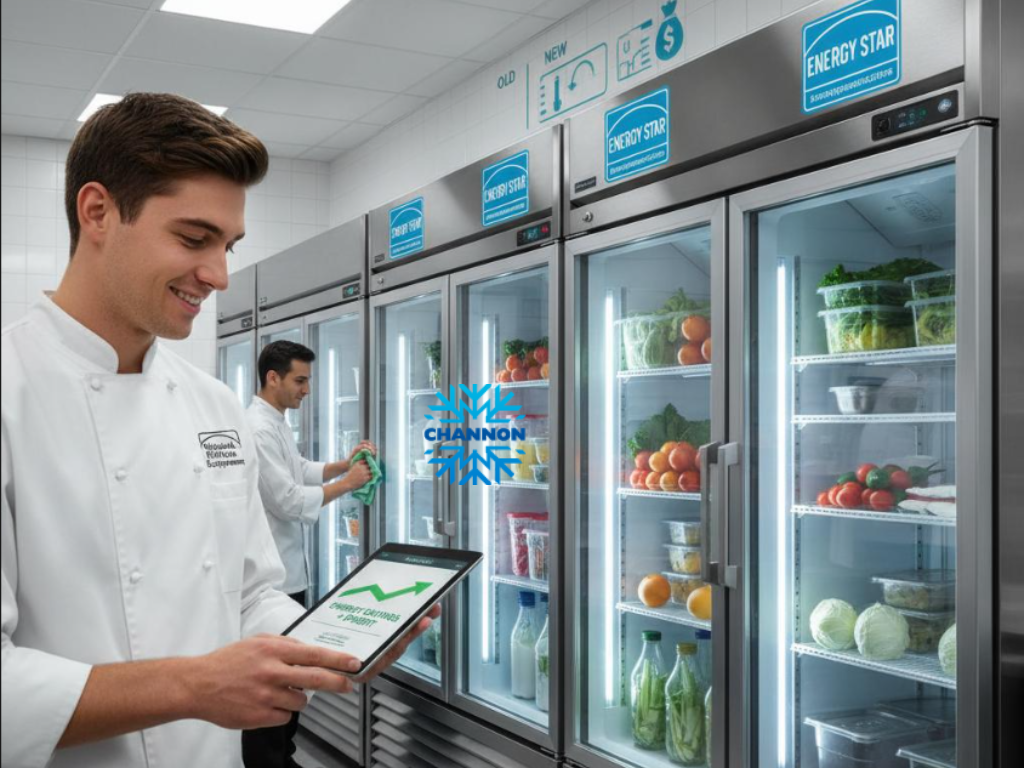
Choosing suitable commercial refrigeration equipment starts with understanding the business’s food storage requirements.
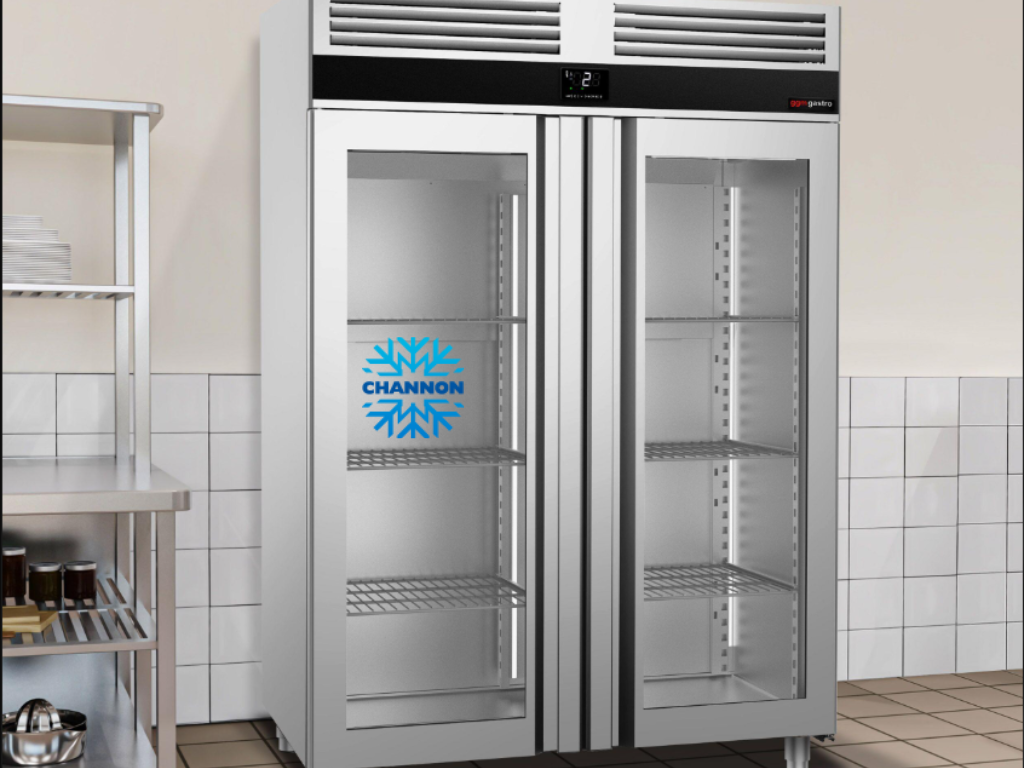
Upright commercial refrigerators may suit kitchens requiring accessible refrigerated storage.
Underbench fridges can provide convenient access to ingredients in preparation areas where space is limited.
Refrigerated display cabinets allow cafés and food retailers to present chilled products, while commercial freezers support frozen storage requirements.
Before selecting equipment, consider internal capacity, external dimensions, operating temperature, door configuration and available ventilation space.
Food businesses must also ensure their refrigeration arrangements support applicable food safety requirements.
In Australia, potentially hazardous food generally needs to be kept at 5°C or below, unless another safe arrangement permitted by the Food Standards Code applies.
The most suitable refrigerator is one that meets practical storage needs and can maintain the required conditions during normal business use.
Comparing Commercial Fridges Sydney Businesses Can Purchase
Businesses researching commercial fridges Sydney suppliers offer should compare more than the advertised price.
Equipment capacity, warranty conditions, energy consumption, temperature performance and available servicing support can all affect long-term suitability.
For cafés and restaurants in Sydney or Western Sydney, delivery access and installation arrangements may also be important.
Measure kitchen doorways, equipment spaces and access routes before ordering.
Confirm whether the refrigerator requires a particular electrical connection or other installation considerations.
Businesses should also check local service availability and replacement parts support.
If financing is important, ask whether the supplier offers payment arrangements or works with independent finance providers.
Not every refrigeration supplier offers leasing or finance, so available options should be confirmed directly.
How Do You Choose the Right Refrigeration Supplier or Finance Provider?
Comparing Catering Equipment Finance and Supplier Payment Options
Choosing the right supplier involves assessing equipment suitability, product support and available purchasing arrangements.
Some suppliers may offer outright purchases only, while others may provide access to catering equipment finance through external providers.
Business owners should confirm who supplies the refrigeration equipment and which organisation provides the financing.
These may be separate businesses with different responsibilities.
When comparing commercial refrigerator financing, review eligibility requirements, deposits, fees, ownership conditions and repayment arrangements.
Channon is an option for businesses researching commercial refrigeration equipment and discussing suitable product requirements.
Before making a purchase, confirm available models, specifications, warranty arrangements and whether any financing or rental options are offered.
A reliable comparison should consider the refrigeration equipment and the proposed payment agreement separately.
Questions to Ask Before Signing a Refrigeration Agreement
Before committing to refrigeration equipment, ask for a clear written explanation of the payment arrangement.
Confirm who owns the refrigerator during the agreement and whether ownership will transfer at the end.
Ask about the deposit, repayment frequency, interest, establishment fees and any final payment.
It is equally important to clarify early termination conditions and what happens if the business no longer needs the equipment.
For leased or rented refrigeration, establish who is responsible for servicing, unexpected repairs and equipment damage.
Check whether the warranty remains applicable throughout the agreement.
Business owners should also seek advice from a registered tax professional about GST, deductions and other tax considerations, as the treatment can differ between financing arrangements.
These questions can help avoid misunderstandings after the agreement begins.
How Can You Make the Right Financing Decision for Your Business?
Matching Commercial Refrigerator Financing to Your Business Needs
The best commercial refrigerator financing arrangement depends on how the business operates and how long the equipment is expected to remain in use.
A newly established café may prioritise retaining available funds for everyday expenses.
An established restaurant replacing an older refrigerator may prefer outright ownership if sufficient capital is available.
Businesses with temporary refrigeration requirements may find rental arrangements more appropriate.
When comparing options, consider the total agreement cost, equipment lifespan, maintenance responsibilities and flexibility.
It is also important to account for possible changes in business demand.
No single financing arrangement is suitable for every hospitality business.
A decision based on realistic financial circumstances and equipment requirements is more useful than choosing the option with the lowest advertised repayment.
Preparing for Your Refrigeration Purchase or Finance Application
Before approaching a supplier, identify the type of refrigeration equipment required and the available budget.
Request equipment quotations that include relevant specifications, delivery requirements and warranty details.
If financing is being considered, ask about application requirements and supporting documentation.
Depending on the provider, businesses may need to supply identification, registration details and financial information.
Compare the full terms of available agreements before accepting an offer.
For cafés, restaurants and commercial kitchens reviewing refrigeration requirements, Channon can be contacted to discuss suitable equipment and available purchasing arrangements.
Ultimately, commercial refrigerator financing should help a business obtain appropriate refrigeration equipment without overlooking its long-term financial responsibilities.
Whether leasing, renting, financing or buying outright, the right decision starts with understanding the complete costs, contract conditions and operational needs.