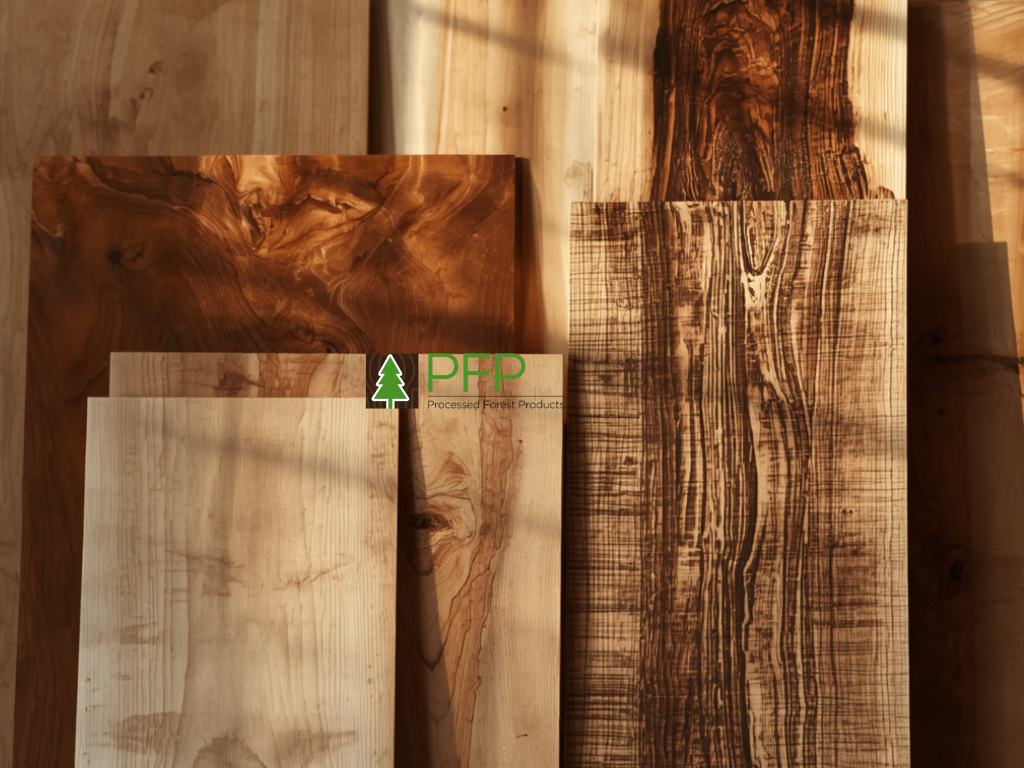
Timber veneer can bring natural warmth and grain to cabinetry, furniture, doors and wall panels. It also uses a thin layer of decorative timber over a supporting board. However, this alone does not prove that a veneer has responsible or sustainable origins.
Buyers need clear information about the timber species, source and supply chain. Certification can support this review, but only when it applies to the actual product and transaction. General terms such as “eco-friendly,” “green” or “sustainably sourced” do not provide enough detail on their own.
When comparing timber veneer sydney suppliers, ask for evidence that relates to the product you plan to purchase. This guide explains what to request and how to record the information in your project brief.
Understanding the journey from forest to finished veneer
A veneer passes through several stages before it reaches an Australian project. The process begins with growing and harvesting the tree. It may then involve log trading, slicing, drying, grading, matching and pressing.
Different businesses may handle each stage. The veneer could also cross national borders before reaching the final supplier. This makes sourcing more complex than checking the name of the timber species.
A supplier should be able to explain what it knows about the product’s origin. Useful details may include the species, country of harvest and place of manufacture. The supplier may also hold certification or documents from earlier stages of the chain.
Buyers should ask whether they are purchasing raw veneer leaves, joined veneer, pressed panels or finished boards. Each product may involve different materials and suppliers.
This context helps you ask better questions. It also shows why a broad statement about sustainability cannot replace product-specific information.
Separating supported sourcing information from broad claims
Sustainability covers several issues. These may include forest management, legal harvest, biodiversity, transport, manufacturing and product life. One claim rarely covers all these areas.
Ask what a supplier means when it describes a timber veneer nsw as sustainable. Does the claim refer to forest certification, legal sourcing or efficient use of timber? Does it apply to one product or the supplier’s entire range?
The evidence should match the wording. For example, a company policy may explain sourcing goals, but it does not prove that every product carries certification. A certificate may cover the business, yet a product still needs an eligible claim through the supply chain.
Avoid relying only on logos shown on a website. Check the certificate holder, scope, status and number. The purchase documents should also identify the relevant product claim where required.
Clear language helps everyone understand what has and has not been verified. It also reduces the risk of making unsupported statements in specifications, marketing or project reports.
Ask Where the Timber Species Comes From
Start with the common and botanical names of the timber species. Common names can refer to more than one species. A botanical name provides greater clarity when the source or conservation status matters.
Next, ask where the timber grew and where the veneer underwent processing. These locations may differ. A log may come from one country and become veneer or finished panels in another.
Origin information can help project teams review legal, environmental and supply risks. It may also affect lead times and future availability.
Some suppliers may not have information down to a specific forest. If that detail is unavailable, ask what level of origin information they can support. Do not present assumptions as facts.
For timber veneer manufacturer in Sydney or elsewhere in NSW, local stock does not always mean local timber. “Australian supplied” and “Australian grown” have different meanings. Product descriptions should make this distinction clear.
Identifying sourcing risks linked to rare or protected species
Some timber species face tighter trade controls or higher sourcing risks. Before specifying an unfamiliar or imported veneer, check its conservation and trade status.
The Convention on International Trade in Endangered Species of Wild Fauna and Flora, known as CITES, controls international trade in listed species. Requirements vary according to the species, listing and type of product. Ask the supplier whether any trade documents apply.
Legal supply does not automatically answer every sustainability question. It confirms a different part of the sourcing review. Certification, legal origin and conservation status should therefore remain separate checks.
You can also ask whether a similar-looking species offers easier sourcing or better availability. Natural and reconstructed wood veneers may provide different visual options.
A good specification names the approved species and any acceptable alternatives. It should also explain what evidence a proposed substitute must provide.
Understand Forest Certification and Its Scope
Checking which recognized certification system applies
Forest certification can provide independent assurance against a defined standard. Two names commonly seen in Australia are the Forest Stewardship Council, or FSC, and Responsible Wood.
Responsible Wood operates an Australian forest certification scheme endorsed by the Programmed for the Endorsement of Forest Certification, or PEFC. FSC operates its own certification and chain-of-custody system. The schemes have separate standards, claims and verification processes.
Do not treat the different labels as interchangeable. Record the scheme and claim required by the project. If a building rating tool, government contract or client policy sets a requirement, follow its exact wording.
You can verify certificate details through the relevant scheme’s public database. Check the certificate number, organist name, scope and current status. FSC provides a public certificate search, while Responsible Wood explains its Australian certification framework.
Certification should support a clear decision. It should not appear as a decorative logo with no link to the product.
Confirming that certification covers the supplied product
A supplier may hold certification without every product carrying a certified claim. The certificate scope and sales documents need to cover the relevant material.
Ask whether the exact veneer or panel can appear on the invoice with a valid claim. Confirm this before approving the product, especially when certification forms part of the project specification.
The claim may differ according to the scheme and material composition. Do not create or rewrite certification wording yourself. Use the wording that the certified supplier provides on valid transaction documents.
Also check which part of the product the claim covers. A veneered panel may contain decorative veneer, substrate, edging and adhesive. Certification for one component may not describe the complete panel.
If the supplier cannot provide a certified claim for the selected item, decide whether the project can accept other evidence. Record that decision rather than assuming the product meets the original requirement.
Find Out How Chain of Custody Is Documented
Chain of custody tracks forest-based material as businesses process and trade it. It helps connect an eligible forest source with the claim made on the final product.
Each certified organist must manage material according to the relevant scheme. This can involve identifying inputs, controlling records and applying approved claims to outputs.
The chain matters because veneer may pass through several businesses. These can include the veneer producer, panel manufacturer, distributor and joiner. A break in the certified chain may affect whether the next business can pass on a claim.
Australia’s AS 4707 standard covers chain of custody for forest and tree-based products under the Responsible Wood system. FSC uses its own chain-of-custody requirements.
Project teams do not need to become certification auditors. They should, however, know which documents to request and who will verify them.
Reviewing certificate numbers, invoices and product statements
Begin with the supplier’s certificate number. Confirm it through the official database instead of relying on an image of a certificate.
Next, review the quote, order confirmation and invoice. When a certified claim forms part of the purchase, the transaction documents should carry the required details and claim.
Product data sheets can add useful information about the species, finish and panel construction. However, a general data sheet may not prove the certification status of a specific order.
Keep the final documents with the project records. File names should identify the supplier, product and date. This makes later review easier.
Australia also has laws intended to combat illegal logging. The requirements apply to regulated activities and products, including due-diligence obligations for relevant importers and processors. Buyers should not assume that certification and legal due diligence mean the same thing. The Australian Government provides guidance on these obligations.
Check How the Veneer Is Manufactured and Supplied
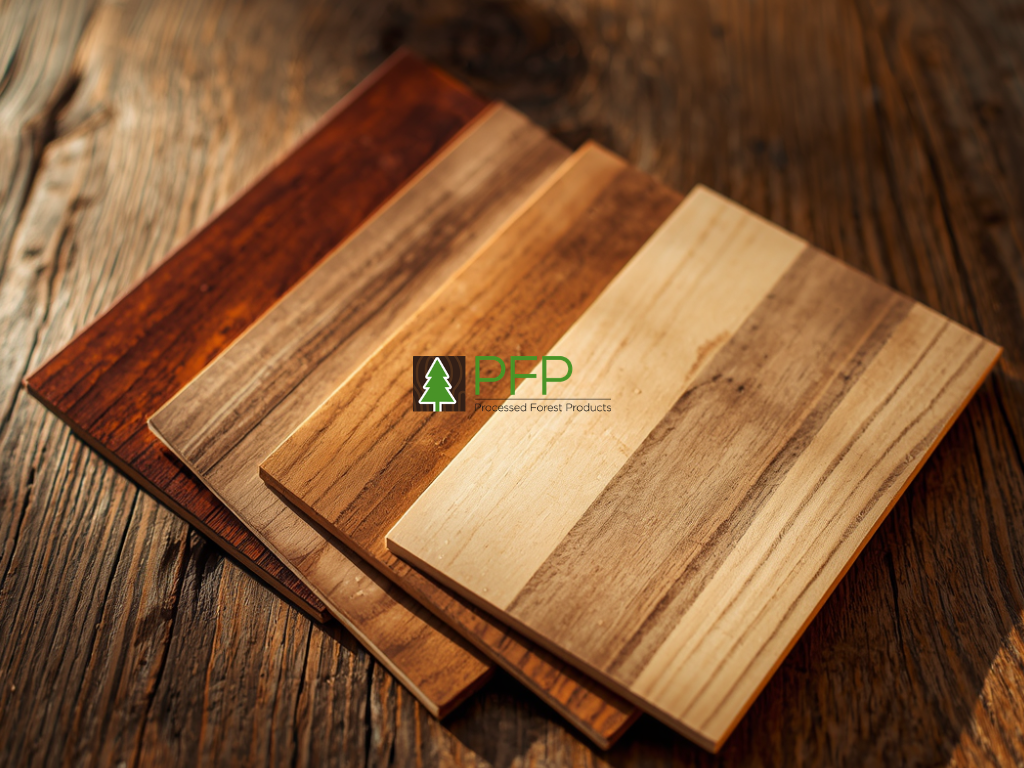
Comparing natural, reconstructed and dyed wood veneers
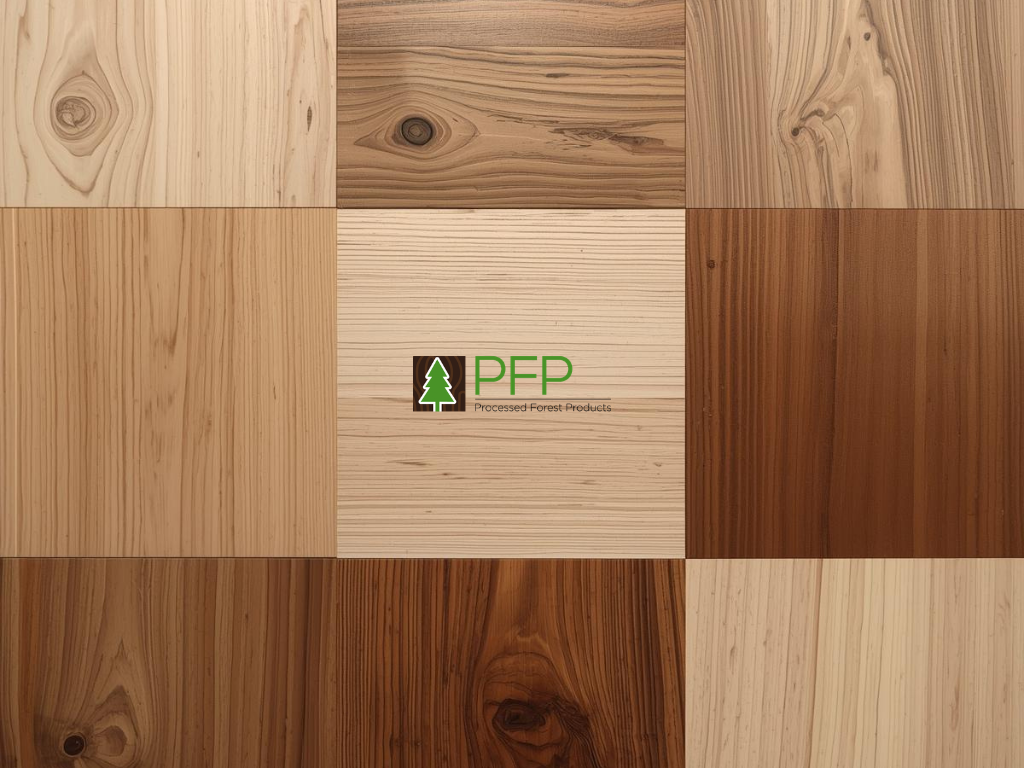
Natural timber veneer comes from sliced timber. Its grain, color and markings vary because wood is a natural material. Even leaves from the same log can show differences.
Reconstructed veneer usually uses timber fibers or veneers that manufacturers process and arrange to create a controlled pattern. It can offer greater visual consistency across repeat projects. The source material and manufacturing process still require review.
Dyed veneer changes the timber color through a manufacturing process. It can help achieve a specific design effect, but buyers should ask about color stability and finishing requirements.
None of these categories proves sustainability by itself. A natural veneer is not automatically responsibly sourced. A reconstructed product still needs evidence for its raw materials and supply chain.
Ask wood veneer suppliers to describe the product accurately. The description should state whether the veneer is natural, reconstructed, smoked, dyed or otherwise modified.
Asking about substrates, adhesives, finishes and edging
Many projects buy veneered panels rather than loose veneer leaves. In these products, the decorative face forms only one part of the finished board.
Ask which substrate sits beneath the veneer. Common options may include MDF, plywood or other panel products. The choice can affect weight, machining, moisture response and project suitability.
Adhesives and coatings also matter. Ask for technical data when the project has requirements for indoor air quality, emissions, moisture or fire performance. Do not assume that the veneer face determines the performance of the complete panel.
Edging should match the design and application. Options may include timber veneer edging, solid timber or another compatible finish. Check whether the edging comes from the same species or product range.
A complete product description helps buyers compare wood veneer supplies fairly. It also prevents a sustainability claim about the veneer face from being applied to every component without evidence.
Plan for Consistent and Responsible Project Supply
Natural veneer varies across leaves and logs. A small sample cannot show every grain feature that may appear on finished panels.
For large walls, doors or joinery, ask how the supplier will select and sequence the veneer. Book matching, slip matching and other arrangements create different visual effects.
The design team should approve the species, cut and matching method. It may also need to approve a larger sample, veneer flitch or representative panel before production.
Ordering enough material from the agreed selection can help maintain continuity. Future supply from another log may not match the original project.
Avoid ordering a large excess without a clear reason. Instead, discuss the project yield, reasonable allowance and likely future repair needs with the supplier or joiner.
Managing samples, batches, lead times and material changes
Label every approved sample with the product name, species and date. Add the supplier’s reference code where available. A loose sample without this information may create confusion later.
Ask whether the quoted material comes from current stock. Imported or made-to-order products may have longer lead times. Certification documents may also need confirmation before the order proceeds.
If the supplier proposes a substitute, review it as a new product. Check its origin, certification, appearance and construction. Do not approve it based only on a similar color.
Projects using timber veneer in NSW may involve several parties. The architect may select the appearance, while the joiner orders the panels. Clear records help keep the approved sourcing requirements attached to the purchase.
Internal project links can also support better decisions. Connect the veneer specification with the approved sample, certification records, finishing schedule and joinery drawings.
Compare Suppliers Using Clear Sourcing Evidence
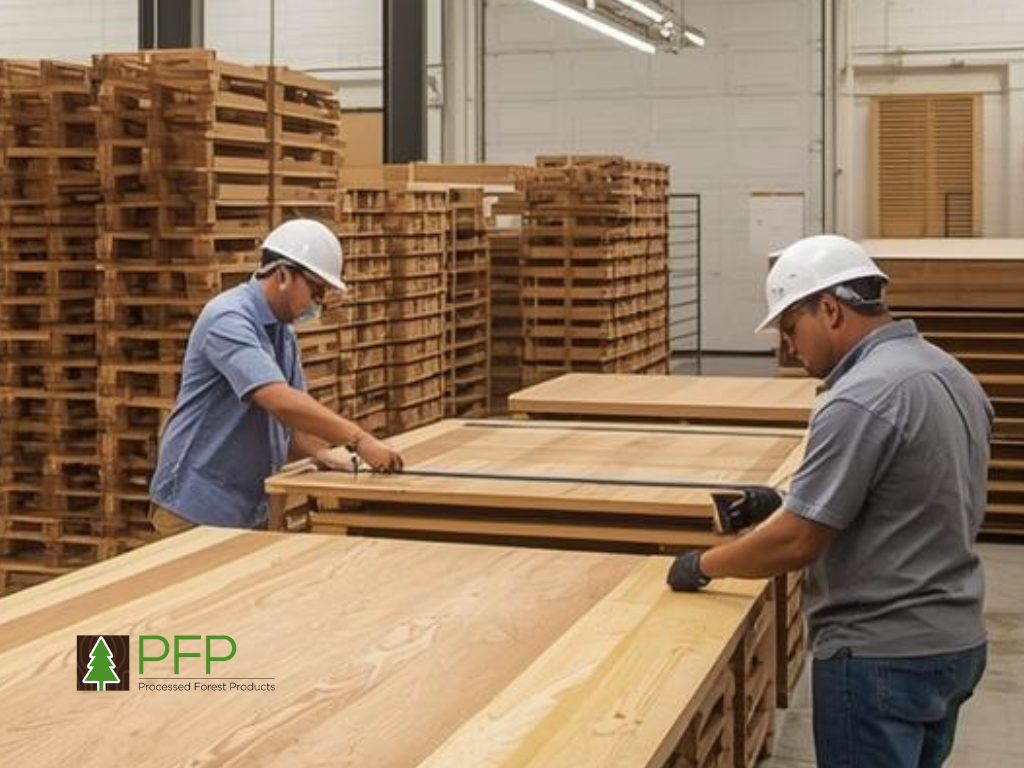
Questions to ask timber veneer suppliers before ordering
A suitable supplier should explain what it knows about the product. This includes the species, origin, veneer type and available certification.
Ask whether the business holds chain-of-custody certification and whether the chosen product can carry a valid claim. Then confirm how that claim will appear on the sales documents.
You should also ask about sheet or panel sizes, matching options, available quantities and lead times. Find out whether the supplier can provide samples and technical data before approval.
Clear answers matter more than broad statements. If information remains unavailable, record that gap and decide whether the project can accept it.
Forest Products can help customers review timber veneer options, samples and product information for joinery and interior projects. When contacting the company, provide the species, quantity, application and any certification requirements in your brief.
Recording approved materials and documents in the project brief
The final project brief should identify the approved product clearly. Include the supplier, species, veneer type, cut, matching method and panel construction.
Record the certification scheme and exact claim when the project requires one. Add the certificate number and verification date. Keep the supporting quote and invoice with the project file.
The brief should also state how the team will handle substitutions. Any replacement should go through the same sourcing, appearance and technical review as the original product.
This process gives designers, buyers and joiners one approved reference. It also supports more accurate public claims about the finished project.
Before placing an order, request the relevant product and sourcing information from Forest Products. Compare that evidence with your project requirements, then confirm the approved material in writing. This approach helps you choose timber veneer based on clear information rather than unsupported environmental language.