Construction equipment rental gives Australian builders, contractors, landscapers and homeowners access to machinery without purchasing it outright. However, choosing the correct equipment size is essential for completing work efficiently and managing site safety.
A machine that is too small may struggle with the required workload. A larger machine might offer greater capacity but create problems with access, movement or available working space.
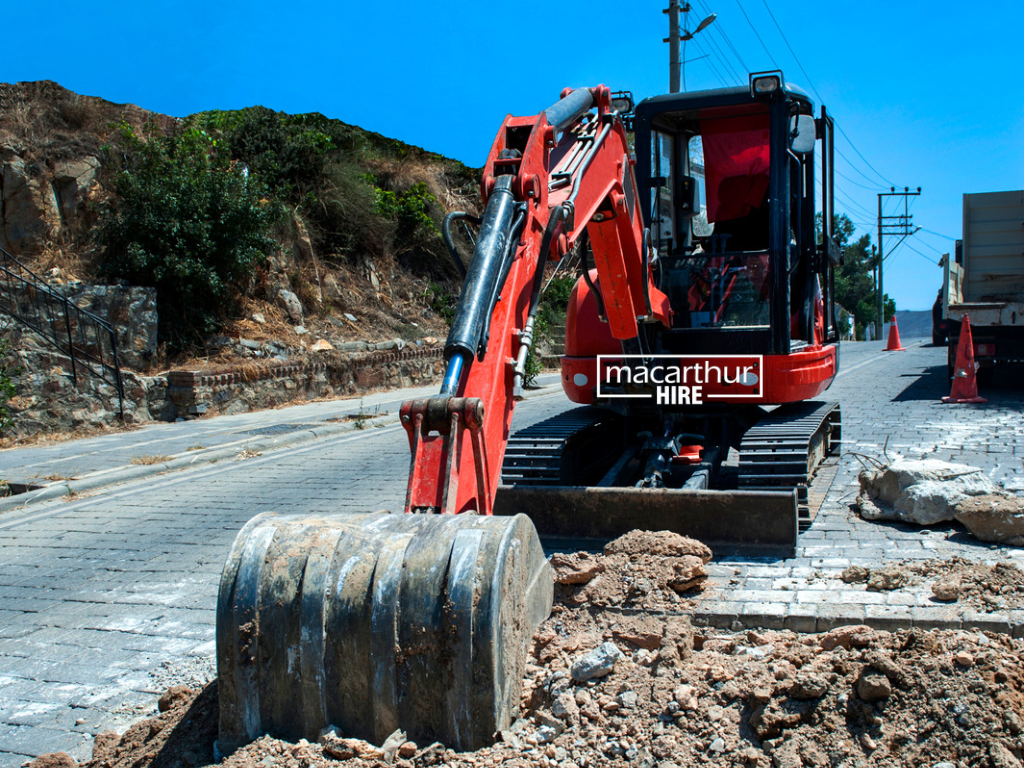
For example, a compact excavator may suit a residential landscaping project with narrow access. A larger excavator may be more appropriate for substantial earthmoving work where site conditions allow.
The right choice depends on the job rather than simply selecting the biggest machine available.
Before hiring equipment, consider the work involved, the available space, ground conditions and how long the project may take.
Understanding these requirements can help you compare machines and discuss suitable options with an equipment hire provider.
Why Construction Equipment Rental Size Matters
Equipment size affects how machinery performs on a worksite.
For excavation work, the machine’s operating weight, digging depth, reach and bucket capacity can influence its suitability.
However, bigger equipment is not always better.
A large excavator may be difficult to position on a residential property with limited access. It could also require more room for movement and transport.
A smaller machine may provide better access but may not have the capacity to complete demanding excavation work efficiently.
For example, removing soil from a small garden area involves different requirements from preparing a large construction site.
The equipment should match the work and the conditions in which it will operate.
Selecting machinery without reviewing these factors can lead to unnecessary delays or additional costs.
It can also introduce safety risks if the equipment is unsuitable for the site.
How to Match Equipment Capacity to Your Project
Start by understanding what the equipment needs to accomplish.
For excavation, consider the required digging depth, the type of material being removed and the distance the machine must reach.
Ground conditions also matter.
Loose soil, compacted ground and rocky material can affect the equipment and attachments required.
For lifting tasks, confirm that the machine and approved attachments are suitable for the intended load.
Do not assume an excavator can safely lift a particular weight based only on its overall size.
The manufacturer’s load information, configuration and operating conditions must be considered.
Project duration is another factor.
A machine that suits a small task may become inefficient for larger volumes of work.
Before booking, explain your requirements to the hire provider.
Provide details about the task, worksite and any access restrictions.
This information can help the supplier identify suitable equipment options and specifications.
Understanding Excavator Sizes and Capabilities
Excavators are available in different sizes and configurations.
When comparing construction equipment rental options, it is important to understand how these differences affect digging performance, access and movement.
A compact excavator may be suitable for some residential tasks, while larger machines may be required for more demanding work.
However, equipment selection should be based on verified specifications rather than general size descriptions.
Choosing Between Compact and Larger Excavators
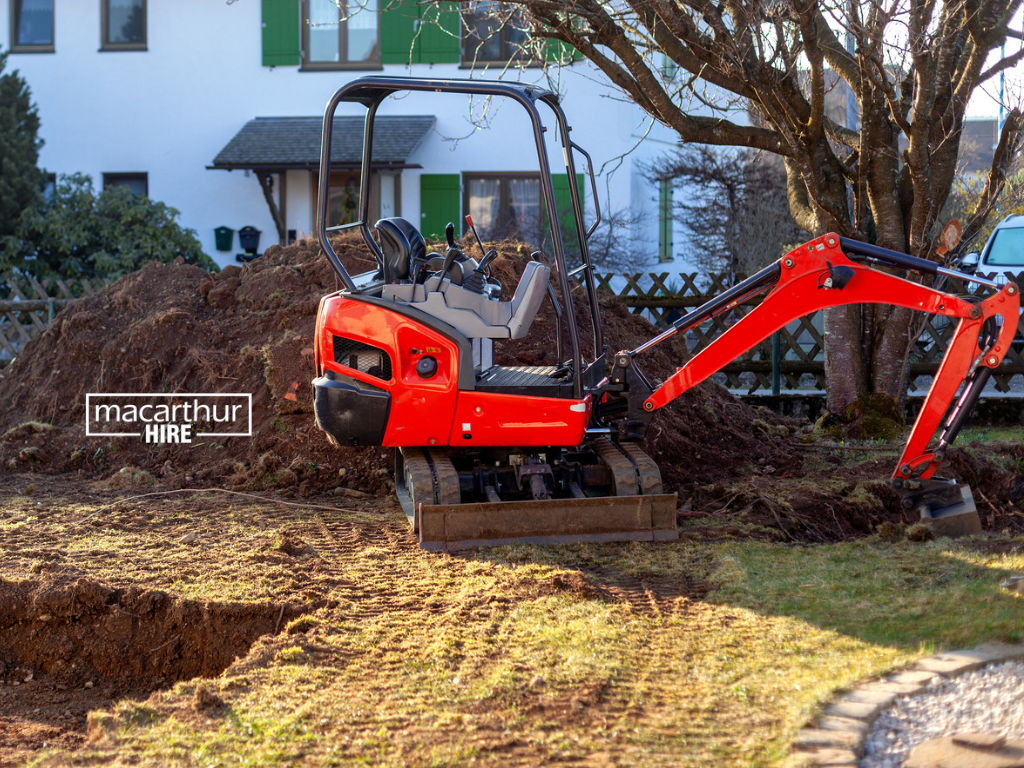
Compact excavators are commonly considered for projects with restricted access or limited working space.
For example, a residential landscaping project may involve working near fences, garden beds or existing structures.
A compact machine may offer greater manoeuvrability in these conditions.
However, the available space must still accommodate safe operation.
The excavator needs sufficient clearance for its tracks, body and operating movements.
Larger excavators may provide greater digging capabilities, depending on the model.
They may be useful for projects involving substantial soil removal or excavation over a wider area.
However, a larger machine can introduce transport and access requirements that make it unsuitable for confined sites.
Customers researching excavator hire macarthur should compare the actual specifications of available machines.
Operating weight is only one consideration.
Overall width, digging depth, reach and attachment compatibility can be just as important.
What to Check Before Hiring a Kubota Excavator
A may be suitable for different construction or landscaping tasks depending on its model and configuration.
For example, the Kubota U55-4 is one of the excavators listed in Macarthur Hire’s published equipment range.
However, customers should confirm the current specifications and availability before booking.
A machine’s brand name alone does not explain whether it suits a particular project.
Review the operating dimensions, required digging depth and available working space.
You should also confirm the attachments offered with the machine.
For example, a standard digging bucket may suit one task, while another project may require a different approved attachment.
Attachment compatibility and operating limits need to be checked against the actual machine.
Customers should also discuss the expected ground conditions.
A machine that performs adequately in one type of soil may require different planning in another environment.
The most useful approach is to compare the equipment’s capabilities with the work you need to complete.
Measuring Site Access Before Choosing Machinery
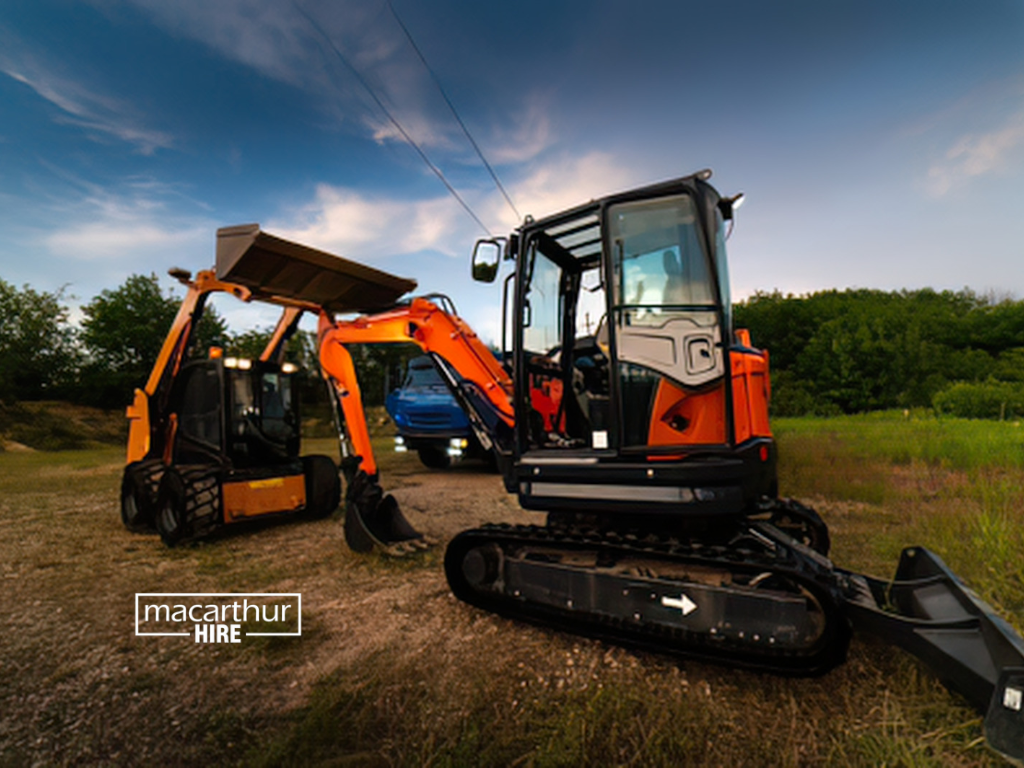
A suitable machine must be able to reach the worksite and operate safely.
Construction equipment rental decisions should therefore include a careful review of site access.
This is particularly important for residential building, landscaping and renovation projects across Macarthur and surrounding Western Sydney suburbs.
Driveways, gates, uneven ground and nearby structures can affect the machinery that can be used.
Checking Gates, Driveways and Available Working Space
Before selecting machinery, examine the full access route.
For example, an excavator may need to travel through a driveway, past a fence and into a rear garden.
A narrow gate could restrict access even if there is plenty of working space beyond it.
However, gate width is not the only issue.
The route may contain steps, steep slopes, soft ground or uneven surfaces.
Overhead obstacles can also create hazards.
These may include tree branches, building structures or electrical services.
The machine must also have enough room to operate after reaching the work area.
An excavator that fits through an opening may still lack adequate clearance for safe digging and movement.
Transport and unloading arrangements need consideration too.
For example, a residential street may offer limited space for unloading equipment.
These details should be discussed with the hire provider before delivery arrangements are confirmed.
If site conditions are unclear, arrange an appropriate assessment by a competent person.
How Construction Equipment Rental Affects Site Safety
Equipment suitability is an important safety consideration.
Excavation work can involve hazards such as underground services, overhead powerlines, unstable ground and moving machinery.
Before excavation begins, the relevant duty holders must obtain current underground essential services information.
Before You Dig Australia provides a way to request information about registered underground infrastructure.
However, plans may not identify every underground asset or provide sufficiently precise locations for excavation.
Additional identification and verification may be necessary.
Businesses should also consider the risks created by moving equipment around workers, pedestrians and structures.
SafeWork NSW advises that excavation planning should address ground conditions, access restrictions and plant hazards.
Appropriate separation, supervision and safe operating procedures are essential.
Some excavation activities are classified as high-risk construction work and require a Safe Work Method Statement.
These requirements depend on the nature and conditions of the work.
Equipment should only be operated by people with the necessary competency, training and any applicable licences.
Selecting a machine that fits the site is only one part of working safely.
Choosing Equipment for Landscaping and Maintenance
Not every outdoor project requires heavy machinery.
Construction equipment rental can also involve smaller tools and property maintenance equipment.
For example, lawn care and outdoor cleaning require different equipment from excavation work.
The size and type of machine should reflect the actual task.
When Lawn Mower Hire Is More Suitable Than Larger Machinery
Lawn mower hire may be appropriate for maintaining grassed areas without purchasing dedicated mowing equipment.
The right mower depends on the size and condition of the area.
For example, a relatively small lawn may suit a walk-behind mower.
Larger open grassed areas may be more suitable for certain ride-on mowers, provided the terrain and access conditions allow safe operation.
A ride-on mower can be less practical where access is narrow or obstacles are frequent.
Ground slopes also matter.
Customers should check the manufacturer’s operating limits and avoid assuming that a larger mower is suitable for every property.
Macarthur Hire lists the Husqvarna TS 142 TXD among its published equipment range.
Customers considering this type of mower should confirm its suitability, operating requirements and availability.
Property maintenance equipment should be selected according to the area being maintained.
There is little benefit in hiring a larger machine if it cannot safely access or operate within the space.
Selecting a Petrol Pressure Washer for Outdoor Tasks
A petrol pressure washer may be useful for suitable outdoor cleaning work.
For example, pressure cleaning equipment can help remove dirt from certain hard surfaces when used with the correct settings and techniques.
However, pressure washers vary in their operating pressure, water flow and intended applications.
Choosing the highest-pressure machine is not always appropriate.
Some surfaces may be damaged by excessive pressure.
Painted finishes, weathered materials and certain types of paving may require particular care.
Customers should check the manufacturer’s instructions and ensure the cleaning method suits the surface.
Water supply and drainage also need consideration.
Depending on the work, additional controls may be necessary to manage runoff and protect nearby areas.
If you are considering a petrol pressure washer as part of a wider equipment hire arrangement, confirm whether the supplier stocks a suitable model.
Availability should not be assumed simply because a provider offers other construction or maintenance equipment.
Comparing Equipment Sizes, Hire Costs and Duration
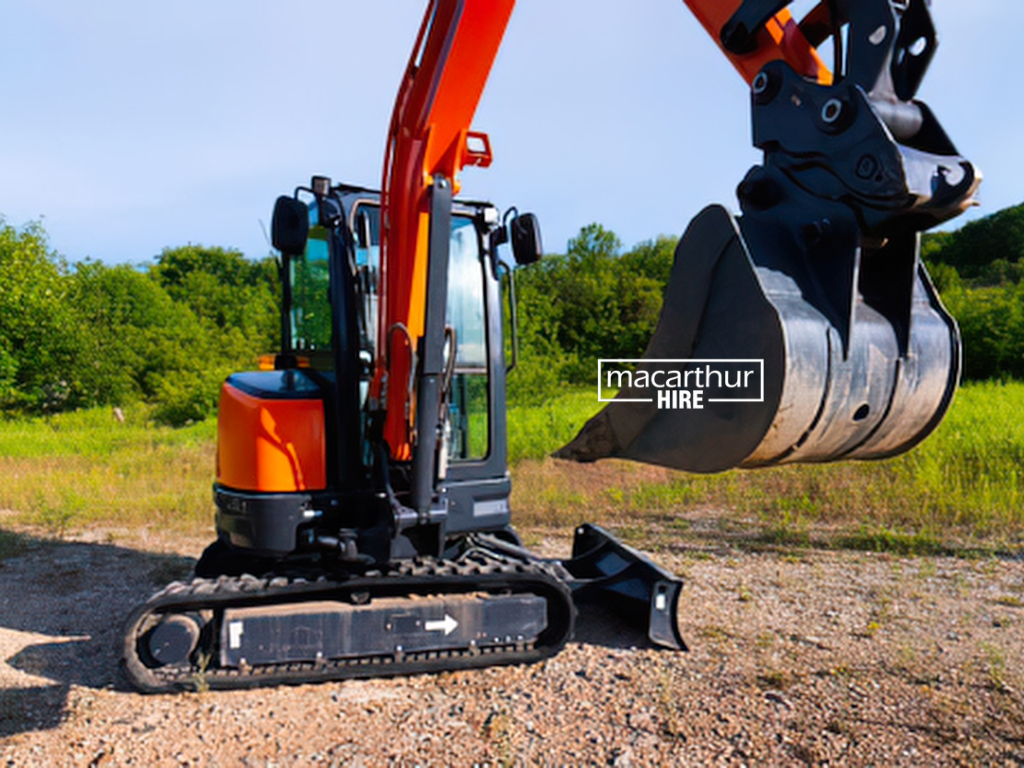
Choosing the right machinery involves balancing suitability with overall project costs.
Construction equipment rental prices can vary according to equipment type, hire duration and the arrangements offered by the supplier.
A larger machine may have a higher hire rate, but it could be suitable for demanding work.
A smaller machine may cost less to hire yet require additional time for certain tasks.
The important consideration is total project value rather than the advertised rate alone.
Why the Largest Machine Is Not Always the Best Value
A larger machine may offer greater working capacity, but that does not automatically make it the best choice.
For example, a larger excavator could complete some excavation tasks more efficiently.
However, it may require additional transport arrangements or more operating space.
If the machine cannot access the worksite, its capacity becomes irrelevant.
A smaller excavator may suit a confined residential project more effectively.
However, using equipment with insufficient capacity for demanding work can also create problems.
The right choice depends on the task and site conditions.
Before comparing Equipment Hire quotations, consider whether each machine can safely perform the required work.
A lower daily rate may not represent better value if the equipment is unsuitable.
Likewise, paying more for a larger machine is unnecessary when the project does not require its capabilities.
Customers should compare verified specifications alongside hire conditions and project requirements.
How Equipment Rental Duration Affects Your Budget
Equipment rental arrangements may include different hire periods depending on the supplier.
For example, some providers offer daily, weekend or longer-term hire options.
However, the available terms vary.
Customers should confirm when the hire period begins and ends.
It is also important to understand how late returns or extensions are handled.
Project delays can affect the total cost.
For example, an excavation project may take longer than expected because of unexpected ground conditions or weather.
Businesses should consider these possibilities when planning their hire period.
Delivery and collection charges may also affect the quotation.
Some agreements include responsibilities relating to fuel, cleaning or damage.
Security deposits and insurance arrangements may also apply.
Customers should request clear information before accepting a quote.
Comparing the total expected cost helps avoid misunderstandings and supports better project budgeting.
Checking Equipment Requirements Before Booking
Before confirming a hire, review the actual equipment and the conditions under which it will be used.
Construction equipment rental involves practical considerations beyond selecting a machine category.
The correct model, attachments, operator requirements and site arrangements all matter.
These details should be confirmed before the equipment arrives.
Comparing Specifications and Available Attachments
When reviewing equipment for rent, compare the specifications that relate directly to your task.
For an excavator, these may include operating weight, overall width, digging depth and reach.
However, customers should not rely on one measurement alone.
For example, the machine may have enough digging depth but insufficient clearance to operate safely near existing structures.
Attachments can also influence suitability.
Different buckets or approved accessories may be available for different tasks.
However, not every attachment is compatible with every machine.
The supplier should confirm the supported attachments and relevant operating limits.
Customers should also check whether the quoted hire includes the required accessories.
Equipment condition and maintenance arrangements matter as well.
A suitable machine should be maintained in accordance with relevant requirements and manufacturer instructions.
If the specifications do not clearly answer your questions, contact the provider before booking.
Confirming Operator Competency and Hire Conditions
Equipment hire arrangements may differ depending on whether the machinery is supplied alone or with an operator.
Dry hire generally refers to hiring equipment without an operator.
Wet hire commonly involves equipment supplied with an operator.
However, customers should confirm the actual services provided because not every supplier offers both arrangements.
Operator competency is essential.
In NSW, many earthmoving machines do not require a high-risk work licence solely because they are excavators.
However, this does not mean anyone can operate them safely.
Operators must have appropriate competency, instruction and supervision for the work being performed.
Additional licensing, training or site requirements may apply depending on the activity and equipment.
The worksite must also have suitable risk controls.
Before hiring equipment, customers should discuss who will operate it and whether they have the required experience.
They should also review the hire agreement.
Responsibilities for equipment use, transport, cleaning, damage and return conditions should be clear.
If any terms are uncertain, request an explanation before proceeding.
Finding the Right Equipment Hire Provider
A suitable hire provider should help customers understand the equipment available and its intended uses.
Construction equipment rental is more straightforward when customers can explain their project requirements and compare machinery using accurate information.
Before making a booking, review the task, site access and operating conditions.
This allows the supplier to provide more relevant information about available options.
Questions to Ask About Construction Equipment Rental
Choosing equipment begins with a clear description of the work.
For example, a customer planning excavation should know the approximate digging requirements and the material involved.
Site access information is equally important.
The supplier may need to understand driveway restrictions, gate openings and any obstacles that could affect delivery or operation.
Customers should ask about the dimensions and capabilities of the proposed machine.
They should also confirm which attachments are included.
Transport and unloading arrangements deserve attention.
The hire period, possible additional charges and return conditions should also be explained.
For machinery that requires specialised operation, confirm the relevant competency and safety requirements.
A reliable hire discussion should help customers understand whether the equipment appears suitable for their stated needs.
However, the supplier’s advice does not replace the worksite risk assessment or other safety responsibilities.
Clear communication before booking can reduce uncertainty and help customers plan their projects.
Choosing Suitable Equipment for Macarthur Projects
Construction and property maintenance projects across Macarthur can involve different site conditions.
For example, a residential landscaping project in Camden may have restricted access to the rear of a property.
Another project in Campbelltown or Oran Park may involve a larger work area with different machinery requirements.
These examples do not mean that every property in those areas has the same conditions.
Customers should assess their actual worksite before selecting equipment.
Local equipment hire providers can be useful when comparing available machinery and discussing delivery arrangements.
Macarthur Hire lists equipment options including a Kubota Excavator, a Takeuchi TB210R and a Husqvarna TS 142 TXD.
These examples illustrate the importance of choosing equipment according to its intended task and specifications.
Customers should confirm current equipment availability, relevant model details and hire conditions directly with the provider.
Before booking, provide clear information about your project, the work involved and any access restrictions.
This helps ensure that the discussion focuses on equipment suitability rather than price alone.
Choosing the correct machine size can make a project easier to plan, but no single machine suits every situation.
The most practical approach is to review the required capacity, site conditions, safety responsibilities and total hire costs before making a decision.
If you are unsure which equipment suits your project, contact Macarthur Hire to discuss the available options and confirm the specifications before arranging a hire.