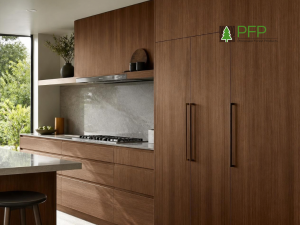
Choosing between wood veneer suppliers is easier when you start with the project itself. The best product for a kitchen cabinet may not be the best product for a wall panel, office reception counter, wardrobe, door, or furniture piece.
Wood veneer is used because it gives a surface the warmth and natural look of timber while being applied to a stable board or panel. This makes it useful for many residential and commercial interiors. However, the final result depends on more than the veneer species. The substrate, finish, grain direction, edging, installation method, and documentation can all affect the outcome.
For example, a decorative wall panel may need a consistent grain and clean joins. A kitchen cabinet may need a surface and finish that can handle regular use. A commercial project may need technical documents before the product can be approved.
This is why it helps to think beyond colour and grain. A good supplier should ask where the product will be used, how visible it will be, how much wear it will receive, and whether the project has any compliance needs.
Match the supplier to the project type
Not every supplier is suited to every project. Some suppliers may focus on raw veneer. Others may offer timber veneer panels, board products, pressed panels, or project-ready options. Some may work closely with designers and joiners, while others may be better suited to trade supply.
If your project is a small residential joinery job, you may need help choosing a veneer that looks good, is available in suitable quantities, and can be finished neatly. If your project is a commercial fit-out, you may need product data, sample approval, delivery planning, and possible fire rated board options.
A supplier who understands your project type can help you avoid common problems. These may include choosing the wrong substrate, ordering too late, failing to check grain matching, or assuming a product is suitable without confirming the details.
The right supplier should make the buying process clearer. They should help you understand what is available, what suits the application, and what needs to be checked before ordering.
Check the Range of Veneers, Panels, and Boards
Timber veneer panels and timber wood panel options
A strong product range is one of the first things to look for when comparing wood veneer suppliers. A supplier with a broader range can usually help you compare natural veneers, reconstituted veneers, timber veneer panels, and board options for different applications.
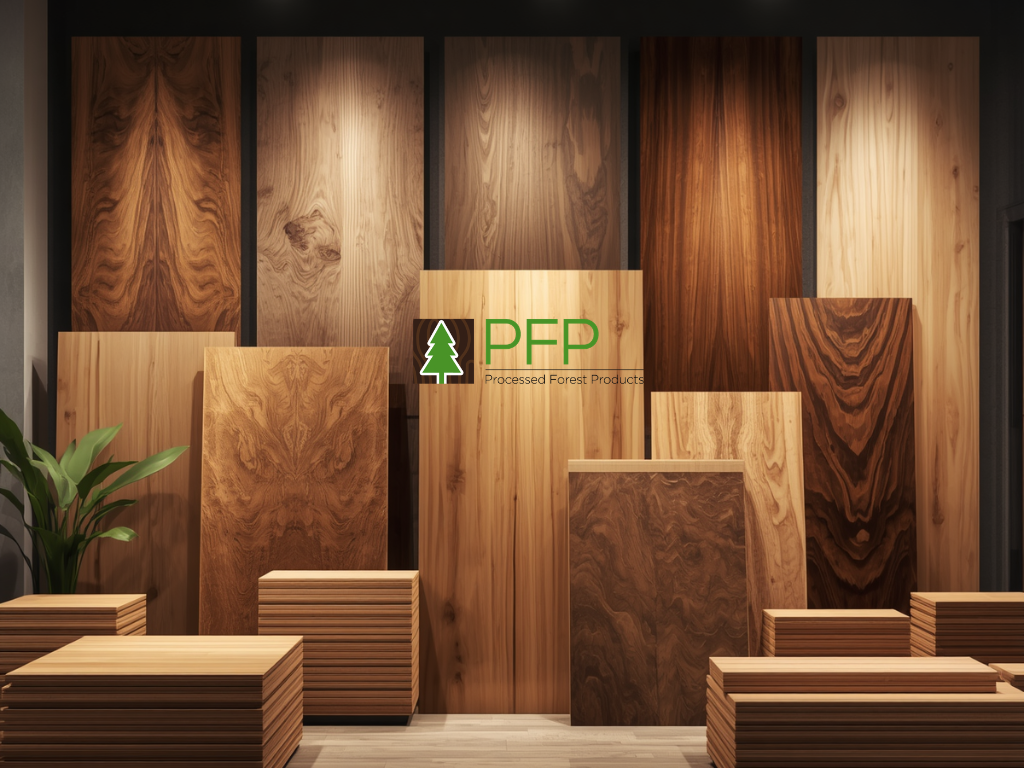
Timber veneer panels are often used for cabinetry, wall lining, doors, furniture, reception areas, and commercial interiors. They allow designers and builders to create a real timber look across larger surfaces while working with more stable panel products.
A timber wood panel may vary depending on the substrate, veneer species, thickness, finish, and intended use. This is why it is important to ask what the panel is made from, where it can be used, and whether it needs extra finishing or processing before installation.
It is also worth asking whether the supplier can help with matching, grain direction, edging, or panel layout. These details can affect how polished the final project looks, especially when several panels are installed side by side.
When american oak veneer or feature grains may suit
American oak veneer is a popular option for many Australian interiors because it can create a clean, warm, and versatile timber look. It may suit kitchens, wardrobes, office joinery, wall panels, shelving, furniture, and display areas.
However, the right choice depends on the design goal. Some projects need a calm and consistent grain. Others need a stronger feature pattern. A light oak look may suit a modern home or workplace, while darker or more decorative veneers may suit premium furniture, hospitality spaces, or feature walls.
Feature grains can add character, but they need to be used carefully. A bold veneer may look striking on a reception counter or furniture piece, but it may feel too busy across a large wall or full room of cabinetry.
Before choosing a species or finish, ask to see samples. It is also useful to view samples near other project materials such as stone, paint, flooring, metal, or laminate. Veneer colour can appear different depending on lighting and nearby finishes, so sample review is an important step.
Look Beyond Appearance and Ask About Performance
Substrates, finishes, edging, and durability
A veneer may look right in a sample, but it still needs to suit the real use of the project. This is why performance details matter.
The substrate is the board or panel under the veneer. It affects stability, weight, machining, edging, and installation. Different substrates may be used for different jobs, so it is worth asking what board options are available and which one suits your application.
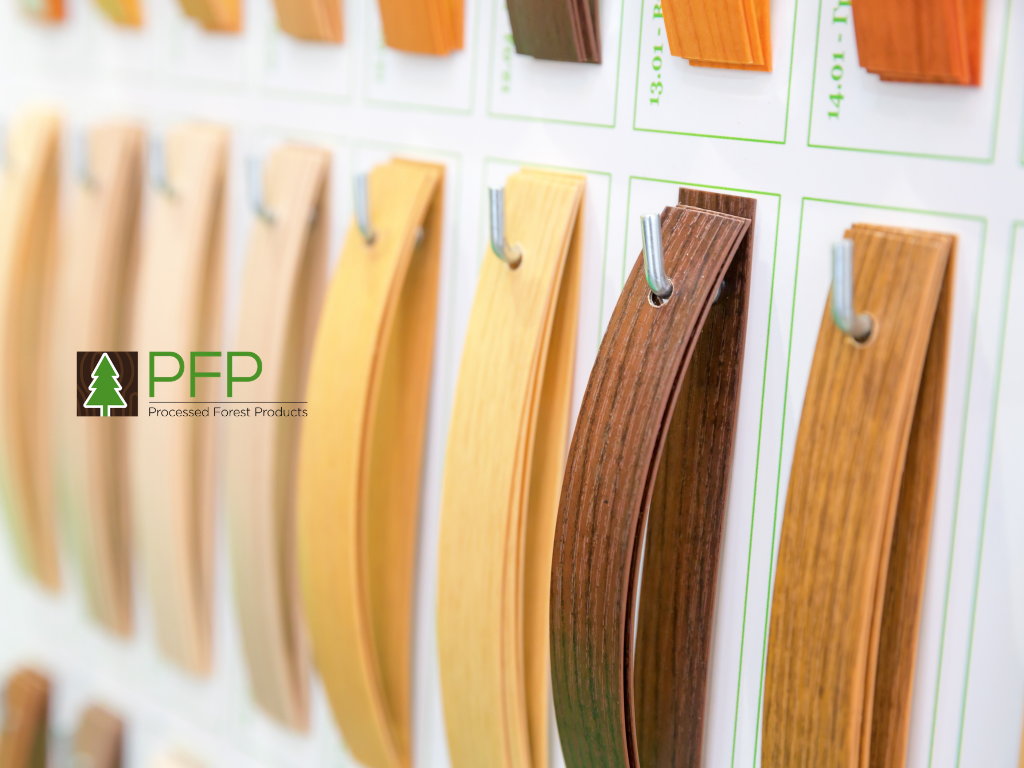
The finish also matters. Some surfaces may need a clear finish to show the natural timber grain. Others may need a stain, matte finish, or more durable coating. High-touch areas such as doors, cabinets, desks, counters, and retail displays need more careful finish selection than low-touch decorative panels.
Edging should also be planned early. Exposed edges can make or break the final appearance. If the edge detail is not considered at the start, the finished project may look incomplete or poorly matched.
Good wood veneer supplies should be chosen with the full installation in mind. That means checking the visible surface, the backing board, the edges, the finish, and the way the product will be used every day.
Fire rated board requirements for commercial projects
Fire performance is important for many commercial and multi-residential interiors. A veneer or panel that looks suitable may not automatically meet the requirements of a specific project.
If your project mentions a fire rated board, this should be checked before ordering. The correct product may depend on where the board is used, such as a wall, ceiling, door, joinery unit, or feature area. It may also depend on the full system, including substrate, finish, adhesive, and installation method.
This is not something to guess. Fire-related requirements should be confirmed with the project team, builder, architect, certifier, or supplier. If a supplier says a product is suitable, ask for current documentation or technical data where available.
Compare Supplier Knowledge and Technical Support
Timber veneer suppliers vs a timber veneer manufacturer
When comparing timber veneer suppliers, it helps to understand what type of business you are dealing with. A supplier may source and provide veneer, panels, boards, and related materials. A timber veneer manufacturer may also process, press, produce, or prepare veneer products for specific uses.
The difference matters because your project may need more than a standard product. Some buyers need raw veneer. Others need pressed panels, finished boards, or product guidance. Some projects need help with species selection, matching, substrates, or documentation.
A supplier with strong technical knowledge can help you choose a product that suits both the design and the practical requirements. This is especially useful when the project involves large surfaces, matching panels, commercial interiors, or special finishes.
Rather than choosing only by price, look at the supplier’s ability to answer practical questions. A good supplier should be able to explain product differences in plain English and help you understand what needs to be checked before ordering.
Why samples and documentation matter
Samples are important because veneer is a natural material. Colour, grain, and figure can vary. Even when the product name is the same, the appearance may differ between batches, cuts, and finishes.
A sample helps you check whether the veneer suits the room, lighting, and other materials. It also helps clients, designers, and builders agree on the look before the order is placed.
Documentation is just as important for many projects. Depending on the job, you may need product details, substrate information, certification, fire-related data, or care instructions. For commercial work, documentation may be required before the product can be approved.
Consider Sustainability and Responsible Sourcing
How sustainable veneers support better material choices
Sustainable veneers are becoming more relevant as Australian homeowners, designers, and project teams look for materials that are practical, attractive, and responsibly sourced. Veneer can be a useful option because it uses a thin layer of timber over a stable panel, which may make more efficient use of timber compared with some solid timber applications.
However, sustainability should not be treated as a simple label. The timber source, certification, substrate, adhesive, finish, transport, durability, and maintenance all affect the final environmental story of a product.
This is why buyers should ask direct questions. Where does the veneer come from? Is certification available? What substrate is used? Can the supplier provide evidence for any sustainability claim?
What certification or product evidence to request
If sustainability matters to the project, ask whether certified options are available. Some projects may require FSC, PEFC, or other documentation. Others may simply need clearer sourcing information.
The key is to make sure the documentation applies to the product being supplied. It should not be assumed that every product in a range has the same certification or sourcing status.
For commercial projects, it is best to confirm these details before the quote is accepted. This gives the project team time to review the information and avoid delays later.
Responsible sourcing is also about choosing products that last. A well-selected veneer, substrate, and finish can support a longer service life. This may reduce the need for early replacement, which is an important part of practical sustainability.
How to Choose the Right Supplier for Your Needs
Practical questions to ask before ordering
The right supplier should help you make a confident choice. Before ordering, ask what veneer species and finishes are available, whether samples can be supplied, and whether the product is available as veneer only or as timber veneer panels.
You should also ask about substrate options, edging, lead times, delivery, and minimum order requirements. If the project is in Sydney, Western Sydney, or another part of NSW, ask whether local delivery or pickup is available where relevant.
For commercial projects, ask whether technical documents can be provided. If you need a fire rated board, certification, or sustainability information, raise this before the order is placed.
It is also helpful to ask how the supplier handles natural variation. Veneer is a natural product, so grain and colour can vary. A supplier should be able to explain what level of variation to expect and how to plan for a more consistent result.
These questions help you compare wood veneer suppliers on service, product suitability, and reliability, not just on cost.
Where Forest Products can help with product selection
Forest Products can be useful when buyers need help comparing veneer, panels, and board options for a real project. This is especially helpful when the project involves joinery, wall panels, furniture, doors, or commercial interiors.
A supplier can help narrow down options based on the look you want, the application, the substrate, and any documents you may need. For example, a residential wardrobe project may need a different approach from a commercial reception wall or hospitality fit-out.
If you are comparing wood veneer supplies, it is worth asking about available species, timber veneer panels, timber wood panel options, american oak veneer, sustainable veneers, and any fire rated board requirements that may apply to the project.
This does not mean every product will suit every job. It means the supplier can help you understand the options before you commit. That guidance can reduce ordering mistakes and make the final result easier to plan.
When to Contact the Company for Advice or a Quote

Signs you need expert guidance before buying
You should contact the company before buying if you are unsure which veneer, panel, board, or finish suits your project. This is especially important for visible areas, high-use surfaces, commercial interiors, or projects with documentation requirements.
Supplier advice is useful when you need to match veneer across several panels, choose a grain direction, compare substrates, or plan edge details. It is also important when you need certified materials, sustainable veneers, or a fire rated board.
It is better to ask early than to fix problems later. Once veneer has been ordered, pressed, cut, or finished, changes may become more difficult and more expensive.
A short discussion can also help clarify whether the product you like in a sample will suit the final use. This makes the buying process more practical and less stressful.
What details to prepare before making contact
Before requesting a quote, prepare a few basic details. Start with the project type, such as a kitchen, wardrobe, office fit-out, retail display, wall panel, door, furniture item, or reception counter.
Next, explain where the product will be used and how much wear it will receive. A decorative panel in a low-touch area may have different needs from a counter, cabinet door, or commercial joinery item.
It also helps to share the preferred look. Mention the colour, grain, species, finish, or sample reference if you have one. If you are considering american oak veneer or another specific option, include that in the enquiry.
If drawings, sizes, quantities, or rough measurements are available, send them with the request. Also mention any compliance needs, such as certification, sustainability documents, or fire performance requirements.
Finally, include your timing and location if they affect delivery or pickup. This helps the supplier check availability and respond with more useful advice. With the right details ready, you can compare quotes more fairly and choose a supplier with greater confidence.