A Perspex cutting service can turn acrylic sheet into panels, signs, covers, displays and custom parts. However, the final result depends on more than the cutting equipment. Material choice, accurate measurements and edge finishing also affect quality.
Different projects need different services. A basic rectangular panel may only need straight saw cuts. A display case, logo or curved component could require CNC cutting, polished edges and fabrication support.
When comparing Perspex Cutting Sydney services, look at the supplier’s full capabilities. Check whether they understand the material and can meet your required dimensions. You should also ask about drawings, tolerances, prototypes and delivery.
This guide explains what to check before requesting a quote. It will help you prepare your project details and compare suppliers with confidence.
Explain the product, location and intended use
Begin by explaining what you want to make. The fabricator needs to know how and where you will use the finished part. These details help them recommend a suitable material and cutting method.
For example, a clear display cover needs good visibility and neat edges. A sign may need custom lettering, color or fixing holes. An outdoor panel must suit sunlight, rain and temperature changes.
Tell the supplier whether the project is for a shop, office, home or industrial site. You should also explain whether people will handle the item often. Regular handling may affect the thickness, finish and design.
If the acrylic will sit inside a frame, provide the frame dimensions. Allowing a small amount of clearance may make installation easier. The right clearance will depend on the design, panel size and expected temperature changes.
A clear explanation of the intended use gives the supplier useful context. It also reduces the risk of choosing a material based on appearance alone.
Confirm the dimensions, thickness, color and quantity
An accurate quote requires more than a rough size. Provide the finished length and width in millimeters. If you need circles, curves, holes or slots, include their sizes and locations.
State the required thickness if you already know it. Otherwise, describe the panel’s size, support points and expected load. The fabricator can then discuss practical options.
Perspex comes in clear, colored, frosted, mirrored and opaque finishes. Color names can vary between manufacturers. Ask for a physical sample when close color matching matters.
Quantity also affects production planning. A supplier may use one method for a single panel and another for a repeated order. Give the total number of pieces and identify any parts that share the same size.
Customers ordering Perspex cut to size should check every measurement before approval. Custom-cut products may not suit return or exchange once production starts. Ask the supplier about their terms before confirming the order.
Check the Supplier’s Material Knowledge
Perspex is a well-known brand of acrylic sheet. Customers may also use the term to describe acrylic products more generally. Ask the supplier which brand, grade and type they plan to use.
Cast and extruded acrylic have different features. Cast acrylic often suits detailed fabrication, engraving and polished display work. Extruded acrylic offers more consistent thickness and may suit some forming or repeated production tasks.
The project should guide the material choice. A polished display case may need a different acrylic from a simple wall panel. An illuminated sign may use opal material to help spread light. Privacy panels may need a frosted or tinted finish.
A knowledgeable supplier should explain why a material suits the project. They should also discuss any limits that could affect cutting, bending, bonding or cleaning.
When comparing Perspex sheet Sydney suppliers, ask whether they stock the required finish and thickness. If they need to order the material, confirm how this may affect the lead time.
Select material that suits indoor or outdoor conditions
Indoor and outdoor projects face different conditions. An indoor sign may only need to handle cleaning and regular contact. Outdoor panels must cope with sunlight, heat, rain and changing temperatures.
Tell the supplier about the installation location. A sign under cover may face less weather than one in an open area. Coastal locations may also expose fixings and nearby materials to salt.
Large acrylic panels can expand and contract as temperatures change. The mounting method should allow suitable movement where needed. Holes, fasteners and frames must not place excess pressure on the sheet.
UV exposure also matters. Ask whether the selected acrylic grade suits long-term outdoor use. Avoid assuming that every clear plastic sheet offers the same outdoor performance.
The supplier should also know about nearby heat sources or chemicals. Some cleaning products and solvents can damage acrylic. Sharing this information early can help prevent the wrong material choice.
Understand the Available Cutting Methods
Compare CNC laser cutting, routing and saw cutting
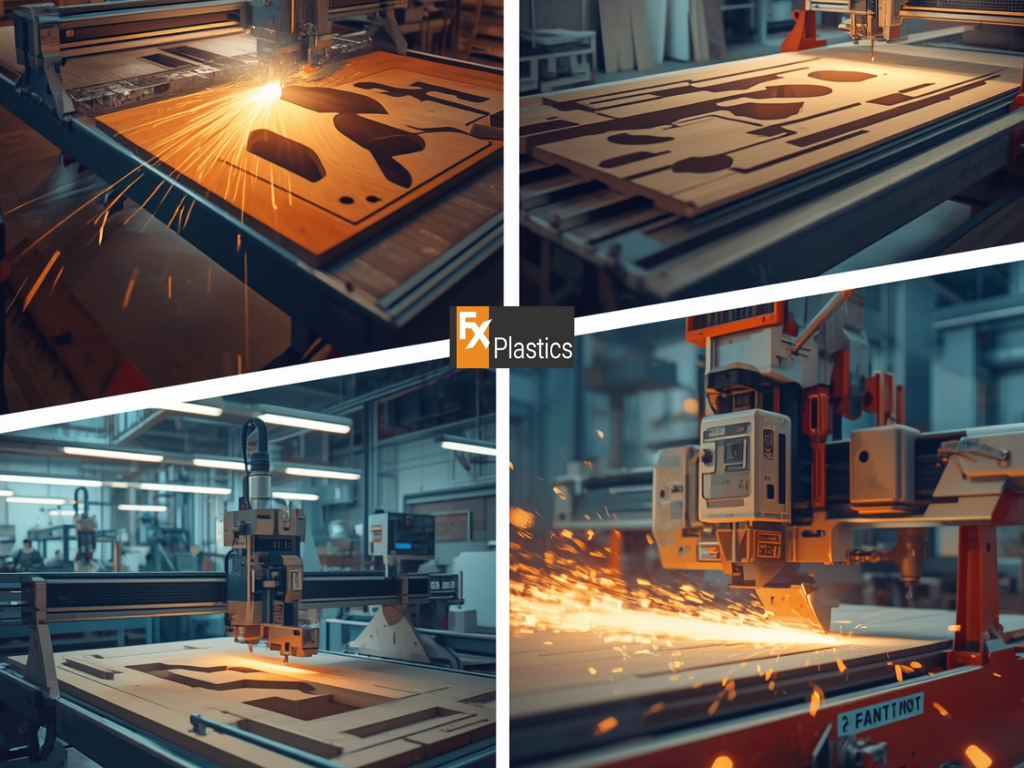
The best cutting method depends on the shape, material and finish. No single process suits every Perspex project.
Saw cutting works well for straight lines and basic rectangular panels. It can provide an efficient option for shelves, replacement panes and pieces that need more fabrication.
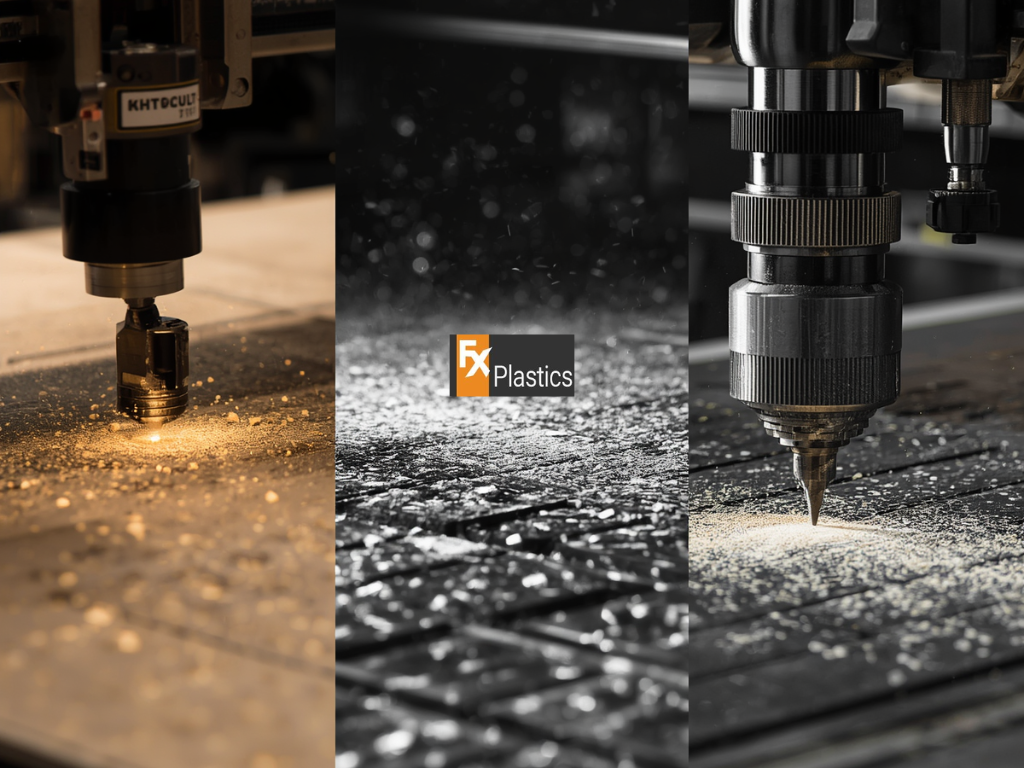
CNC laser cutting can create detailed shapes, lettering and decorative patterns in compatible acrylic. It can also produce a smooth edge on many designs. The result will depend on the material, thickness and machine settings.
CNC routing uses a rotating cutting tool. It can create curves, holes, slots and recessed areas. Routing can also process thicker parts and materials that do not suit laser cutting.
Ask which method the supplier recommends and why. The explanation should relate to your material, design and required finish. A supplier should not choose a process based only on speed.
Match the cutting process to the shape and finish
A straight panel may not need advanced CNC work. In contrast, a logo with detailed curves will need accurate digital cutting. Matching the process to the design can help control both quality and cost.
Visible edges need more attention than hidden ones. A rough or machined edge may suit a panel inside a frame. A clear retail display may need polished edges because customers can see them.
Holes and internal corners also require planning. Placing holes too close to an edge may increase the chance of cracking. Sharp internal corners can also create stress points in some designs.
Talk to the fabricator before finalizing complex details. Small changes to the hole position or corner radius may make the part easier to produce and use.
Customers comparing Perspex cutting services should ask what the quote includes. Cutting, drilling, engraving and polishing may appear as separate items. Clear scope will make supplier quotes easier to compare.
Ask About Accuracy and Edge Finishing
A cutting tolerance describes the allowed variation from the specified size. This detail matters when a panel must fit a frame, join another part or line up with existing holes.
Do not assume that every supplier works to the same tolerance. Ask what they can achieve for the chosen material and cutting process. Explain which dimensions matter most to the installation.
Very tight tolerances may increase production time and cost. They may also offer no benefit for a basic sign or cover. Use a tolerance that matches the actual needs of the project.
Provide a clear drawing for parts with several holes or cut-outs. Show the location of each feature from a fixed reference edge. This approach reduces confusion and makes inspection easier.
When ordering Perspex cut to size in Sydney, confirm whether the dimensions refer to the finished part. Also ask whether polishing or other finishing may affect the final size.
Choose between standard, machined and polished edges
Edge finish has a major effect on the final appearance. However, not every project needs a polished edge.
A standard saw-cut edge may suit hidden parts or panels inside frames. Routed or machined edges can provide a more even result. Further polishing can create a clearer and smoother appearance for exposed edges.
Display cases, signs and furniture often benefit from polished edges. Protective guards and industrial parts may place more value on fit and function.
Ask to see material and edge samples if appearance matters. A sample can explain the difference more clearly than a written description.
Also discuss safety and handling. Accessible edges may need smoothing even when visual clarity does not matter. The supplier can suggest a practical finish based on the intended use.
Review Drawing and Prototype Support
Prepare sketches, measurements or digital cutting files
Simple jobs may only require a list of measurements. Complex shapes need clearer production information.
A hand-drawn sketch can help with an early quote. Add all important dimensions and label each feature. Photos can also show how the part fits with nearby objects.
For CNC work, the supplier may request a vector or CAD file. Ask which file formats they accept before preparing the artwork. Common formats may include DXF, DWG, AI, EPS or PDF, depending on the supplier’s workflow.
Text should appear as outlines in artwork for cut lettering. This step helps prevent problems with missing fonts. The drawing should also show the correct scale and units.
Check every file revision before production. Use clear version names and approval dates. File control becomes especially important when several people review the design.
Test complex designs before ordering larger quantities
A prototype can reveal issues that a screen drawing does not show. It allows you to test the size, fit and appearance before ordering the full quantity.
For a display stand, check whether the base stays stable. Make sure customers can remove and replace the product with ease. For a cover, test access for cleaning and maintenance.
Signs need checks under their final lighting conditions. Reflections may reduce readability. Colors can also look different under warm or cool lighting.
A prototype adds time and cost to the early stage. However, it can reduce the risk of repeating a design problem across a large production run.
Ask whether the supplier offers sample cutting or prototype support. You should also confirm how they record and approve changes after testing.
Plan for Repeat Orders and Reliable Delivery
Repeat orders require good production records. The approved file should include the material, thickness, color and dimensions. It should also state the edge finish and hole locations.
Ask how the supplier manages drawings and revisions. An old file could cause errors if the design changes between orders. Each approved version should have a clear number or date.
Material colors can vary slightly between brands or production batches. Discuss color control before a multi-site roll out. A physical sample may provide the best reference.
Packaging also affects the finished product. Acrylic can scratch during handling and transport. Protective masking and suitable packing can help protect each piece.
If several locations need the same parts, ask about labels and grouped packaging. Clear identification can make distribution and installation easier.
Compare collection and delivery options across Sydney
Local collection may suit small or urgent orders. Delivery may work better for large panels, repeated parts or items that need careful handling.
Before ordering, ask whether delivery appears in the quote. Confirm the delivery area, timing and unloading needs. Large sheets may require two people or special access.
Businesses looking for cut-to-size plastics in Western Sydney may prefer a nearby supplier. Local access can make material reviews and prototype checks easier. It may also simplify collection when project dates change.
Customers searching for Penrith plastics cutting should still compare more than location. Equipment, material knowledge and finishing skills remain important. Good communication also helps keep the project on schedule.
Discuss packaging before delivery. The supplier should protect polished faces and exposed edges. Do not remove the protective film until installation where practical.
Make a Confident Choice Before Requesting a Quote

Compare Perspex cutting services beyond price
The lowest quote may not include every service you need. Compare the material grade, cutting method and edge finish. Also review any charges for holes, polishing, drawings or delivery.
Ask whether the supplier carries suitable stock. Confirm the expected lead time and approval process. For detailed projects, find out who will review the drawing before production.
Clear written quotes make comparison easier. Each quote should identify the material, thickness, dimensions and quantity. It should also state the finish and included services.
Look for practical signs of a reliable process. These include clear questions, written approvals and realistic lead times. Avoid relying on broad quality claims without details about the actual job.
Local terms such as Penrith Plastics Cutting or Cut to Size Plastics Western Sydney may help you find nearby providers. However, the best choice should match the technical needs of your project.
Prepare a complete brief for a Western Sydney supplier
A complete brief helps the supplier quote accurately. Explain the item, its location and intended use. Include the finished dimensions, quantity, color and thickness where known.
Add drawings, reference photos and installation details. Point out visible edges and important tolerances. You should also mention the required completion date and delivery location.
If you need help choosing the material or cutting process, FX Plastics can discuss your Perspex cutting requirements. The team can also review cut-to-size needs, custom shapes and finishing options before quoting.
Before approving the order, review the dimensions and material details one final time. Confirm the drawing version and edge finish. Check the collection or delivery arrangements as well.
Choosing a Perspex Cutting Sydney service becomes easier when you know what to compare. Focus on material knowledge, suitable equipment and clear production details. When you are ready, send FX Plastics a complete brief and request a quote for your project.