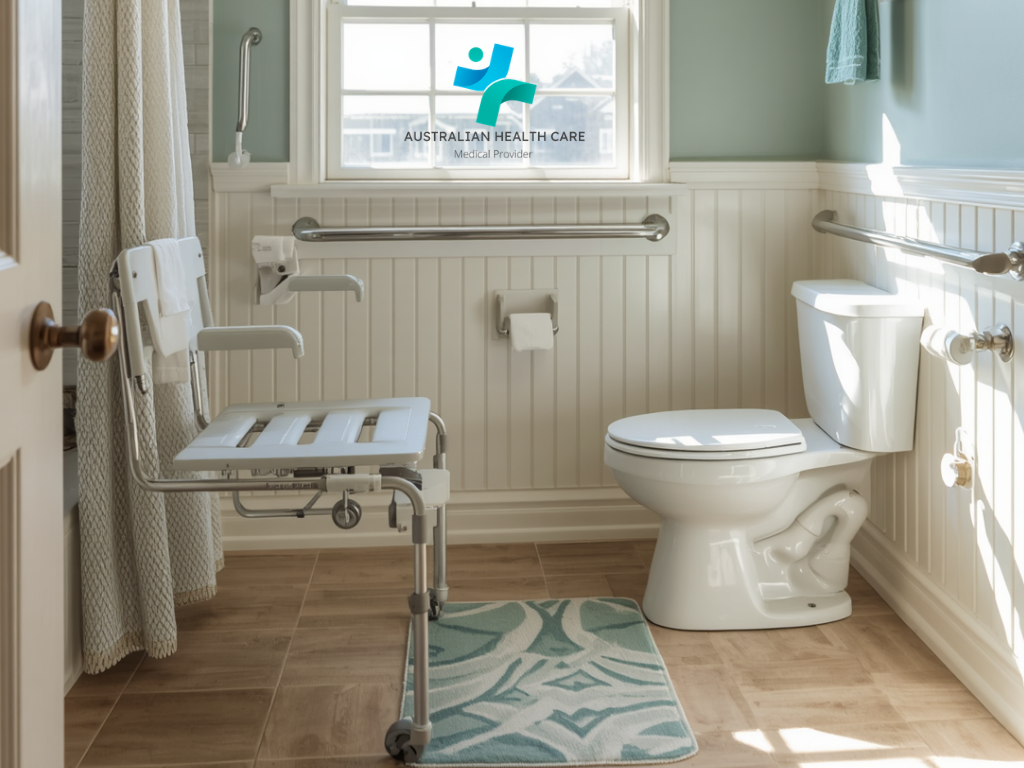
A padded toilet seat cushion and a raised toilet seat may look similar, but they address different needs. A padded cushion mainly changes how the seat feels, while a raised seat changes how far a person needs to lower and lift themselves when using the toilet.
Choosing between them should begin with the main difficulty. If sitting on a hard toilet seat is uncomfortable, a soft toilet seat cushion may be suitable. If bending the knees or hips and standing from a low position are difficult, a raised toilet seat may be more appropriate.
Some people need both comfort and additional height, while others require arm supports or a more stable bathroom modification. This guide explains how the options differ and what to check before purchasing.
A padded cushion focuses mainly on sitting comfort
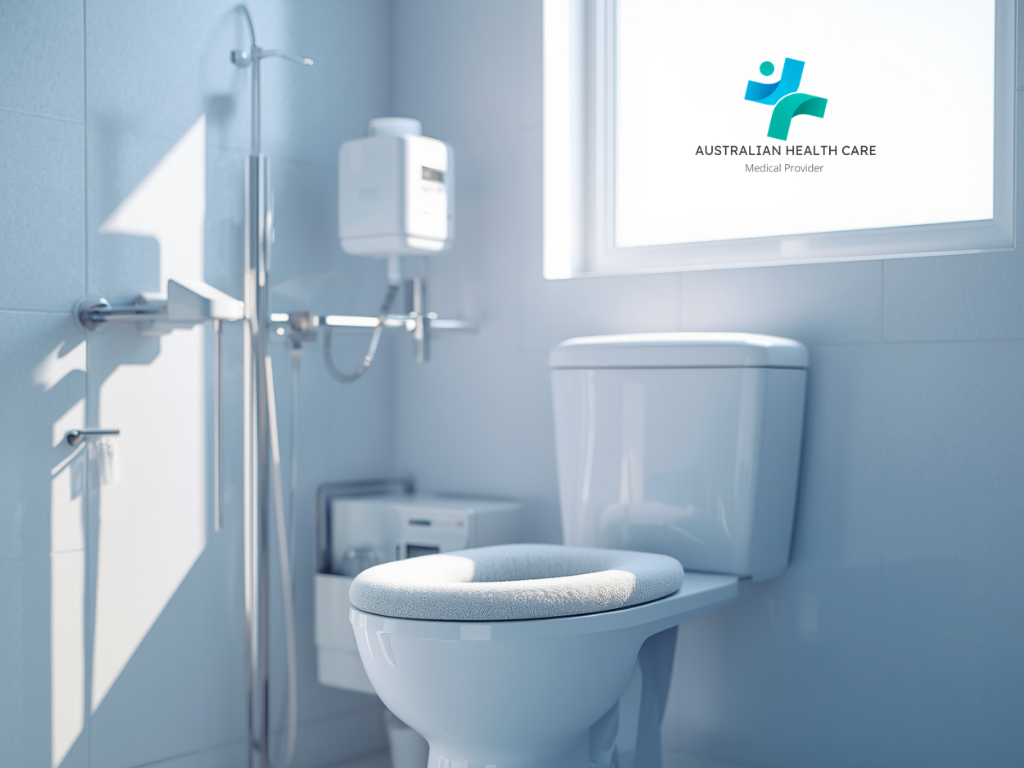
A padded cushion fits over or attaches to an existing toilet seat. Its main purpose is to provide a softer surface for someone who finds an ordinary hard seat uncomfortable.
Products in this category may be described as a cushioned toilet seat, cushion toilet seat or toilet seat pillow. These terms can refer to slightly different designs, so the name alone should not determine your choice. Always check the product dimensions, materials and attachment method.
Cushions vary in thickness. A thin pad mainly changes the surface feel, while a thicker cushion may also raise the sitting position. This extra height can affect foot placement and transfers even when the product is not sold as a raised toilet seat.
A soft toilet seat cushion does not necessarily provide mobility support. It has no armrests, and it may not help someone who struggles to control their movement while sitting or standing.
Padding should not be assumed to prevent or treat pressure injuries. Anyone with broken skin, an existing pressure injury, reduced sensation or significant skin concerns should seek advice from an appropriate healthcare professional before selecting a seating product.
A raised toilet seat changes the sitting and standing position
A raised toilet seat is designed to increase the height of the toilet. By shortening the distance between standing and sitting, it may reduce the amount of bending required at the hips and knees.
Raised seats come in different heights and attachment styles. Some clamp to the toilet bowl, while others form part of an over-toilet frame. Certain models include armrests, but many do not.
The correct height depends on the person and the bathroom. When seated, the user generally needs stable foot contact and a position from which they can transfer safely. A seat that is too high can leave the feet poorly supported, while one that is too low may not provide the intended benefit.
A raised seat may still have a firm surface. If the person needs both added height and cushioning, a padded over-toilet aid or another combined product may be worth considering.
The product should be selected according to individual measurements and mobility rather than choosing the greatest available height.
Compare Comfort, Height and Pressure Distribution
A soft toilet seat may be useful when the main problem is discomfort from contact with a rigid surface. This can be relevant during temporary recovery or when a person has less natural cushioning over bony areas.
The amount and firmness of padding affect how the product feels. Very soft foam may compress significantly, while firmer padding may maintain its shape more effectively. Product descriptions should explain the materials and intended use, but individual comfort can still vary.
The cover also matters. It should be suitable for bathroom use, able to tolerate the recommended cleaning method and free from rough seams in areas that contact the body.
A thicker cushion is not automatically more comfortable. If the user sinks unevenly, feels unstable or has difficulty repositioning, a different product may be needed.
Discomfort that is new, severe or associated with redness, broken skin, swelling or ongoing pain should not be managed only by purchasing a cushion. A healthcare professional can assess the cause and recommend suitable care.
Consider height when bending and standing are difficult
A raised toilet seat may be more useful when a person finds it difficult to bend their knees or hips, lower themselves or stand from the existing toilet.
Before choosing a height, observe the current sitting position. Consider whether the feet rest securely on the floor, whether the knees are positioned comfortably and whether the person can lean forward as needed to stand.
Increasing the height changes the movement, but it does not automatically make the transfer safe. A person with poor balance, leg weakness or dizziness may also need arm supports, supervision or a different piece of bathroom medical equipment.
Some padded cushions add enough height to change the transfer. This can be helpful for one person and unsuitable for another. The compressed height under the user may also differ from the product’s unoccupied thickness.
After installation, the user should feel stable and should not need to slide or reach for nearby fixtures. Towel rails, toilet-roll holders and vanities should not be used as makeshift grab rails because they may not be designed to support a person’s weight.
Check Fit and Stability Before Use
Measure the toilet and available bathroom space
Toilet seats are not all the same size or shape. Some are rounded, while others are longer or use unusual hinges and profiles. A cushion or raised seat described as universal may still have fitting limitations.
Measure the existing seat’s length and width and note the open area in the center. Compare these measurements with the product specifications rather than relying only on a photograph.
Also examine how much space is available around the toilet. A simple cushion usually needs little additional floor space, while an over-toilet frame or surrounding support may be wider than the toilet itself.
Nearby walls, vanities, shower screens and doors can affect whether a frame fits and whether the user has enough room to approach and turn. Measuring the complete area is especially important in small Australian bathrooms.
If the toilet has an unusual seat, concealed fixings or an integrated design, ask the supplier to confirm compatibility before ordering.
Examine how the product attaches to the toilet
A cushion may use straps, hook-and-loop tabs or another fastening method to hold it on the existing seat. A raised product may use side clamps, front adjustment mechanisms or brackets.
The attachment needs to suit the toilet and should remain secure when the user sits, shifts position and stands. A product that moves can increase uncertainty during transfers.
Installation instructions should be followed carefully. Fasteners should sit in the intended position and should not prevent the existing seat or product from resting correctly.
Check the product before each use, particularly after cleaning or repositioning. Stop using it if the cushion slides, the raised seat rocks or the attachment appears damaged.
Do not add homemade straps, adhesives or fittings unless the manufacturer specifically permits them. Unapproved modifications may change stability, damage the product or make cleaning more difficult.
Think About Transfers and Additional Support
A padded seat and a basic raised toilet seat may not provide anything for the user to hold while sitting or standing. This is an important limitation for someone who relies on nearby furniture, another person or a wall for support.
Armrests on a suitable toilet frame can provide a more intentional place for the hands. However, the frame must be the correct size and stable on the bathroom floor.
A person who pushes heavily through one arm may place uneven forces on the equipment. Their transfer method should be reviewed to determine whether a freestanding aid is suitable or whether a properly installed support is needed.
Balance, strength, pain, coordination and vision can all affect toilet transfers. An occupational therapist or physiotherapist can assess the bathroom and show the person how to use recommended equipment safely.
When mobility has changed suddenly, professional assessment is more appropriate than selecting equipment through trial and error.
Compare toilet aids with rails and supportive frames
A toilet surround frame, over-toilet aid and fixed grab rail provide different forms of support. They should not be treated as interchangeable simply because each is used beside a toilet.
A frame may be portable or height-adjustable. A fixed rail requires suitable positioning and installation into a structure capable of supporting the expected load. The correct choice depends on the user, wall construction, bathroom layout and transfer technique.
If fixed support is being considered, consult a qualified professional or a reputable handicap safety grab bar supplier. Ask how the rail position will be selected, what surface it will be attached to and who will complete the installation.
A suction-mounted handle should not automatically be treated as a weight-bearing grab rail. Product instructions and load guidance must be checked carefully.
The safest solution may combine a suitable toilet height, appropriate arm support and enough surrounding space. Cushioning alone cannot address every part of the transfer.
Review Materials, Cleaning and Everyday Care
Choose a surface suited to regular bathroom use
Bathroom products are exposed to moisture and require frequent cleaning. The cushion cover should be compatible with the manufacturer’s recommended cleaning products and methods.
Water-resistant and waterproof are not always the same. A water-resistant cover may tolerate surface moisture but may not prevent liquid from entering through seams, zips or damaged areas.
Check whether the cover can be removed and whether the internal foam can be cleaned. Some foam materials should not be soaked because they may retain moisture or lose their shape.
Seams and attachments should be positioned so they do not create unnecessary discomfort or collect residue. The surface should also remain secure when dry and during normal use.
Material sensitivities should be considered when relevant. If the user has known allergies or fragile skin, review the listed materials and seek clinical advice where necessary.
Keep the product clean and inspect it regularly
Clean the cushion or raised seat according to the manufacturer’s instructions. Strong chemicals or abrasive tools may damage the surface even if they are commonly used elsewhere in the bathroom.
After cleaning, allow the product to dry as directed before it is used again. Moisture trapped in foam or under a cushion can create hygiene and material problems.
Inspect the cover for tears, peeling, staining that cannot be removed or signs that liquid has entered the padding. Check straps, clamps and other fasteners for wear or loss of grip.
Foam that remains compressed, becomes uneven or no longer supports the user consistently may need replacement. Continued use of a damaged cushion can reduce comfort and stability.
Shared equipment may require a more formal cleaning process. Care facilities and support providers should follow their own infection-control procedures and applicable product guidance.
Consider Recovery, Mobility and Individual Needs
People recovering from hip, knee or other surgery may receive movement restrictions or transfer instructions from their treating team. The correct toilet aid depends on those individual directions.
A raised seat may reduce bending for some people, while others may need arm supports or supervision. A cushion may improve surface comfort but may also change the seat height and stability.
Do not assume that equipment recommended for another person after a similar procedure will be suitable. Height, strength, bathroom dimensions and the type of surgery can all change the recommendation.
An occupational therapist can assess the toilet, the person’s movement and the wider bathroom environment. This is especially useful before discharge from hospital or when the person’s condition is changing.
Seek prompt clinical advice if the user experiences new pain, dizziness, repeated near-falls or difficulty completing transfers that were previously manageable.
Look at the complete bathroom setup
The toilet is only one part of the bathroom. A person may also need support when entering the shower, washing, dressing or moving across a wet floor.
Medical bench seats and shower chairs are designed for bathing or seated personal care. They should not be used as toilet equipment unless the product is specifically designed and approved for that purpose.
Likewise, a toilet seat cushion should not be moved to another chair or bench unless its instructions allow that use. The attachment method and materials may be designed only for a toilet seat.
Floor condition, lighting, access, door movement and the position of everyday items can also affect safety. Adding equipment without considering these details may create new obstacles.
Internal links from a product guide can help readers compare raised toilet seats, over-toilet aids, shower seating, grab rails and other bathroom products. Each page should explain the product’s distinct purpose rather than encouraging readers to combine equipment without guidance.
Choose the Right Product and Supplier

Match the product to the main difficulty
Begin by identifying whether the main concern is discomfort, toilet height, transfer support or a combination of these issues.
A soft toilet seat cushion may be appropriate when the current seat feels uncomfortably hard and the person can otherwise sit and stand safely. A raised toilet seat may be more relevant when limited hip or knee movement makes the existing toilet too low.
If the user needs something to push on, a suitable frame or properly installed rail may be required. If both comfort and support are needed, a padded over-toilet aid may be more suitable than combining unrelated products.
The product should match the user’s measurements and fall within the manufacturer’s stated weight guidance. The toilet and surrounding bathroom space must also be compatible.
When the person has significant mobility, balance, sensation or skin concerns, involve an appropriate healthcare professional before ordering.
Check product details and after-sales assistance
Before purchasing, ask for the cushion dimensions, thickness, attachment method, materials and cleaning instructions. For a raised seat, confirm the added height, toilet compatibility, fastening system and user weight guidance.
Return arrangements matter because bathroom and personal-care items may have hygiene-related restrictions once opened or used. Read the supplier’s current policy before removing packaging or testing the product.
Australian Health Care can be considered when comparing a soft toilet seat cushion with other bathroom medical equipment. Before ordering from Australian Health Care or another supplier, provide the toilet measurements and explain whether the main need is comfort, height or support.
A helpful supplier should explain the product specifications without presenting a general comfort item as treatment for a medical condition. It should also be clear about stock, delivery, warranty and return conditions.
If you are unsure which option is appropriate, pause before buying and request advice from an occupational therapist or another relevant healthcare professional. Selecting the correct product is more important than choosing the thickest cushion or tallest seat.