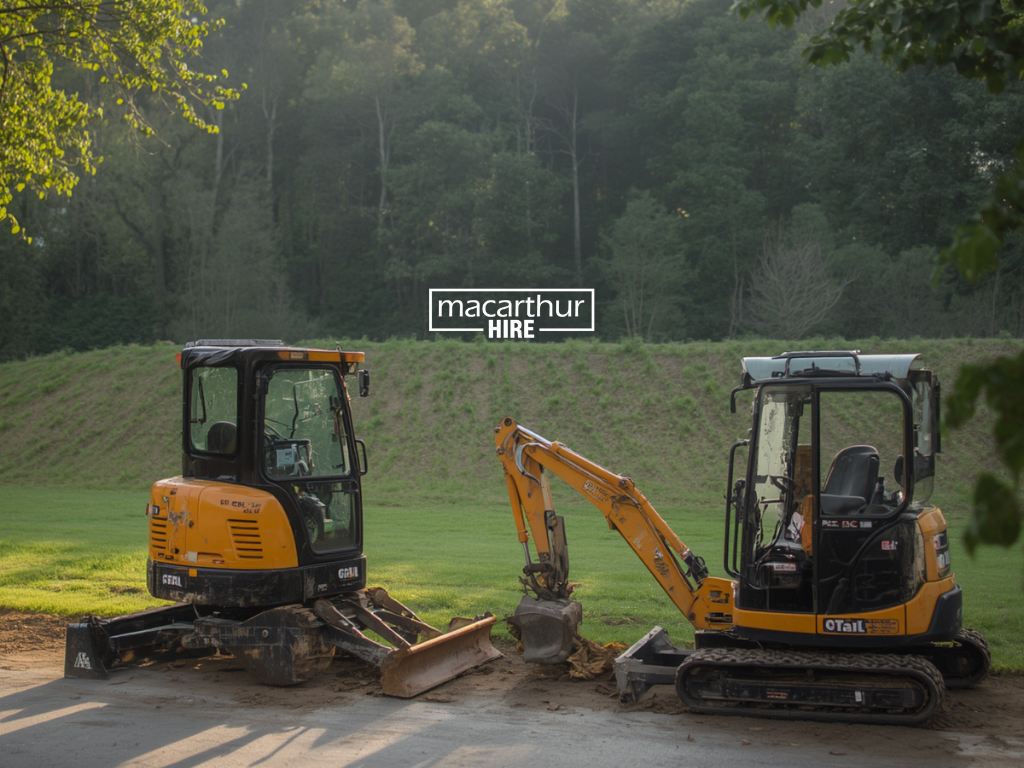
Landscaping often involves more than planting a few shrubs or spreading fresh mulch. Depending on the job, you may need to remove old vegetation, loosen compacted soil, dig trenches, move heavy materials, prepare a paving base or install a new lawn. Using suitable equipment can reduce physical work and help you complete each stage more efficiently.
However, hiring the largest machine available is not always the right answer. The best choice depends on the work you are doing, the size of the property, access to the site, ground conditions and your ability to operate the equipment safely. This guide explains the main options and what to consider when arranging Equipment Hire Leppington or comparing landscaping equipment in surrounding areas.
Identify the Work You Need to Complete
Before choosing equipment, divide the landscaping project into clear stages. A garden renovation might include removing old turf, clearing small plants, loosening the soil, digging drainage trenches, spreading new soil and preparing the area for turf or garden beds. Each stage can require a different tool or machine.
A cultivator or tiller may be useful for breaking up an existing garden bed, but it is not designed to move a large pile of soil. A mini dumper can transport soil and mulch around the property, while an excavator may be more appropriate for deeper digging or removing larger quantities of material. A plate compactor serves another purpose by creating a firm base beneath paving, paths or selected hard landscaped areas.
Thinking through the complete project helps you avoid hiring unsuitable equipment or arranging several separate hire periods unnecessarily. It also allows you to identify which tasks should be completed first, so machinery and materials arrive in the right order.
Consider the Size and Complexity of the Job
The physical size of the work area matters, but it is not the only consideration. A small backyard with difficult access can require more careful equipment selection than a larger open block. Measure gates, pathways and narrow spaces before booking anything. Remember to allow clearance for the machine itself and enough room for it to turn and operate.
Estimate how much soil, turf, gravel, mulch or green waste you expect to handle. Moving a few bags of soil may not justify powered equipment, while moving several loads across a large property can become slow and physically demanding without a mini dumper or loader.
Project duration also affects the decision. If several stages require the same equipment, it may be practical to organize them within one hire period. However, do not rush work simply to return a machine on time. Allow for equipment familiarization, changing ground conditions and reasonable delays.
Equipment for Clearing and Preparing the Ground
Clearing the site creates a workable area for the rest of the project. The equipment required will depend on what needs to be removed. A lawn mower may be enough for long grass, while a chainsaw may be suitable for approved cutting work involving larger branches or fallen timber. A hydraulic log splitter can help process suitable cut timber, but it does not replace safe tree-removal work by a qualified professional.
Powered cutting equipment requires careful handling and appropriate protective gear. If standing trees, large limbs or vegetation near power lines are involved, contact a suitably qualified contractor instead of attempting the work with hired equipment.
Once the vegetation has been cut, consider how it will leave the site. A cage trailer may help transport light garden waste, subject to the trailer’s load limits and the towing capacity of the vehicle. For heavier soil, broken paving or mixed materials, confirm that the transport method is suitable for the load and that the disposal facility accepts the material.
Machinery for Levelling and Soil Preparation
After clearing, you may need to loosen, reshape or level the ground. A cultivator or tiller can break up suitable compacted topsoil and prepare garden beds for soil improvement or planting. It works best when the area has already been cleared of large rocks, roots, irrigation lines and other obstructions.
For heavier work, a mini excavator or loader may be more practical. An excavator can remove soil, form garden levels and dig around planned retaining structures. A compact loader can scoop, carry and spread loose material across an accessible site. These machines perform different jobs, so the choice should be based on whether digging or material handling is the main task.
Ground moisture is also important. Very wet soil can become unstable, difficult to work and more vulnerable to damage from machinery. Dry, hard or rocky ground may require different equipment or attachments. If you are uncertain, describe the soil and recent weather conditions to the hire company before confirming the booking.
Choosing Equipment for Digging and Trenching
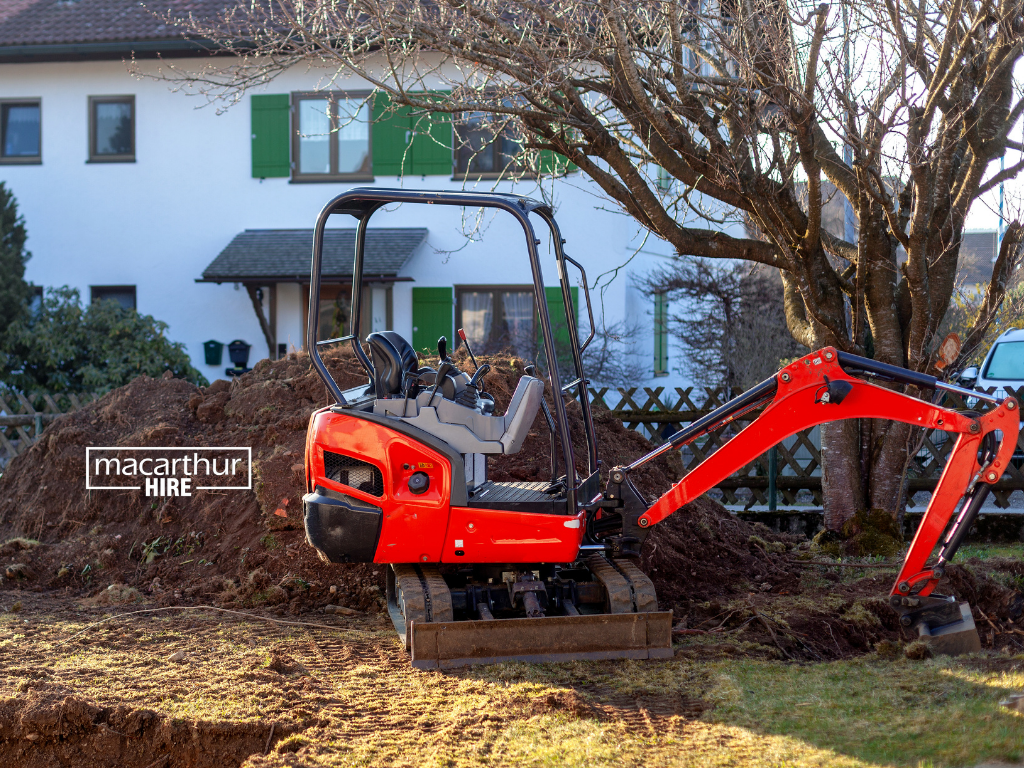
Mini Excavators for Trenches and Larger Excavation Work
A mini excavator may be useful for drainage lines, irrigation trenches, retaining-wall footings, garden-bed formation and removing unwanted soil. Smaller excavators are generally easier to position in restricted residential areas, while larger machines may provide more digging capacity where access and site conditions allow.
Do not choose an excavator based only on its overall size. Check its width, operating weight, digging depth, reach and tail-swing requirements. A machine might fit through a gate but still lack enough room to rotate safely beside a fence, wall or established garden.
You should also confirm which bucket or attachment is supplied. A narrow bucket may suit trenching, while a wider bucket may be better for general excavation and shaping. The correct option depends on the required trench width, depth and material being removed.
Before digging, identify underground utilities and obtain the necessary plans and approvals. Irrigation pipes, electrical cables, gas, water, telecommunications and drainage services may be hidden below the surface. Never assume an open-looking area is free of underground infrastructure.
Trenchers and Smaller Tools for Narrow Work Areas
A dedicated trencher may be appropriate for long, narrow trenches in suitable ground. It can be useful for some irrigation, drainage or service-installation work where a consistent trench is required. However, roots, rocks, buried materials and changing soil conditions may affect its suitability.
Manual tools can still be the better choice for short or shallow trenches, especially near known services or in delicate garden areas. They offer more control and may cause less disruption around established plants. The trade-off is that the work usually takes longer and requires more physical effort.
When comparing Equipment Rental Rosemeadow or Equipment Hire Catherine Field, explain the proposed trench length, width and depth rather than simply asking for a digging machine. This gives the supplier better information for recommending an appropriate option.
Equipment for Lawn Installation and Surface Preparation
New turf needs an even and properly prepared surface. The work may begin with cutting the existing grass low, removing unwanted turf and clearing stones, roots and building waste. A dethatcher can remove built-up thatch from an existing lawn, while an aerator can help relieve compaction when renovating a lawn rather than replacing it completely.
For a complete lawn replacement, a cultivator or tiller may help loosen suitable soil before amendments are incorporated. The area can then be leveled and graded so water moves away from buildings and does not collect in low spots. The final preparation method should suit the turf supplier’s instructions and the existing soil.
Avoid working the soil when it is saturated. Heavy equipment or repeated foot traffic can compact wet ground and leave deep ruts. If rain is expected, protect delivered soil and plan enough time for the area to dry before completing the final surface preparation.
Compaction and Finishing Equipment
Plate compactors are commonly used to prepare stable bases beneath paving, paths and other hard landscaped surfaces. They are not generally used to heavily compact the growing layer beneath turf, where excessive compaction can restrict drainage and root development.
The type and depth of base material will affect how compaction should be completed. Thick layers may need to be placed and compacted in stages rather than attempting to compact the full depth at once. Surface type and project specifications should guide the process.
A roller may be used lightly during some lawn-installation work to improve contact between turf and the prepared soil. It should not be so heavy that it creates an overly hard surface. If the project combines lawn, paving and garden beds, identify which areas need firm structural preparation and which need loose, workable soil.
How to Choose the Right Landscaping Equipment
Match the Equipment to Access and Ground Conditions
Access should be checked before comparing machine capacity. Measure the narrowest gate, side passage or driveway rather than the most open part of the property. Look for steps, low branches, eaves, overhead cables, soft lawns and sharp turns that could prevent safe delivery or operation.
Sloping ground requires particular care because machinery can become unstable when working across an incline. Soft or recently filled areas may not support heavier equipment. Nearby fences, retaining walls, pools and buildings can further reduce the safe working space.
Customers seeking equipment hire Currants Hill or equipment rental Currants Hill should also consider the surrounding street and unloading area. A property may have adequate internal access but no safe place for the delivery vehicle to stop and unload. Sharing photos, measurements and a simple description of the site can help the supplier identify possible access concerns before delivery.
Compare Capacity, Attachments and Hire Duration
Once access has been confirmed, compare equipment according to the actual job. For excavation, consider digging depth, reach and bucket type. For moving soil, examine load capacity and tipping method. For lawn care, match the cutting width and machine type to the size and condition of the area.
The Macarthur Hire equipment range includes landscaping and earthmoving options such as cultivators, lawn aerators, dethatchers, plate compactors, mini dumpers, loaders and excavators. Availability, included attachments and hire conditions should be confirmed for the required dates.
Ask what is included in the quoted hire price and whether transport, fuel, cleaning, damage-related charges or additional attachments are separate. Read the hire conditions before booking and check what identification, deposit or account requirements apply. A clear comparison should consider the full hire arrangement rather than the advertised daily rate alone.
Planning Equipment Hire Across South-West Sydney
Delivery can be helpful when equipment is too large or heavy to collect safely. Before booking, confirm whether delivery is available to the suburb, how the transport charge is calculated and whether someone must be present. Ask what access the delivery vehicle requires and who is responsible for moving the machine after unloading.
If collecting equipment yourself, confirm the combined weight of the machine and trailer, the required towing capacity, the correct tow-ball arrangement and any license conditions. The vehicle must be suitable for the total load, not merely fitted with a towbar.
These questions are useful whether you are searching for equipment rental Oran Park, equipment hire Oran Park or equipment hire Camden. Local proximity can be convenient, but equipment suitability, availability, transport arrangements and clear hire terms are equally important.
Consider Local Availability Before Setting Your Schedule
Landscaping equipment may be in greater demand during weekends, warmer months and periods of dry weather. Check availability before arranging turf delivery, tradespeople, waste removal or bulk materials. If one part of the schedule changes, other bookings may also need to move.
Allow enough time for delivery, equipment familiarization and safe completion of the work. Trying to fit an unrealistic amount of work into a short hire period can lead to rushed decisions. A longer hire may sometimes be more practical, but compare the available rates and conditions before deciding.
Weather should remain part of the plan. Rain can delay excavation, make access unsafe and affect soil preparation. Hot conditions may also influence working hours and the timing of turf installation. Ask what happens if weather prevents safe use and whether extensions are subject to availability.
When Should You Contact an Equipment Hire Company?
Ask for Advice When You Are Unsure What to Hire
Contact a hire company when the job involves uncertain ground conditions, restricted access, unfamiliar machinery or several possible equipment choices. Provide useful details such as the type of work, dimensions of the area, gate width, surface conditions, required digging depth and approximate quantity of material.
Photographs can make the discussion clearer, although they do not replace an appropriate site assessment where one is required. Ask whether the proposed machine is suitable for the work and what operating knowledge or safety precautions are expected.
Macarthur Hire can be contacted when you need help comparing available lawn and landscaping equipment with relevant earthmoving equipment. Recommendations will be more useful when you provide specific project and access information instead of requesting a general landscaping machine.
Confirm the Practical Details Before Booking
Before confirming the hire, check the exact equipment model, included attachments, hire period, collection or delivery time, payment requirements and return process. Ask how fuel and cleaning are handled, what happens if the equipment develops a fault and whom to contact if the project runs longer than expected.
You should also understand your responsibilities for safe operation, security and damage while the equipment is in your possession. Inspect the machine when it arrives, record any existing damage and ask for operating guidance if something is unclear. Do not use equipment that appears damaged or unsafe.
Choosing suitable landscaping equipment begins with understanding the task, not simply selecting the most powerful machine. When you account for access, ground conditions, material volume, safety and timing, it becomes easier to arrange equipment that genuinely fits the project. To discuss a landscaping job, contact Macarthur Hire with your site measurements, project details and preferred hire dates so the available options can be compared clearly.