A damaged roof does not always need to be replaced. In many cases, a localised problem such as a cracked tile, loose flashing or isolated leak may be repairable. In other situations, repeated leaks, widespread material deterioration or damage across several roof sections may make replacement a more practical long-term option.
The difficulty is that roofing problems are not always easy to assess from the ground. A small ceiling stain can come from water travelling along framing before entering the room, while damage that appears minor from outside may affect the underlay, battens or roof structure beneath the visible surface.
Sydney homes are also exposed to conditions that can place pressure on roofing materials, including strong sun, heavy rain, hail, wind and sudden storms. Severe weather has repeatedly caused roof and property damage across metropolitan Sydney, including Western Sydney and surrounding regions.
For that reason, choosing between roof repair in Sydney and full replacement should be based on the actual condition of the roof rather than its appearance alone. A proper assessment should consider the extent of the damage, the age and type of roofing, the history of previous repairs and the likely cost of keeping the existing roof serviceable.
Look for visible warning signs inside and outside
Roof problems often become noticeable inside the property before the damage can be clearly seen outside. Water marks on ceilings, peeling paint, damp patches, mould-like discolouration or moisture around skylights may indicate that water is entering somewhere above.
However, the location of an internal stain does not always identify the exact point of entry. Water may pass beneath tiles, move along roof framing or follow pipes and other surfaces before dripping into the room.
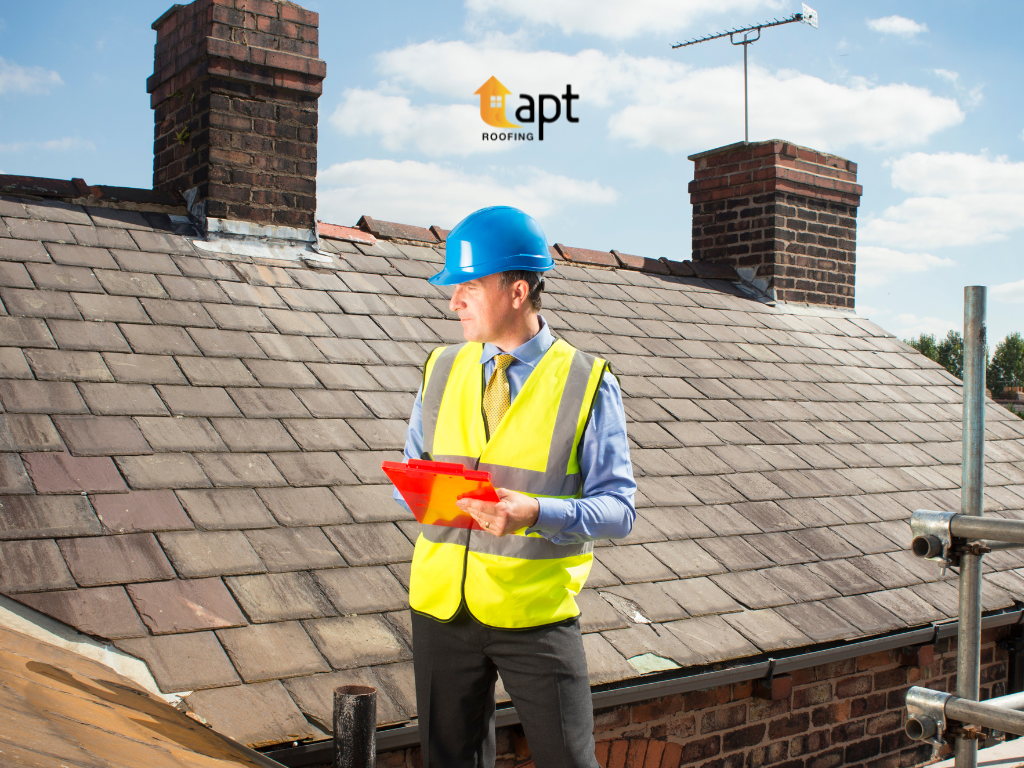
From ground level, property owners may notice cracked or displaced tiles, lifted metal sheets, loose ridge capping, damaged gutters, sagging sections or debris resting on the roof. Binoculars or photographs taken from a safe location can help, but climbing onto a roof without suitable equipment and experience is unsafe.
After a storm, also look for pieces of tile, metal or flashing on the ground. Fallen branches, overflowing gutters and damaged downpipes may provide further signs that the roof or drainage system should be inspected.
Emergency services may be needed when there is immediate danger, such as a fallen tree, major structural damage, exposed electrical equipment or rapidly entering water. A roofing contractor can then assess temporary make-safe work and permanent repairs once the area is safe.
Consider the roof’s age, material and repair history
The age of the roof provides useful context, but age alone does not determine whether replacement is necessary. A well-installed and maintained roof may continue performing effectively, while a newer roof can still develop problems due to poor installation, storm damage or unsuitable repairs.
Different materials also deteriorate in different ways. Concrete and terracotta tiles may crack, move or develop problems around ridge capping. Metal roofs may experience loose fixings, corrosion, damaged flashings or failed seals around penetrations.
The history of previous work matters as well. One isolated repair over many years may not be concerning. Several repairs in the same area, recurring leaks or repeated sealant patches may indicate that the underlying problem has not been properly resolved.
When arranging Sydney roof repairs, provide the contractor with any available information about previous leaks, repairs, renovations, solar installations, skylights or roof-mounted equipment. These details can help narrow down possible entry points.
A roofing assessment should consider both the visible covering and the parts beneath it. Depending on the problem, this may include sarking, underlay, battens, timber, insulation and ceiling spaces.
Work Out Whether the Damage Is Localised or Widespread
A targeted roof repair in Sydney may be suitable when the damage is limited to a clearly identifiable area and the surrounding roofing remains in serviceable condition.
Examples can include a small number of broken tiles, a loose flashing, an isolated damaged sheet, failed sealing around a vent or a local gutter problem. In these situations, correcting the source and replacing affected materials may restore the roof without disturbing sound areas.
The proposed repair should address the cause rather than only covering the symptom. Applying sealant over a recurring leak without identifying why water is entering may provide only temporary relief.
Ask the roofer to explain what was found, which materials need attention and why the proposed method is appropriate. Photographs can be useful when the affected area is difficult for the property owner to view safely.
The contractor should also explain whether nearby materials are showing signs of deterioration. A repair may be technically possible, but it may offer limited value if adjacent sections are likely to fail soon.
Roofing repairs Sydney property owners arrange should be based on a defined scope. This makes it easier to understand what is included and whether any additional work may be needed after materials are removed.
When repeated problems can indicate a larger issue
Replacement may become more practical when damage is widespread, the roofing system has reached an advanced stage of deterioration or repairs are no longer providing a reliable result.
Warning signs can include leaks appearing in several rooms, large areas of cracked or slipping tiles, extensive corrosion, widespread failed fixings or repeated moisture entry after previous repairs.
The condition of the supporting structure must also be considered. If water has been entering for a long period, timber, insulation or internal finishes may require separate work. A roofing quotation should clearly state whether these items are included.
A roof replacement in Sydney may also be considered during a major renovation, particularly when roof penetrations, extensions or structural changes will affect large sections of the existing covering.
Replacement should not be recommended solely because it is the more expensive option. The contractor should be able to explain why repair is unlikely to provide a suitable outcome.
Likewise, homeowners should be cautious about continuing to fund repeated temporary work when the roof has broader defects. Comparing the expected benefit of another repair with the cost and service life of replacement can support a more informed decision.
Understand How Sydney Conditions Affect Roofing
How rain, wind, hail and heat can expose weaknesses
Sydney’s weather can expose weaknesses that remain unnoticed during dry and mild periods. Heavy rain may reveal failed flashings, cracked tiles, blocked drainage or small openings around penetrations.
Strong winds can lift loose materials, move ridge components and drive rain beneath areas that normally remain dry. Falling branches may break tiles or dent metal roofing, while hail can damage roof surfaces, skylights and gutters.
Research into Australian hail conditions identifies hail as a major source of insured natural-hazard losses nationally. Sydney also has a long history of severe hail, wind and rainfall events affecting roofs and buildings.
Heat can also affect roofing over time. Metal components expand and contract, sealants can deteriorate and some materials may become brittle. The effect depends on the roof type, installation quality, exposure and maintenance history.
After severe weather, property owners should inspect the building from a safe position and record visible damage. Photographs taken soon after the event may also assist when discussing the problem with a roofer or insurer.
Do not delay attention to active water entry. Moisture can affect ceilings, insulation, electrical areas and internal finishes if the source remains unresolved.
Why drainage, flashing and roof penetrations need attention
Not every roof leak is caused by a damaged tile or sheet. Water often enters around the points where different materials and building elements meet.
Flashings are used around walls, chimneys, valleys, skylights and other junctions to direct water away from openings. When flashing becomes loose, damaged or incorrectly installed, rain may pass beneath the roof covering.
Roof penetrations such as vents, aerial mounts, solar equipment and exhaust outlets also need suitable sealing and flashing. Changes made by other trades can create leaks when penetrations are not finished correctly.
Gutters and valleys must be able to move water away from the roof. Leaves, silt and debris can restrict flow and cause water to back up beneath roofing materials or overflow into areas where it causes damage.
Recent Australian maintenance advice has highlighted roof and gutter checks as practical steps that may reduce avoidable storm-related damage.
A complete inspection should therefore examine drainage and junctions rather than focusing only on the most visible roof surface.
Compare Repair and Replacement Properly
A repair generally has a lower immediate cost than complete replacement, but the cheapest quotation is not always the lowest-cost decision over time.
If the roof is otherwise sound, a properly completed repair may restore performance and avoid unnecessary replacement. If several major areas are deteriorating, repeated repair costs may eventually approach the cost of broader work without providing the same expected service life.
Ask how long the proposed repair is reasonably expected to remain effective. The contractor should explain any factors that limit the expected result, such as ageing surrounding materials or difficulties matching discontinued products.
For replacement, ask which roof areas are included and whether the quote covers removal of existing materials, disposal, new underlay, battens, flashings, fixings, ridge work and related components.
The quote should also explain whether gutters, fascia, insulation, skylights and structural repairs are included or excluded.
No contractor can promise the exact future life of a roof because performance depends on materials, installation, weather, maintenance and later alterations. Any fixed durability claim should be supported by relevant product and workmanship information.
Account for access, materials and hidden damage
Roofing prices depend on more than the visible size of the damaged area. Access, height, pitch and surrounding structures can affect labour and safety requirements.
A steep or difficult roof may require scaffolding, edge protection or specialised access equipment. Solar panels, aerials, skylights and air-conditioning units may also affect how the work is completed.
Material choice influences the scope. Matching an older tile profile or colour can be difficult, while replacing metal sheets may require work around flashings and neighbouring sections.
Hidden damage can only become visible after tiles, sheets or internal linings are removed. The quote should explain how unexpected conditions will be reported and approved.
A roof repairs service in Sydney should not proceed with substantial unquoted additions without discussing the findings with the customer. Written variations help both parties understand the revised work and cost.
When comparing repair and replacement, review the complete scope rather than comparing only the final totals. One quote may appear lower because important items have been excluded.
Choose the Right Roofing Service and Contractor
Compare written quotes and the proposed scope
A useful roofing quote should identify the affected areas, proposed work, materials and major exclusions. Broad wording such as “repair roof leak” provides little information about what will actually be completed.
Ask whether the contractor has inspected the roof in person. Photographs and customer descriptions may help with an initial discussion, but some faults cannot be diagnosed accurately without a proper inspection.
Compare the proposed repair method, not only the price. One roofer may propose replacing damaged flashing, while another may suggest applying sealant. These are not equivalent scopes.
The quote should explain waste removal, site protection and whether internal water damage is included. It should also state the payment arrangements and anticipated scheduling process.
For a roof replacement in Sydney, confirm the exact roof sections included. A property may contain several roof areas constructed at different times, and not every section may require the same work.
Keep copies of the quote, invoice, product information, photographs and written correspondence. These records may be useful for future maintenance, warranties or insurance matters.
Check licensing, insurance and warranty information
Before engaging a roofer in Sydney, confirm that the contractor is appropriately authorised for the work being proposed. NSW requirements can vary according to the type and value of residential building work, so current contractor and licence details should be checked through the relevant NSW government sources.
The contractor should also be able to explain its insurance arrangements and any workmanship warranty offered. Product warranties may be provided separately by the material manufacturer and may have specific installation or maintenance conditions.
Do not rely only on a business name, website or social media profile. Confirm the legal entity providing the quotation and invoice.
Recent cases involving unsafe roofing work in Sydney underline the importance of checking contractor credentials and safety practices before work begins.
Ask how workers will access the roof and manage fall risks. Roofing is high-risk work, and safety measures should form part of the project planning rather than being treated as an optional extra.
Be cautious when someone arrives unexpectedly after a storm, pressures you to sign immediately or requests a large payment before providing a clear written scope.
Plan the Work and Protect the Property
Prepare for access, noise, weather and waste removal
Before work begins, confirm how contractors will access the property and which areas must remain clear. Vehicles, outdoor furniture and fragile items may need to be moved away from work zones.
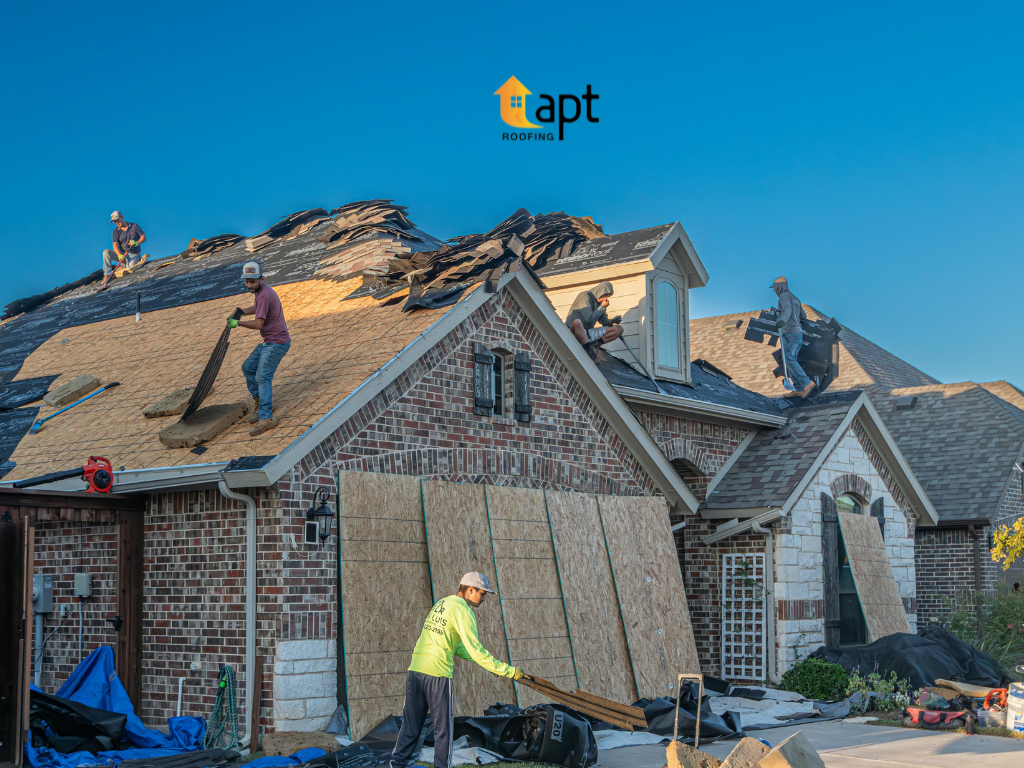
Roof replacement can create noise, vibration and debris. Occupants working from home, caring for children or managing pets may need to plan around the work.
Ask how the contractor will protect gardens, windows, driveways and neighbouring areas. The plan should also cover the collection and removal of old tiles, metal, fixings and packaging.
Weather can affect scheduling. Some repair products and installation processes require dry conditions, while strong wind or rain can make roof access unsafe.
A delay caused by unsafe conditions should not be confused with poor planning. The contractor should communicate schedule changes and explain how exposed areas will be protected if weather interrupts the project.
For active leaks, temporary make-safe work may be needed before a permanent repair can be completed. The temporary work should be described clearly so the owner understands that further action is still required.
Confirm how unexpected damage will be handled
Roof work sometimes reveals damage that could not be seen during the initial inspection. Examples may include rotten battens, damaged underlay, corroded components or moisture-affected timber.
Before the project starts, ask how these discoveries will be documented. Photographs and a written explanation can help the owner understand why additional work is recommended.
The contractor should provide a variation describing the extra scope and price before proceeding, except where urgent work is required to prevent immediate danger or damage.
The owner should also know who will coordinate other trades if electrical, solar, structural or internal ceiling work is needed.
Insurance-related work may involve additional approval processes. Confirm whether the contractor communicates directly with the insurer or whether the property owner must provide documentation.
Clear communication reduces confusion and helps prevent disputes about work that was not included in the original quote.
When to Contact APT Roofing
Request an inspection when the cause is unclear
APT Roofing may be contacted when a Sydney property owner needs help identifying the likely cause of a leak, damaged roof section or recurring roofing problem.
Before making contact, note where the problem is visible, when it first appeared and whether it becomes worse during particular weather. Photographs taken safely from inside or at ground level may also assist the initial discussion.
It is helpful to mention previous repairs, roof-mounted equipment and any recent storm activity. This information can help the roofer understand what may need closer inspection.
Ask whether the recommended service is a repair, maintenance visit or broader roof assessment. If replacement is suggested, request an explanation of why targeted roofing repairs Sydney homeowners commonly use would not provide a suitable outcome.
A roofing company can explain material condition and repair options, but structural concerns may require additional advice from an appropriately qualified building professional or engineer.
Seek prompt help after leaks or storm damage
Contact a roofing service promptly when water is actively entering the property, roof materials have moved or storm damage is visible.
Do not enter a ceiling space where water may be near electrical wiring, and do not climb onto a wet or damaged roof. Where there is an immediate threat to people or property, contact the appropriate emergency service first.
After the area is safe, a roofer in Sydney can assess whether temporary make-safe work is required and what permanent repair should follow.
Sydney roof repairs should not be delayed simply because an internal stain appears small. Water entry may spread beyond the visible area and affect insulation, ceilings or other building materials.
When contacting APT Roofing, request a clear explanation of the findings, the proposed work and any limitations. A written scope allows the property owner to compare options and make a more informed decision.
The right choice between repair and replacement depends on the whole roof, not one photograph or one visible leak. A careful assessment, transparent quotation and realistic discussion of the expected outcome provide a stronger basis for protecting the property.