Buying home health supplies online makes it easier for Australians to compare medical equipment, explore product features and find healthcare essentials without visiting multiple stores. Whether you are managing a health condition, supporting an older family member or purchasing equipment for everyday care, choosing the right products requires more than comparing prices.
Online healthcare stores offer everything from digital blood pressure monitors and blood glucose meters to mobility aids and personal care products. However, not every device is suitable for every person, and product quality, safety information and supplier reliability can vary.
Before purchasing medical equipment online, it helps to understand what features matter, how Australian regulations apply and what protections are available if something goes wrong.
This guide explains how to compare healthcare products, identify reliable suppliers and make informed purchasing decisions.
What to Know Before Buying Home Health Supplies Online
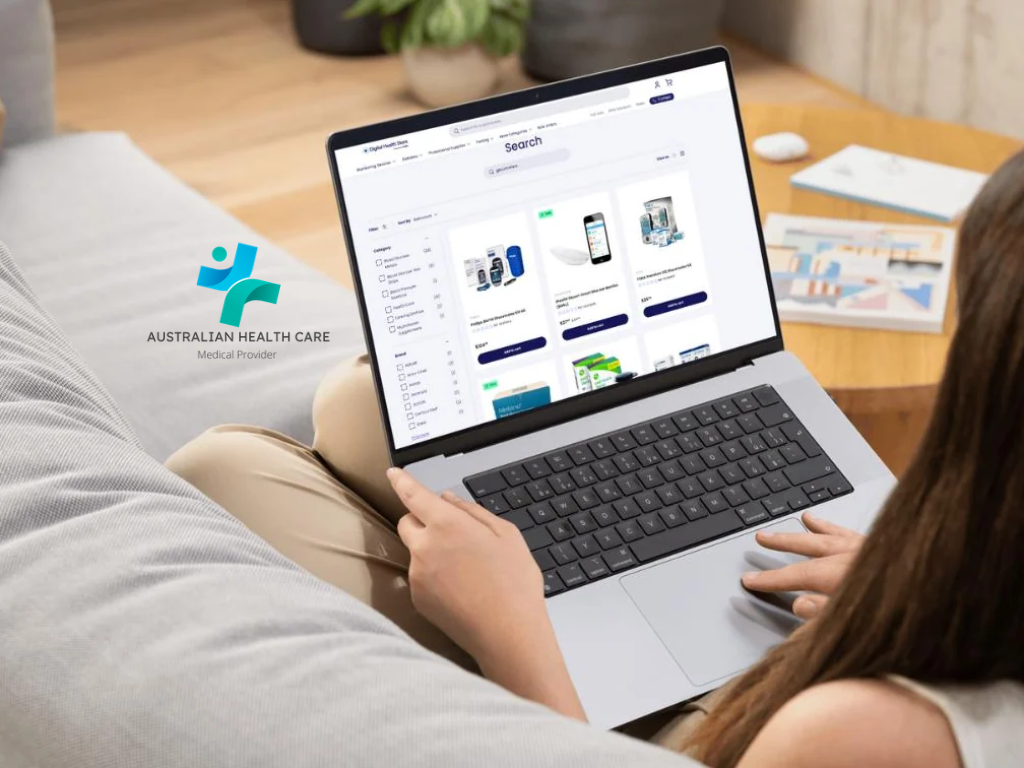
Why Australians Purchase Home Health Supplies Online
Shopping online allows customers to explore healthcare products, compare specifications and review purchasing conditions from home.
This can be particularly useful for older Australians, carers and people who need regular access to health monitoring equipment.
Online stores may also provide detailed product information, including measurements, operating instructions, available accessories and delivery arrangements.
However, purchasing home health supplies should begin with understanding what the equipment is intended to do.
A product that works well for one household may not suit another person’s physical abilities, medical requirements or daily routine.
Before ordering, consider who will use the equipment, how frequently it will be needed and whether professional guidance is required.
Understanding the Different Types of Medical Equipment
Home healthcare products cover several categories with different purposes.
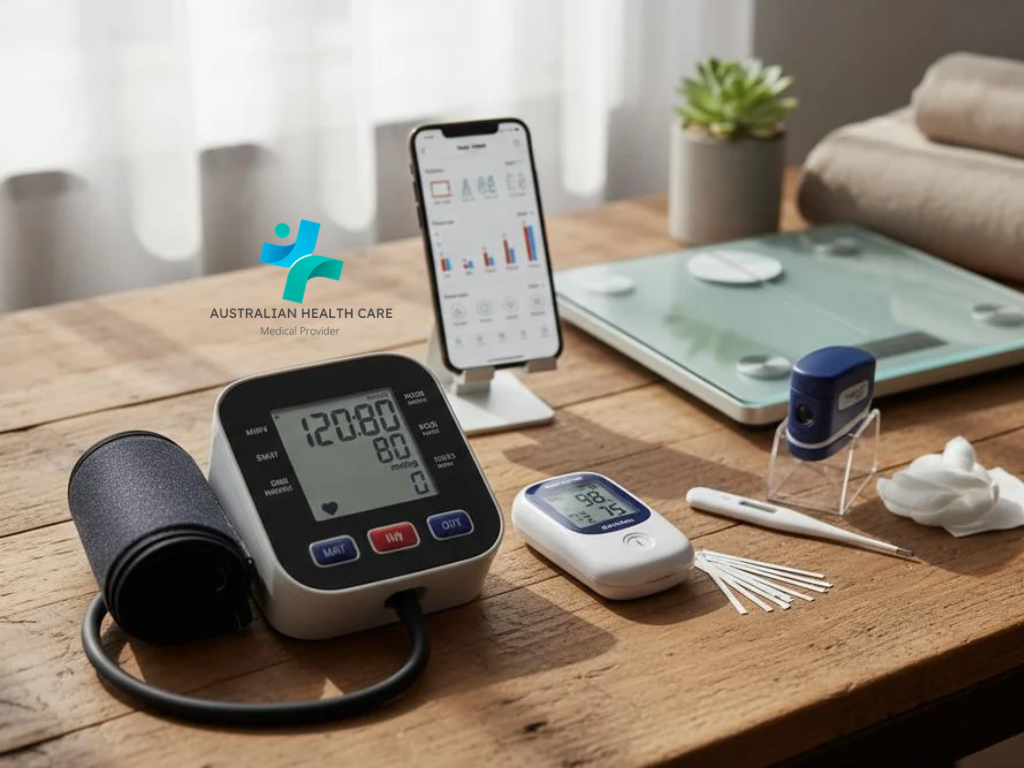
Monitoring devices include blood pressure monitors, digital thermometers, pulse oximeters and blood glucose meters.
Everyday health care supplies may include first aid essentials, personal hygiene products and medication organisers.
Other healthcare equipment, such as walking frames, shower chairs and daily living aids, may help people manage activities at home.
It is important to distinguish general wellbeing products from medical devices intended to diagnose, monitor, treat or manage health conditions.
The intended purpose of a product affects its suitability and may determine which Australian regulatory requirements apply.
Understanding these differences makes it easier to narrow your choices before comparing individual products.
How to Check the Safety and Quality of Medical Products
Understanding Australian Medical Device Regulations
The Therapeutic Goods Administration (TGA) regulates medical devices supplied in Australia.
Generally, medical devices must be included in the Australian Register of Therapeutic Goods (ARTG) before being supplied, unless an applicable exemption or other regulatory exception applies.
Customers researching australian medical supplies can check the TGA’s official information to understand relevant regulatory requirements.
Where applicable, the ARTG can help confirm whether a device is included and identify relevant product and sponsor details.
However, not every health-related product is classified as a medical device, and ARTG inclusion is not a guarantee that a product is suitable for every individual.
Extra care is needed when purchasing from overseas websites, as products may have different regulatory, warranty or support arrangements.
For medical devices used to manage a health condition, seek professional advice if you are uncertain about suitability.
What to Look for in Product Specifications and Safety Information
A reliable product listing should provide enough information for customers to understand what they are buying.
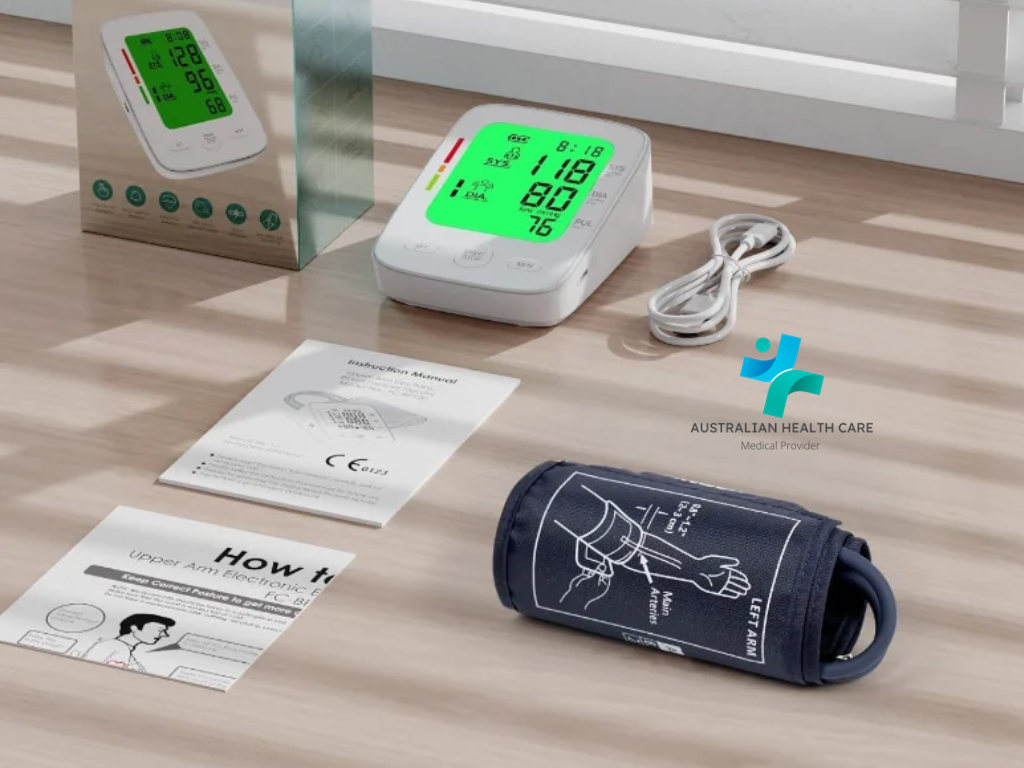
For a digital blood pressure monitor, relevant details include cuff compatibility, measurement method, display readability and whether the device has been clinically validated.
For a blood glucose meter, check the measurement units, compatible test strips, included accessories and instructions for use.
Customers should also review battery requirements, storage conditions, cleaning instructions and any warnings supplied by the manufacturer.
Product photographs alone are not enough to establish quality or suitability.
When comparing home health supplies, look for clear model information and instructions that match the product being sold.
If important specifications are missing, contact the supplier before ordering.
Choosing the Right Home Health Supplies for Your Needs
Comparing Healthcare Equipment for Everyday Home Use
The most suitable healthcare product depends on the user’s needs, abilities and intended use.
For example, someone purchasing a blood pressure monitor should consider whether the device is clinically validated, easy to operate and supplied with an appropriately sized cuff.
Automatic upper-arm monitors are generally preferred for home blood pressure monitoring, although individual circumstances may require professional guidance.
A person comparing blood glucose meters should consider display readability, test-strip compatibility and the ongoing availability of consumables.
For mobility equipment, height adjustment, stability, weight capacity and available space at home may affect suitability.
When comparing home health supplies, focus on practical features that support regular and appropriate use.
A device with additional functions is not automatically a better choice if those features are unnecessary or difficult to operate.
When to Seek Professional Advice Before Purchasing
Some medical equipment should be selected with guidance from a qualified healthcare professional.
This is particularly important when equipment is required for managing an existing medical condition or when incorrect use could affect health decisions.
For example, a doctor or diabetes educator can explain which blood glucose monitoring method is appropriate for an individual’s care plan.
A pharmacist or healthcare professional may also provide guidance on blood pressure monitoring and correct device use.
People experiencing mobility difficulties may benefit from an assessment by a physiotherapist or occupational therapist before choosing mobility aids.
Home monitoring devices can provide useful information, but they should not replace professional assessment, diagnosis or treatment.
The goal is to choose equipment that supports the person’s care requirements safely and effectively.
How to Identify a Reliable Australian Online Supplier
What to Check When Comparing Australian Health Supplies
Choosing a trustworthy supplier is just as important as choosing the right product.
When researching australian health supplies, review the retailer’s business details, contact information, product descriptions and customer support arrangements.
A reliable website should make it reasonably clear who operates the business and how customers can request assistance.
Check whether product listings identify the manufacturer, model, included accessories and relevant specifications.
It is also worth confirming whether products are dispatched from Australia or supplied through international distribution arrangements.
An Australian domain name does not necessarily mean every product is stocked locally.
Australian Health Care offers online healthcare products, including home care and medical equipment categories.
Customers comparing suppliers should review individual product information, delivery conditions and support options before purchasing.
Questions to Ask Before Ordering Australian Medical Supplies
Before placing an order, consider whether the supplier can answer practical questions about the product.
For example, is the advertised model suitable for the intended purpose? Are batteries, cuffs or test strips included? Can compatible accessories be purchased separately?
It is also useful to clarify warranty arrangements, expected dispatch times and whom to contact if the device develops a fault.
For products requiring regular consumables, confirm whether compatible replacements are readily available.
When purchasing home health supplies for someone else, check that the intended user can understand the instructions and operate the device comfortably.
Clear answers help customers make better decisions and reduce the likelihood of ordering unsuitable equipment.
Comparing Prices, Features and Ongoing Equipment Costs
Why the Lowest Price Is Not Always the Best Value
The cheapest medical equipment is not necessarily the most suitable.
Two devices may look similar while offering different measurement methods, accessories, warranty arrangements and operating features.
For example, one blood pressure monitor may include memory storage for previous readings, while another may offer only basic measurement functions.
The important question is whether those features are useful for the person operating the device.
Customers comparing home health supplies should examine what is included in the purchase price rather than focusing on discounts alone.
Delivery charges, replacement accessories and product support can also affect overall value.
A suitable, easy-to-use device with clear instructions may be a better purchase than an inexpensive alternative that does not meet the user’s requirements.
Understanding Replacement Parts and Ongoing Supplies
Some medical devices involve ongoing costs after the initial purchase.
Blood glucose meters, for example, require compatible test strips, and some systems may require additional testing accessories.
Other devices may need replacement batteries, cuffs, filters or maintenance components.
Before purchasing healthcare equipment, check whether these accessories are available and how often they may need replacement.
Compatibility is particularly important because accessories are not always interchangeable between models or manufacturers.
It is also worth reviewing cleaning and storage instructions to understand how the equipment should be maintained.
Considering these practical requirements helps buyers estimate the longer-term cost of using their chosen device.
Delivery, Returns and Warranties for Online Medical Purchases
Checking Delivery Conditions for Home Health Supplies
Delivery arrangements deserve attention when equipment is needed for regular care.
Before purchasing home health supplies, review the supplier’s shipping information, estimated dispatch times and delivery charges.
Check whether the product is available for immediate dispatch or ordered through a supplier.
For customers in Sydney, Western Sydney or regional Australia, delivery availability and timeframes may differ depending on the retailer and product location.
If equipment is needed urgently, confirm availability directly rather than relying on a general delivery estimate.
Customers should also check how fragile or sensitive items are packaged and what to do if an order arrives damaged or incomplete.
Keeping the order confirmation and product details can make enquiries easier if delivery problems occur.
Understanding Returns and Australian Consumer Guarantees
Online purchases from Australian businesses are generally covered by consumer guarantees under Australian Consumer Law.
These guarantees apply to matters such as acceptable quality, product descriptions and suitability for a disclosed purpose in relevant circumstances.
A retailer’s voluntary returns policy does not remove applicable statutory rights.
However, businesses are generally not required to provide a refund simply because a customer changes their mind, unless their policy or another legal requirement provides for it.
Some health care supplies may have specific hygiene-related conditions for voluntary change-of-mind returns.
These conditions should not be confused with rights relating to faulty products.
If medical equipment arrives damaged, is defective or does not match its description, contact the seller and explain the problem.
Depending on the circumstances and seriousness of the failure, Australian Consumer Law may provide remedies such as repair, replacement or refund.
Understanding the difference between a manufacturer’s warranty, a change-of-mind policy and consumer guarantees helps customers approach purchases with greater confidence.
Making a Confident Home Healthcare Purchase Online
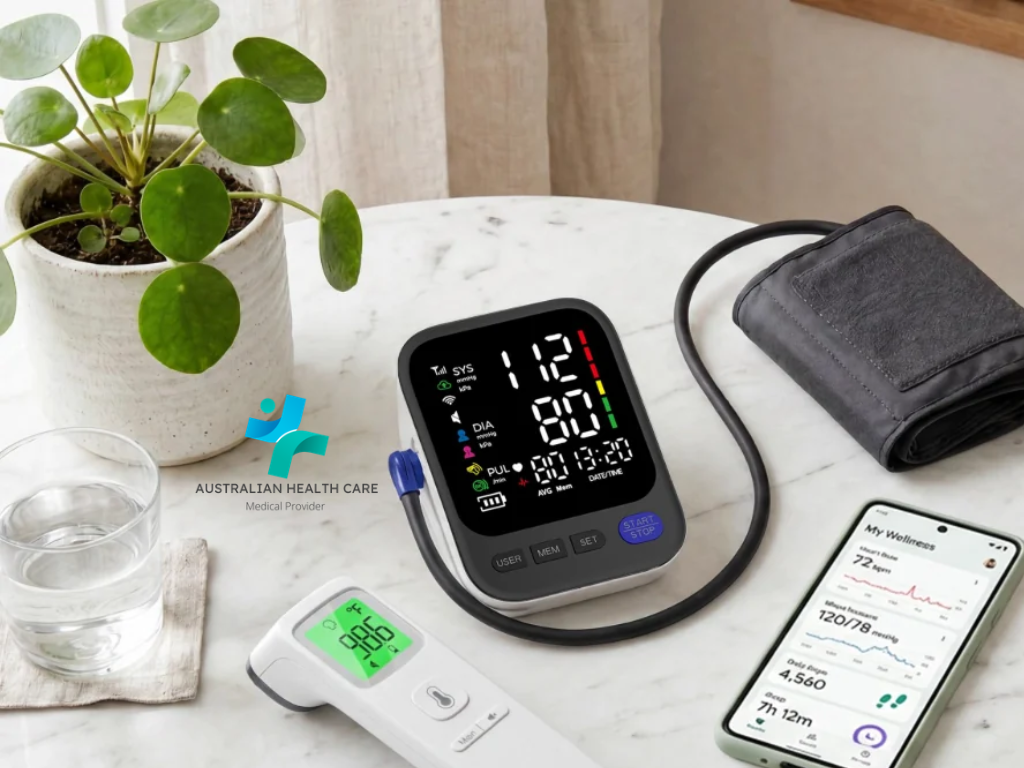
A Final Checklist Before Buying Home Health Supplies
Before completing an online order, review whether the product matches the intended user’s needs.
Confirm the device model, relevant specifications, manufacturer instructions and included accessories.
For medical devices, check applicable Australian regulatory information and seek professional guidance when necessary.
Review whether replacement parts or consumables are available, particularly if the equipment will be used regularly.
It is also important to check the supplier’s contact details, warranty information, delivery arrangements and returns policy.
If something is unclear, ask questions before making payment.
Buying home health supplies should be based on suitability, safety and reliable information rather than price alone.
Finding Health Care Supplies That Support Everyday Needs
The right home healthcare equipment can help people manage everyday activities and follow appropriate home monitoring routines.
Whether purchasing a thermometer, blood pressure monitor, glucose meter or daily living aid, customers benefit from understanding how the equipment works and what ongoing care it requires.
Australian Health Care provides an online range of healthcare and home care products for customers exploring different equipment options.
Visit Australian Health Care to review available products, compare specifications and check relevant purchasing information.
If you are unsure which product is suitable, seek guidance from a qualified healthcare professional and contact the supplier for clarification about product features or accessories.
Buying medical equipment online can be convenient, but a confident decision begins with accurate information.
By checking product suitability, supplier reliability, ongoing costs and consumer protections, Australian customers can make informed choices about the home health supplies they purchase.