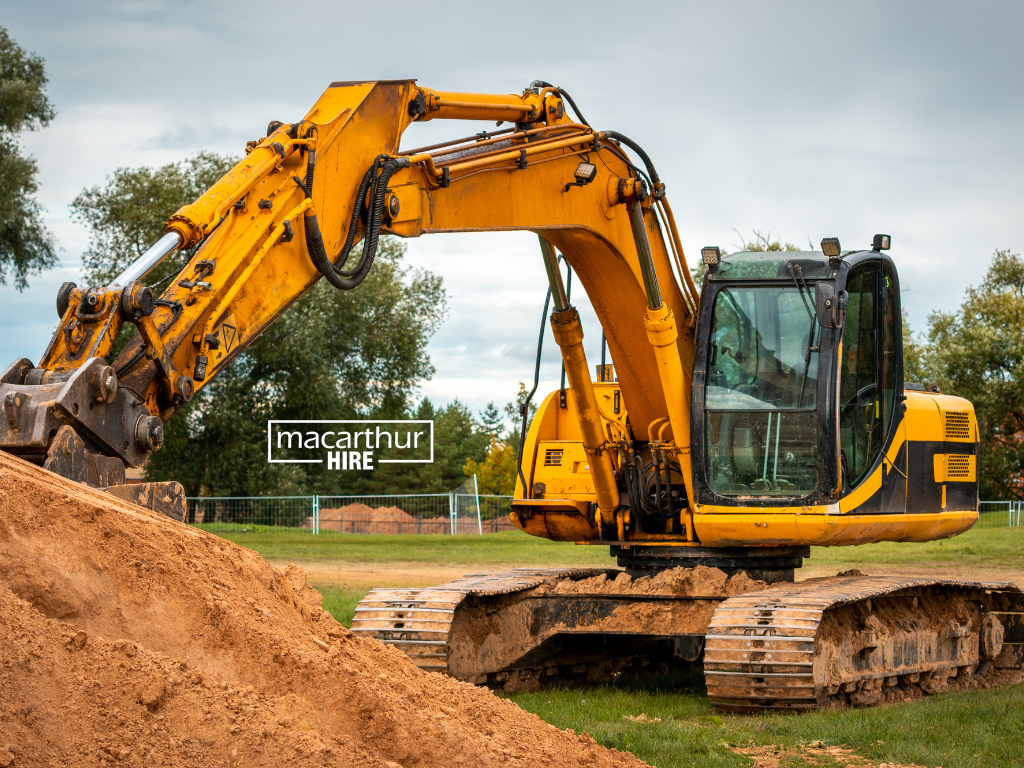
Excavators are available in different sizes, from compact mini excavators designed for restricted spaces to larger machines used for substantial earthmoving and construction activities. Each category offers different digging capabilities, operating weights, dimensions and attachment options.
However, choosing an excavator is not simply about selecting the largest machine available. The correct equipment depends on the type of work, available site access, ground conditions, required digging depth and the experience of the operator.
For Australian customers comparing excavator hire macarthur options, understanding these differences can help avoid unnecessary hire costs, unsuitable equipment and project delays.
This guide explains how to compare excavator sizes, assess site requirements and choose equipment that suits your project before arranging a hire.
Why Choosing the Right Excavator Size Matters
Excavator size affects more than digging power.
A machine’s operating weight, overall width, digging reach and manoeuvrability all influence whether it is suitable for a particular site.
For example, a compact excavator may be appropriate for digging drainage trenches in a residential backyard where access is limited.
A larger excavator may be more suitable for substantial soil removal or site preparation where additional digging capacity is required and sufficient working space is available.
However, a larger machine may create difficulties when operating near fences, existing buildings, overhead obstacles or restricted access paths.
Choosing equipment that is too small can also affect project efficiency.
If a machine lacks the required digging depth, reach or suitable bucket capacity, completing the excavation may become unnecessarily difficult.
The goal is to match the excavator’s capabilities to the work rather than assume that a larger or smaller machine will always be the better choice.
Understanding Construction Equipment Excavator Categories
Excavators are commonly grouped by operating weight, generally expressed in tonnes.
Compact mini excavators are often used for residential landscaping, drainage and other projects where space is limited.
Small excavators in approximately the 1 to 2 tonne range may be suitable for selected tasks involving narrow access and relatively modest excavation requirements.
Machines in the 3 to 5 tonne range may offer additional digging capabilities while remaining practical for some residential and light commercial projects.
Larger excavators may be required for substantial earthmoving, commercial construction and more demanding site preparation.
Australian equipment hire companies commonly offer machines across several weight classes, including compact 1.7 tonne excavators, 3.5 tonne machines and larger models. However, specific sizes and available configurations vary between suppliers.
Operating weight alone does not determine performance.
Two excavators within the same weight category may have different overall widths, digging depths, bucket capacities and hydraulic capabilities.
Always compare the manufacturer’s specifications for the actual machine rather than relying exclusively on its weight classification.
Compare Excavator Sizes for Different Projects
The type of excavation work is one of the most useful starting points when selecting equipment.
Residential landscaping, drainage installations, foundation preparation and commercial earthmoving can require different machine capabilities.
Before hiring a construction equipment excavator, consider the amount of material being moved, the space available and the accuracy required for the work.
Mini Excavators for Residential and Landscaping Work
Kubota excavator are commonly used for projects where access and manoeuvrability are important.
Typical applications may include garden preparation, drainage trenches, small landscaping excavations and selected retaining wall preparation tasks.
For example, a homeowner may need an excavator to prepare an area for a garden renovation or install drainage within an existing backyard.
If access is available only through a narrow side passage, a compact machine may be more practical than a larger excavator.
Some mini excavators have adjustable tracks that can reduce their travel width, although the minimum width and operating configuration depend on the model.
Customers should also consider the amount of space required for the excavator to rotate, position its boom and move excavated material.
A narrow machine may fit through a gate but still need considerably more space to operate safely.
Compact excavators can be useful for detailed work, but they have limitations.
Their digging depth, lifting capability and material-handling capacity may be insufficient for larger projects.
Before hiring, compare the machine’s specifications with the actual work requirements rather than assuming that a mini excavator is appropriate for every residential site.
Larger Excavators for Construction and Site Preparation
Larger excavators are generally considered when projects require greater digging reach, excavation capacity or material-handling capability.
They may be used for bulk earthmoving, substantial foundation preparation, civil works and larger construction sites.
For example, preparing a sizeable building site may involve moving more soil than a compact excavator can efficiently handle.
A larger machine with an appropriate bucket and sufficient reach may be better suited to the work.
However, the increased operating weight can affect ground loading, transportation and access requirements.
The site must have adequate space for safe machine movement and sufficient ground support for the equipment.
Larger excavators may also require specialised transport arrangements.
A business planning a construction project should therefore consider not only the excavation work but also how the machine will reach the site and where it can be unloaded safely.
The most suitable equipment is the machine that meets the project’s technical requirements while remaining appropriate for the working environment.
Check Site Access Before Hiring an Excavator
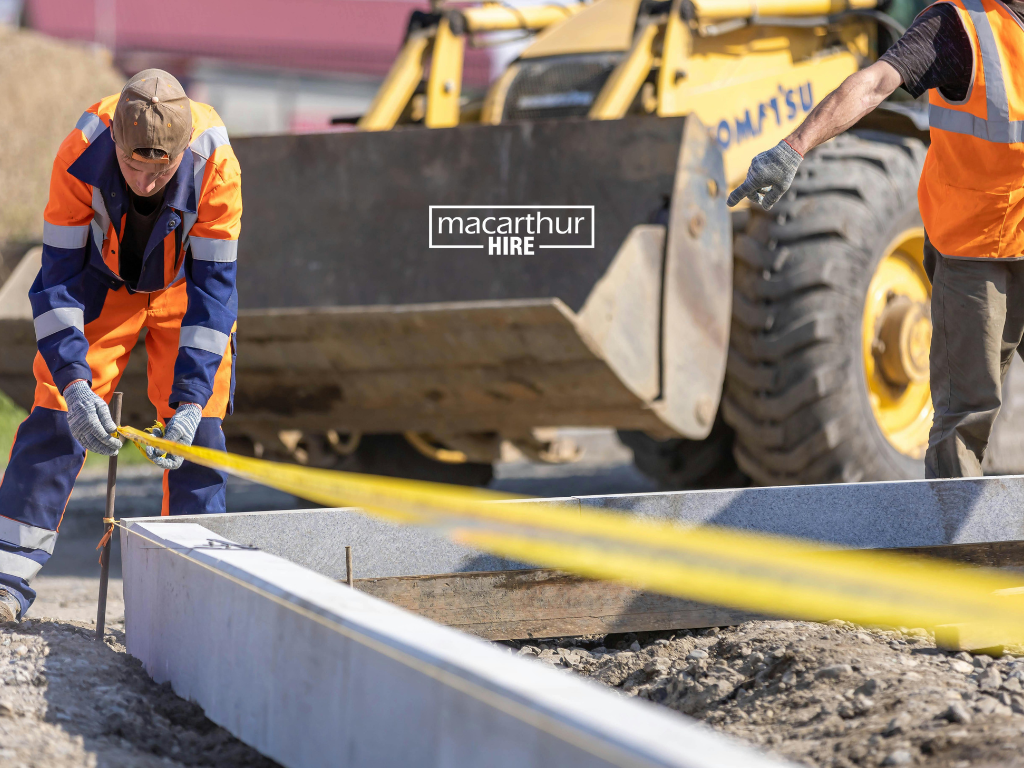
Restricted site access can be one of the biggest challenges when hiring excavation equipment for rent fir residential properties.
Many homes in established Sydney suburbs have narrow side passages, existing landscaping, fences and limited space between buildings.
For these projects, selecting a construction equipment excavator requires careful attention to the machine’s physical dimensions and working clearances.
Measure Gates, Access Paths and Working Areas
Before arranging excavator delivery, measure the route the machine will need to travel.
This should include the width of gates, pathways and any narrow sections between existing structures.
Check whether the machine can pass through the available access points without contacting fences, walls or other obstacles.
Width is only one consideration.
Overhead clearance may also be important where access routes pass beneath tree branches, roof structures, powerlines or other obstacles.
Consider whether the ground along the route can safely support the machine and whether slopes, steps or uneven surfaces could create additional difficulties.
Once the excavator reaches the work area, it needs sufficient room to operate.
The boom, attachment, tracks and upper structure must be able to move without contacting people, structures or other equipment.
Some compact excavators offer reduced tail swing or zero-tail-swing designs, which can be useful where working space is restricted.
However, these features do not eliminate the need for safe working clearances.
Providing accurate access measurements to the hire supplier helps determine whether the proposed machine is suitable.
Assess Ground Conditions and Delivery Access
Site access also depends on the condition of the ground.
Soft soil, uneven surfaces, steep slopes and wet conditions can affect excavator stability and movement.
For example, a machine travelling across a recently disturbed area may encounter different conditions from one operating on firm, prepared ground.
Ground conditions should be assessed by a competent person, particularly where there are slopes, excavations, unstable surfaces or other significant hazards.
Customers should also consider where the equipment delivery vehicle can stop and unload.
A narrow residential street, restricted driveway or limited parking area may require additional delivery planning.
In parts of Western Sydney and South Western Sydney, construction projects may involve residential subdivisions, established properties or sites with varying access arrangements.
The appropriate equipment should be selected according to the actual site conditions rather than assumptions based on the suburb or project type.
Before confirming a booking, provide the hire company with accurate information about access, ground conditions and the intended work.
Photographs and measurements can be useful when discussing equipment suitability, although they do not replace an appropriate site assessment.
Match Digging Depth and Ground Conditions to the Equipment
An excavator that can reach the work area may still be unsuitable if it lacks the required digging depth or capability for the ground conditions.
When selecting a construction equipment excavator, review what needs to be excavated and whether the machine can perform the work within its operating limits.
Understand Digging Depth, Reach and Bucket Capacity
Maximum digging depth is an important excavator specification.
It describes how far the machine can excavate below a defined reference level under the manufacturer’s specified conditions.
However, maximum digging depth should not be confused with the machine’s most practical working depth for every task.
The excavation’s width, ground conditions, required machine position and available working space can all influence what is achievable.
Digging reach is another consideration.
For example, an excavator may need to work from a safe position away from the edge of an excavation or reach material within an established work area.
Bucket capacity also affects the amount of material that can be moved during each digging cycle.
A larger bucket may be useful for moving suitable loose material, while a narrower bucket may be required for trenching.
However, bucket size must be compatible with the excavator and the material being handled.
It is also important to understand that excavator lifting capacities are subject to specific manufacturer limits and operating conditions.
A machine’s operating weight or digging force should not be used as a substitute for its rated lifting capacity.
When comparing equipment, review the specifications for the proposed machine and explain the intended task to the supplier.
Consider Soil Type, Obstacles and Excavation Conditions
Different ground conditions can create different demands on excavation equipment.
Loose soil, compacted clay, gravel and rocky material do not behave in the same way during excavation.
For example, compacted ground may require different digging techniques or attachments from those used for loose soil.
Wet ground can also influence machine stability and the behaviour of excavation walls.
Unexpected buried materials, tree roots and existing structures may complicate the work.
In some circumstances, a specialised attachment or a different excavation method may be necessary.
These conditions should be evaluated before selecting equipment wherever possible.
The presence of underground pipes, electrical cables or telecommunications services is particularly important.
Excavation work should not begin until relevant underground service information has been obtained and the necessary risk controls have been established.
A machine that is technically capable of digging to the required depth is not automatically suitable for performing the work safely.
Safe excavation requires consideration of ground stability, nearby structures, buried services and the method used to complete the task.
Choose Excavator Attachments for the Job
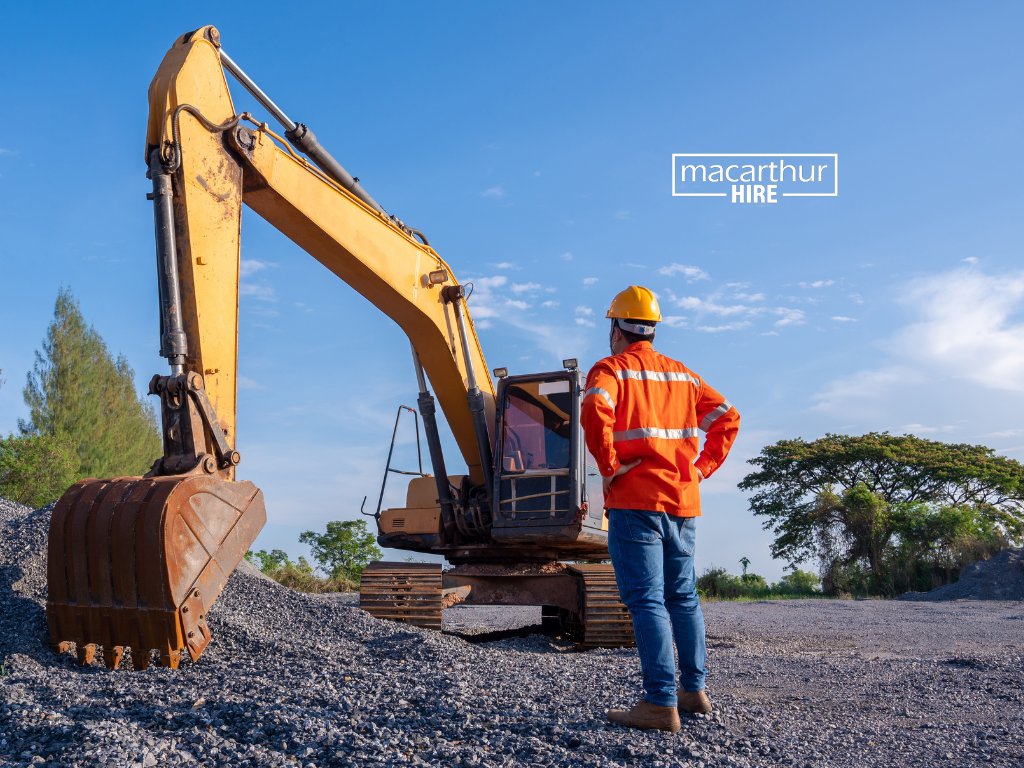
Excavators can perform different tasks depending on their configuration and the attachments used.
A standard digging bucket may be suitable for some projects, while trenching, grading or specialised excavation work may require another attachment.
When comparing construction equipment like lawn mower hire, petrol pressure washer and other options, customers should consider whether the supplied attachments match the intended work.
Compare Digging, Trenching and Grading Buckets
General-purpose digging buckets are commonly used to excavate soil and move suitable materials.
They may be appropriate for various construction and landscaping activities, depending on the size of the machine and the characteristics of the material.
Narrow trenching buckets can be useful when excavating relatively narrow trenches for drainage or other approved underground works.
The required trench width should be determined by the project specifications and applicable safety requirements.
Grading buckets are generally wider and may be used for shaping, levelling or finishing suitable ground surfaces.
They can be useful for selected landscaping and site preparation tasks.
However, different bucket designs have different operating characteristics.
A grading bucket may not be appropriate for the same digging conditions as a narrow trenching bucket.
Attachment selection should also consider the excavator’s hydraulic capabilities, connection type and manufacturer requirements.
Using an incompatible attachment can create equipment damage and safety risks.
Before booking, confirm what attachments are included in the standard hire arrangement and whether alternatives are available.
When Specialised Attachments May Be Needed
Some excavation projects require attachments designed for more specialised tasks.
An auger may be used for drilling holes in suitable ground conditions, such as preparing certain fence post or footing installations.
A hydraulic breaker may be appropriate for particular rock or concrete-breaking activities.
Other attachments may be used for material handling or specialised earthmoving work.
However, availability and compatibility depend on the excavator model and the hire supplier’s equipment range.
Not every mini excavator can operate every attachment.
Hydraulic flow, pressure requirements, attachment weight and approved configurations must be considered.
Some attachments may also require additional operator skills and safety controls.
For example, drilling near underground services requires appropriate service-location information and risk management before work begins.
Customers should describe the intended task to the supplier rather than request an attachment based only on its appearance or general purpose.
A suitable attachment can improve the practicality of the selected excavator, but it must be used within the machine’s approved operating limits.
Review Excavator Safety and Operator Requirements
Excavators are powerful machines, and excavation work can expose operators, other workers and nearby people to serious hazards.
Even relatively compact machines require appropriate planning and competent operation.
Before hiring a construction equipment rental excavator, understand the safety responsibilities associated with the intended work and confirm whether the operator has the necessary training and experience.
Check Underground Services Before Digging
Underground services are a significant consideration for excavation work in Australia.
Electrical cables, gas pipelines, water mains, telecommunications infrastructure and other assets may be located beneath the planned work area.
Before excavation begins, the relevant service information should be requested through Before You Dig Australia.
This service helps users obtain plans and information from participating infrastructure owners.
However, underground service plans do not guarantee the exact position or depth of every asset.
Additional investigation, physical location methods or specialist assistance may be necessary before work proceeds.
For projects in New South Wales, SafeWork NSW emphasises the importance of identifying underground services before excavation and managing risks associated with earthmoving equipment.
Other hazards may include unstable excavation walls, nearby structures, overhead powerlines, plant movement and interactions between machinery and pedestrians.
The Safe Work Australia excavation guidance explains that excavation work is subject to work health and safety duties and that certain high-risk construction activities require a Safe Work Method Statement.
Customers should not assume that hiring a smaller excavator removes these obligations.
The required controls depend on the work and site conditions, not simply the size of the machine.
Confirm Operator Experience and Safe Working Conditions
Operating an excavator requires knowledge of its controls, limitations and relevant safety procedures.
Before arranging equipment hire, determine who will operate the machine.
Some hire arrangements provide equipment without an operator, commonly known as dry hire.
Other arrangements may include an operator, often described as wet hire.
The availability of these options depends on the supplier.
Customers considering dry hire should confirm the provider’s operator requirements and any training, competency, induction or site-specific requirements that apply.
An excavator operator needs to understand safe positioning, machine stability, visibility limitations and the risks associated with working near people or structures.
The site should also have appropriate arrangements for separating moving machinery from pedestrians and other workers.
Safe operating procedures may require exclusion zones, communication arrangements and suitable supervision.
For some projects, engaging a competent professional operator may be more appropriate than attempting the work without sufficient experience.
Before beginning any excavation, review the applicable work health and safety requirements and the instructions provided for the specific machine.
Equipment selection and safe operation should be treated as connected parts of the same project.
Choose the Right Excavator Hire Provider in Australia
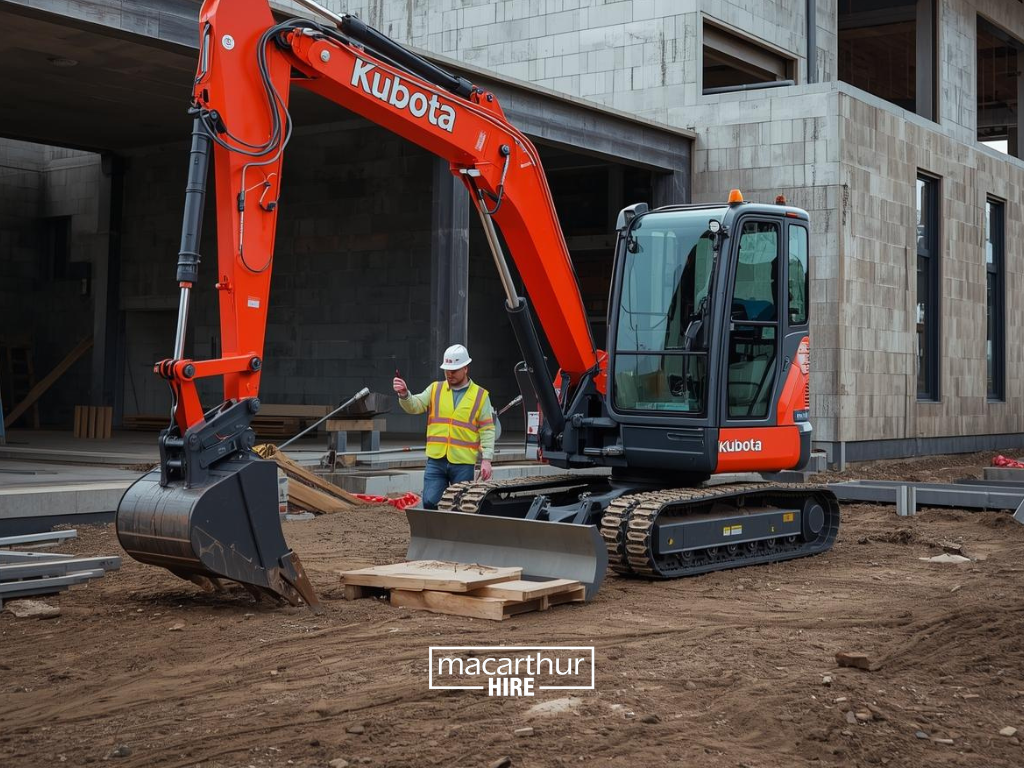
Once the project requirements are clear, the next step is to compare suitable equipment and hire arrangements.
A reliable hire decision should consider more than the machine’s daily price.
Availability, delivery arrangements, attachments, operating conditions and technical support can all influence whether the equipment is appropriate.
For customers comparing construction equipment excavator hire options, clear information about the project is essential for obtaining a useful recommendation and quotation.
What to Confirm Before Hiring an Excavator
Before requesting a quotation, explain the type of project and the work the excavator needs to perform.
The supplier should understand whether the equipment is intended for landscaping, drainage, site preparation, trenching or another excavation activity.
Provide the required digging depth, approximate material quantities where known and any relevant ground information.
Site access should also be discussed.
Measurements of gates, pathways and available working space can help identify whether a compact excavator is necessary.
Ask for the exact model and its specifications rather than relying only on a general weight category.
The quotation should explain the hire duration, included attachments and any additional charges that may apply.
Delivery and collection arrangements are particularly important for equipment that requires specialised transport.
Customers should also clarify fuel requirements, cleaning conditions, damage responsibilities, insurance arrangements and what happens if the machine develops a problem during the hire period.
If an operator is required, confirm whether the supplier offers an operated hire service or whether separate arrangements need to be made.
It is useful to understand the procedure for reporting equipment faults and what support is available if the machine cannot be used.
A clear hire agreement helps both the customer and supplier understand the responsibilities involved.
Find Suitable Construction Equipment Excavator Hire
The best excavator for a project is one that provides the required capabilities while remaining appropriate for the site and work conditions.
A compact machine may be suitable for selected backyard landscaping or drainage tasks, while larger excavators may be necessary for substantial excavation work.
However, the final choice should reflect the machine’s specifications, site conditions and intended operating method.
For customers in South Western Sydney, including areas such as Camden, Oran Park, Leppington and surrounding suburbs, access restrictions and residential construction requirements may be relevant when comparing excavator hire options.
Macarthur Hire is a local equipment hire provider that customers can consider when exploring suitable machinery for construction, landscaping and property improvement projects.
Before booking, confirm the excavator models and attachments currently available, together with delivery arrangements and the requirements of the proposed hire.
It is also important to establish whether the selected machine has the necessary digging depth, working reach and physical dimensions for the site.
When uncertain, provide the supplier with measurements, relevant site information and a clear description of the work.
A competent equipment supplier can help explain the specifications of available machines, although complex excavation conditions may require assessment by an appropriately qualified specialist.
Choosing the right excavator starts with understanding the project rather than selecting equipment based only on price or size.
By reviewing site access, digging requirements, ground conditions, attachment compatibility and safety responsibilities, Australian customers can make more informed decisions before arranging equipment hire.
If you are planning an excavation, landscaping or construction project, contact Macarthur Hire to discuss the equipment options available and request a quotation based on your actual site requirements.
The right preparation can help you avoid unsuitable machinery, plan the work more effectively and select equipment that meets the needs of your project.