Excavator hire macarthur is worth considering for homeowners planning backyard landscaping, drainage improvements, garden renovations or other projects involving substantial digging. Whether you are preparing a new outdoor area or removing unwanted soil, choosing suitable excavation equipment can make the work more manageable.
Across Camden, Campbelltown, Narellan and surrounding Macarthur suburbs, residential properties can present different excavation challenges. Narrow side access, existing fences, sloping ground and established gardens can all influence which machinery is suitable.
Mini excavators are often considered for residential earthmoving because of their compact dimensions. However, not every excavator will fit through a particular gate or provide enough digging capacity for the planned work.
This guide explains how to choose suitable equipment, prepare your backyard, understand essential safety requirements and compare hire arrangements before starting your project.
Understanding Excavator Hire for Backyard Projects
When Excavator Hire Macarthur Makes Sense
Hiring an excavator can be useful when a backyard project involves moving substantial amounts of soil, digging trenches or preparing an area for new landscaping.
For example, homeowners may need to remove existing garden beds, prepare ground for outdoor improvements or excavate a suitable area for drainage work.
Compared with manual digging, appropriate machinery can reduce the physical effort involved in larger excavation tasks.
However, hiring an excavator is not always necessary. Small planting holes, light surface preparation and minor garden maintenance may be completed using hand tools or smaller landscaping equipment.
The decision should depend on the amount of material involved, required excavation depth, site conditions and whether a competent operator is available.
Common Backyard Jobs That Need Excavation Equipment
Residential excavation can involve more than simply digging a hole.
Landscaping projects may require removing excess soil, preparing garden areas, excavating for retaining wall construction or creating trenches for drainage infrastructure.
The type of work affects the equipment required.
A shallow landscaping excavation may need different machinery from a trench requiring careful depth control.
Ground conditions also matter. Compacted soil, clay, rocks and tree roots can influence digging requirements.
When researching excavator hire macarthur, start by identifying the intended result and estimating the dimensions of the area to be excavated.
It is equally important to decide where the removed material will go, because excavation and soil disposal are separate parts of the project.
Choosing the Right Excavator Size and Type
How Mini Excavators Work in Residential Spaces
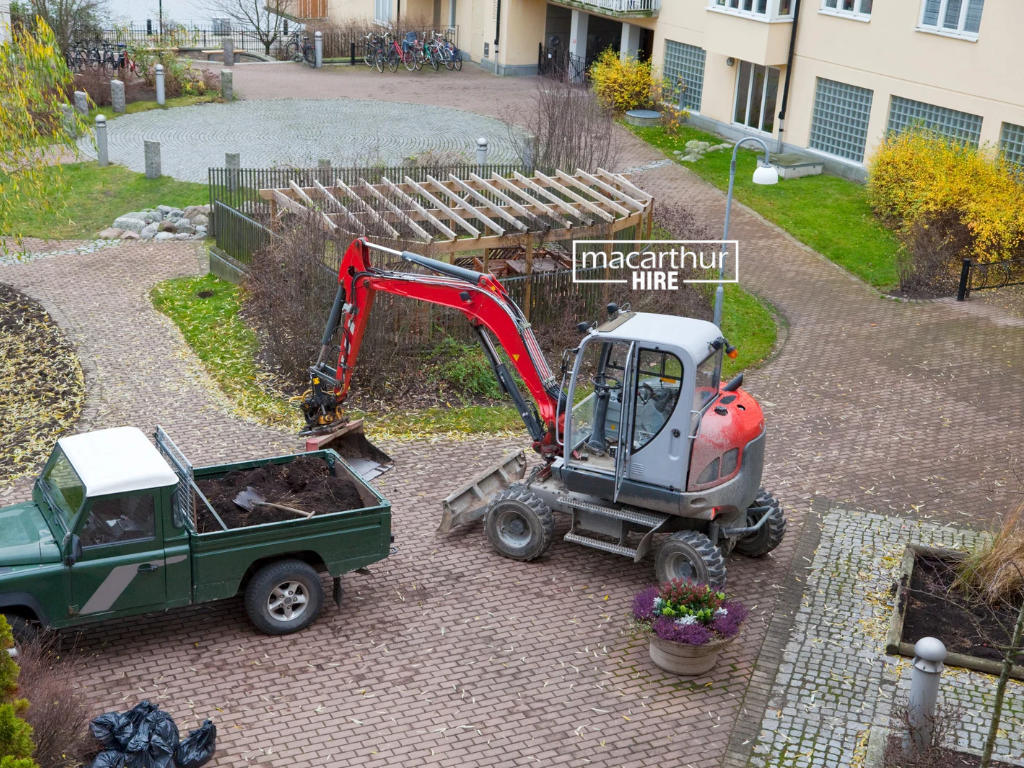
Mini excavators are commonly used for residential projects because they can operate in areas where larger earthmoving machines may not fit.
However, the term mini excavator covers several machine sizes with different capabilities.
Approximately 1-tonne and 1.7-tonne excavators may be considered for selected backyard tasks, depending on access and ground conditions.
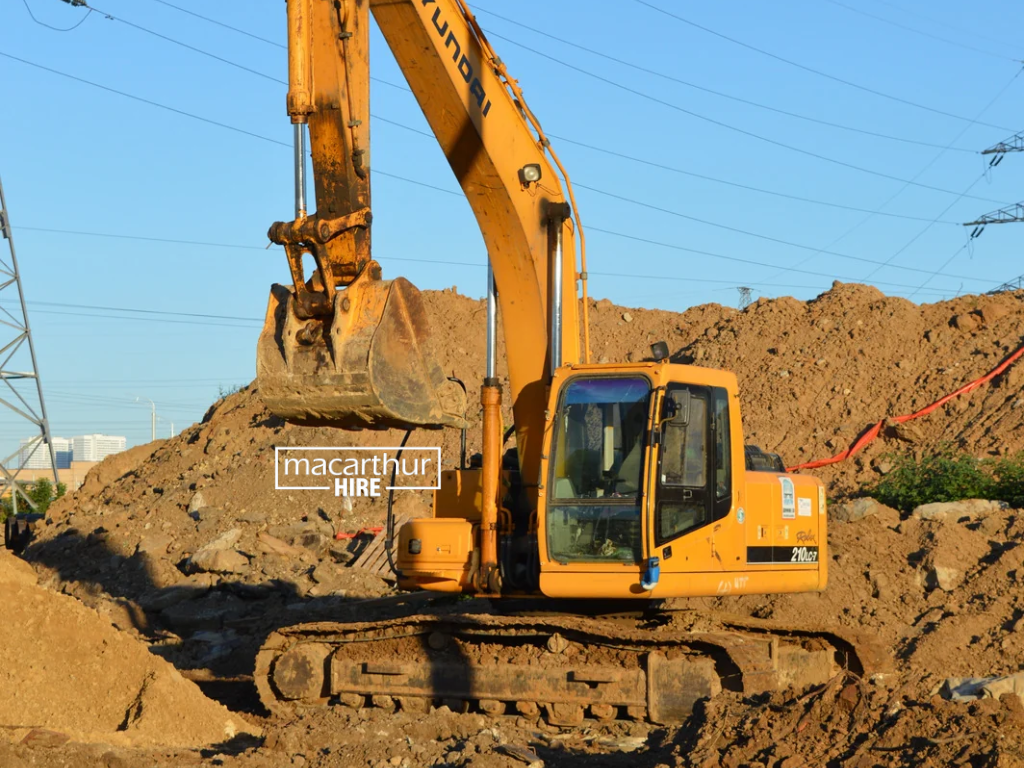
Larger machines can offer additional digging capability but generally require more operating space.
When comparing excavator hire macarthur options, consider machine width, digging depth, operating reach, weight and available attachments.
A machine must not only enter the backyard but also have enough room to operate safely.
For properties with narrow access, confirm the exact machine dimensions rather than choosing based on its weight category alone.
When a Kubota Excavator May Be Suitable
A kubota excavator can be an option for residential landscaping, drainage preparation and other excavation tasks when its specifications suit the site.
Compact Kubota models are designed for different working conditions, with variations in dimensions, digging reach and operating capacity.
For example, a smaller machine may suit certain restricted-access jobs, while a larger excavator may be appropriate where additional capacity is required and sufficient working space is available.
Brand alone should not determine the selection.
Customers should compare the actual machine specifications with their project requirements.
A suitable excavator should provide enough digging capability without introducing unnecessary access difficulties or operating risks.
Planning Backyard Access and Site Preparation
Checking Gates, Driveways and Available Working Space
Before arranging excavator hire macarthur, measure the route the machinery will use to reach the work area.
Start with the narrowest gate, side passage or driveway entrance.
Then consider fences, retaining walls, steps, overhead obstacles and areas where the excavator may need to turn.
Sloping access and soft ground can create additional complications.
A machine that fits through a gate may still be unsuitable if it cannot operate safely once inside the backyard.
Measure the available working space and discuss any restrictions with the hire provider.
Photographs can help explain the site, but they should accompany actual measurements rather than replace them.
This information helps determine whether a compact excavator is appropriate or whether another method is needed.
Preparing the Backyard Before Equipment Arrives
Good preparation begins with defining the excavation area and understanding what must be removed.
Clear movable furniture, garden equipment and other obstacles from the planned access route where safe to do so.
Identify nearby structures, garden features and surfaces that need protection.
Excavator tracks and repeated machinery movement may affect lawns, paving or soft ground, depending on the machine and conditions.
It is also worth identifying a suitable location for excavated material, provided that location does not create an obstruction or safety risk.
If soil must leave the property, plan its removal before work begins.
Coordinating these details with equipment delivery and collection can help avoid unnecessary delays once the hire period starts.
Using Excavators for Landscaping, Drainage and Soil Removal
Planning Trenches and Garden Preparation
Excavators can assist with preparing landscaping areas, removing unwanted material and forming trenches for appropriately planned drainage works.
Before digging, establish the intended dimensions and purpose of the excavation.
For drainage projects, the design may require a particular depth, fall and connection arrangement.
These requirements should be determined from the relevant design and by suitably qualified trades where necessary, rather than estimated during excavation.
Underground utilities must also be identified and appropriately managed before work starts.
For excavator hire macarthur projects, explaining the proposed trench dimensions and ground conditions helps the supplier assess the machinery required.
Retaining wall projects may involve further structural considerations, particularly where excavation could affect neighbouring land or existing foundations.
Managing Soil Removal and Supporting Equipment
Digging is only one stage of a backyard excavation project.
Once soil has been removed, it must be safely stored, reused or transported away.
The quantity and type of material influence how this work should be organised.
For example, wet clay may be more difficult to handle than loose, dry soil.
Depending on the project, construction equipment rental may involve additional machinery such as a dumper, trailer or compactor.
A suitable bucket or other approved excavator attachment may also be necessary.
Before booking, discuss whether the excavator will simply dig or whether the project requires moving, loading and compacting material.
Considering these activities together can help avoid hiring machinery that cannot complete the intended work.
Understanding Backyard Excavation Safety Requirements
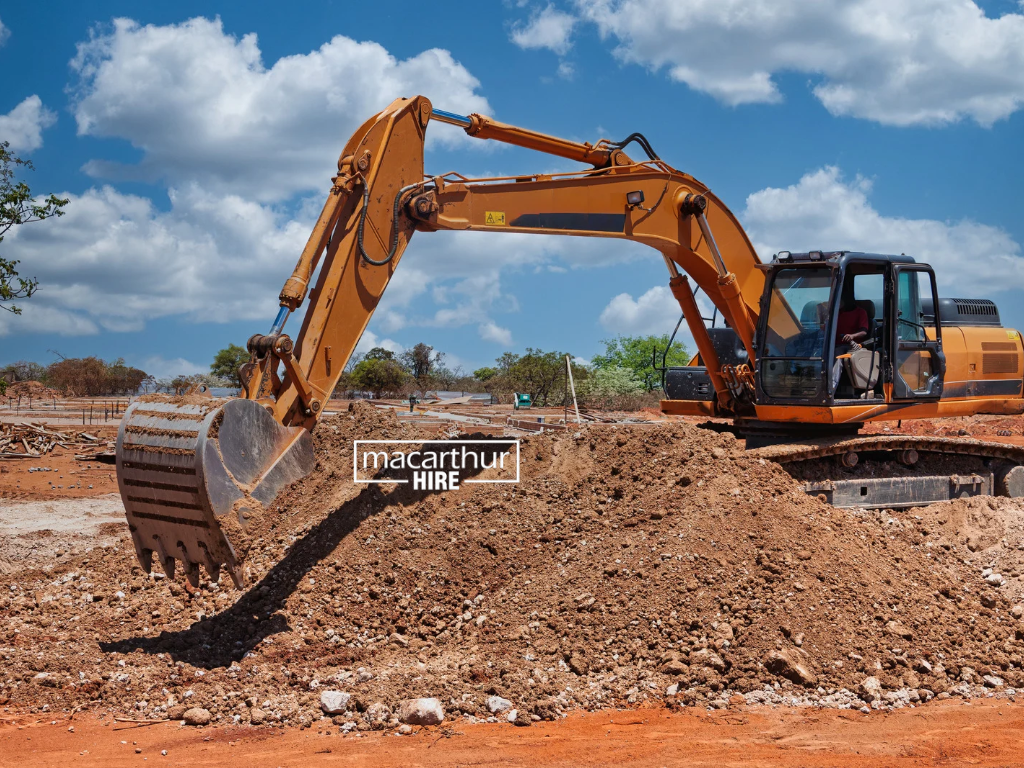
Checking Underground Services Before Digging
Underground utilities are a major consideration for residential excavation.
Electricity cables, gas pipes, water services, sewer connections and telecommunications infrastructure may be present beneath a property.
Before excavation begins, obtain relevant underground asset information through Before You Dig Australia.
However, available plans may not show every privately installed service or establish its precise position.
Additional locating and verification may be needed before excavation can proceed safely.
SafeWork NSW’s excavation guidance explains requirements concerning underground essential services information.
Anyone organising excavator hire macarthur should account for these checks before the planned equipment delivery date.
Operating Excavators Safely Around Residential Properties
Excavators are powerful machines that require appropriate operating knowledge and risk controls.
Potential hazards include unstable ground, moving equipment, nearby structures, underground services and people entering the work area.
The operator must have the skills and competence appropriate to the machinery and task.
Where work involves construction activities, applicable NSW work health and safety requirements must also be followed.
Some excavation work is classified as high-risk construction work and requires a Safe Work Method Statement.
Deep trenches, excavations near certain essential services and work involving other specified hazards can require additional precautions.
For more information, refer to SafeWork NSW’s excavation and earthmoving safety guidance.
Homeowners should seek qualified assistance when the work involves uncertain ground conditions, structural risks or unfamiliar machinery.
Choosing the Right Excavator Hire Service in Macarthur
What to Look for in Equipment Hire in Macarthur Region
Choosing a suitable supplier involves more than checking whether an excavator is available.
Customers comparing Equipment Hire in Macarthur Region should consider machine specifications, available attachments, hire conditions and support.
Clear information about operating dimensions, delivery arrangements and included equipment is particularly useful for residential projects.
Macarthur Hire provides equipment and machinery rental for customers undertaking different types of work, including landscaping and earthmoving.
Its published range includes compact excavators such as the Kubota U17-3 and Takeuchi TB210R, along with larger machinery.
Customers researching Macarthur Equipment Hire should discuss their project requirements and confirm current availability before booking.
The most suitable equipment is the machine that can complete the required excavation safely within the property’s access and operating limitations.
Comparing Hire Rates, Attachments and Delivery
Hire prices depend on several factors, including excavator size, booking duration and transport requirements.
When comparing equipment for hire in macarthur, check whether the quoted rate applies to a day, weekend or longer period.
Also confirm what is included.
Buckets, rippers, augers and other attachments may be included with some machines or charged separately.
Delivery and collection can affect the total price, particularly when equipment requires specialised transport.
Macarthur Hire’s equipment hire FAQs provide information about booking, rental periods, delivery and extensions.
Customers should confirm the applicable conditions for their particular machine.
If collecting an excavator, ensure the towing vehicle, trailer, driver licensing and proposed transport arrangements are appropriate.
A clear quotation helps customers compare the full hire arrangement rather than the advertised machine rate alone.
Preparing for Your Excavator Hire Booking
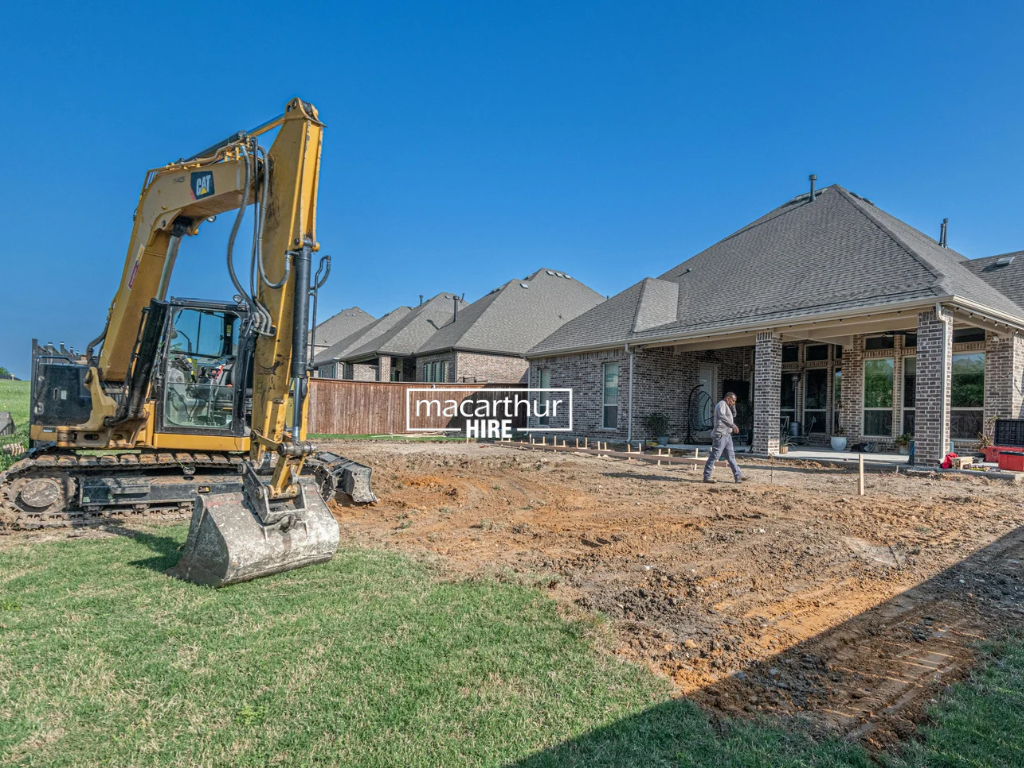
What to Confirm Before Booking Excavator Hire Macarthur
Before contacting a hire provider, prepare a clear description of the backyard project.
Explain whether the work involves landscaping, drainage, trenching, soil removal or another excavation activity.
Provide the property location, access measurements, expected digging dimensions and relevant ground conditions.
Photos may help the supplier understand obstacles or restricted working areas.
You should also discuss the preferred hire dates and whether machinery delivery or collection is required.
Confirm whether the arrangement is equipment-only hire or includes an operator.
For excavator hire macarthur, providing complete site information can make it easier to assess suitable machine sizes and attachment requirements.
The supplier can then explain the available options and what should be confirmed before proceeding.
Planning Hire Duration and Project Completion
The time required for backyard excavation depends on the type of work, ground conditions, site access and how excavated material will be managed.
A simple excavation may require less time than a project involving several trenches, soil removal and additional landscaping preparation.
Weather and unexpected ground conditions may also affect progress.
Before booking, consider the full sequence of work, including equipment arrival, safe operation, material handling and collection.
Confirm the hire period and ask about extension arrangements if the project may take longer than expected.
For homeowners and landscapers planning a backyard project, Macarthur Hire can be contacted to discuss equipment options, attachments and applicable hire arrangements.
Choosing suitable machinery begins with understanding the job, checking property access and preparing the site appropriately.
With those details established, homeowners can make a more informed decision about excavation equipment and organise their backyard projects with greater confidence.