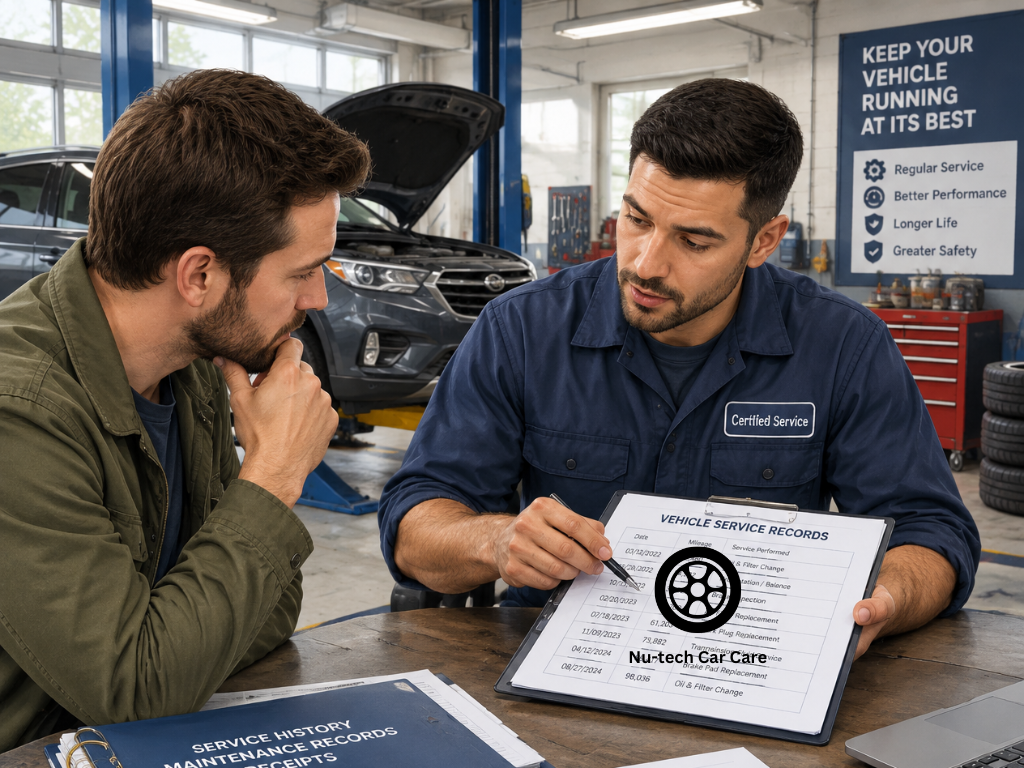
A car log book service is an important part of keeping your vehicle properly maintained, but it can be easy to lose track of when the next appointment is due. Between work, family commitments and everyday driving, many Australian motorists only think about servicing when a dashboard reminder appears or something starts to feel different.
However, a vehicle does not need to show obvious mechanical problems to be overdue for maintenance.
Your car’s manufacturer provides a recommended servicing schedule based on time, kilometres travelled and, in some cases, operating conditions. Following this schedule helps ensure important components are inspected and maintenance tasks are completed at the appropriate intervals.
If you have recently purchased a second-hand vehicle, changed mechanics or misplaced your servicing records, it can be even harder to determine when the next service is required.
Understanding the early signs of overdue servicing can help you arrange maintenance before avoidable problems develop.
How to Tell When Your Car Log Book Service Is Due
The most reliable way to determine whether your car is overdue for servicing is to check the manufacturer’s maintenance schedule and compare it with the vehicle’s current odometer reading and service history.
Many vehicles require servicing at a specified time or kilometre interval, whichever comes first. The exact interval depends on the manufacturer, model, engine and operating conditions.
For example, if your vehicle has travelled relatively few kilometres but has passed its recommended service date, it may still be due for maintenance.
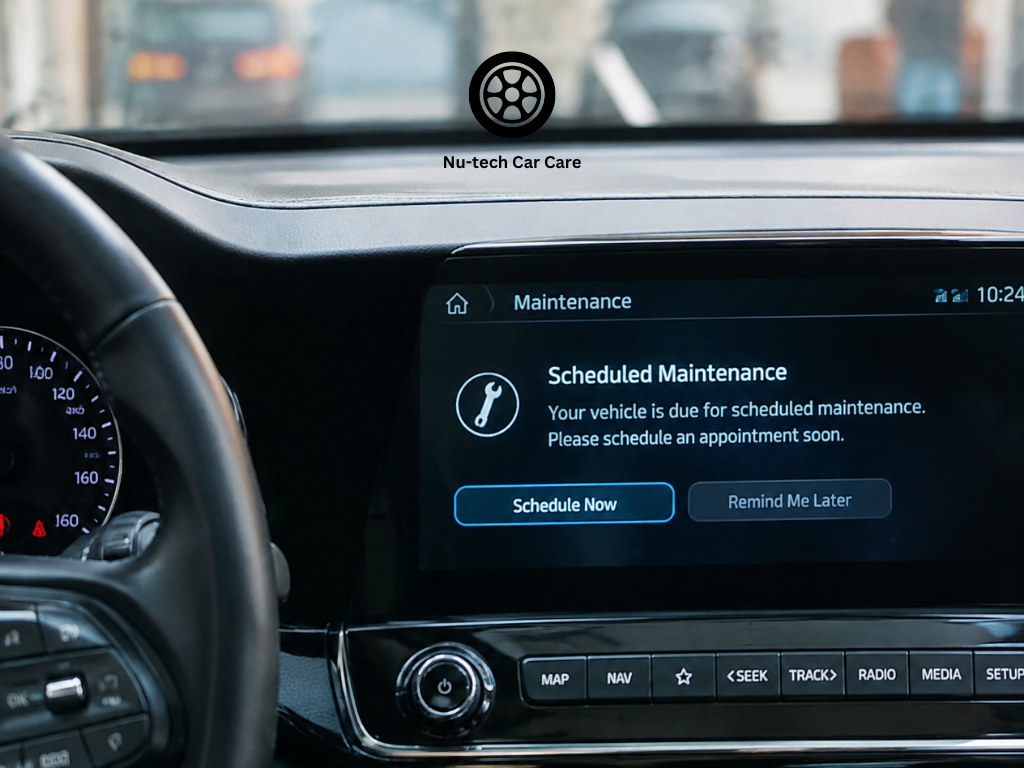
Some modern vehicles also display service reminders on the dashboard or through an onboard maintenance system.
These reminders can be useful, but they should be interpreted alongside the owner’s manual and servicing history.
If the last recorded service occurred significantly earlier than the current date or kilometre reading, it is worth checking which scheduled maintenance items are outstanding.
Drivers who cannot find their logbook car should contact a suitable workshop or vehicle manufacturer to establish the relevant servicing requirements.
Why Missing a Scheduled Service Can Become Costly
Routine maintenance is designed to help identify wear, maintain essential vehicle systems and replace certain components before they cause problems.
For example, engine oil gradually loses some of its ability to perform effectively during normal use. Delaying a scheduled oil change can contribute to increased engine wear, particularly when the vehicle operates under demanding conditions.
Other maintenance items, such as filters, fluids and specific engine components, may also need attention at prescribed intervals.
Missing a service does not mean a breakdown will automatically occur.
However, leaving maintenance tasks unfinished for extended periods can increase the risk of avoidable problems.
Delays may also make it harder to identify when a mechanical issue first developed.
For motorists who depend on their vehicle for commuting, family transport or work, unexpected repairs can create additional inconvenience.
Keeping scheduled servicing up to date is a practical way to manage vehicle maintenance rather than waiting until a problem becomes noticeable.
Understanding Your Vehicle’s Service Schedule
Every vehicle has its own maintenance requirements.
Understanding those requirements makes it easier to recognise when a car log book service is due and what work should be performed.
A manufacturer’s schedule provides a more reliable reference than assuming every vehicle needs the same servicing at identical intervals.
What Is a Car Log Book and What Does It Record?
If you have wondered what is car log book, it is essentially a record of the vehicle’s scheduled maintenance requirements and completed services.
A traditional vehicle logbook is usually supplied with the owner’s documentation.
It identifies the service intervals recommended by the manufacturer and may provide spaces for recording completed maintenance.
Each scheduled service can involve different checks or replacements.
For example, one interval may focus on routine inspections and engine oil replacement, while another may require additional maintenance items.
A completed logbook generally records information such as the service date, odometer reading and workshop details.
Some vehicles use electronic service records instead of, or alongside, a printed booklet.
Electronic records can provide an accessible maintenance history, although the information available depends on the manufacturer’s system.
For motorists searching for information about a logbook for cars, the important distinction is between the manufacturer’s maintenance schedule and the record showing which services have actually been completed.
Both are useful when determining whether further work is due.
How Time and Kilometre Intervals Determine Servicing
Vehicle maintenance schedules commonly use both time and distance.
A manufacturer might specify servicing after a certain number of months or kilometres, whichever occurs first.
This means a car used mainly for short local trips can become due for servicing even if its annual mileage is relatively low.
Similarly, a vehicle driven long distances for work may reach its kilometre interval before the specified service date.
The correct interval should always come from the manufacturer’s instructions for the particular vehicle.
Driving conditions may also influence maintenance requirements.
Frequent stop-start driving, repeated short journeys, towing, dusty environments and heavy loads can place additional demands on vehicle components.
Some manufacturers provide alternative or more frequent maintenance schedules for these conditions.
For drivers travelling regularly around Sydney and Western Sydney, traffic congestion and short urban trips may be relevant when reviewing the manufacturer’s recommendations.
Rather than automatically booking a service every six or twelve months, check the requirements that apply to your vehicle.
This helps ensure maintenance is performed when needed without assuming that one timetable suits every car.
Warning Signs That Your Car Needs Attention
A car can require mechanical attention even when its next scheduled service is not due.
Although overdue maintenance may contribute to some vehicle problems, warning signs should not be treated as a normal part of waiting for a car log book service.
Certain symptoms can indicate faults that need investigation sooner.
Dashboard Lights, Unusual Noises and Engine Changes
Dashboard warning lights are designed to alert drivers to particular vehicle conditions.
A service reminder generally indicates that scheduled maintenance is due or approaching.
However, a warning light associated with engine temperature, oil pressure, braking or another critical system may indicate a separate problem.
These warnings should not be ignored or treated as interchangeable.
If a red oil-pressure warning appears while driving, stop safely and switch off the engine as soon as it is safe to do so. Continued operation can cause serious engine damage.
An engine overheating warning also requires prompt attention. Follow the owner’s manual and allow the vehicle to cool safely before considering further action.
Unusual knocking, grinding or rattling noises can also indicate mechanical problems.
Other symptoms include rough idling, difficulty starting, repeated stalling or a noticeable change in engine performance.
These issues can have several possible causes.
A scheduled service may identify the problem, but proper diagnosis may be required before the correct repair can be determined.
Braking, Steering and Fluid Problems You Should Not Ignore
Braking and steering problems deserve particular attention because they can affect vehicle safety.
Examples include a brake pedal that feels unusually soft, significantly reduced braking performance, strong steering vibrations or a sudden change in how the vehicle handles.
Unusual grinding sounds when braking may indicate worn components or another issue requiring inspection.
Fluid leaks should also be investigated.
Engine oil, coolant, brake fluid and transmission fluid have different functions, and leakage can affect vehicle reliability or safety.
Not every small patch beneath a car indicates a mechanical fault. For example, water from an operating air-conditioning system can be normal.
However, unidentified fluids, repeated drops in fluid levels or visible leaks should be checked.
If the vehicle has significantly reduced braking ability, serious steering problems, severe overheating or another condition that makes driving unsafe, do not continue driving merely to reach a service appointment.
Arrange appropriate assistance, including roadside recovery where necessary.
Addressing these symptoms promptly is more important than waiting for the next routine logbook service.
What Happens When Log Book Servicing Is Delayed?
Delaying scheduled maintenance can affect a vehicle in several ways.
Some consequences may develop gradually, while others depend on which maintenance tasks have been missed.
A car log book service provides an opportunity to complete manufacturer-recommended maintenance and review the condition of relevant components.
How Overdue Maintenance Can Affect Vehicle Reliability
Vehicle components experience wear through normal operation.
Engine oil, filters, fluids and certain mechanical parts require inspection or replacement at different stages of the vehicle’s life.
When these tasks are delayed, components may continue operating beyond the recommended maintenance interval.
For example, an overdue air filter may become increasingly restricted depending on driving conditions.
A cooling system that has not been inspected or maintained as recommended may also develop problems that could have been identified earlier.
The consequences depend on the vehicle, component condition and length of the delay.
An overdue service does not automatically mean that serious damage has occurred.
However, the longer maintenance is postponed, the greater the opportunity for some problems to develop unnoticed.
A consistent servicing history can also be useful when selling a vehicle.
Prospective buyers may want to see evidence that maintenance was completed according to the manufacturer’s recommendations.
Although records do not guarantee a particular resale value, they can help demonstrate how the vehicle has been maintained.
Understanding Warranty Requirements and Service Records
Manufacturer warranty conditions are an important consideration for owners of newer vehicles.
In Australia, motorists are generally able to use a suitably qualified independent mechanic for routine servicing without automatically losing their manufacturer’s warranty.
However, the work must meet the manufacturer’s applicable servicing requirements, including appropriate parts, fluids, workmanship and maintenance procedures.
A missed service does not necessarily invalidate every aspect of a vehicle’s warranty.
The effect on a particular warranty claim can depend on the warranty terms and whether inadequate maintenance contributed to the relevant failure.
For this reason, vehicle owners should review their warranty documentation and follow the recommended maintenance schedule.
It is also important to distinguish a manufacturer’s voluntary warranty from consumer guarantees under Australian Consumer Law.
Consumer guarantees provide statutory rights that are separate from additional warranty promises.
Maintaining accurate service records can help demonstrate which work has been completed.
Keep relevant invoices and documentation, including service dates, odometer readings and details of replacement parts or maintenance performed.
If the vehicle uses an electronic logbook, ask how the completed service will be recorded.
For motorists using independent workshops, confirming the recording process before the appointment can help prevent gaps in the maintenance history.
What Does an Overdue Car Service Usually Include?
When a vehicle is overdue for maintenance, the required work should be determined by its manufacturer-recommended service schedule.
A car log book service is not simply a standard oil change or a general inspection.
The tasks depend on the vehicle’s age, distance travelled, previous maintenance and the service interval that should have been completed.
Common Checks and Replacements During Scheduled Servicing
Routine log book servicing often involves replacing engine oil and the oil filter where required by the manufacturer’s schedule.
The workshop may also inspect important systems such as brakes, steering, suspension, tyres and cooling components.
Fluid levels and conditions may be checked, along with visible signs of leakage or component wear.
Depending on the vehicle and scheduled interval, maintenance may include other filters, spark plugs, transmission-related servicing or additional specified items.
Not every task is performed during every appointment.
A mechanic should refer to the appropriate manufacturer’s schedule rather than assume that a general servicing package includes everything required.
If your vehicle is overdue, it is helpful to explain when the last service was completed and whether any scheduled maintenance may have been missed.
The workshop can then review the available records and determine which items need attention.
If the vehicle is displaying warning lights or unusual symptoms, those concerns should be mentioned when booking.
Fault diagnosis and repairs may involve additional work beyond the scheduled service.
Why Minor and Major Services Have Different Requirements
The terms minor service and major service are commonly used by automotive workshops, but their exact inclusions can vary.
A minor service may involve routine maintenance such as an engine oil change and specified inspections.
A major service generally involves more extensive scheduled work.
Depending on the vehicle, this may include additional filters, spark plugs, brake fluid replacement or other items required at a particular interval.
Some components have much longer replacement schedules.
For example, timing belt replacement intervals vary by manufacturer and engine design, and many vehicles use timing chains instead.
Customers should therefore avoid assuming that a major service always includes the same work.
When requesting a quotation, ask which manufacturer’s service interval is being followed and what tasks are included.
If the mechanic identifies worn or damaged components that require additional repairs, request an explanation and quotation before authorizing extra work.
This helps distinguish routine maintenance from faults that need separate attention.
For a vehicle with a gap in its servicing history, the mechanic may recommend additional checks to establish its current condition.
Those recommendations should be explained clearly so the owner can make an informed decision.
Choosing a Mechanic for an Overdue Log Book Service
Finding a suitable mechanic is particularly important when your vehicle has missed one or more scheduled services.
A qualified workshop should be able to review the manufacturer’s requirements, identify outstanding maintenance and explain any concerns found during inspection.
When comparing providers for a car log book service, consider their relevant experience, service information and communication rather than choosing solely on price.
What to Look for When Searching Car Log Book Service Near Me
Drivers searching for car log book service near me often want a workshop that is convenient, reliable and familiar with their type of vehicle.
Location matters, especially if the car is used daily for commuting or family transport.
However, convenience should be considered alongside the workshop’s ability to perform the required maintenance.
Ask whether the mechanic can access the appropriate manufacturer’s servicing information and complete the work specified for your vehicle.
It is also useful to check whether the workshop can inspect or diagnose any existing problems.
For example, a car that is overdue for servicing and displaying an engine warning light may require diagnostic testing in addition to routine maintenance.
Motorists in Sydney’s south-west can consider local automotive workshops when comparing available services.
Nu-Tech Car Care provides log book servicing and other vehicle maintenance services, including brakes, cooling systems, suspension, tyres and vehicle scanning.
Its published workshop locations include Liverpool, Narellan and Camden, which may be convenient for motorists living or working in surrounding areas.
Before booking, confirm that the selected workshop can service your particular vehicle and complete the manufacturer’s required maintenance.
Questions to Ask About Pricing, Parts and Service Records
A clear servicing quotation should identify the work included.
Ask which scheduled service is required for your car and whether the quotation covers the necessary labour, fluids, filters and replacement parts.
The price of a logbook service can vary according to the vehicle, service interval and maintenance requirements.
A service involving additional scheduled replacements may cost more than a routine appointment.
Customers should also confirm whether diagnostic testing or repairs identified during inspection will be charged separately.
Where additional work is recommended, the workshop should explain the issue and obtain the required approval before proceeding.
For vehicles under manufacturer warranty, ask whether the service will be completed according to the manufacturer’s relevant requirements.
Suitable replacement parts and fluids are also important.
Finally, confirm how the completed maintenance will be recorded.
A properly documented service history helps owners track future maintenance and provides useful information for warranty matters or future vehicle sales.
Choosing a workshop that communicates these details clearly makes it easier to understand what you are paying for.
Getting Your Vehicle Servicing Back on Schedule

If you discover that your car has missed its recommended maintenance interval, the next step is to establish what servicing is required.
What is a log book service should be arranged according to the vehicle’s condition and manufacturer recommendations.
The aim is to address outstanding maintenance and establish a practical schedule for future servicing.
What to Do If Your Car Log Book Service Is Overdue
Start by checking the current odometer reading and reviewing the last recorded service.
Compare this information with the manufacturer’s maintenance schedule.
If the service records are incomplete, gather any invoices or previous workshop documentation that may help establish which maintenance tasks have already been completed.
For a recently purchased second-hand vehicle, the previous owner or selling dealer may be able to provide additional records.
If the maintenance history remains uncertain, explain this to the mechanic before the appointment.
The workshop can review the available information and recommend an appropriate inspection and servicing approach.
Avoid assuming that simply performing an oil change will address every outstanding maintenance item.
Depending on the vehicle’s history, other scheduled replacements or inspections may be required.
If the car is showing serious mechanical symptoms, arrange a prompt assessment rather than treating the issue as routine overdue servicing.
For motorists whose vehicles are running normally but have passed their recommended service interval, booking the appropriate maintenance as soon as practical can help restore a more consistent servicing routine.
Keeping Track of Your Next Service and Maintenance Records
Once the overdue maintenance has been completed, make sure the next recommended service interval is clear.
The workshop should be able to explain the relevant date or odometer reading based on the manufacturer’s schedule and any additional maintenance recommendations.
Keep the completed service invoice and ensure the logbook or electronic service record is updated where applicable.
For a printed logbook, store it with the vehicle’s important documents.
Digital copies of invoices can provide an additional record if the originals are misplaced.
Calendar reminders can also help drivers prepare for upcoming maintenance.
For motorists who travel long distances, monitoring the odometer may be especially important because the kilometre interval could arrive before the next scheduled date.
If your driving conditions change, review whether the manufacturer’s maintenance recommendations need to be adjusted.
For example, a vehicle that begins regular towing or frequent short-distance driving may have different servicing considerations from one used mainly for ordinary commuting.
The key is to remain aware of the schedule rather than relying entirely on dashboard reminders or waiting for mechanical symptoms.
If you need assistance checking your vehicle’s service requirements, Nu-Tech Car Care offers logbook servicing at its workshops in Liverpool, Narellan and Camden.
You can visit the Nu-Tech Car Care website to explore its automotive services and contact a workshop about your vehicle’s maintenance needs.
A car does not need to be experiencing obvious problems to require servicing.
By checking your maintenance schedule, recognising warning signs and keeping accurate records, you can make more informed decisions about vehicle care and reduce the likelihood of avoidable servicing delays.
If your next service date or kilometre interval has already passed, arranging an appointment with a suitably qualified mechanic is a practical first step towards getting your vehicle maintenance back on track.