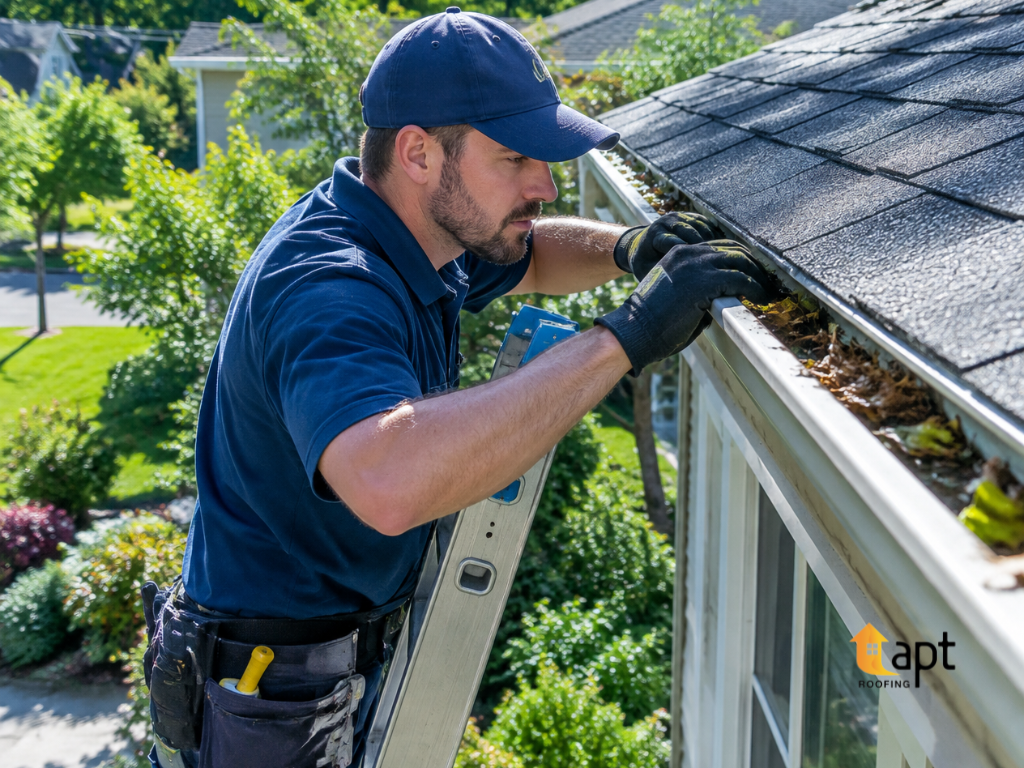
Poor roof drainage is a common concern for homeowners, particularly during periods of heavy rainfall and severe weather. When water cannot flow properly through gutters, valleys and downpipes, it can overflow, enter roof spaces and damage parts of the building. For homeowners researching residential roof repair Sydney services, recognising the early signs of drainage problems can help prevent more extensive damage.
A residential roof is designed to direct rainwater away from the home. Roofing materials, flashings, gutters and downpipes work together to manage water as it moves across the roof and towards the stormwater drainage system.
When one part of this system becomes blocked, damaged or incorrectly positioned, water may collect in areas where it should flow freely. Over time, this can contribute to ceiling stains, damaged roofing components and moisture problems.
However, not every roof leak is caused by poor drainage. Cracked tiles, damaged metal sheets and faulty flashings can also allow water to enter.
Understanding the warning signs and arranging an appropriate inspection can help homeowners identify the actual problem before deciding on repairs.
How Poor Roof Drainage Affects Sydney Homes
Sydney experiences periods of intense rainfall, thunderstorms and strong winds that can place additional demands on residential roof drainage systems.
During heavy rain, gutters and downpipes need to direct water away from the roof efficiently. If debris restricts the flow, water may overflow or collect near vulnerable roof junctions.
Properties surrounded by trees can be particularly affected by leaves, twigs and dirt accumulating in gutters and roof valleys.
Homes with ageing gutters, damaged flashings or unsuitable drainage arrangements may also experience problems when rainfall becomes intense.
When water repeatedly enters the roof space, building materials such as plasterboard, insulation and timber can be affected.
The extent of damage depends on how long the problem continues, where water enters and whether repairs are completed promptly.
Why Residential Roof Repair Sydney Starts With Drainage Checks
When investigating a leaking roof, checking the drainage system can help identify whether water is being directed away from the building as intended.
Gutters, downpipes, roof valleys and flashings are common areas requiring attention.
For example, a blocked downpipe may cause water to back up into the gutter, while debris in a roof valley can interfere with the flow of rainwater.
Damaged gutter connections or incorrectly positioned flashing may also allow water to enter parts of the building.
An inspection should consider the condition of these components alongside the roofing materials themselves.
This helps establish whether the problem involves a simple blockage, a damaged component or a more extensive roofing defect.
Common Warning Signs of Poor Roof Drainage
Drainage problems often become noticeable during or shortly after heavy rainfall.
Some warning signs are visible around the outside of the home, while others appear inside as moisture damage develops.
For homeowners considering residential roof repair Sydney services, understanding these signs can help determine when a professional inspection is needed.
Overflowing Gutters, Standing Water and Blocked Downpipes
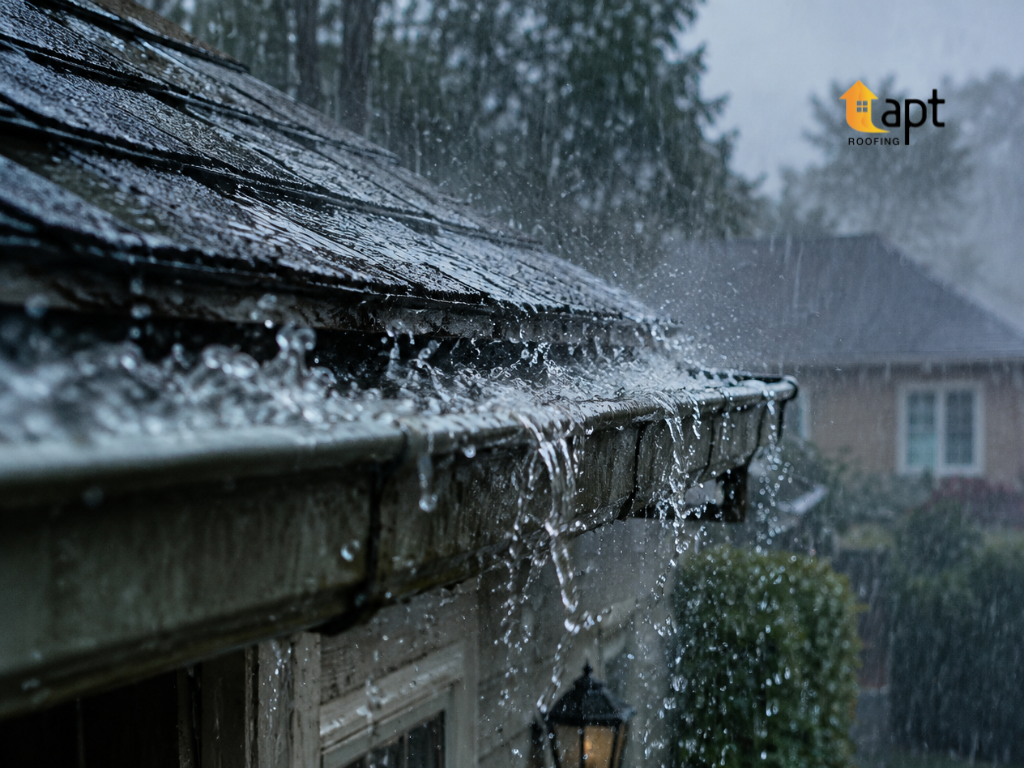
Water spilling over the edge of a gutter during rainfall can indicate a drainage problem.
Leaves, dirt and other debris may be restricting water movement, or a downpipe may be partially or completely blocked.
However, gutter overflow can also occur when the drainage system is unsuitable for the amount of water reaching it or when gutters have been installed with inadequate fall.
Standing water that remains in gutters after rainfall can be another warning sign. It may indicate a sagging section, an obstruction or an issue with gutter positioning.
Rust, leaking gutter joints and water staining beneath the roofline can also suggest that drainage components need attention.
On properties with several roof sections, valleys are particularly important because they direct water from adjoining roof slopes.
Debris collecting in these areas can restrict drainage and may contribute to water entering the roof space.
These signs should be investigated rather than repeatedly clearing visible water without addressing the underlying cause.
Ceiling Stains, Damp Walls and Water Entering the Home
Poor roof drainage can sometimes become apparent through changes inside the home.
Brown or yellow ceiling stains, peeling paint, damp plasterboard and moisture around cornices may indicate that water is entering from above.
Other warning signs include wet insulation, musty odours or mould developing in areas affected by repeated moisture.
A leaking ceiling does not necessarily mean that the roofing material directly above it is damaged.
Water may enter at a roof junction or drainage point and travel along internal framing before becoming visible.
This is why identifying the source of a leak can require more than inspecting the stained area.
If water is entering near lights, wiring or electrical fittings, avoid contact with the affected area and seek appropriate electrical safety advice.
A ceiling that is visibly sagging or heavily saturated may also present a safety risk. Keep clear of the area and arrange urgent professional assistance.
What Causes Roof Drainage Problems in Sydney?
Several factors can interfere with the way rainwater moves across a roof.
Blocked gutters are a common concern, but damaged roofing components, incorrect drainage falls and ageing materials may also contribute.
Understanding these causes helps homeowners recognise why residential roof repair Sydney work sometimes involves more than cleaning gutters.
Leaves, Debris, Damaged Gutters and Drainage Blockages
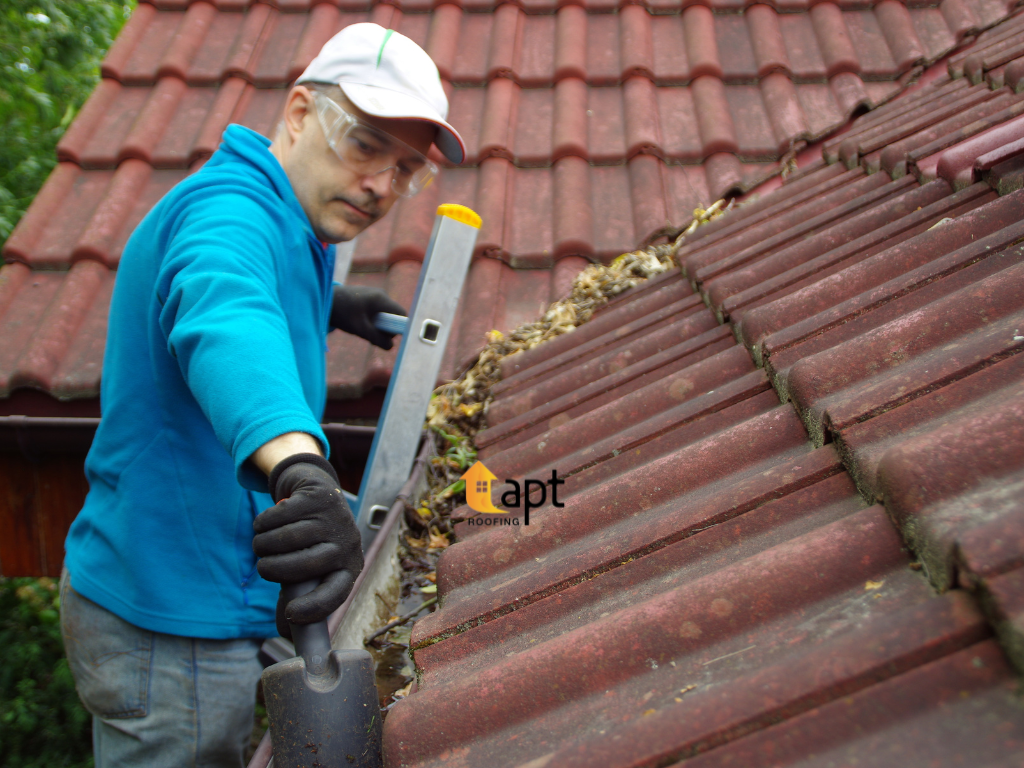
Leaves and small branches can accumulate in gutters, especially on properties surrounded by established trees.
As debris builds up, it can trap dirt and restrict the passage of rainwater towards downpipes.
During heavy rainfall, the gutter may overflow because water cannot drain quickly enough.
Downpipes can also become obstructed by leaves, sediment or other materials.
In some cases, the blockage may be located further down the drainage system rather than at the visible gutter opening.
Damaged gutters create additional problems. Sections that have sagged or moved out of position may hold water instead of directing it towards the outlet.
Corrosion, separated joints and deteriorating seals can also allow water to escape before it reaches the downpipe.
For residential properties, these problems may require gutter repairs, replacement of damaged sections or investigation of the connected drainage system.
Simply clearing debris may not resolve a problem caused by incorrect gutter positioning or damaged components.
Roof Pitch, Flashing Defects and Ageing Roofing Materials
The design and condition of the roof influence how effectively rainwater drains.
Roof pitch is particularly important because roofing materials and profiles have specific installation requirements.
A roof with insufficient pitch for its covering may be more vulnerable to water entry, especially during wind-driven rain.
Flashings also help manage water around chimneys, skylights, adjoining walls and other roof junctions.
If flashing becomes damaged, displaced or incorrectly installed, water may enter even when gutters appear clear.
On tiled roofs, broken or displaced tiles can interrupt the intended flow of rainwater.
Homeowners researching tile roof repair Sydney services may discover that leaks involve a combination of damaged tiles and deteriorating valley or flashing components.
Metal roofs can develop similar concerns around sheet overlaps, fasteners, penetrations and damaged protective coatings.
An inspection should establish whether drainage is the primary cause or whether roofing defects are contributing to the problem.
How Poor Drainage Can Damage Your Home
A drainage problem may initially appear minor, particularly when water only overflows during heavy rainfall.
However, repeated water entry can affect building materials and create additional repair requirements.
For homeowners comparing residential roof repair Sydney options, understanding these possible consequences can help explain why early attention is worthwhile.
How Water Leaks Affect Ceilings, Insulation and Roof Framing
When rainwater enters a roof space, it may come into contact with insulation, ceiling linings and structural components.
Plasterboard can become stained, softened or damaged after prolonged moisture exposure.
Wet insulation may lose some of its effectiveness and may require assessment or replacement depending on the material and extent of damage.
Timber components exposed to persistent moisture can also deteriorate over time.
Repeated damp conditions may encourage mould growth, creating additional cleaning and remediation concerns.
The cost of addressing a leak can therefore extend beyond the roof itself.
A roof leak repair cost may include repairing the roofing defect as well as replacing damaged insulation, restoring ceiling materials or addressing other affected areas.
This is why a professional assessment should consider both the source of the water and any damage it has already caused.
Repairing an internal ceiling without correcting the water entry point may result in the same problem returning.
When Storm Damage Requires Emergency Roof Repairs
Severe weather can turn an existing drainage problem into a more urgent situation.
Strong winds may displace roofing materials, damage gutters or cause branches to fall onto a roof. Heavy rainfall can then enter through exposed or damaged areas.
Emergency roof repair Sydney assistance may be necessary when water is entering rapidly, significant roofing components have been damaged or the property is no longer adequately protected from the weather.
Storm damage roof repair may involve making the property safe, assessing the affected roofing components and arranging temporary or permanent repairs.
If water is entering through the ceiling, urgent assistance may also be required to address the resulting interior damage.
Emergency ceiling leak repair should not be treated as a substitute for identifying and correcting the roof defect.
During severe weather, homeowners should remain indoors where safe, avoid damaged roof areas and keep clear of electrical hazards.
For storm-related emergency assistance in NSW, residents can contact the NSW State Emergency Service on 132 500. If there is an immediate threat to life, call 000.
Once conditions are safe, documenting visible damage can also assist with discussions involving roofing contractors and insurers.
Repairing Roof Drainage Problems Before They Worsen
The appropriate repair depends on what is preventing the roof drainage system from functioning correctly.
Some problems can be resolved through maintenance or localized repairs. Others require replacement of damaged components or more extensive roofing work.
A professional residential roof repair Sydney assessment should identify the cause before recommending the work required.
Residential Roof Repair Sydney: Gutters, Valleys and Flashing
Gutter repairs may involve correcting damaged joints, replacing corroded sections or addressing gutters that no longer direct water properly towards downpipes.
Where debris is responsible for a blockage, clearing the drainage path may restore normal water flow.
However, if the gutter has sagged or its fall is unsuitable, further work may be needed.
Roof valleys also require careful attention because they collect water from adjoining roof slopes.
Damaged valley components, accumulated debris or deterioration around surrounding roofing materials can interfere with drainage.
Professional repairs may involve clearing obstructions, correcting defective components or replacing damaged valley sections.
Flashing repairs can also be necessary where water enters around chimneys, skylights or adjoining walls.
The correct repair method depends on the roofing system and the condition of the surrounding materials.
Homeowners should avoid relying on temporary sealants as a permanent solution where underlying drainage or installation defects remain unresolved.
When Tile Roof Repairs or Refurbishment May Be Necessary
Tiled roofs can develop drainage-related problems when individual tiles become cracked, displaced or damaged.
In some cases, replacing affected tiles and repairing nearby flashing or valley components may be sufficient.
Other roofs may require attention to ridge or hip pointing, bedding or additional weatherproofing details.
When researching roof repairs Sydney services, homeowners may also encounter roof restoration or refurbishment options.
Roof refurbishing Sydney services can involve work intended to improve the condition or appearance of an existing roof, depending on its suitability.
However, cleaning, painting or applying a roof coating cannot correct every drainage problem.
If water entry is caused by damaged flashing, inadequate roof pitch or defective guttering, these issues need to be addressed directly.
A roof should be assessed before refurbishment so that any underlying defects are identified.
Where deterioration is extensive, more substantial repair work or replacement may be appropriate.
The aim is to resolve the actual cause of poor drainage rather than improve the visible appearance while water problems continue.
Understanding Roof Repair Costs and Maintenance
Roof drainage repairs can vary considerably in scope, making it difficult to estimate costs without understanding the problem.
For homeowners researching residential roof repair Sydney services, a detailed quotation can provide a clearer picture of the work required and the factors affecting the price.
Regular maintenance is also important because it can help identify drainage concerns before further damage develops.
What Affects Roof Leak Repair Costs in Sydney?
The roof leak repair cost depends on the source of the leak, the components requiring attention and the complexity of accessing the affected area.
Clearing a simple blockage is different from replacing a damaged valley, repairing extensive flashing defects or correcting incorrectly installed guttering.
Roof height, pitch and accessibility can affect the amount of labour and safety equipment required.
The roofing material also matters because repairs to tiled roofs and metal roofs may involve different methods and replacement components.
Emergency work may have additional cost considerations, particularly when temporary protection or urgent attendance is required.
Water damage inside the property can increase the total expense if insulation, ceiling linings or other building materials need repair.
When comparing quotations, homeowners should ask what has been identified as the cause, what work is included and whether any further investigation may be necessary.
A lower initial quotation does not necessarily offer better value if it addresses only the visible symptoms.
A clear scope of work helps homeowners compare repair options on a more consistent basis.
Preventative Maintenance to Reduce Future Drainage Problems
Preventative maintenance can help keep gutters, valleys and downpipes functioning as intended.
Gutters should be checked for debris, visible damage and signs of water overflow.
Properties surrounded by trees may require more frequent attention because leaves can accumulate quickly.
Downpipes and drainage outlets should also remain clear so rainwater can move away from the roof.
After significant storms, homeowners can visually check from a safe location for displaced roofing materials, damaged gutters or new signs of water entry.
Roof maintenance requirements depend on the property’s location, surrounding vegetation, roofing materials and condition.
There is no single inspection schedule suitable for every home.
Professional maintenance may be particularly helpful for older roofs, buildings with difficult access or properties that have experienced recurring drainage problems.
Homeowners should not climb onto roofs or use unsafe ladders to investigate blocked gutters.
Keeping drainage systems in suitable condition can reduce the likelihood of avoidable water-related damage, although no maintenance routine can prevent every roof leak or weather-related problem.
Getting Professional Help for Roof Drainage Issues
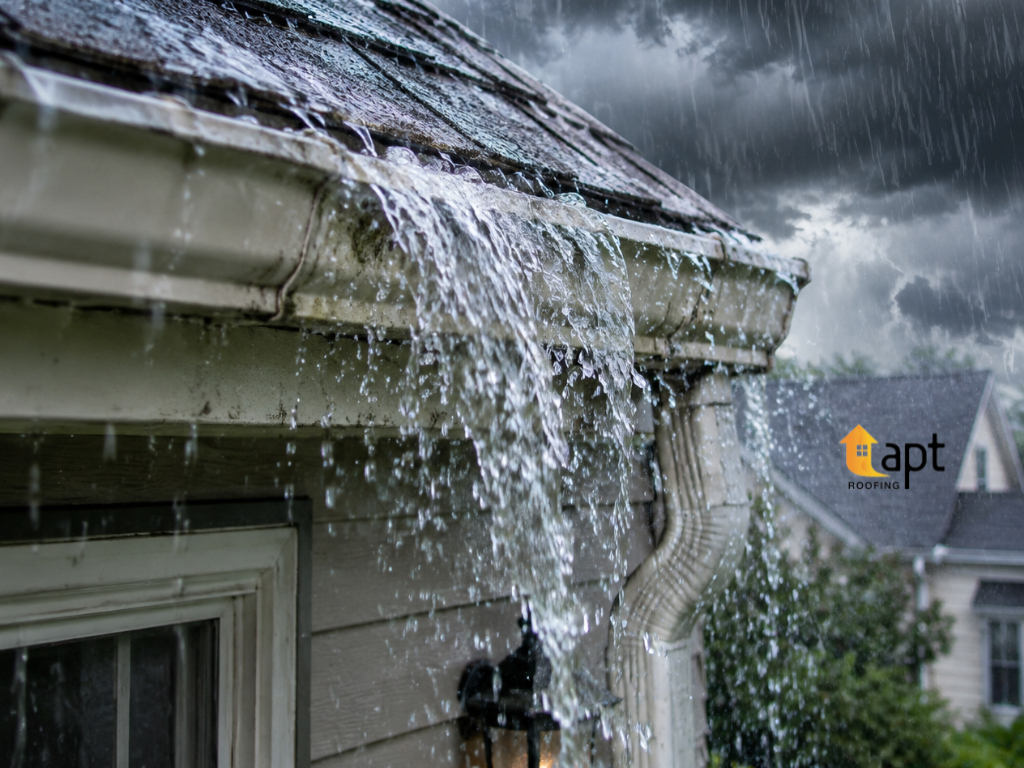
Persistent overflowing gutters, recurring ceiling stains and repeated roof leaks should not be ignored.
For Sydney homeowners, a professional inspection can help establish whether the problem involves blocked drainage, damaged roofing components or a combination of issues.
When comparing residential roof repair Sydney services, the most important consideration is whether the proposed work addresses the cause of the problem.
When to Arrange a Professional Roof Drainage Inspection
A professional inspection is worth arranging when gutters continue overflowing despite maintenance, water repeatedly enters the roof space or visible roof damage appears after severe weather.
Inspection may also be appropriate when water remains in gutters, downpipes appear blocked or damp patches develop inside the home.
A roofing professional may assess the roof covering, flashing, valleys, gutters and downpipes to identify possible defects.
Where the problem involves underground stormwater drainage or other specialised plumbing work, an appropriately licensed drainage professional may also be required.
Homeowners should ask for a clear explanation of the findings and the recommended repair approach.
Where possible, photographs and a written scope can help clarify which components need attention.
If repairs are recommended, it is useful to understand whether they are intended to resolve a localized problem or form part of broader roof maintenance.
Choosing Reliable Roof Repair Services in Sydney
When selecting a roofing contractor, homeowners should consider relevant experience, appropriate NSW licensing, insurance and the clarity of the proposed work.
Roof tiling and roof plumbing are distinct trade categories, so the appropriate licence depends on the activities being carried out.
A written quotation should explain the repairs being proposed, the affected areas, materials required and any limitations identified during the inspection.
It is also worth asking whether additional work could be necessary if concealed damage becomes apparent.
APT Roofing provides residential roofing services across Sydney, including roof leak repairs, guttering, downpipes, roof restoration and other roofing work.
Homeowners experiencing drainage-related roofing problems can explore APT Roofing’s residential services to learn more about the available options.
If your property has overflowing gutters, recurring roof leaks or visible signs of water damage, contact APT Roofing to discuss your concerns and request an assessment or quotation.
Addressing drainage problems early and understanding the required repairs can help protect your home, reduce unnecessary work and support the ongoing performance of your roofing system.