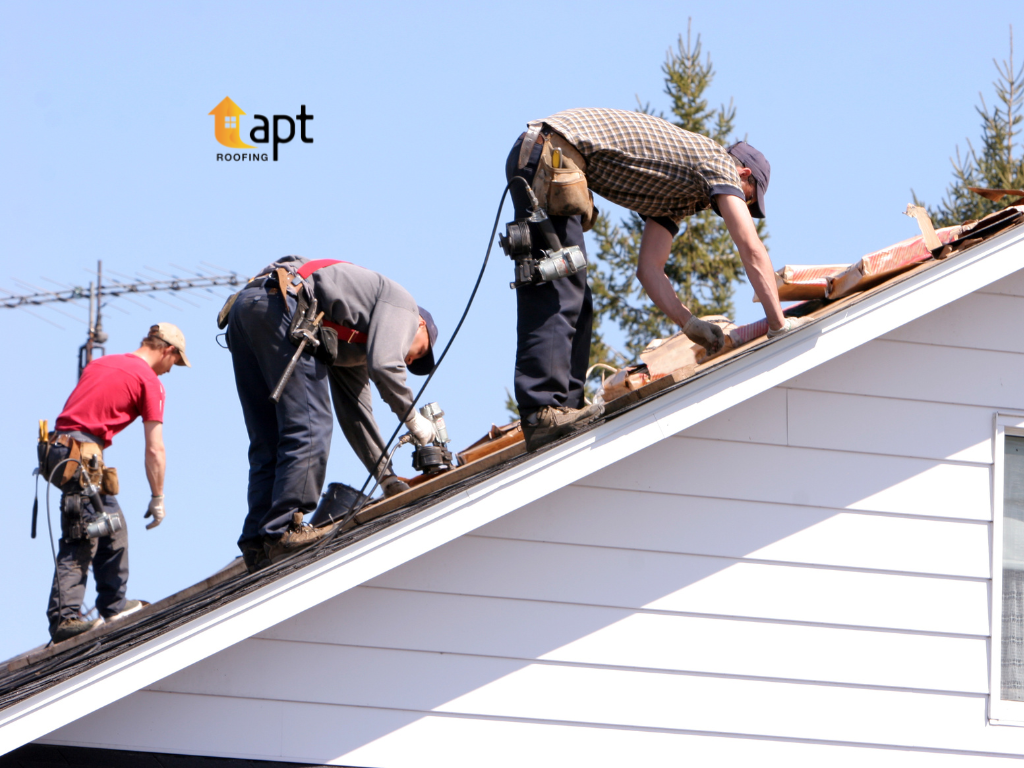
Tile and metal roofs protect many Sydney homes, but they do not usually develop the same problems or require identical repair methods. Tiled roofs may be affected by cracked or displaced tiles, deteriorated ridge work and ageing underlay. Metal roofs can develop loose fixings, damaged sheets, failed sealants or corrosion.
The visible defect is not always the complete source of a leak. Water can enter around flashing, valleys, penetrations or poorly maintained drainage before travelling through the roof cavity and appearing somewhere else inside the property.
A professional assessment for roof repair Sydney should consider the complete roofing system rather than focusing only on the most obvious damage. This guide compares common tile and metal roof problems, the factors that affect repair work and what homeowners should check before accepting a quotation.
How tiled roofing systems manage water
A tiled roof consists of overlapping tiles supported by battens. The system may also include sarking or another form of underlay, along with ridge capping, valleys, gutters and flashings around roof junctions and penetrations.
Tiles are designed to shed water through their overlapping arrangement. When a tile cracks, slips or becomes displaced, water may reach the layers below. Wind-driven rain can also enter through openings that may not cause problems during lighter rainfall.
Ridge tiles protect junctions along the roof’s highest points. They are commonly supported by bedding material and finished with pointing. Movement or deterioration in these materials may leave ridge tiles loose or create paths for moisture.
When assessing tile roof repair in Sydney, the contractor should look beyond a single damaged tile. Nearby tiles, battens, underlay, ridge areas and flashing may need to be checked to establish whether the problem is localized.
Roof tiles should also be matched carefully. A replacement with the wrong profile, shape or lap may not sit correctly with the existing roof.
How metal roofing systems are assembled
Metal roofs use profiled sheets secured to the roof structure with specified fixings. Flashings protect edges, ridges, valleys, walls and penetrations, while sheet laps and seals help maintain weather resistance.
Because the sheets cover larger areas than individual tiles, damage to one section may affect a broader part of the roof. Loose fixings, distorted sheets or poorly treated penetrations can allow water to enter during heavy or wind-driven rain.
Metal roofs also expand and contract as temperatures change. The roof design, sheet lengths, fastening method and flashing details need to accommodate this movement.
A contractor providing roofing repairs in Sydney should check the sheet profile, surface condition, fixings, flashings and surrounding drainage. Applying sealant to a visible gap without understanding why it developed may not provide a durable repair.
The repair materials must also be compatible with the existing roof. Inappropriate contact between different metals or unsuitable fasteners can contribute to deterioration.
Identify Common Problems with Tiled Roofs
Roof tiles can be damaged by impact, movement, severe weather or people walking across the roof. Some cracks are clearly visible, while others may be difficult to see without close inspection.
A displaced tile may leave part of the underlay or roof cavity exposed to water. Missing tiles create a more obvious opening, but even a small change in position can affect how water drains across the roof.
A roof repair in Sydney may involve replacing damaged tiles and repositioning those that have moved. The contractor should also consider why the damage occurred. If several tiles are slipping, the issue may involve fixings, battens or another underlying condition.
Walking on tiles can cause additional breakage, particularly when materials are ageing or already damaged. Homeowners should not climb onto the roof to inspect tiles themselves. Photographs taken safely from the ground may help identify visible concerns until a qualified contractor can attend.
Where the original tile is no longer manufactured, the contractor should explain how a compatible replacement will be sourced or whether another approach is needed.
Deteriorated ridge bedding and pointing
Ridge capping is installed along the top and intersecting lines of a tiled roof. Depending on the system, bedding and pointing materials help position and secure the ridge tiles while protecting the junction below.
Cracking or separation can develop because of age, weather exposure or movement. Minor surface cracking does not always mean that the complete ridge system has failed, so the condition should be assessed before broad work is recommended.
Local repairs may be possible when deterioration is limited. More extensive rebedding or repainting may be considered when several ridge tiles are loose or the supporting material has failed across a wider area.
When arranging roof repairs in Sydney, ask whether the proposed work covers individual damaged sections or the complete ridge line. Terms such as “ridge repair” can describe different scopes.
The contractor should also check adjoining tiles and flashing. Repairing the ridge alone may not resolve a leak originating from another nearby component.
Recognize Common Metal Roof Defects
Loose fixings and damaged sheets
Metal roof sheets rely on correctly selected and installed fixings. Over time, individual fixings or their sealing washers may become damaged, loose or deteriorated.
A missing or ineffective fixing can create a possible entry point for water. However, simply tightening every visible screw is not always appropriate. Fixings can be overdrive, and the condition of the sheet around the hole also matters.
Metal sheets may be dented, punctured or distorted by impact, foot traffic or previous installation work. Wind can also affect sheets that have not been secured appropriately.
A roof repair in Sydney should establish whether an individual fixing can be replaced or whether the surrounding sheet has been damaged. Enlarged holes, cracking or widespread deterioration may require a broader repair.
Roof-mounted equipment deserves attention as well. Solar panels, antennas, vents and air-conditioning components can introduce penetrations, brackets and areas where debris collects.
Corrosion and surface deterioration
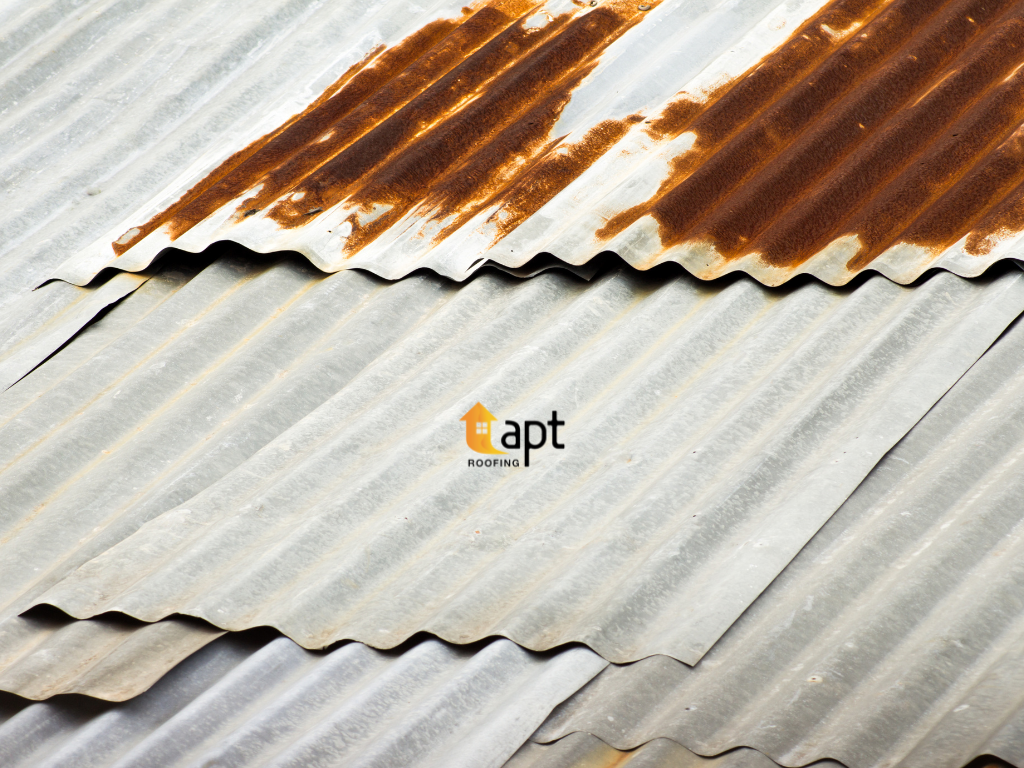
Corrosion can range from minor surface deterioration to material loss that affects the sheet’s serviceability. The appropriate response depends on the cause, location and extent of the damage.
Coastal air may increase exposure to salts, while leaves, dirt and retained moisture can create local conditions that encourage deterioration. Water trapped around laps, gutters, flashings or roof-mounted equipment may also contribute.
Contact between incompatible metals can cause galvanic corrosion. Run-off from one material onto another may also need to be considered when investigating unusual or repeated deterioration.
Sydney roof repairs involving corrosion should address the cause as well as the visible surface. Cleaning and coating may be suitable for limited surface deterioration, but these methods cannot restore metal that has lost significant thickness or developed holes.
If several sheets or major flashing components are affected, replacement of the damaged sections may be more practical than repeated spot repairs.
Investigate Flashing, Sealant and Underlay Issues
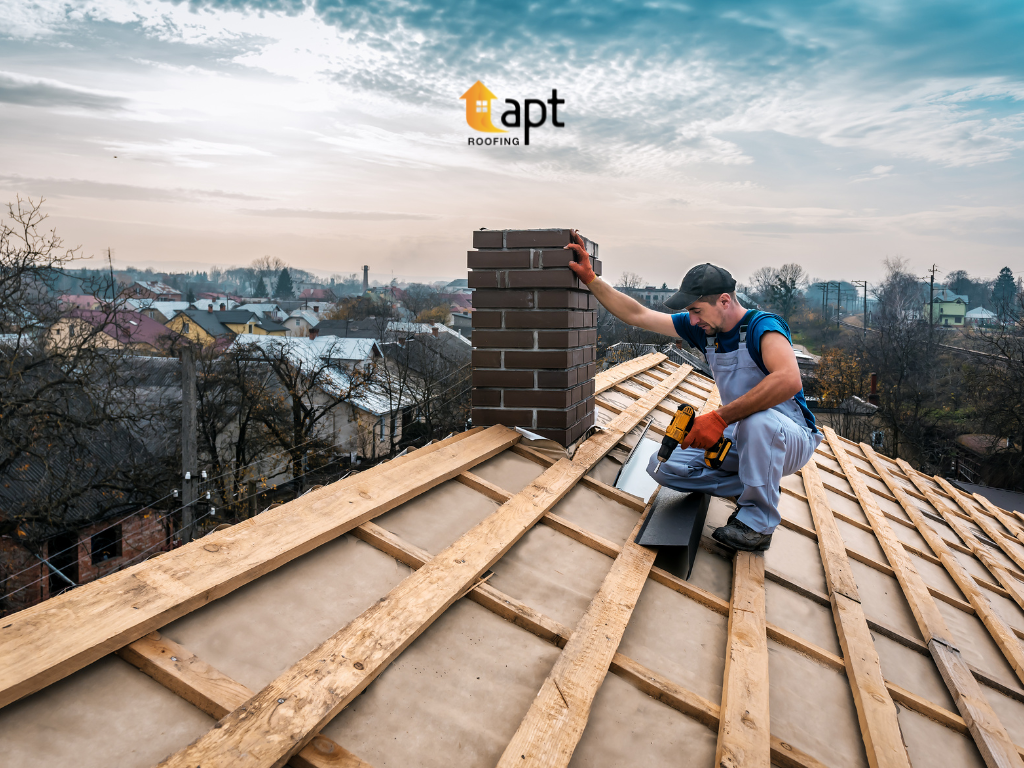
Both tiled and metal roofs rely on flashings around chimneys, skylights, vents, walls, valleys and changes in roof direction. These areas must direct water away from openings and adjoining materials.
Flashing can become damaged, corroded, displaced or separated from another surface. Building movement and previous repairs may also affect its condition.
Sealants are sometimes used as part of a flashing or penetration detail, but they should not automatically be treated as a complete repair. A surface application may fail if the underlying joint continues to move or if the original flashing is unsuitable.
A contractor assessing roof repair in Sydney should identify the likely water path and explain whether the work involves sealing, repairing or replacing the flashing.
Where a leak is close to solar equipment or another service, a suitably qualified specialist may need to coordinate with the roofer. Roofing contractors should not be assumed to disconnect electrical equipment unless appropriately licensed.
Hidden problems beneath the covering
The outer tile or metal sheet is only one part of a roof. Underlay, battens, fasteners and structural elements may also be affected when water has been entering for some time.
Ageing or damaged underlay can reduce the roof’s ability to manage water that passes beneath the main covering. Battens may deteriorate where moisture has remained trapped, and insulation can hold water against other materials.
These conditions may not be visible from outside. An inspection of the accessible roof cavity can sometimes provide useful evidence, including staining, damp insulation or light visible through openings.
The scope of Roof Repairs in Sydney may change when concealed damage is discovered. The quotation should explain whether roof-cavity inspection is included and how additional work will be handled.
Internal ceiling repair should also be distinguished from repairing the roof. Repainting a water stain before the entry point is corrected can conceal the symptom without preventing another leak.
Consider Storm Damage and Sydney Conditions
How wind, hail and heavy rain affect each roof type
Severe weather can affect tiled and metal roofs differently. Wind may move or remove tiles, loosen ridge components or lift inadequately secured metal sheets. Hail can crack brittle tiles or dent metal surfaces.
Heavy rain may expose defects that were not noticeable during ordinary weather. Blocked drainage, failed flashing and small openings can become more apparent when water volume increases or rain is driven by wind.
After a storm, homeowners can check for visible damage from a safe ground-level position. New ceiling stains, fallen tile fragments, displaced guttering or visibly lifted sheets should be reported to a roofing contractor.
Do not climb onto a storm-damaged roof. Materials may be loose, surfaces may be slippery and structural damage may not be visible.
NSW SES recommends checking for leaks and repairing damaged roof components, including loose tiles, metal sheets and screws. It also advises clearing gutters, drains and down pipes to reduce overflow. Further information is available through its storm-preparation guidance.
A professional roof repair in Sydney should distinguish emergency weatherproofing from the permanent work required after conditions improve.
Why location and exposure matter
Sydney properties experience different conditions depending on their location and surroundings. A coastal home may face greater salt exposure, while a property surrounded by mature trees may experience frequent leaf and branch debris.
Roof orientation can influence sun and weather exposure. Shaded areas may remain damp longer, while highly exposed sections may experience more wind and temperature movement.
Gutters and valleys near trees can fill quickly with debris. Water may then overflow or back up towards eaves and roof cavities. Drainage maintenance is therefore closely connected with leak prevention.
When planning roofing repairs in Sydney, the contractor should consider the property’s actual environment rather than relying only on the roof material.
The maintenance needs of a metal roof near the coast may differ from those of a tiled roof in Western Sydney. There is no single repair schedule or method that suits every property.
Compare Repair Scope, Cost and Expected Results
The cost of a roof repair depends on more than the number of damaged tiles or screws. Access, roof pitch, height, material availability and the time required to locate a leak can all affect the quotation.
Scaffolding, edge protection or other access equipment may be required for some properties. These costs should be identified rather than assumed to be included.
A tiled roof may require matching replacement products, while a metal roof may need a particular sheet profile, finish or flashing detail. Custom materials can affect both price and timing.
When comparing a roof repairs service in Sydney, check whether each quotation covers the same scope. One contractor may allow for a small local repair, while another includes surrounding components or investigation of related defects.
The quotation should state whether internal ceiling work, insulation replacement, gutter repairs, electrical services or structural work are excluded.
A useful quotation explains what will be done and what result the repair is intended to provide. It should not make broad promises about unrelated parts of the roof.
When a local repair may not be enough
Local repairs can be appropriate when the wider roof remains serviceable. They may be less practical when deterioration is extensive or several related components have failed.
A tiled roof with widespread cracking, deteriorated underlay or repeated ridge problems may need broader restoration or replacement assessment. A metal roof with extensive corrosion or numerous damaged sheets may also require more than spot treatment.
Recurring leaks should be investigated before the same repair is repeated. The earlier work may have addressed one possible entry point while another remained undetected.
A roof repair in Sydney should be recommended according to the condition of the complete affected area. Restoration or replacement should not be proposed automatically, but neither should a local repair be presented as sufficient when the evidence suggests wider failure.
If several approaches are possible, ask the contractor to explain the differences in scope, likely disruption and expected outcome.
Choose a Contractor for the Roof Type
Request a detailed inspection and written scope
A search for “roof repair near me Sydney” may identify many contractors, but the results do not show whether each business has suitable experience with your roof type.
The initial inspection should identify the observed problem, likely cause and proposed repair. Photographs can help explain defects that are not visible safely from the ground.
The written quotation should describe the affected area, materials, preparation and exclusions. It should also explain how variations will be handled if concealed damage is found.
Ask whether the contractor’s Sydney roof repairs experience includes the relevant material. Tile replacement, ridge work, metal flashing and sheet repairs involve different methods and may fall within different trade categories.
Warranty terms should identify what work is covered and any maintenance conditions. Avoid assuming that a repair warranty applies to every future leak elsewhere on the roof.
Compare licensing, experience and communication
Licensing requirements depend on the type and value of the work. In NSW, roof tiling work includes tile installation, bedding and pointing, flashing valleys, sarking and battens. Current requirements are available through the NSW roof tiling guidance.
Roof plumbing covers work involving metal roof coverings, gutters, down pipes and flashings. Separate information is available through the NSW roof plumbing guidance.
Before accepting a quote for roof repairs in Sydney, confirm the contractor’s business details, insurance and relevant license where required. Experience should match the roof material and proposed work.
APT Roofing can discuss tile and metal roof repair options for properties in Sydney and the surrounding region. Any recommendation should follow an inspection and reflect the roof’s condition, access and previous repair history.
Contact APT Roofing with details about the roof material, visible damage and when the problem occurs. A clear assessment can help determine whether the property needs a local repair, broader restoration work or further investigation.