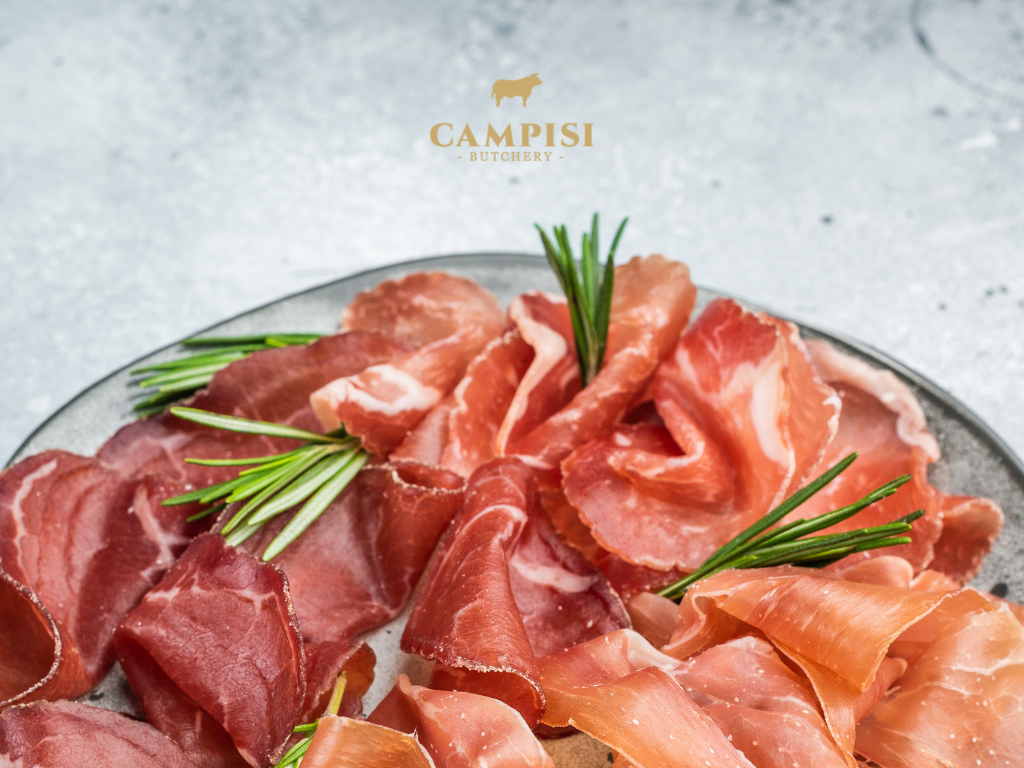
Bringing home quality salumi is only the first step. How you store it can affect its flavor, texture and food safety, particularly once the packaging has been opened or the meat has been freshly sliced.
The term salumi covers a broad range of Italian-style cured and prepared meats. Prosciutto, salami, copra, pancetta and mortadella can all fall within this broader category, but they do not necessarily have identical storage needs.
Some products are dry and heavily cured, while others contain more moisture and require careful refrigeration. Packaging also matters. An unopened vacuum-packed product can have different storage instructions from freshly sliced meat wrapped at the deli counter.
For that reason, the manufacturer’s label or advice from your butcher should always take priority over a general storage rule. Food Standards Australia New Zealand also advises following the manufacturer’s storage directions to ensure food stays safe and suitable for its expected shelf life.
What salumi includes
Italian salumi can range from firm, dry-cured meats to softer cooked products.
Prosciutto is typically served in very thin slices, while salami and copra may be purchased sliced or as larger pieces. mozzarella is a cooked product with a softer texture and different handling characteristics.
These differences matter once you get home. Thin slices have much more surface area exposed to air than a whole piece, so their texture can change more quickly after opening.
Rather than assuming every salumi meat should be stored the same way, check how it was sold and what storage instructions came with it.
Why the type of salumi matters
Before placing a product in the fridge, look at whether it is unopened, freshly sliced, vacuum sealed or already opened.
A sealed commercial pack should normally remain in its original packaging until you are ready to use it, provided the packaging is intact and you follow the label instructions.
Once opened, the product may need different handling. Freshly sliced meats should be protected from contamination and unnecessary exposure to air.
The practical rule is simple: know what you bought, keep its label where possible, and follow product-specific instructions rather than relying on a single storage method for every type of salumi.
How to Store Sliced Salumi in the Fridge
Freshly sliced salumi is convenient for sandwiches, antipasto plates and quick meals, but it needs thoughtful storage once you bring it home.
Refrigerated foods should be returned to the fridge promptly after shopping, particularly in warm Australian weather. Food Standards Australia New Zealand advises keeping potentially hazardous food at 5°C or colder.
If you have a long journey home from the butcher or deli, keeping chilled food cold during transport is also sensible. new health guidance recommends getting cold foods into the refrigerator promptly and using an insulated bag for longer trips or particularly hot days.
Best wrapping methods for sliced meats
The aim is to protect sliced meat without allowing it to dry excessively or become contaminated.
If the butcher has supplied the salumi in suitable sealed packaging, follow the storage advice provided with it. Once that packaging has been opened, place the remaining meat in appropriate food-safe wrapping or a clean, covered food-safe container.
Avoid leaving sliced meat exposed on an uncovered plate in the refrigerator. Apart from drying out, uncovered food can be more vulnerable to contamination and fridge odors.
Try to handle only the amount you plan to serve. Repeatedly opening, handling and returning the entire package to the refrigerator is unnecessary.
Where to place salumi in the refrigerator
Choose a consistently cold section of the refrigerator rather than leaving salumi somewhere that experiences frequent temperature changes.
A crowded refrigerator can also make effective chilling more difficult because cold air needs space to circulate. Food Standards Australia New Zealand advises against overstocking refrigerators and recommends checking that chilled foods remain at an appropriate temperature.
Keep ready-to-eat salumi protected from raw meat and seafood. Raw products should be stored separately or below ready-to-eat foods so juices cannot drip onto them.
These simple habits are particularly useful when preparing several meats, cheeses and other ingredients for an antipasto platter.
How to Store Whole or Larger Pieces of Salumi
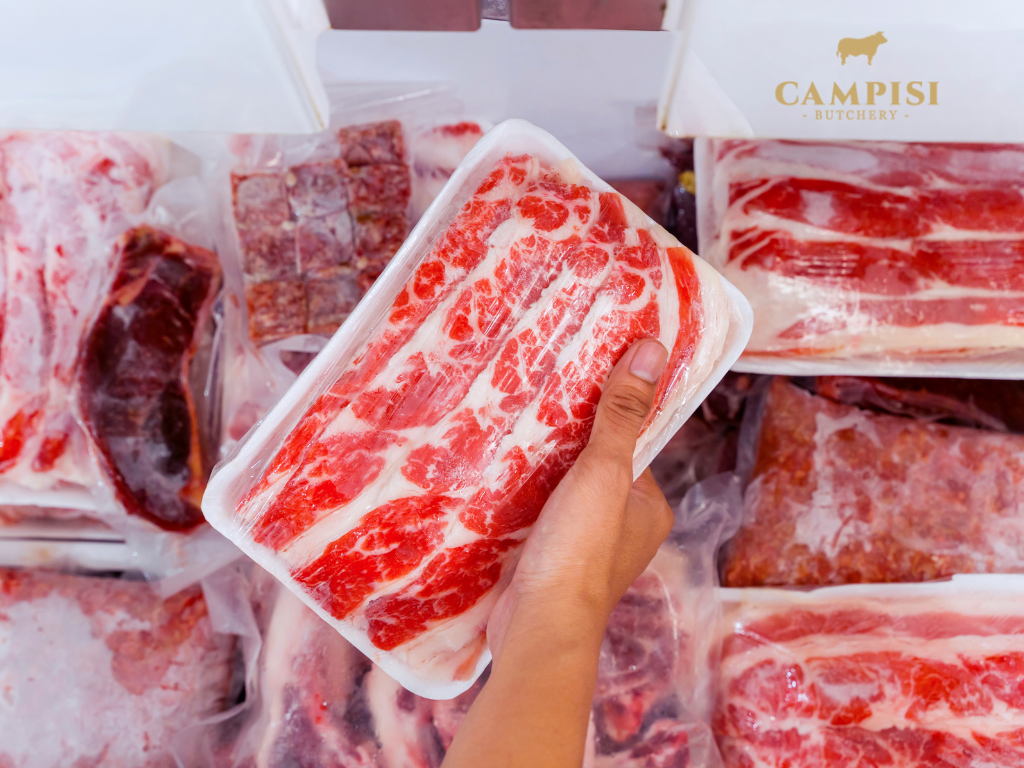
Buying a larger piece can be useful when you regularly prepare sandwiches, antipasto or entertaining platters.
However, there is an important difference between an unopened packaged product and one that has already been cut.
Do not assume that a whole cured meat can automatically sit at room temperature simply because it has been cured. Storage requirements depend on the specific product, processing method and manufacturer’s instructions.
Keeping cured meats in good condition after opening
Once a larger piece has been cut, the exposed surface needs protection.
Follow the butcher’s or manufacturer’s instructions for wrapping and refrigeration. If the product requires refrigeration, return it to the fridge after slicing what you need.
Avoid repeatedly leaving the entire piece on the kitchen bench while preparing other food.
Drying at the cut surface can affect eating quality, while inappropriate temperature control can create a food-safety concern for products that require refrigeration.
For unfamiliar salumi italian products, asking the supplier how the specific item should be stored is more reliable than assuming it behaves like another type of cured meat.
When original packaging is still useful
Original packaging provides more than convenience. It often contains the use-by or best-before date, storage directions and instructions for what to do after opening.
Where possible, keep that information with the product even if you transfer opened salumi to another food-safe container.
Pay particular attention to the difference between a use-by date and a best-before date. new health guidance notes that food should not be eaten after its use-by date, while a best-before date primarily relates to quality and the food may still be suitable depending on its condition.
If the packaging is damaged, swollen, leaking or otherwise appears compromised, do not treat the printed date as the only factor when deciding whether the food is suitable.
How Long Does Salumi Stay Fresh?
This is one of the most common questions people have after buying cured meats, but there is no responsible single answer for every product.
Storage life can vary according to the type of meat, processing method, packaging, whether it has been opened, how it was sliced and the storage instructions supplied with it.
A freshly sliced mortadella, for example, should not automatically be treated the same way as an unopened dry-cured salami.
Factors that affect storage life
Always start with the label or advice provided by the butcher.
Once the package is opened, read any instructions such as “consume within” guidance rather than relying solely on the original date printed on the pack.
Food Standards Australia New Zealand advises following manufacturer storage instructions and discarding food that has passed its use-by date.
Temperature also matters. Food that normally requires refrigeration should not spend unnecessary time sitting on a bench, in a warm car or on a serving table.
When you are uncertain about how a particular product has been handled, taking a cautious approach is better than trying to extend its usable life.
Signs that salumi should be discarded
Changes in appearance do not always mean exactly the same thing across all cured meats. Some traditional products may naturally develop characteristics that would be unusual on ordinary sliced deli meat.
This is another reason product knowledge matters.
However, unexpected unpleasant odors, damaged packaging, unusual sliminess, unexplained color changes or growth that is not normal for that particular product should not simply be ignored.
Do not rely on tasting questionable food to decide whether it is safe.
If you cannot tell whether something is normal for the specific salumi, check with the supplier. When there is genuine doubt about food safety, the safer choice is to discard it.
Choosing the Best Salumi for Home Storage
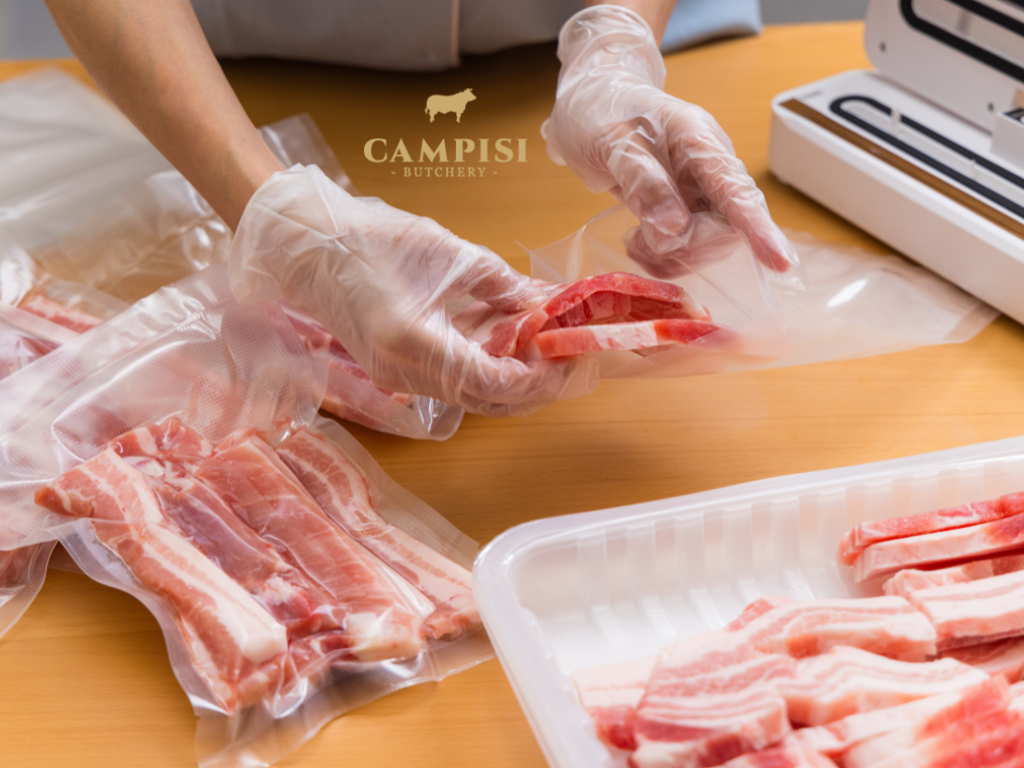
The best salumi is not necessarily the most expensive or the most traditional-looking option. It is the product that suits how you plan to eat it, how much you need and when you intend to serve it.
Someone buying meat for tonight’s antipasto platter may make a different choice from someone who wants a convenient product for several lunches.
Thinking about quantity before ordering can also help reduce food waste.
Which types of salumi suit different needs
For sandwiches, you may prefer meat that can be sliced thinly and portioned conveniently.
For an antipasto board, combining contrasting textures and flavors can be more useful. A delicate prosciutto can sit alongside a firmer salami or another Italian cured meat without needing a huge number of varieties.
If you are new to italian salumi, start with products you know you will actually use rather than buying a large amount simply to create variety.
Tell the butcher how you plan to serve the meat. That information can help them recommend an appropriate product, portion and slicing thickness.
What to ask when buying from a deli or butcher
Someone searching for salumi near me is usually looking for more than the closest shop. Product knowledge, freshness, storage guidance and the ability to prepare the right quantity can all matter.
Ask whether the meat should remain refrigerated, how it should be stored after opening and whether there are specific instructions on the packaging.
If buying sliced meat for an event, tell the butcher when you plan to serve it. You can also ask about suitable slicing thickness and whether purchasing it as a larger piece would better suit your plans.
When comparing a local supplier such as Campisi Butchery with other options, focus on whether you can get clear information about the products you are buying, suitable portioning and practical storage advice. A knowledgeable butcher can be particularly useful when you are exploring unfamiliar types of salumi.
This is also a natural place for an internal link to a salumi range, deli meats page or butcher shop location page.
Serving Salumi Without Compromising Freshness
Good storage does not end when the platter reaches the table.
Serving practices matter because chilled foods can warm quickly, especially during an Australian summer gathering or when food is placed outdoors.
You do not need to put every slice you purchased onto the table at once.
How much to take out before serving
Start with an amount suited to the number of people eating.
If you have purchased more than you need for the first serving, keep the remaining portion covered and refrigerated until required.
new food-safety guidance uses the two-hour/four-hour rule for potentially hazardous foods kept between 5°C and 60°C. Food out of refrigeration for less than two hours can generally be refrigerated again or used immediately; between two and four hours it should be used immediately; after more than four hours it should be discarded.
That makes smaller servings particularly practical when entertaining over a long afternoon.
Pairing salumi with antipasto foods
Salumi works well alongside simple accompaniments that let the meat remain the focus.
Bread, crackers, olives, vegetables and suitable cheeses can create variety without needing a long list of cured meats.
When arranging a platter, use clean utensils and serving surfaces. Take care when raw ingredients are being prepared elsewhere in the kitchen so they do not come into contact with ready-to-eat salumi.
For gatherings, replenishing the platter in smaller amounts can help maintain both presentation and sensible temperature control.
When to Contact Your Local Butcher or Deli

Sometimes the most useful storage instruction will not come from a general online guide. It will come from the person who knows exactly what product you purchased and how it was supplied.
This is particularly important with specialty cured meats, imported products and salumi sold in larger pieces.
A quick question before leaving the shop can save uncertainty later.
When product-specific storage advice matters
Contact the butcher or deli when the label is unclear, you are unfamiliar with the product or you are unsure whether a particular surface appearance is normal.
It is also worth asking when you have purchased a whole or partially cut piece and do not know how storage should change after opening.
Different types of salumi can have different moisture levels, curing methods and packaging requirements. Advice that works for one product should not automatically be applied to another.
For food-safety questions, follow the product label and recognized Australian food-safety guidance rather than relying on appearance alone.
When to ask for freshly sliced or specially packed salumi
If you are planning a gathering, speak to your butcher before deciding how much to purchase.
Explain how many people you are serving, whether the salumi will be part of a larger antipasto selection and when you plan to eat it. This makes it easier to choose an appropriate quantity rather than overbuying.
You can also ask whether freshly sliced or larger-piece options better suit the occasion.
For anyone searching salumi near me, the useful next step is to find a butcher or deli that can explain the products, prepare them appropriately and provide clear storage guidance.
That combination makes choosing salumi easier and helps you enjoy what you buy while it is in good condition.