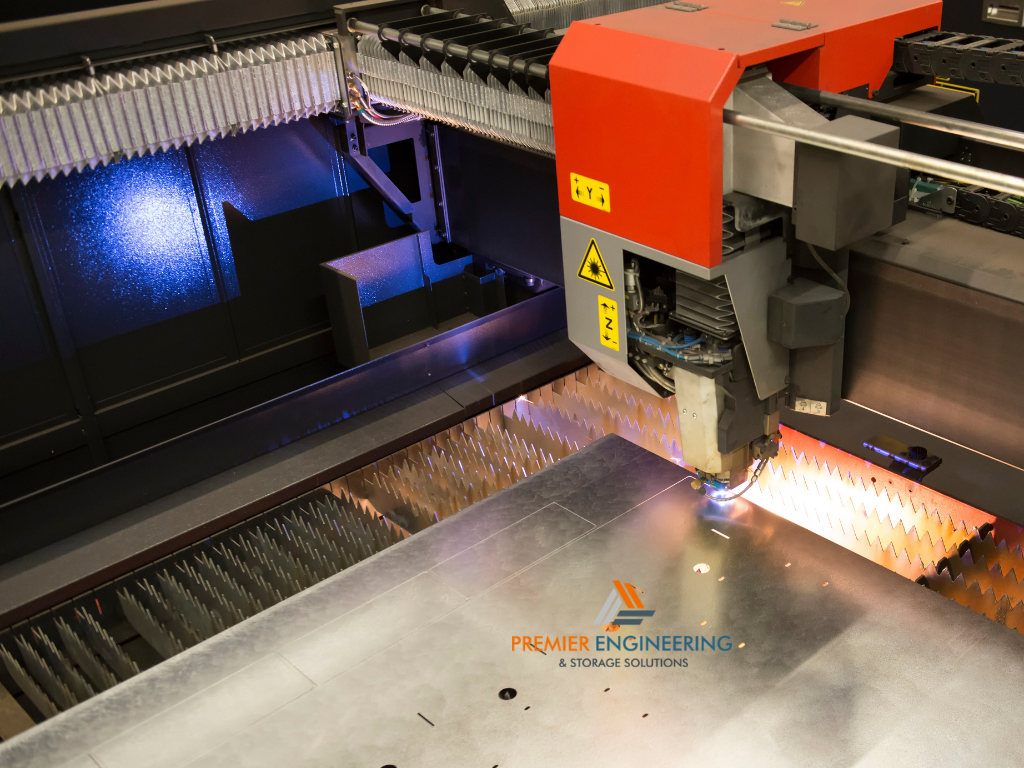
CNC cutting services help businesses create accurate parts, panels, profiles, holes, slots, and components from sheet metal and other suitable materials. CNC stands for computer numerical control, which means the cutting process is guided by programmed machine instructions rather than manual marking and cutting alone.
For Australian businesses, CNC cutting is useful when a project needs repeatable results, clean shapes, accurate measurements, and a practical path from digital design to finished part. It can support manufacturing, construction, engineering, storage, signage, machinery, repairs, fit-outs, and custom fabrication work.
A good CNC cutting supplier should help you understand whether the cutting method suits your material, thickness, quantity, finish, and final use. This matters because a part may need more than cutting. It may also need bending, welding, assembly, surface finishing, or design adjustments before it is ready to use.
How CNC cutting works in practical projects
A CNC cutting machine follows a programmed design file to cut or shape material. The file tells the machine where to move, what profile to cut, and how the part should be formed. This helps create more consistent results, especially when the same part needs to be produced more than once.
The process can be used for simple flat profiles or more detailed components with holes, slots, notches, curves, and internal cut-outs. For example, a metal panel may need mounting holes and shaped openings, while a bracket may need accurate edges and fixing points so it can be installed correctly.
The quality of the result depends on the material, machine setup, file quality, tolerances, and finish requirements. If the drawing is unclear or the material is not suitable, the supplier may need to review the design before production begins.
Where CNC cutting fits into fabrication
CNC cutting is often one stage in a wider fabrication process. A project may start with design files or drawings, then move through cutting, bending, welding, assembly, finishing, and delivery.
This is common in cnc sheet metal fabrication, where a flat sheet may need to become a finished component. For example, a cover may be cut first, then folded on a press brake, welded if required, and finished with powder coating or another surface treatment.
Thinking about the full process early can help avoid delays. If a part needs folding, welding, stainless steel finishing, or assembly, those details should be discussed before cutting starts. This helps the supplier plan the correct production sequence and identify design issues early.
Common Projects That Need CNC Cutting
CNC cutting services are used across many practical industries because sheet metal parts often need accurate profiles, repeated shapes, and clean edges. The process can support both custom one-off work and repeat production.
The best use depends on the part design and how the finished component will be used. Some projects need strength and durability. Others need a clean finish, accurate fit, or a consistent batch of parts.
Sheet metal parts, panels, brackets, and components
CNC cutting is commonly used for parts such as brackets, plates, guards, covers, trays, panels, frames, equipment parts, storage components, and machinery covers. It can also support fabrication work for commercial fit-outs, industrial projects, construction, maintenance, and general engineering.
For example, a business may need stainless steel panels for equipment, mild steel brackets for installation, aluminium plates for lighter components, or custom profiles for production work. CNC cutting can help create these parts from a digital design with consistent dimensions.
When the part needs to fit with other components, accuracy becomes even more important. Hole positions, edge dimensions, bend lines, and cut-out locations should be clearly shown in the drawing so the finished part can be assembled or installed properly.
When repeat accuracy matters
CNC cutting is especially useful when repeat accuracy matters. If a business needs multiple parts with the same profile, the process can help keep each part consistent.
This is important for parts that need to line up with fasteners, frames, hinges, brackets, machinery, or other manufactured components. If the dimensions are inconsistent, installation may take longer and rework may be needed.
Repeat accuracy can also help with future orders. Once the design is confirmed, the same file can often be used again, provided the material, thickness, and requirements remain the same. This can make repeat production easier to manage.
CNC Cutting, Laser Cutting, and Machine Options
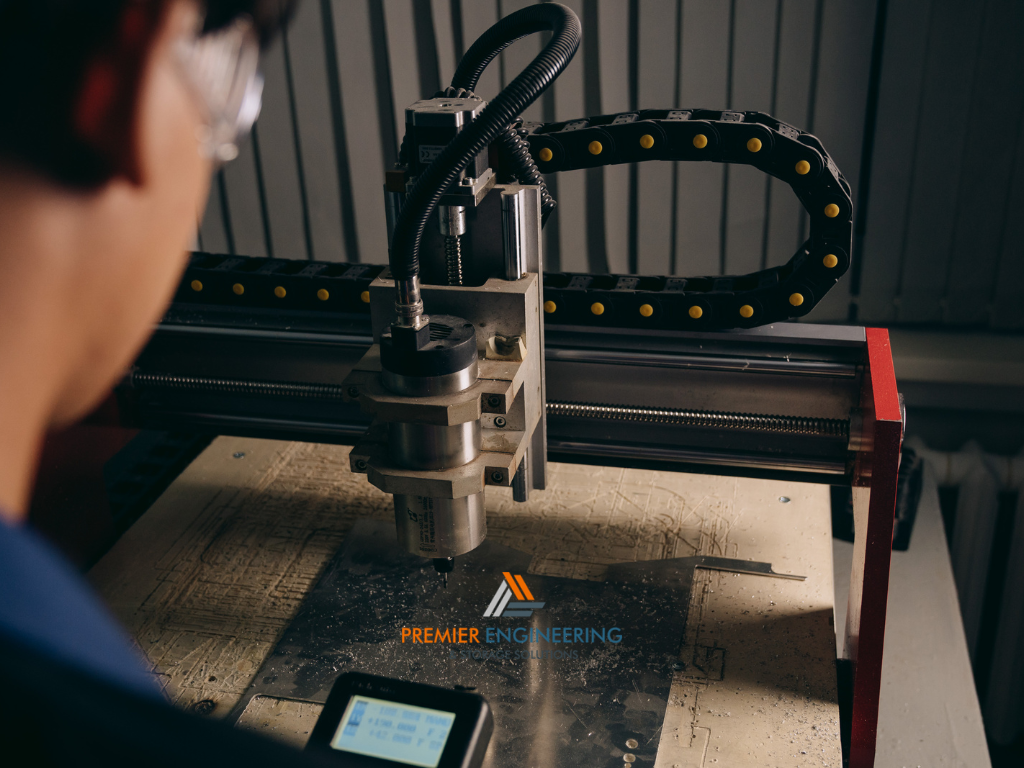
CNC cutting can include different machine types and cutting methods. The right option depends on the material, thickness, part detail, edge quality, tolerance, and quantity.
Laser cutting is one common CNC cutting process. Other CNC processes may include routing, punching, machining, plasma cutting, or other specialised methods. A good supplier should explain which process is suitable instead of treating every project the same way.
How a CNC cutting machine supports precision
A CNC cutting machine supports precision by following programmed instructions from a design file. This helps reduce manual variation and allows the supplier to produce parts with consistent shapes and measurements.
This is useful when the part has repeated holes, detailed profiles, sharp corners, internal cut-outs, or features that need to align with other parts. It can also help when a project needs a clean production workflow from drawing to finished component.
However, precision still depends on proper planning. Material thickness, machine capability, tolerance requirements, and finishing steps can all affect the final result. This is why drawings should be clear and any critical measurements should be explained before production.
When laser cutting may be the right choice
Laser cutting may be the right choice when a project needs detailed profiles, clean edges, internal cut-outs, or accurate sheet metal components. It is often used for metal panels, brackets, covers, signage components, machinery parts, and prototype work.
A laser cutting service can be helpful when the design has curves, fine detail, or shapes that may not suit traditional cutting methods. It may also be suitable for repeat components where the design needs to stay consistent across a batch.
The right choice still depends on the material, thickness, finish, and final use. Some jobs may need laser cutting only, while others may need cutting followed by bending, welding, or assembly.
Materials, Stainless Steel, and Fabrication Requirements
Material choice affects the quality, cost, lead time, and performance of the finished part. The right material depends on strength, durability, appearance, corrosion resistance, weight, and the environment where the part will be used.
Common materials may include mild steel, stainless steel, aluminium, and other project-specific metals. Not all materials behave the same during cutting or fabrication, so the supplier should confirm suitability before production.
Choosing the right material for the job
Mild steel may suit general fabrication where strength and cost control are important. Stainless steel may be used where corrosion resistance, cleanliness, durability, or appearance matters. Aluminium can be useful when a lighter part is needed.
Thickness is also important. A thicker material may offer more strength, but it can affect cutting speed, edge finish, bending requirements, and cost. A thinner material may be easier to cut and form, but it may not suit the load or durability required.
Before choosing a material, think about how the part will be used. Consider whether it will be indoors or outdoors, whether it needs to carry weight, whether it will be exposed to moisture or chemicals, and whether appearance matters. If the part has safety, load-bearing, or compliance requirements, those details should be marked as [VERIFY] and checked with a qualified adviser.
What to consider with cnc stainless steel
CNC stainless steel work needs careful planning because stainless steel can require specific handling, tooling, cutting settings, and finishing steps. It may be chosen for durability, corrosion resistance, hygiene, or visual appearance.
Stainless steel may be suitable for commercial equipment, architectural components, industrial parts, food-related areas, and projects where long-term appearance matters. However, the correct stainless steel grade should be confirmed based on the environment and use case.
If the part needs cutting and bending, the design should account for bend direction, surface protection, hole placement, and finishing requirements. Early discussion with a fabricator can help avoid scratches, distortion, poor fit, or unnecessary rework.
Western Sydney and Local Fabrication Support
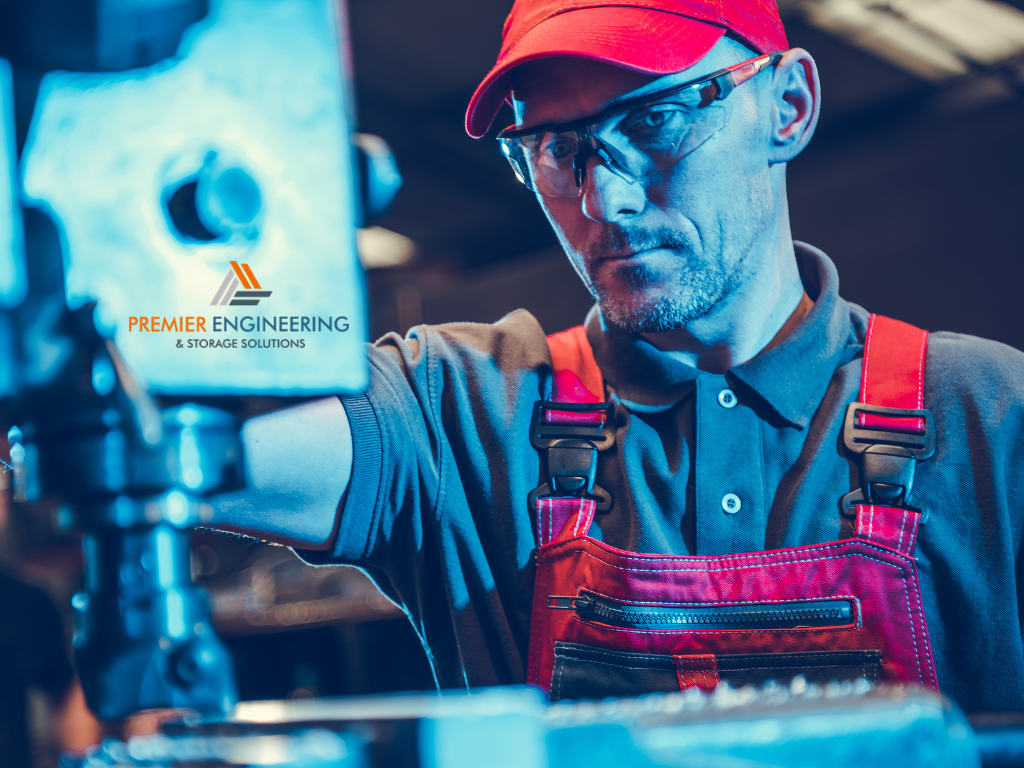
Local support can be useful when a project needs clear communication, drawing review, quick adjustments, or additional fabrication services. For businesses searching for cnc cutting services western sydney, the goal is often to find a supplier that can cut accurately and also understand practical production needs.
Western Sydney has many industrial, construction, manufacturing, warehouse, and trade-based businesses. For these buyers, local fabrication support can make it easier to discuss drawings, check samples, collect parts, or manage urgent changes.
When local CNC cutting support is useful
Local CNC cutting support may be useful when the project needs more than a simple online order. This includes jobs where the material, design, finish, or installation requirements need to be discussed before production.
For example, a business may need metal parts for a workshop, commercial fit-out, equipment repair, industrial site, warehouse system, or custom installation. If the supplier is nearby, it may be easier to review samples, confirm measurements, or discuss practical changes.
However, location should not be the only deciding factor. The supplier still needs the right machinery, material experience, fabrication capability, and communication process for the job.
How nearby fabrication services can reduce delays
Nearby fabrication services can reduce delays when a project needs fast communication or additional work after cutting. If the part also needs folding, welding, finishing, or assembly, working with a supplier that understands the full process can help reduce back-and-forth.
Local support may also help when delivery or pickup timing matters. For urgent jobs, buyers should still ask for a realistic lead time and confirm whether the supplier can meet the required schedule.
A clear brief and early communication are still the most important factors. Even with a local supplier, unclear drawings or missing material details can cause delays.
How to Choose the Right CNC Cutting Supplier
Choosing the right supplier is about more than finding someone with a machine. A good CNC cutting supplier should understand materials, drawings, tolerances, finishes, fabrication steps, and project timelines.
The right supplier should also be clear about what they can and cannot do. This helps buyers avoid wrong material choices, poor fit, unclear costs, and delays during production.
What to check before requesting a quote
Before requesting a quote, check whether the supplier can work with your material, thickness, part size, quantity, and finish requirements. Ask what file types they prefer and whether they can work from drawings, CAD files, sketches, or samples.
It is also useful to ask whether they provide related services such as laser cutting, bending, welding, fabrication, assembly, or finishing. These engineering manufacturing and fabrication capabilities can be important when the project needs more than a flat cut part.
A good supplier should be able to review your design and identify practical issues. These may include holes too close to edges, bend lines that affect cut-outs, material that may not suit the environment, or tolerance requirements that need confirmation.
When to contact Premier Engineering
Premier Engineering may be useful to contact when you need support with CNC cutting, laser cutting, cnc sheet metal fabrication, stainless steel components, or broader fabrication requirements.
This may be helpful if your project involves brackets, panels, covers, folded parts, machine components, industrial parts, or metalwork that needs both cutting and additional fabrication. It may also be useful if you are unsure whether your project needs laser cutting, CNC cutting, bending, welding, or a combined production process.
When contacting Premier Engineering, it is best to provide drawings, measurements, material preferences, quantities, finish requirements, and the intended use of the part. This helps the team review the job clearly and recommend a practical next step.
Preparing Your Project for a Better Result
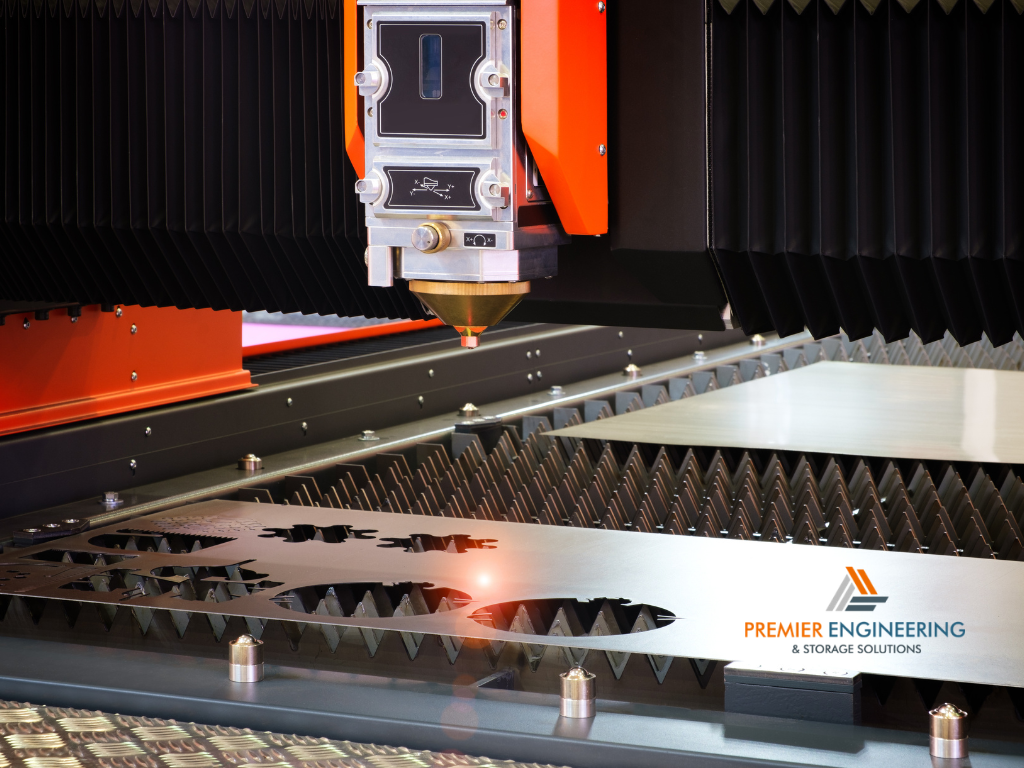
A clear project brief helps the supplier quote more accurately and produce the part with fewer delays. It also helps the fabricator understand whether CNC cutting is the right option or whether another process should be considered.
Even if your design is not final, sharing enough information early can help the supplier identify issues before production begins.
What details to send your fabricator
When requesting a quote, send dimensioned drawings, CAD files if available, material type, material thickness, quantity, finish requirements, and any delivery or installation deadlines. If you only have a sketch or sample, explain what the part does and where it will be used.
It is also helpful to mention whether the part needs folding, welding, powder coating, polishing, assembly, or protective packaging. These details affect the production sequence and final cost.
If the part must fit with another component, include those details as well. Hole alignment, edge clearances, bend lines, mounting points, and finished dimensions can all affect whether the final part works as intended.
How clear requirements help avoid rework
Clear requirements help the supplier understand the job before production begins. This reduces the risk of missing features, wrong materials, unclear tolerances, or design changes after the work has started.
Good communication also gives the supplier a chance to recommend improvements. For example, they may suggest a different material thickness, a more suitable finish, a change to hole placement, or a different process if CNC cutting is not the best fit.
CNC cutting services work best when the design, material, quantity, finish, and purpose are clearly explained. With the right preparation, buyers can get cleaner results, more accurate quotes, and a smoother path from design to finished component.