Laser cutting is widely used in manufacturing, signage, engineering and custom fabrication because it can produce detailed shapes and components from suitable materials. However, not every material can be processed using the same laser cutting machine. For Australian businesses planning a project, understanding material compatibility is an important first step before requesting a quotation.
Acrylic, Perspex, selected plastics, timber and metals can be processed using appropriate laser systems, but the results depend on the material composition, thickness and equipment.
For example, a laser designed to cut steel may not be suitable for acrylic, while a machine commonly used for plastic signage may not have the capability to cut sheet metal.
Knowing these differences can help you select the right material, avoid unsuitable manufacturing methods and communicate your requirements clearly to a fabrication provider.
What Materials Can Be Used for Laser Cutting?
Understanding Laser Cutting and Different Machine Types
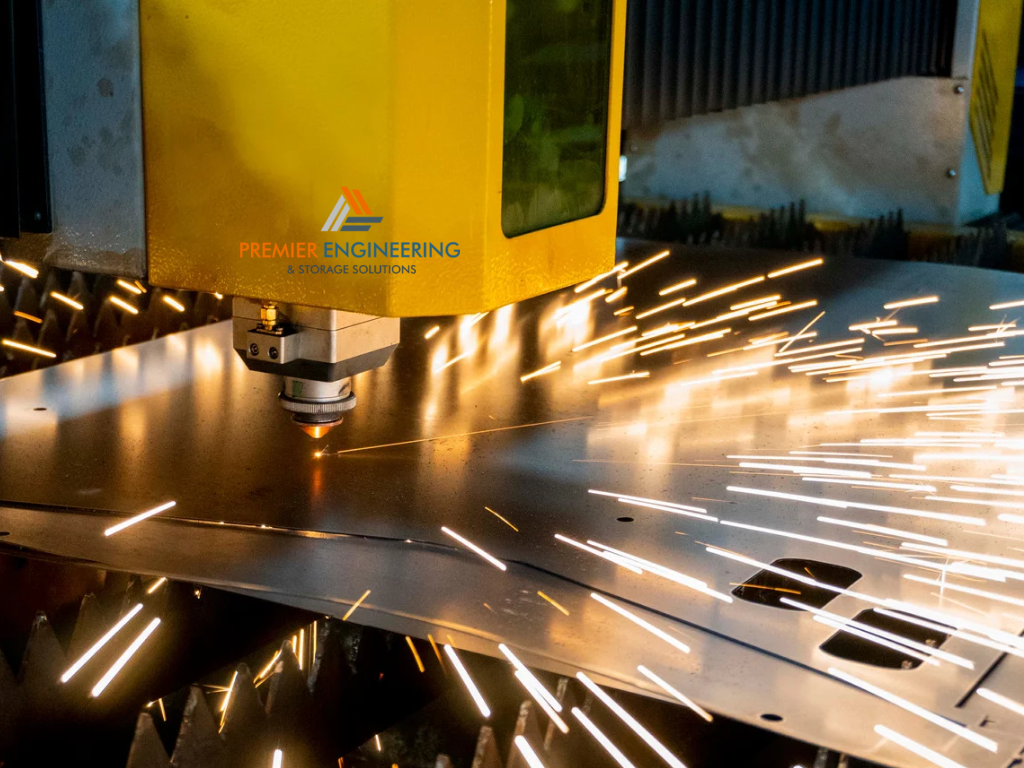
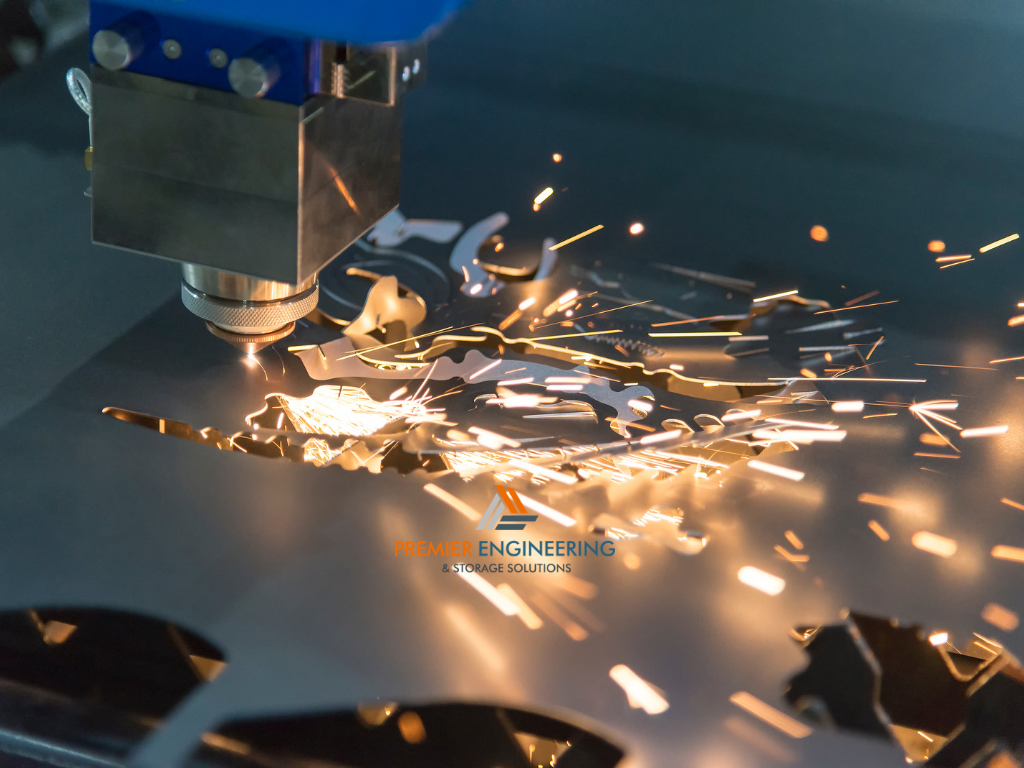
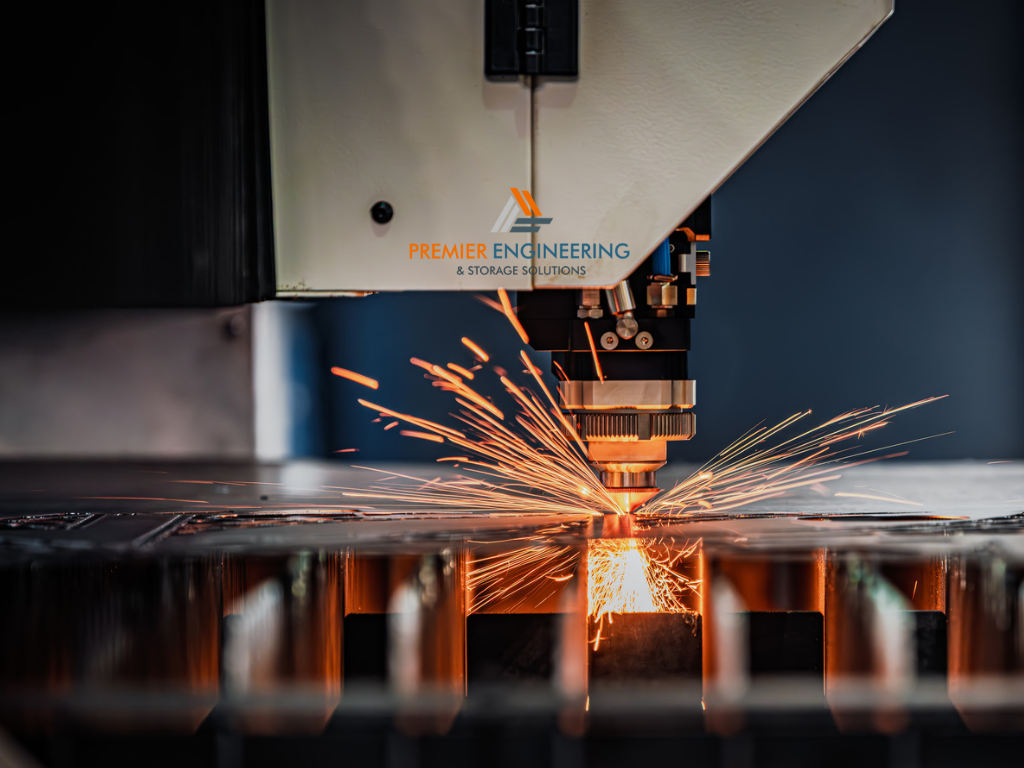
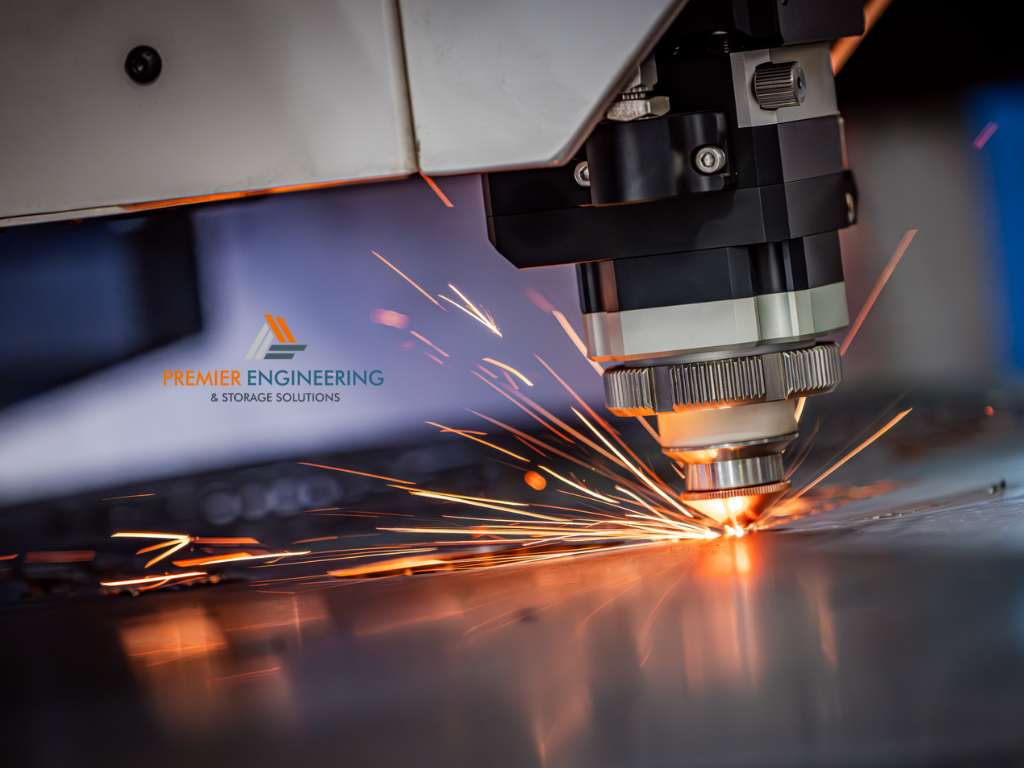
Laser cutting uses a concentrated beam of light to separate material along a programmed cutting path.
The process is controlled by a computer, allowing manufacturers to produce shapes based on digital designs.
However, different laser systems are designed for different materials.
CO₂ lasers are commonly used for suitable non-metallic materials, including acrylic and selected timber products.
Industrial fibre lasers are widely used for processing suitable metals, including steel, stainless steel and aluminium.
Machine power, configuration and processing conditions influence the materials and thicknesses a system can handle.
Businesses researching laser cutting Sydney services should therefore confirm the supplier’s actual capabilities before submitting a project.
Common Materials Used in Manufacturing and Fabrication
Several materials are suitable for laser processing when the correct equipment is used.
Acrylic and Perspex are popular for signage, retail displays and decorative components.
Certain timber products may be used for architectural models and other approved applications.
Industrial metal-cutting systems can process suitable steel, stainless steel and aluminium for manufacturing and engineering projects.
Each material behaves differently when exposed to laser energy.
Some melt, while others are cut through controlled heating and material removal.
The required finish, material grade and intended application should guide the selection.
A fabrication business may specialise in metalwork, plastic fabrication or a particular production process rather than cutting every material.
Why Is Acrylic Popular for Laser Cutting?
Acrylic Laser Cutting Sydney: Common Applications
Acrylic is widely used for signage, display panels, lettering and custom decorative components.
Perspex is a recognised brand of acrylic, although customers may use the term when referring to acrylic sheets generally.
Suitable CO₂ laser systems can cut acrylic into detailed profiles, including curves, lettering and other shapes.
Depending on the material and cutting conditions, the process can produce a smooth edge that may be appropriate for visible applications.
Customers searching for acrylic laser cutting Sydney services should identify the required sheet thickness, colour, dimensions and finished appearance.
It is also important to check whether the selected supplier processes acrylic.
A company specialising in metal laser cutting may use different equipment and may not provide plastic cutting services.
Cast and Extruded Acrylic: What Is the Difference?
Acrylic sheets are commonly manufactured through cast or extruded production methods.
Both forms can be suitable for laser cutting, but they may behave differently during processing.
Cast acrylic is often selected for certain engraving applications because it can produce a distinctive frosted appearance.
Extruded acrylic may respond differently to cutting and engraving, depending on the material and machine settings.
Other considerations include sheet thickness, dimensional consistency and the appearance required for the finished part.
Customers should not assume all transparent plastic sheets are acrylic.
Confirming the exact material grade helps the fabrication provider determine whether laser processing is appropriate.
Can Other Plastics and Timber Be Laser Cut?
Understanding Plastic Compatibility and Safety
Although acrylic is commonly laser cut, other plastics require careful assessment.
Polycarbonate, ABS, PVC and polyethylene have different chemical and physical properties.
Some may melt, discolour, burn or release hazardous fumes during laser processing.
PVC and other chlorine-containing materials should not be used in routine laser cutting because they can release dangerous and corrosive gases.
ABS is generally unsuitable for conventional laser cutting because it can produce hazardous emissions and poor-quality edges.
Polycarbonate also presents difficulties with common CO₂ laser systems, including discolouration, melting and potential fire hazards.
Before approving a material, the provider should identify its composition and review the relevant safety information.
Customers should never assume that an unidentified plastic can be safely processed.
Can Plywood, MDF and Timber Be Laser Cut?
Certain natural timbers and approved plywood products may be suitable for CO₂ laser cutting.
Applications can include decorative panels, models, templates and customised design components.
However, timber behaves differently from acrylic or metal.
The process may darken the cut edge, produce smoke or leave scorching.
Material thickness, moisture content and natural resins can influence the result.
Plywood and MDF require additional caution because adhesives and resins may produce hazardous emissions.
Some facilities prohibit MDF or particular engineered wood products altogether.
For laser cutting projects involving timber, customers should confirm the exact material and whether the provider has approved it for processing.
Suitable extraction systems and fire controls are also essential.
How Do Thickness and Edge Finish Affect Laser Cutting?
Understanding Material Thickness and Cutting Accuracy
The thickness of a material influences whether laser cutting is technically suitable.
A machine designed for thin acrylic sheets may not be capable of processing thicker materials or metal components.
Industrial metal-cutting systems also have operating limits that depend on laser power, material grade and machine configuration.
Cutting accuracy is another important consideration.
The laser removes a narrow amount of material along the cutting path. This is known as the kerf.
Kerf width, heat effects and other processing factors can influence the final dimensions.
For components that must fit together, customers should provide the required tolerances and explain how the parts will be assembled.
No single cutting tolerance or maximum thickness applies to every machine or material.
The supplier should confirm what is achievable for the specific project.
Choosing an Appropriate Edge Finish
Different materials produce different edge appearances after laser processing.
Suitable acrylic may have a relatively smooth, clear-looking cut edge.
Timber may show darkening or charring along the cut line.
Metal components may have heat-affected edges or require additional finishing, depending on the material and cutting conditions.
The intended application determines whether the result is acceptable.
A decorative display may require a different finish from a functional industrial component.
Some projects may also need secondary processes such as machining, polishing, deburring or surface finishing.
Customers should explain whether the finished edge will remain visible, require further assembly or need to meet a particular specification.
This helps determine whether laser cutting alone can achieve the required result.
When Should You Consider CNC Cutting Instead?
Laser Cutting vs CNC Routing: Key Differences
Laser cutting and CNC routing are computer-controlled manufacturing processes, but they remove material differently.
A laser uses concentrated light and heat to cut along a programmed path.
CNC routing uses a rotating cutting tool to remove material mechanically.
This difference affects material suitability, achievable shapes and edge finishes.
Laser cutting may be appropriate for detailed sheet-metal profiles or suitable acrylic components, depending on the equipment.
CNC routing may be preferable for thicker plastic sheets, materials unsuitable for laser processing or components requiring machined recesses.
Router tool diameter also affects the size of internal corners and other design features.
Neither manufacturing process is automatically better for every project.
Customers comparing cnc cutting services should focus on the material, part design and required finish.
CNC Cutting Services Western Sydney: Choosing an Alternative
Some projects require more than a straightforward cutting operation.
For example, a component may need drilled holes, machined features, bends or additional fabrication after its initial profile is produced.
Businesses comparing CNC cutting services Western Sydney should ask which processes are available and whether they suit the intended material.
CNC punching, routing and machining have different applications.
For metal fabrication, CNC punching can be useful for producing suitable holes and profiles, while press brake forming may be used to create bends.
Customers looking for laser cutting Western Sydney services may benefit from discussing the full manufacturing process rather than focusing only on the initial cut.
A provider offering complementary fabrication capabilities may be able to advise on the appropriate production sequence.
How Do You Choose the Right Laser Cutting Provider?
Comparing Laser Cutting Sydney Services and Capabilities
Choosing a fabrication provider involves understanding what the workshop can produce.
Start by confirming whether the supplier specialises in metal, acrylic, timber or other materials.
Ask about supported material grades, thickness limits, cutting tolerances and available finishing processes.
For metal components, additional capabilities such as CNC punching, press brake forming, welding and machining may be relevant.
Premier Engineering, based in South Western Sydney, provides laser cutting and related metal fabrication services, including CNC punching, bending and welding.
Businesses requiring custom metal components can discuss their drawings and manufacturing needs with the company.
However, customers seeking acrylic, Perspex or timber processing should confirm those capabilities with their chosen supplier rather than assume they are available.
What Should You Check Before Accepting a Quote?
A useful quotation should identify the work being supplied and the information used to calculate the price.
Laser cutting costs can depend on material type, thickness, part dimensions, cutting complexity and quantity.
Additional fabrication or finishing requirements may also influence the total cost.
Before choosing a supplier, clarify whether the quotation includes material supply, cutting, finishing and delivery.
Ask about drawing requirements, production lead times and any preparation work needed.
Customers comparing laser cutting Western Sydney providers should also confirm service coverage and collection or delivery arrangements.
The lowest quoted price is not necessarily the most suitable option if the required manufacturing processes or specifications are not included.
Clear communication helps both parties understand the expected result.
What Should You Prepare Before Requesting Laser Cutting?
Design Files, Dimensions and Material Specifications
Preparing accurate project information can make the quotation process more straightforward.
Many laser cutting providers work from digital drawings, although accepted formats vary.
Common examples include DXF, DWG, SVG and PDF files, depending on the supplier’s equipment and workflow.
Customers should provide accurate dimensions, material specifications, thickness and required quantities.
If the part contains holes, slots or features that must align with other components, those details should be included.
It is also useful to identify any required dimensional tolerances and finishing preferences.
A sketch or reference image may help explain an initial concept, but a production-ready drawing may still be necessary.
For laser cutting projects, complete information helps the provider assess material suitability and manufacturing requirements.
Getting Advice on Cutting and Fabrication Options
Not every project needs to use the same cutting method.
A suitable manufacturing approach depends on the material, design complexity, required finish and any additional processes.
Customers should explain how the finished component will be used, particularly if it must support a load, fit within an assembly or meet specific dimensional requirements.
A fabrication provider may recommend laser cutting, CNC punching, machining or another suitable process.
Premier Engineering offers metal fabrication and design-related services for customers requiring custom manufacturing solutions.
Businesses can contact the company to discuss metal components, drawings, material requirements and relevant production options.
Before proceeding, confirm the selected material, required specifications and quotation inclusions.
Understanding which materials can be laser cut helps Australian businesses avoid unsuitable processes and choose fabrication methods that meet their actual project requirements.
Whether you need a single component or a larger production quantity, providing accurate drawings and discussing the intended application are useful first steps.
Contact Premier Engineering to discuss your metal laser cutting and fabrication requirements and request a quotation based on your project specifications.