
Australian medical supplies play an important role in helping people manage everyday activities, maintain independence and receive appropriate support at home. From walking frames and wheelchairs to shower chairs and bedside commodes, many medical aids are used regularly and can gradually develop signs of wear.
However, knowing when to replace these products is not always straightforward.
A mobility aid may still look reasonable but have worn components that affect its stability. A shower chair might remain structurally sound yet no longer provide the support its user requires. Other products may need a simple replacement part rather than a completely new unit.
For Australian households, carers and support providers, understanding these differences is important when deciding whether to continue using, repair or replace medical equipment.
The right decision depends on the product’s condition, the manufacturer’s recommendations and the needs of the person using it.
How to Recognise When Australian Medical Supplies Need Replacing
Visible damage is one of the clearest reasons to inspect medical equipment more closely.
Cracks, bent frames, corrosion, loose fittings and damaged support surfaces can indicate that a product is no longer functioning as intended.
On a walking frame, worn rubber tips may reduce grip. On a rollator, damaged wheels or unreliable brakes may make the equipment more difficult to control.
Bathroom equipment can develop problems with non-slip feet, seating surfaces or adjustable legs.
Changes in how the equipment feels during normal use are also important.
A product that starts wobbling, shifting unexpectedly or making unusual noises should not be ignored simply because it has not visibly broken.
If an essential safety feature fails or the equipment appears unstable, stop using it until a suitable professional or service provider can assess whether repair or replacement is appropriate.
Avoid temporary modifications such as taping cracked load-bearing components or using incompatible replacement parts.
These approaches may not restore the product’s intended performance.
A careful assessment can help determine whether a damaged component can be replaced safely or whether a new product is necessary.
Why Medical Equipment Doesn’t Have One Replacement Schedule
There is no universal replacement timeframe for every walking aid, shower chair or other medical product.
Different equipment is manufactured from different materials and designed for different purposes.
A product used several times each day may experience different wear from equipment used occasionally.
User weight, cleaning practices, storage conditions and environmental exposure can also influence its condition.
For example, bathroom equipment is frequently exposed to moisture and cleaning products, while outdoor mobility aids may encounter uneven surfaces, dirt and changing weather.
Manufacturer instructions remain the most reliable starting point for inspection and maintenance requirements.
Some products have specific service intervals, replacement components or stated service-life limitations.
Others require condition-based assessments.
It is also important to remember that age alone does not determine whether an aid is safe.
A relatively new product can become unsuitable after significant damage, while an older product may remain serviceable if its manufacturer permits continued use and its condition has been properly assessed.
The focus should always be on safety, functionality and suitability rather than an assumed number of years.
Checking Mobility Aids for Wear and Safety Risks
Mobility equipment supports everyday activities such as walking, moving around the home and accessing community spaces.
Because these products may be relied upon for balance or movement, changes in their condition deserve careful attention.
When reviewing Australian medical supplies for mobility support, it is useful to consider both visible wear and whether the equipment still meets the person’s current needs.
When Walking Frames, Rollators and Canes Need Attention
Walking sticks, walking frames and rollators have different designs, but they share a need for stable and reliable contact with the ground.
Rubber tips and ferrules can wear through regular use.
When these components become smooth, cracked, loose or damaged, they may no longer provide the intended grip.
Frames should also be checked for visible cracks, bent sections and loose connections.
Height-adjustment mechanisms need to remain secure at the correct setting.
A rollator has additional components that require attention, including wheels, handles and brakes.
If a brake becomes ineffective, a wheel stops turning normally or the frame begins moving unpredictably, the equipment may require repair or replacement.
Owners should follow the manufacturer’s inspection guidance and use compatible replacement parts where permitted.
If the aid has become unstable or its braking system cannot function reliably, it should not remain in use until the problem has been appropriately assessed.
The person’s needs should also be considered.
Someone whose balance or walking ability has changed may require a different type of mobility support, even when their existing aid remains in good condition.
A physiotherapist or occupational therapist can help assess whether the current equipment is still appropriate.
When a Wheelchair May Need Repair or Replacement
Wheelchairs contain multiple components that influence movement, positioning and support.
The specific inspection requirements depend on whether the wheelchair is manually operated, attendant-propelled or powered.
For manual wheelchairs, changes in wheel movement, tyre condition, braking performance and frame stability can indicate maintenance needs.
Damaged upholstery, worn seating components and loose fittings should also be assessed.
Powered wheelchairs may require additional attention to their batteries, controls, drive systems and electrical components.
Unexpected movement, poor braking or unexplained electrical faults require appropriate professional assessment.
Replacement is not always necessary when one component becomes worn.
Some parts may be repairable or replaceable, depending on the manufacturer’s instructions and the availability of compatible components.
However, structural damage or repeated failures may make replacement more appropriate.
A wheelchair can also become unsuitable because the user’s needs have changed.
For example, someone who requires additional positioning support may need a different seating arrangement.
In these circumstances, choosing another wheelchair solely because it resembles the existing model may not provide the support required.
A qualified professional can assess seating, mobility and positioning needs before a significant equipment change.
Assessing Bathroom and Home Care Equipment
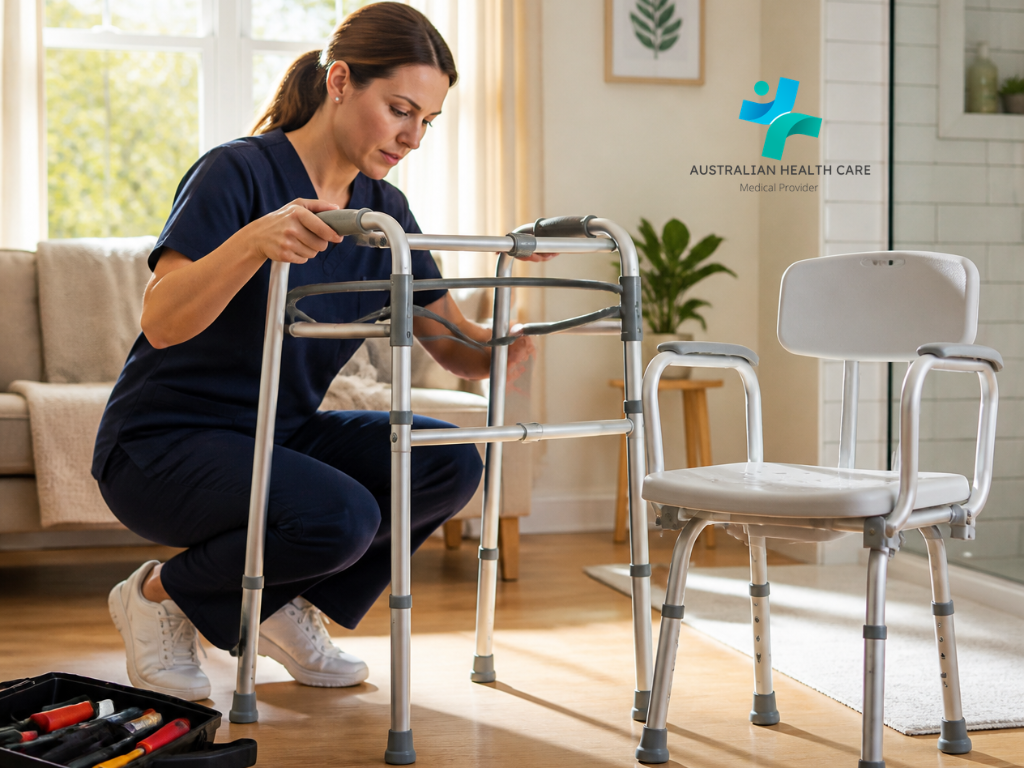
Bathroom equipment is commonly used to support personal care activities such as showering, toileting and transferring.
These activities often take place in wet environments where stability is especially important.
Australian medical supplies used in bathrooms should be inspected regularly for damage, wear and changes that could affect their intended function.
When Shower Chairs and Commode Aids Become Unsafe
Shower chairs, bath stools, over-toilet frames and bedside commodes are designed for different types of support.
The appropriate product depends on the user and the bathroom environment.
Over time, repeated use and exposure to moisture may affect certain components.
Non-slip feet can deteriorate, adjustment mechanisms can become loose and seating surfaces may develop cracks.
Armrests, backrests and supporting frames also require attention.
A shower chair that begins rocking unexpectedly may have damaged feet, an incorrectly adjusted leg or another stability problem.
Users should not continue relying on equipment that is visibly damaged or unstable.
A bedside commode may require attention if its removable container becomes damaged, the seat no longer fits securely or structural components show signs of deterioration.
Cleaning procedures should follow the manufacturer’s instructions.
Strong cleaning chemicals, unsuitable disinfectants or improper storage may affect certain materials.
Before buying a replacement, consider whether the existing design still supports the person adequately.
A shower stool without a backrest may be suitable for one user but not another who requires additional positioning or balance support.
Similarly, swing-open armrests may be relevant for certain transfer needs, but their suitability should be assessed rather than assumed.
If a person is experiencing difficulties transferring or maintaining balance, professional advice may be necessary before selecting replacement equipment.
Checking Home Health Supplies for Ongoing Suitability
Other home health supplies can also become worn or unsuitable through regular use.
Transfer aids, positioning products and pressure care cushions have different functions and should not be assessed using identical criteria.
A transfer aid may have specific structural, lifting or attachment requirements that demand professional inspection.
A pressure care cushion may need attention if its supporting materials deteriorate, its cover becomes damaged or it no longer performs as specified.
An ordinary comfort cushion should not automatically be treated as an appropriate replacement for a clinically selected pressure care product.
People using pressure management equipment may require reassessment when their mobility, skin condition or positioning needs change.
Disposable health care supplies require a different approach.
Single-use items should not be cleaned and reused unless their labelling and instructions specifically permit it.
Sterile products should be checked for expiry dates, damaged packaging and storage requirements before use.
Products with compromised sterile packaging should not be used as though their sterility remains assured.
Understanding these differences helps households avoid treating all medical supplies as interchangeable.
It also makes replacement decisions more appropriate to each product’s actual purpose.
Understanding Equipment Maintenance and Replacement Costs
Replacing healthcare equipment can involve more than purchasing a new product.
The decision may depend on the availability of replacement components, the cost of repairs and whether the existing equipment remains suitable.
For Australian medical supplies used regularly at home, understanding the difference between maintenance and replacement can help people make more informed purchasing decisions.
Repairing Healthcare Equipment Versus Buying New
A worn component does not always mean the entire product needs replacing.
For example, certain walking aids may have replaceable rubber tips, while some wheelchairs can be fitted with compatible replacement wheels or other approved components.
However, repair is only appropriate when the manufacturer permits it and the completed work restores the product’s intended safety and function.
Structural damage, unavailable replacement parts or repeated breakdowns may make continued repair impractical.
The equipment’s age, condition and repair history also matter.
If a product repeatedly fails after repair, it may be worth investigating whether replacement would provide a more suitable long-term solution.
Costs should be considered carefully.
The price of a replacement component may be only one part of a repair.
Professional assessment, labor and the availability of compatible parts can influence the overall expense.
Replacing the equipment also involves comparing product specifications, delivery arrangements and any additional setup or assessment requirements.
A lower purchase price does not necessarily mean an item is the most appropriate choice.
The new equipment must suit the person using it.
For higher-risk or complex products, a professional assessment may be more valuable than making a decision based only on cost.
How Maintenance Helps Extend Equipment Use
Appropriate maintenance can help identify problems and reduce avoidable deterioration.
However, it cannot guarantee that equipment will remain suitable indefinitely.
Different products require different maintenance activities.
A walking frame may need inspection of its ferrules and adjustment mechanisms.
A wheelchair may require checks of its wheels, brakes and seating components.
Bathroom equipment may need regular cleaning and inspection for corrosion, cracks or damaged non-slip feet.
Users and carers should refer to the manufacturer’s instructions rather than applying the same maintenance routine to every product.
Keeping basic maintenance records can also be helpful.
Recording inspections, repairs, replacement components and unusual operating problems provides a clearer history of the equipment.
This can be particularly useful when several family members or support workers assist the same person.
If a problem appears repeatedly, the record may help a repair provider or healthcare professional understand what has changed.
Regular inspection also creates an opportunity to check whether the equipment remains appropriate for the user’s daily activities.
Maintenance and suitability should be considered together.
Knowing When Personal Care Needs Have Changed
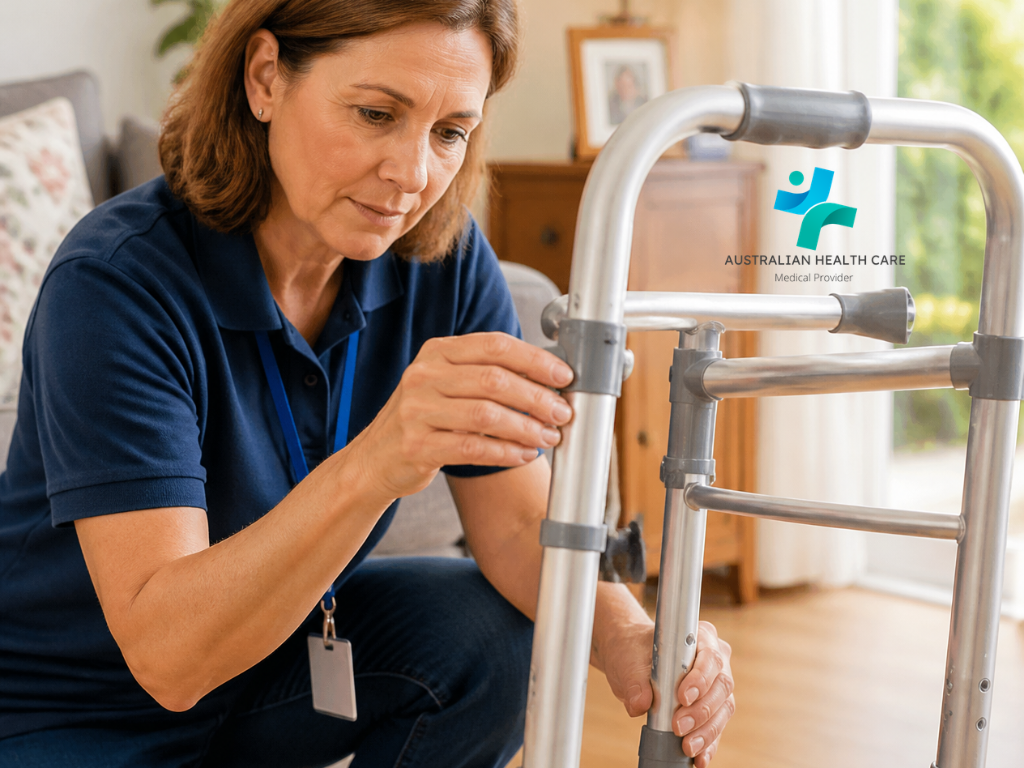
Medical equipment can remain mechanically sound while becoming less suitable for the person using it.
Changes in strength, balance, mobility, body size or daily routines may affect the level of support required.
When reviewing Australian medical supplies, the user’s current needs are just as important as the condition of the product.
When Australian Medical Supplies No Longer Fit the User
An aid that once worked well may no longer provide suitable support.
For example, a walking frame set at an inappropriate height can affect how comfortably the user moves.
A wheelchair may need reassessment if the person’s posture or seating requirements have changed.
Bathroom aids can also become unsuitable when standing, sitting or transferring becomes more difficult.
These changes do not always mean the original equipment is defective.
The issue may be that its design no longer matches the user’s circumstances.
In some cases, an approved adjustment may be sufficient.
In others, a different model or type of equipment may be appropriate.
It is important not to modify equipment beyond the manufacturer’s instructions.
Adding unsupported accessories, altering a frame or exceeding its stated weight capacity can introduce safety problems.
People should seek advice when they notice increasing difficulty using an aid, changes in balance or repeated problems during transfers.
The aim is to select equipment that supports current needs rather than continuing to use an item solely because it remains in working order.
How Healthcare Professionals Help Choose Replacement Aids
Healthcare professionals can help assess the suitability of medical and mobility equipment.
An occupational therapist may consider how someone manages everyday activities at home, including personal care, transfers and access to different rooms.
A physiotherapist may assess mobility-related needs, including walking and balance.
Other qualified professionals may be involved depending on the equipment and the person’s circumstances.
For complex equipment, assessment can help establish suitable dimensions, positioning requirements and features.
The home environment should also be considered.
Doorway widths, bathroom access, floor surfaces and available space may influence whether a product can be used appropriately.
This is particularly important when replacing larger mobility aids or introducing equipment that requires specific transfer arrangements.
Professional guidance may also help determine whether the current equipment can be adjusted or whether replacement is more suitable.
Not every purchase requires a detailed clinical assessment.
However, where the aid affects essential mobility, pressure management, transfers or safety, appropriate professional input can be important.
Understanding Australian Funding and Replacement Options
The cost of replacing medical equipment may be a concern for households, particularly when an essential aid stops working unexpectedly.
Some Australian funding programs can support eligible assistive technology, repairs or replacement.
However, eligibility and approval requirements differ.
Before purchasing Australian medical supplies through a funding arrangement, it is important to confirm the applicable rules.
Can NDIS or Aged Care Funding Cover Replacement Equipment?
The National Disability Insurance Scheme provides assistance with eligible assistive technology for participants whose plans and circumstances meet relevant requirements.
According to the NDIS, replacement may be considered when an item no longer works, repeatedly breaks down, cannot be repaired economically, becomes unsafe or is no longer the correct size.
This does not mean every medical product is automatically funded.
The participant’s plan, the equipment previously funded and the reason for replacement are important.
Some participants may already have replacement funding available in their plan.
Others may need to contact the NDIS about their circumstances and the next steps.
Aged care arrangements operate differently.
The Australian Government’s Assistive Technology and Home Modifications scheme, part of the Support at Home program, provides access to eligible products and modifications based on assessed needs.
Depending on the person’s circumstances, this may include relevant mobility aids, bathing equipment or toileting supports.
Access is subject to assessment, program requirements and applicable funding arrangements.
People considering either pathway should confirm eligibility before relying on funding to purchase replacement equipment.
Private purchases remain another option when appropriate.
The correct approach depends on the individual, the equipment required and whether professional assessment or program approval is necessary.
What Documents May Be Needed Before Replacement?
Keeping records can make the replacement process easier to understand.
An invoice or receipt may help establish when and where the equipment was purchased.
A product description, model number or serial number can assist with identifying the exact item.
Where equipment is damaged, a repairer’s assessment may help explain the condition and whether repair remains practical.
Professional recommendations may also be needed when the user’s support requirements have changed.
For some NDIS replacements, evidence about the existing equipment and continuing support needs is required.
Higher-cost items may involve additional assessment and quotation requirements.
Under aged care arrangements, the person’s assessment and support plan influence which equipment can be accessed.
Requirements may also differ depending on whether the equipment is purchased, rented or supplied through an approved arrangement.
Before committing to a purchase, contact the relevant funding body, plan manager or provider to confirm what documents and approvals are necessary.
Official information is available through the NDIS assistive technology replacement guidance and the My Aged Care Assistive Technology and Home Modifications scheme.
These resources can help clarify the current process without assuming that every replacement follows the same pathway.
Choosing Safe and Suitable Replacement Medical Supplies
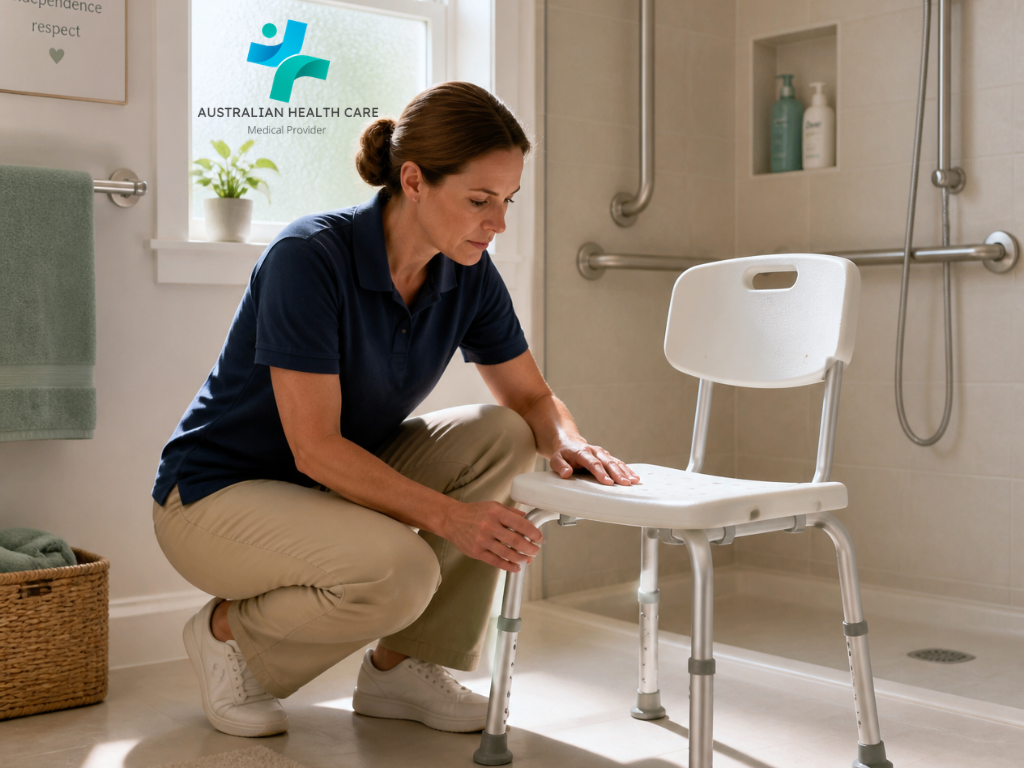
Once replacement becomes necessary, choosing suitable equipment is the next step.
It can be tempting to purchase a product that looks similar to the existing aid, particularly when a familiar model is no longer available.
However, buyers should confirm that the replacement is appropriate for the person, their environment and the intended activity.
When comparing Australian medical supplies, reliable product information and clear purchasing guidance are important.
What to Check Before Buying Australian Medical Supplies
Begin by identifying the purpose of the replacement equipment.
A shower chair, for example, should be assessed against the user’s bathing and transfer requirements.
A walking aid should suit their mobility needs and the environments where it will be used.
Product specifications can help buyers understand the available options.
Relevant details may include overall dimensions, adjustment ranges, stated weight capacity, material construction and intended use.
It is also important to review manufacturer instructions, cleaning requirements and applicable limitations.
Where replacement components are relevant, confirm their compatibility rather than assuming that parts from a similar-looking model will fit.
A trustworthy medical supply store should provide clear product descriptions and accessible information about the equipment being sold.
Customers researching Australian health supplies should be cautious about unsupported safety claims or products that do not provide sufficient details for an informed decision.
Healthcare providers and organisations purchasing wholesale healthcare supplies may have additional considerations.
These can include product consistency, documentation, appropriate storage and the needs of different users.
However, buying medical equipment in larger quantities does not eliminate the need to assess suitability for individual patients or clients.
Whether purchasing one item for home care or sourcing products for an organisation, the priority should remain safe and appropriate use.
Finding the Right Medical Supply Store for Replacement Aids
A suitable supplier can help customers compare products and understand available specifications.
For people choosing replacement aids, it is useful to look for clear information about dimensions, features, intended use and manufacturer guidance.
Availability of compatible accessories or replacement components may also be relevant.
Customers should understand product warranty conditions, delivery arrangements and any return restrictions before purchasing.
This is particularly important for products subject to hygiene requirements or individual fitting considerations.
For Australians comparing home health supplies and healthcare equipment, Australian Health Care offers an online range of medical and home care products.
Its published categories include bathroom medical equipment, mobility equipment, home care equipment, pressure care products and other everyday health care supplies.
These categories can provide a starting point when comparing available replacement options.
However, a supplier’s product listing should not replace professional advice when equipment needs to be clinically assessed or fitted.
Before ordering, confirm the product’s specifications and suitability, along with current availability and any relevant purchasing conditions.
You can explore Australian Health Care’s medical supplies to review available products and compare suitable options for everyday care.
If an existing aid is damaged, unstable or no longer meets the user’s needs, arrange appropriate assessment before continuing to rely on it.
Replacing medical equipment is not simply about purchasing something new.
It is about recognising when an aid is no longer safe or suitable, understanding whether repair is possible and selecting equipment that meets the person’s current requirements.
By checking the condition of existing aids, following manufacturer instructions and seeking professional guidance where necessary, Australian households and carers can make more informed decisions about maintaining and replacing everyday medical supplies.