Choosing home health equipment can become confusing when several products appear to serve the same purpose. A walking aid, shower chair, pressure cushion, blood pressure monitor or adjustable support product may all seem useful, but each item should solve a clearly identified problem.
The best starting point is not a long shopping list. It is a review of the person’s daily routine, abilities, home environment and level of support.
Some health care supplies are simple to choose and use. Other products can affect balance, transfers, positioning, monitoring or personal safety and may require professional advice.
For people comparing australian health supplies, this guide explains how to prioritise products, assess the home, check Australian supply information and choose a reliable supplier without buying unnecessary equipment.
Identify the activities that are difficult
Start by identifying the activities the person finds difficult, uncomfortable or unsafe.
These may include walking between rooms, getting in and out of bed, bathing, using the toilet, preparing food or measuring a health indicator. Each activity may require a different type of health equipment.
For example, someone who has difficulty standing in the shower may need a suitable shower chair or bench. A person who struggles with grip may benefit from modified utensils or easier-to-use household products. Someone who needs help monitoring blood pressure may require an appropriate device and clear instructions.
Assistive technology is designed to help people complete tasks more easily or safely and may support greater independence. However, the most useful item depends on the individual’s needs and goals.
Avoid starting with a product name unless a professional has already recommended it. Defining the task first makes it easier to compare suitable options.
Separate occasional needs from everyday needs
Not every useful product must remain in permanent daily use.
Some home health supplies may only be needed during recovery from surgery, injury or illness. Others may be required every day because the person has ongoing mobility, personal-care or monitoring needs.
Consider how often the product will be used, who will set it up and where it will be stored between uses.
A large item that is only required for a short period may be more practical to rent where an appropriate rental service is available. The NDIS notes that renting assistive technology may be worth considering when a person’s needs are likely to change.
For regularly used equipment, durability, cleaning, replacement parts and ongoing servicing become more important.
Creating a short list based on frequency of use helps separate essential medical equipment from products that may add little practical value.
Review the Home Before Choosing Equipment
Product dimensions should always be compared with the home before an order is placed.
Measure doorways, hallways, bathroom areas, bedside space and the narrowest turning points. Include handles, wheels, arms and any other parts that extend beyond the main product frame.
A shower chair may fit inside the shower but still block access to taps or the door. A walker may pass through one doorway but be difficult to turn in a narrow hallway.
Bedside healthcare equipment should be checked against the bed height, surrounding furniture and available space for transfers.
Storage is also important. Folding equipment may save space, but the user or carer still needs to be able to fold, lift and store it safely.
Accurate measurements reduce the risk of purchasing a product that cannot be used comfortably in the intended room.
Consider carers, transfers and safe movement
The equipment must work for everyone involved in daily care.
Where a carer assists with bathing, dressing or transfers, enough room is needed for safe positioning. Equipment placed tightly between walls or furniture may prevent another person from providing effective assistance.
Floor surfaces also affect use. Wheels, brakes, rubber feet and non-slip components may behave differently on carpet, tiles, timber flooring or uneven outdoor areas.
Thresholds, steps and changes in floor height should also be considered. A mobility aid that works well in one room may not move easily throughout the entire home.
Simple home adaptations may include grab rails, accessible tapware and hand-held showers. However, installation and positioning should suit the individual and may require an appropriate tradesperson or professional assessment.
The home should be reviewed as a complete environment rather than choosing each product in isolation.
Prioritise the Most Useful Product Categories
Start with low-risk daily-living supports
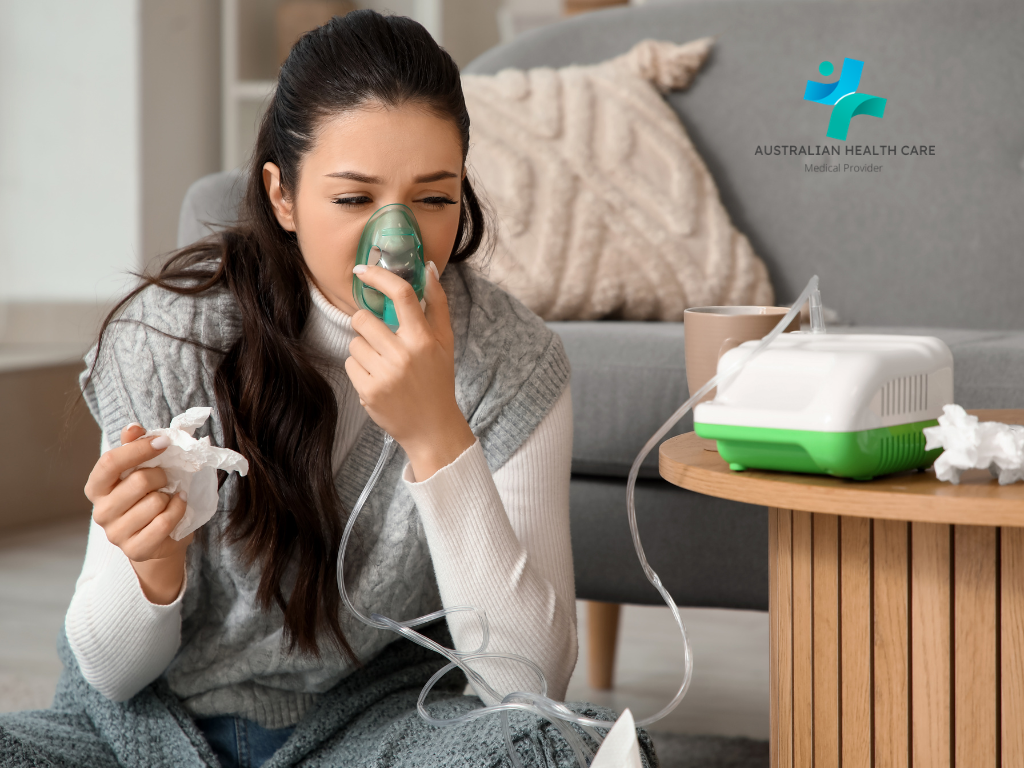
Low-risk assistive products are generally easier to purchase and use with limited setup assistance.
Examples can include walking sticks, basic shower chairs, handrails, adapted utensils and other household supports. The NDIS describes low-cost assistive technology as readily available equipment that is generally not custom-made and usually requires little setup support.
Even simple products should still be suitable for the user. Dimensions, user limits, adjustability and installation instructions should be checked.
A non-slip bathmat may appear straightforward, but it still needs to lie flat and suit the bathroom surface. A walking stick needs the correct height and tip condition. A shower chair must fit the available space and remain stable.
When buying a product for the first time, obtaining advice can still be useful. The NDIS recommends seeking guidance so the item is appropriate, safe and good value.
Treat higher-risk equipment more carefully
Higher-risk products may require assessment, fitting, training or ongoing professional involvement.
Examples can include wheelchairs, adjustable beds, bed poles, transfer equipment, pressure-care products and some medical monitoring devices.
The NDIS considers the cost, risk and evidence associated with assistive technology. It generally expects appropriate adviser or assessor involvement for higher-risk products.
A product may be risky even when it is not especially expensive. Equipment affecting balance, transfers, body positioning or skin integrity can cause problems when it is unsuitable or used incorrectly.
An occupational therapist may assess daily activities and the home environment. A physiotherapist may advise on movement and mobility, while a nurse, doctor or other health professional may contribute depending on the person’s condition.
Supplier information can explain product features, but it should not replace an individual clinical assessment where one is needed.
Check Product Safety and Australian Supply Information
Every product should have a clearly described purpose.
Read the dimensions, adjustment range, weight capacity, warnings and setup instructions. Check which parts are included and whether accessories must be purchased separately.
For electrical health equipment, confirm the power source, charging requirements and whether suitable Australian components are supplied.
Maintenance instructions are equally important. Some products require regular cleaning, battery replacement, calibration, inspection or servicing.
Do not rely only on the product name. Two similar-looking devices may have different intended uses, operating ranges or user restrictions.
Claims about diagnosis, treatment, pain relief or medical outcomes should be supported by appropriate product evidence and regulatory information.
Check ARTG information where applicable
Many products supplied as medical devices in Australia are regulated by the Therapeutic Goods Administration.
Medical devices include products such as medical gloves, bandages, syringes and blood pressure monitors. Unless exempt or excluded, devices generally must be included in the Australian Register of Therapeutic Goods before they can be legally supplied in Australia.
The ARTG is a public database that consumers can search to find information about therapeutic goods approved for Australian supply.
Ask the seller whether the product is a regulated medical device and request the Australian sponsor or ARTG information where applicable.
Not every item sold by a medical supply store is automatically a medical device. Classification depends on the manufacturer’s intended purpose, instructions, advertising and product claims.
As of 1 July 2026, some medical devices supplied in Australia are also subject to Unique Device Identification requirements, beginning with higher-risk classes.
Compare Cost, Ownership and Support
Look beyond the initial purchase price
The purchase price is only one part of owning healthcare equipment.
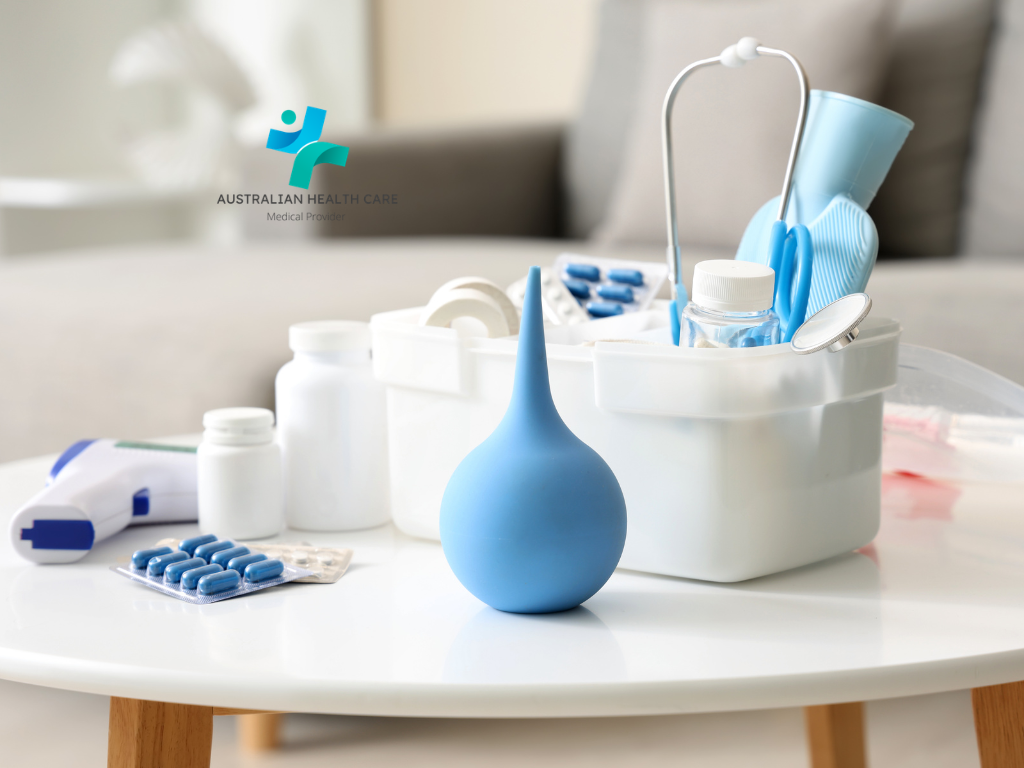
Some products require batteries, cuffs, electrodes, filters, covers or other consumables. These ongoing costs should be checked before buying.
Replacement parts also matter. A mobility or bathroom product may need new tips, wheels, brakes, straps or cushions over time.
Ask whether servicing is available and whether the manufacturer or Australian supplier supports the product locally.
A lower-cost product may be poor value if instructions are unclear, accessories are unavailable or the entire unit must be replaced when one part fails.
For regularly used equipment, reliability, maintenance and support may be more important than saving a small amount at the time of purchase.
Consider buying, renting or trialling equipment
Buying may be practical when the product is needed regularly and the person’s requirements are unlikely to change.
Renting may suit short-term recovery, trial periods or situations where the person’s needs are still changing.
A trial can be valuable for equipment where fit, comfort or manoeuvrability is difficult to judge online. Ask whether demonstration models or trial arrangements are available.
NDIS participants should also check their current funding arrangements before purchasing. Low-cost assistive technology funded through an NDIS plan may sit within the consumables budget, while provider requirements can differ depending on whether the participant is NDIA-managed, plan-managed or self-managed.
Receipts and supporting documents should be kept, particularly where reimbursement or funding claims may apply.
Choose a Reliable Medical Supply Store
A reliable medical supply store should provide enough information for customers to understand what they are buying.
Look for clear Australian contact details, product dimensions, intended use, user limits, included accessories and manufacturer information.
The seller should be able to explain differences between similar products without making exaggerated medical claims.
Be cautious with overseas or unknown online sellers offering unusually cheap medical equipment. The TGA warns that products from these sources may be counterfeit, contaminated, defective, improperly stored or not approved for Australian supply.
A professional supplier should also recognise when the customer needs advice from a health professional rather than attempting to make a clinical recommendation.
Review delivery, setup, returns and warranty
Delivery terms should be checked before ordering large medical equipment.
Confirm whether the product arrives assembled, partly assembled or boxed for the customer to set up. Ask whether delivery includes bringing the item inside the home or only leaving it at the entrance.
Some products may require adjustment, installation or a demonstration. These services should be confirmed in writing.
Read the warranty and returns conditions carefully. Health and personal-care products may have restrictions after opening or use because of hygiene considerations.
Ask what happens if the item arrives damaged, develops a fault or does not match its description.
Keep invoices, instructions, model information and packaging until the product has been checked and is working correctly.
When to Contact Australian Health Care

Ask for help when comparing similar products
Australian Health Care can be contacted when a customer needs help comparing home health supplies, mobility aids, bathroom products, monitoring devices or other medical equipment.
Supplier guidance can clarify dimensions, included accessories, adjustment ranges and general differences between products.
Explain what task the equipment should support and where it will be used. This gives the supplier more useful context than simply asking which item is best.
Australian Health Care can provide product information, but a qualified health professional may still need to assess the final choice when the user has complex needs or the equipment carries greater risk.
The aim should be to find a suitable product category and understand its features without making unsupported medical promises.
Prepare useful information before ordering
Before contacting Australian Health Care or another supplier, prepare the person’s relevant measurements and the dimensions of the intended room.
Include any written recommendations from an occupational therapist, physiotherapist, doctor, nurse or other health professional.
Explain whether the item will be used temporarily or every day. Mention stairs, narrow doors, uneven flooring or storage limitations that may affect suitability.
Ask about instructions, assembly, accessories, user limits, servicing, warranty, returns and delivery.
Where the product is a regulated medical device, request the supplier and product details needed to check its Australian supply status.
By starting with the person’s routine, assessing the home and comparing complete product information, customers can choose australian medical supplies with greater confidence and avoid buying equipment that is difficult, unsuitable or unsafe to use.