Commercial refrigerator rental gives Australian hospitality businesses an alternative to purchasing refrigeration equipment outright. Whether you operate a restaurant, café, catering business or commercial kitchen, choosing between short-term and long-term rental can affect your cash flow, equipment availability and daily operations.
A short-term arrangement may suit temporary events, kitchen renovations or unexpected equipment breakdowns. Long-term rental may be worth considering when refrigeration is needed for ongoing business operations without a substantial upfront purchase.
However, renting is not always the most economical option. Lease agreements, financing arrangements and rent-to-buy options can have different payment structures, ownership conditions and maintenance responsibilities.
Understanding these differences can help you choose refrigeration equipment and payment terms that suit your business.
Understanding Short-Term and Long-Term Refrigerator Rental
How Commercial Refrigerator Rental Works
Commercial refrigerator rental generally allows a business to use refrigeration equipment for an agreed period in exchange for regular payments.
Depending on the supplier and agreement, the process may involve selecting a refrigerator, confirming availability, arranging delivery and agreeing to return, extend or purchase the equipment later.
Rental providers may offer different models, capacities and contract conditions. Equipment ownership usually remains with the provider unless the agreement includes a specific purchase arrangement.
Before signing, businesses should confirm the minimum rental period, payment frequency, maintenance responsibilities and return conditions.
Not every commercial refrigerator rental provider offers the same terms, so reviewing the agreement is essential.
What Makes Short-Term and Long-Term Rental Different?
The main difference is how long the business expects to use the equipment.
Short-term rental is generally suited to temporary requirements, including events, additional seasonal storage and replacement refrigeration during repairs.
Long-term rental may be more appropriate for restaurants, cafés and food retailers requiring equipment throughout their normal operations.
Shorter agreements may offer flexibility, while longer arrangements can provide more predictable payment schedules.
However, longer commitments may involve early termination conditions, ongoing charges and restrictions on returning equipment before the agreement ends.
The most suitable duration depends on your expected usage and how much flexibility your business needs.
When Short-Term Commercial Refrigerator Hire Makes Sense
Temporary Refrigeration for Events and Catering
Events and catering operations often need additional refrigerated storage for limited periods.
A catering business preparing food for a large function may require extra space for ingredients, prepared meals and beverages.
Commercial refrigerator rental can help businesses access additional equipment without purchasing a refrigerator that may only be needed occasionally.
Before arranging temporary refrigeration, consider the volume of food requiring storage, available floor space, electrical supply and delivery access.
The refrigerator must also be suitable for maintaining the required food temperatures.
For outdoor events or temporary venues, confirm that adequate power and suitable installation conditions will be available.
Planning these requirements early can help prevent equipment problems during food preparation or service.
Managing Breakdowns, Renovations and Seasonal Demand
Temporary rental may also be useful when an existing commercial refrigerator is unavailable.
For example, a restaurant replacing kitchen equipment may need alternative cold storage while installation work takes place.
Businesses experiencing increased demand during particular trading periods may also require additional refrigeration capacity.
In these situations, commercial refrigerator rental can provide temporary access to equipment without a permanent purchase.
However, availability and delivery arrangements should be confirmed before relying on a rental unit.
If refrigeration equipment fails unexpectedly, businesses must also assess whether existing food has remained safe. Moving food into another refrigerator does not automatically make food that has been temperature-abused safe to use.
When Long-Term Refrigeration Rental May Be Suitable
Commercial Refrigerator Rental for Ongoing Operations
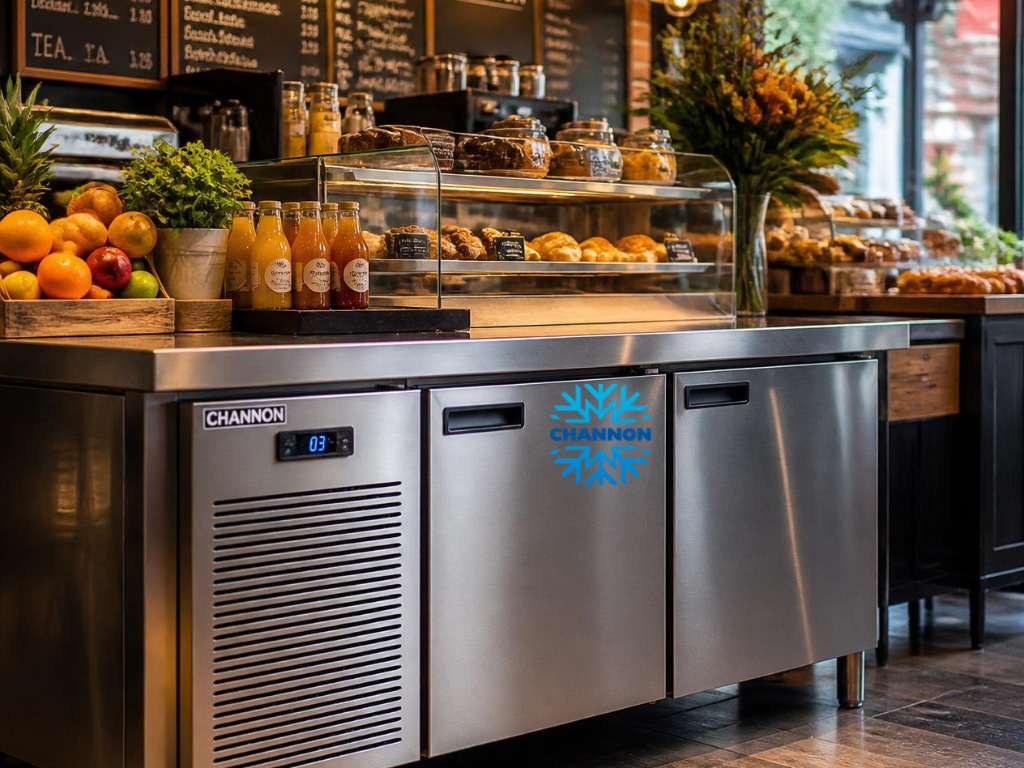
Long-term rental may appeal to businesses that need commercial refrigeration every day but prefer not to purchase equipment immediately.
This could include newly established cafés, restaurants expanding their kitchens or food businesses managing cash flow during periods of growth.
Instead of paying the full purchase price upfront, businesses may be able to spread equipment costs over an agreed period.
However, regular payments can add up.
When considering commercial refrigerator rental for ongoing operations, calculate the total amount payable throughout the agreement.
Also review servicing responsibilities, equipment condition and the options available when the contract ends.
A longer rental arrangement should support the business’s operations without creating unsuitable financial commitments.
Comparing Long-Term Rental With a Commercial Fridge Lease
A commercial fridge lease may provide access to refrigeration equipment through regular payments over a specified contract period.
Although renting and leasing are sometimes discussed together, the terms can differ.
Some agreements provide options to return or upgrade equipment, while others may allow eventual ownership subject to particular conditions.
The contract may also specify who is responsible for servicing, repairs and damage.
Businesses should not assume a commercial fridge lease automatically transfers ownership when payments finish.
Before choosing between leasing and commercial refrigerator rental, compare the agreement length, total payments, end-of-term conditions and maintenance arrangements.
These details are often more important than the advertised payment amount alone.
Comparing Rental, Leasing, Rent-to-Buy and Financing
How Rent-to-Buy and Equipment Financing Differ
Businesses planning to keep their equipment may want to explore purchasing arrangements rather than conventional rental.
A rent to buy commercial fridge agreement may provide an opportunity to acquire the refrigerator, depending on the contract’s purchase provisions.
However, not every rental payment necessarily contributes towards ownership.
Commercial refrigerator financing is another option that may allow businesses to acquire equipment while spreading the cost over time.
Finance arrangements can involve interest, fees, eligibility requirements and repayment obligations.
Before committing, confirm when ownership transfers, whether a final payment applies and what happens if the agreement ends early.
The appropriate choice depends on whether you need temporary equipment access or intend to own the refrigerator.
Is Catering Equipment Finance Better Than Renting?
Catering equipment finance may suit businesses planning to use refrigeration and other commercial kitchen equipment for several years.
Financing can provide an alternative to paying the full purchase price immediately, although the total cost may include finance charges.
Rental may be preferable when equipment requirements are uncertain or when the refrigerator is needed only temporarily.
A commercial fridge on rent may also suit businesses wanting the option to return equipment, where the agreement permits it.
However, neither arrangement is automatically cheaper.
Australian businesses should compare total costs, repayment commitments and end-of-term obligations.
Where necessary, seek advice from an accountant or qualified financial adviser about the financial and tax implications.
Choosing the Right Commercial Refrigerator and Rental Provider
Selecting Equipment for Your Commercial Kitchen
Choosing suitable refrigeration equipment begins with understanding what needs to be stored.
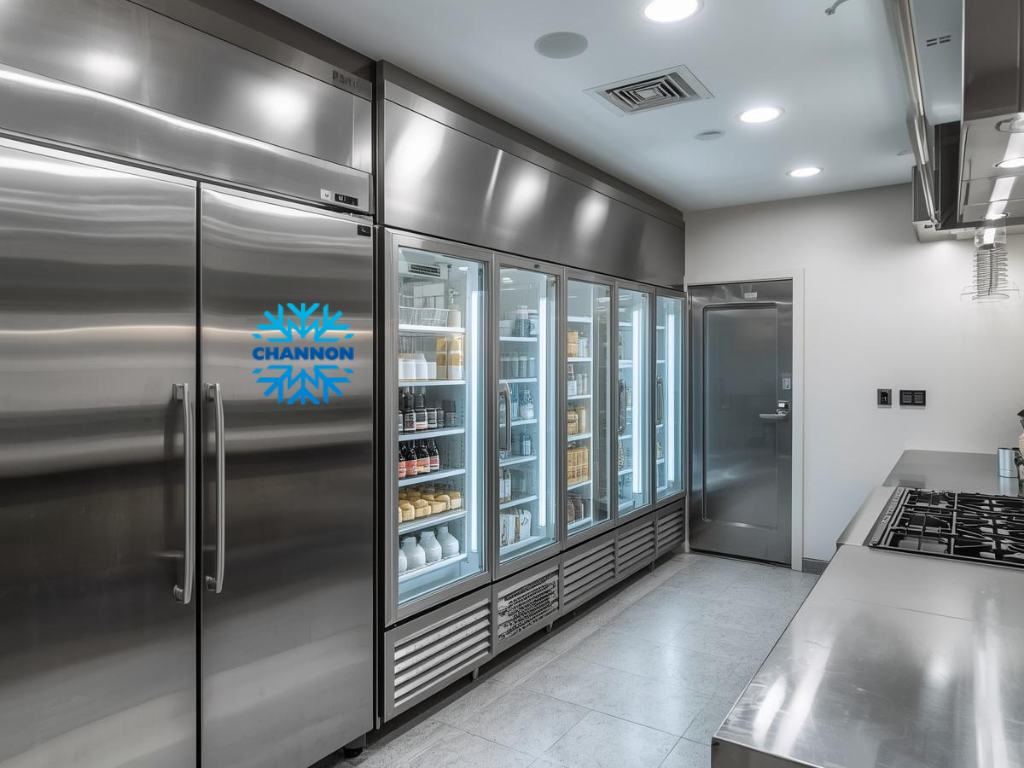
An under-bench refrigerator may suit a compact preparation area, while an upright commercial refrigerator can provide additional storage without taking up as much floor space as some wider units.
Larger kitchens may need double-door refrigerators or multiple units to manage different ingredients.
When comparing commercial refrigerator rental options, check usable storage capacity, external dimensions, ventilation clearance and electrical requirements.
Also consider door access, shelving arrangements and the manufacturer’s specified operating conditions.
The refrigerator must be capable of maintaining appropriate temperatures under the conditions in which it will operate.
Selecting the correct equipment helps support kitchen workflows and appropriate food storage.
What to Check Before Choosing Commercial Refrigerator Rental
A suitable supplier should explain the available equipment, rental conditions and relevant support arrangements.
Before committing, ask whether delivery, installation, servicing and collection are included in the quotation.
Confirm what happens if the refrigerator develops a fault and whether replacement equipment may be available.
Channon supplies commercial refrigeration and catering equipment and provides access to rental, leasing and financing solutions through hospitality finance partners.
These arrangements include different payment terms and potential end-of-term options, depending on the provider and agreement.
Businesses exploring commercial refrigerator rental through Channon should confirm current equipment availability, eligible finance arrangements and applicable conditions before proceeding.
Understanding Rental Costs and Food Safety Requirements
What Affects Commercial Refrigerator Rental Costs?
The total cost of renting a commercial refrigerator depends on several factors.
Equipment size, model, rental duration and the supplier’s payment arrangements can influence the quotation.
Additional expenses may include freight, installation, collection, deposits or charges associated with extending or ending the agreement.
A short rental may involve different delivery and collection costs from a longer agreement.
Before selecting commercial refrigerator rental, request a written quotation covering the full expected period.
Businesses should also clarify what happens if equipment is returned early or if repairs become necessary.
Comparing total costs rather than individual payments can help prevent unexpected expenses.
Maintaining Safe Refrigeration Temperatures
Suitable refrigeration is essential for businesses handling potentially hazardous food.
Under Australian food safety requirements, potentially hazardous food generally needs to be kept at 5°C or colder during refrigerated storage, unless the business can demonstrate that another arrangement is safe.
This includes many foods containing meat, seafood, dairy products and cooked ingredients.
Businesses should use an appropriate thermometer to check actual food temperatures rather than relying solely on a refrigerator’s display.
Avoid overloading refrigerated storage, maintain suitable airflow and follow the manufacturer’s operating instructions.
Commercial refrigerator rental does not transfer food safety responsibilities to the equipment provider.
The food business remains responsible for maintaining appropriate storage practices and managing food safety risks.
Deciding Which Rental Arrangement Fits Your Business

Questions to Ask Before Signing a Rental Agreement
Before agreeing to commercial refrigerator rental, establish how long the refrigerator will genuinely be required.
Ask whether the rental period can be extended and what charges may apply if business needs change.
Confirm the payment schedule, delivery arrangements, maintenance responsibilities and process for reporting equipment faults.
If you are considering a commercial fridge on rent with the intention of purchasing it later, ask whether the agreement provides an ownership option.
It is also important to understand cancellation conditions and any obligations that continue after the equipment is no longer needed.
Reviewing these details can help businesses avoid choosing an arrangement that does not match their operating requirements.
Making the Right Commercial Refrigerator Rental Decision
Short-term rental can be practical for temporary events, kitchen renovations and periods of increased demand.
Long-term arrangements may suit businesses needing refrigeration for everyday operations without making an immediate outright purchase.
Leasing, financing and rent-to-buy arrangements may also be worth considering where eventual ownership or extended equipment use is the priority.
However, the right choice depends on total costs, storage requirements, agreement terms and business plans.
Channon offers commercial refrigeration equipment alongside rental and financing options through its hospitality finance partners.
Businesses can explore Channon’s Rental & Finance options to understand the available arrangements and enquire about suitable equipment.
Before making a decision, compare the proposed agreement with your expected usage and request clarification about any costs or conditions you do not understand.
Commercial refrigerator rental can provide flexibility, but the best arrangement is one that meets your refrigeration requirements while supporting manageable business commitments.