
Choosing between aged care nursing homes and home care is an important decision for older Australians and their families. Both options provide support with daily living, personal care and wellbeing, but they differ in where care is delivered, the level of assistance available and how everyday life is organised.
Some older people prefer to remain at home with scheduled assistance, while others may benefit from residential care where nursing and personal support are available around the clock.
For families in Rooty Hill and Western Sydney, understanding these differences can make it easier to compare services, consider individual care needs and plan for the future.
This guide explains residential aged care, home care, costs, lifestyle considerations and the steps involved in accessing government-funded support in Australia.
What Is the Difference Between Aged Care Nursing Homes and Home Care?
Understanding Aged Care Nursing Homes in Australia
Aged care nursing homes, commonly called residential aged care homes, provide accommodation and ongoing support for older people who need assistance with daily living.
Residential care generally includes meals, laundry, cleaning, personal care and access to nursing services.
Residents receive individual care based on their assessed needs, which may include assistance with showering, dressing, mobility and medication management.
Care is available throughout the day and night, although individual services and specialist support vary between facilities.
Residential aged care may be suitable when remaining at home becomes difficult or the person requires more frequent assistance than can reasonably be arranged there.
How Home Care Supports Independent Living
Home care allows older Australians to receive assistance while continuing to live in their own homes.
Support may include personal care, cleaning, meal preparation, transport, nursing and allied health services, depending on assessed needs.
The Australian Government’s Support at Home program commenced on 1 November 2025, replacing the former Home Care Packages Program.
The Commonwealth Home Support Programme continues to provide entry-level assistance.
Unlike aged care nursing homes, home care generally involves scheduled visits rather than continuous staff availability.
Older people may also rely on family members or privately arranged support between visits.
The appropriate arrangement depends on individual circumstances and the level of assistance required.
How Do Nursing and Personal Care Services Compare?
When Aged Care Nursing Homes May Provide More Suitable Support
Care needs can change as people grow older.
Some individuals require occasional assistance, while others need frequent help with mobility, personal hygiene, medications or everyday activities.
Aged care nursing homes provide a residential environment where care staff can respond to residents’ ongoing needs.
The support provided to nursing home patients, more appropriately described as residents, varies according to their individual care plans.
Families researching high care Rooty Hill services may be looking for facilities able to support more complex care requirements.
However, high care and low care are older descriptions rather than separate current government classifications for residential aged care.
Families should ask providers about their actual nursing capabilities and whether they can meet specific needs.
What Personal and Nursing Support Is Available at Home?
Home-based services can help eligible older people manage daily activities without relocating.
Depending on their assessment, people may receive assistance with showering, dressing, nursing care, therapy or household tasks.
Support at Home services are arranged according to approved needs, available funding and provider arrangements.
However, scheduled visits may not meet every person’s requirements.
Someone needing frequent overnight assistance or continuous supervision may require additional support beyond ordinary home care visits.
Family carers may help, but their availability and wellbeing also matter.
When comparing home care with aged care nursing homes, consider whether the required assistance can be delivered reliably and safely in the existing home.
How Do Independence and Lifestyle Compare?
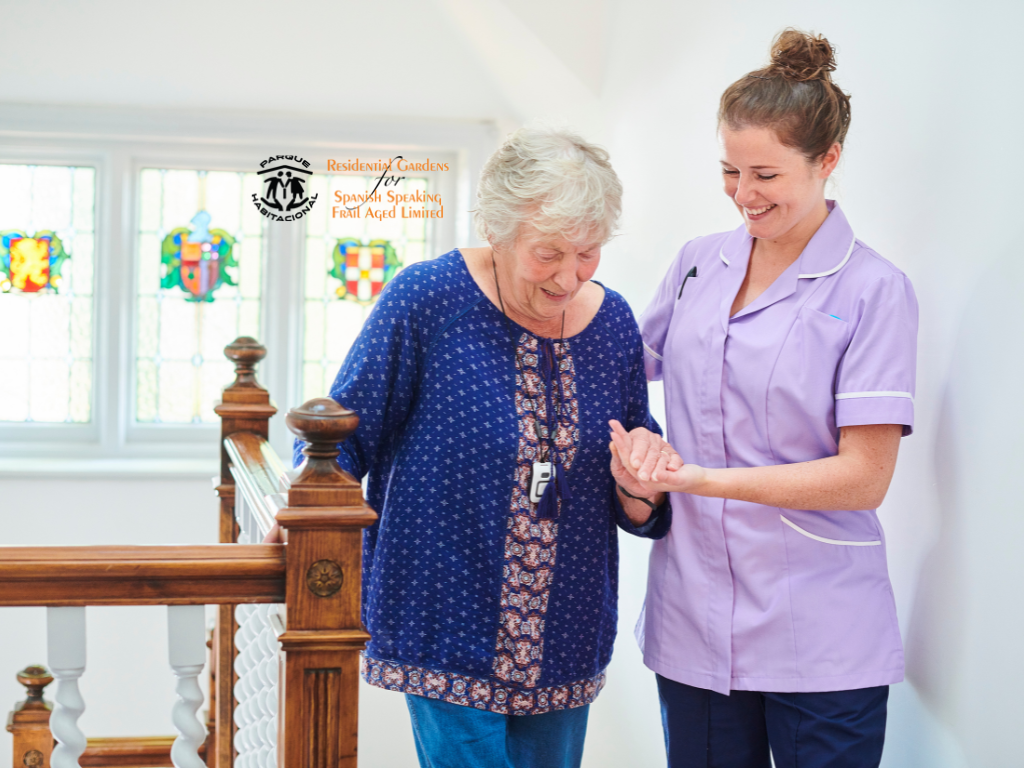
Lifestyle in Aged Care Nursing Homes
Moving into residential aged care does not mean giving up personal interests or everyday choices.
A suitable lifestyle in aged care should respect each resident’s preferences, routines, cultural background and independence.
Depending on the facility, residents may have access to shared dining, organised activities, social gatherings and outdoor areas.
Some homes offer opportunities for gentle exercise, entertainment and participation in familiar hobbies.
Families should ask how residents are supported to make choices about their day, maintain relationships and participate in activities they enjoy.
Visiting arrangements, meals and opportunities for privacy are also important.
Aged care nursing homes differ in their environments and programs, so visiting a facility can help families understand what daily life may involve.
Maintaining Familiar Routines Through Home Care
Remaining at home allows older people to continue living in familiar surroundings.
They may be able to maintain established routines, relationships with neighbours and connections with local community groups.
Home care can support independence by providing assistance with tasks that have become difficult.
This may include household maintenance, shopping, personal care or transport to appointments.
However, living at home can present challenges if someone experiences increasing isolation or needs assistance outside scheduled service times.
The home itself may also require modifications to support mobility and accessibility.
Neither home care nor residential care automatically provides a better lifestyle.
The most suitable option should reflect the older person’s preferences, social connections and support requirements.
What Are the Costs of Residential Aged Care and Home Care?
Understanding Residential Care Fees and Accommodation Costs
The cost of aged care nursing homes depends on the resident’s circumstances and the applicable fee arrangements.
Government-funded residential aged care may involve a basic daily fee, accommodation costs and additional contributions.
The amount payable can depend on income, assets, the accommodation selected and individual circumstances.
Australia introduced new residential aged care fee arrangements on 1 November 2025.
Some people remain covered by earlier arrangements or transitional protections, depending on their circumstances.
Before choosing a facility, families should request clear information about accommodation payments, daily charges and any optional services.
My Aged Care and Services Australia provide official guidance about fees and financial assessments.
Understanding the complete cost is important before entering a residential care agreement.
How Support at Home Funding and Contributions Work
Government-funded home care operates differently from residential aged care.
Under Support at Home, eligible participants receive funding based on their assessed needs and approved services.
The program covers different types of support, with contribution requirements depending on the service category and individual circumstances.
Clinical supports, including eligible nursing and personal care services, are government-funded without participant contributions under current arrangements.
Other services may involve contributions based on income and assets.
Home care recipients may also continue paying household expenses such as utilities, groceries, maintenance and accommodation-related costs.
When comparing home care with aged care nursing homes, families should consider the total cost of meeting the person’s needs rather than comparing individual service charges alone.
When Might Residential Aged Care Be the Better Option?

Recognising Changes in Daily Care Requirements
There is no single event that determines when someone should move into residential aged care.
However, increasing support needs may encourage families to explore their options.
Someone may require more frequent assistance with bathing, mobility, meals or medication management.
Changes in memory, orientation or judgement may also create additional support needs.
The availability of family carers can influence whether remaining at home is practical.
Aged care nursing homes may be worth considering when the required level of assistance is difficult to arrange consistently at home.
These circumstances do not automatically mean residential care is necessary.
A professional aged care assessment can help identify available services and determine what support may be appropriate.
How Retirement Villages Differ From Nursing Homes
Families comparing retirement villages Rooty Hill options should understand that retirement villages and residential aged care are different arrangements.
Retirement villages generally provide accommodation for older people who are able to live independently or with suitable additional support.
They do not automatically provide the ongoing nursing and personal care available in residential aged care homes.
Some retirement village residents may access government-funded home support separately.
Aged care nursing homes, by comparison, provide accommodation alongside organised personal and nursing care.
The distinction is important when choosing accommodation for someone with increasing support requirements.
Families should confirm what services are included rather than assume that every retirement living arrangement offers the same level of assistance.
How Can Families Choose the Right Aged Care Service?
Comparing Aged Care Rooty Hill Providers
Location can be an important consideration when choosing residential or home-based support.
Families exploring aged care Rooty Hill services may want to remain close to relatives, familiar healthcare providers and established community connections.
When comparing aged care nursing homes, consider the available nursing services, accommodation, meals, lifestyle activities and communication with families.
The Australian Government’s My Aged Care website also provides information about registered providers and residential care Star Ratings.
These ratings consider areas including residents’ experiences, compliance, staffing and quality measures.
Families should use this information alongside facility visits and discussions with care providers.
Residential Gardens, located in Rooty Hill, offers residential aged care and registered home-based support services.
Families can contact the organisation to discuss their individual requirements and confirm which services are currently available.
Questions to Ask Before Choosing a Provider
Choosing aged care nursing homes or home care services requires more than comparing locations.
For residential care, ask how individual care plans are developed and reviewed.
Discuss nursing availability, personal care, meals, accommodation, visiting arrangements and opportunities for social participation.
For home care, clarify the services available, visit schedules, care coordination and arrangements when needs change.
Families should also ask about fees, service agreements, availability and communication procedures.
Where specialised support is required, explain those needs clearly and ask whether the provider can meet them.
Involving the older person in these conversations helps ensure their preferences and priorities remain central to the decision.
How Do You Arrange Aged Care in Australia?

Understanding My Aged Care Assessments and Eligibility
My Aged Care is the Australian Government’s starting point for accessing subsidised aged care services.
An assessment considers the older person’s health, daily living abilities, support requirements and personal circumstances.
The outcome helps determine eligibility for appropriate services, including home-based assistance or residential aged care.
An assessment does not automatically require someone to move into a nursing home.
Families can use the assessment outcome to compare providers and explore suitable care arrangements.
Service availability and funding waiting periods may vary.
For people considering aged care nursing homes, My Aged Care also provides information about residential care providers, accommodation and quality ratings.
The official website can guide families through the assessment and application process.
Planning a Suitable Transition Into Care
Preparing for a new care arrangement involves both practical and personal considerations.
For home care, families may need to organise service schedules, access arrangements and any recommended home modifications.
For residential care, preparation may include reviewing accommodation agreements, discussing personal routines and arranging familiar belongings.
It is also helpful to share relevant information about communication preferences, health needs, interests and cultural requirements.
Care arrangements should be reviewed as circumstances change.
Families exploring aged care nursing homes in Western Sydney can contact Residential Gardens to enquire about residential accommodation, home-based services and available support arrangements.
The decision between home care and residential aged care should reflect the older person’s needs, preferences, safety and available assistance.
Neither option is automatically better for everyone.
For guidance on eligibility and government-funded services, visit My Aged Care. To discuss local care options, contact Residential Gardens and ask about its current services, accommodation arrangements and opportunities to visit the facility.