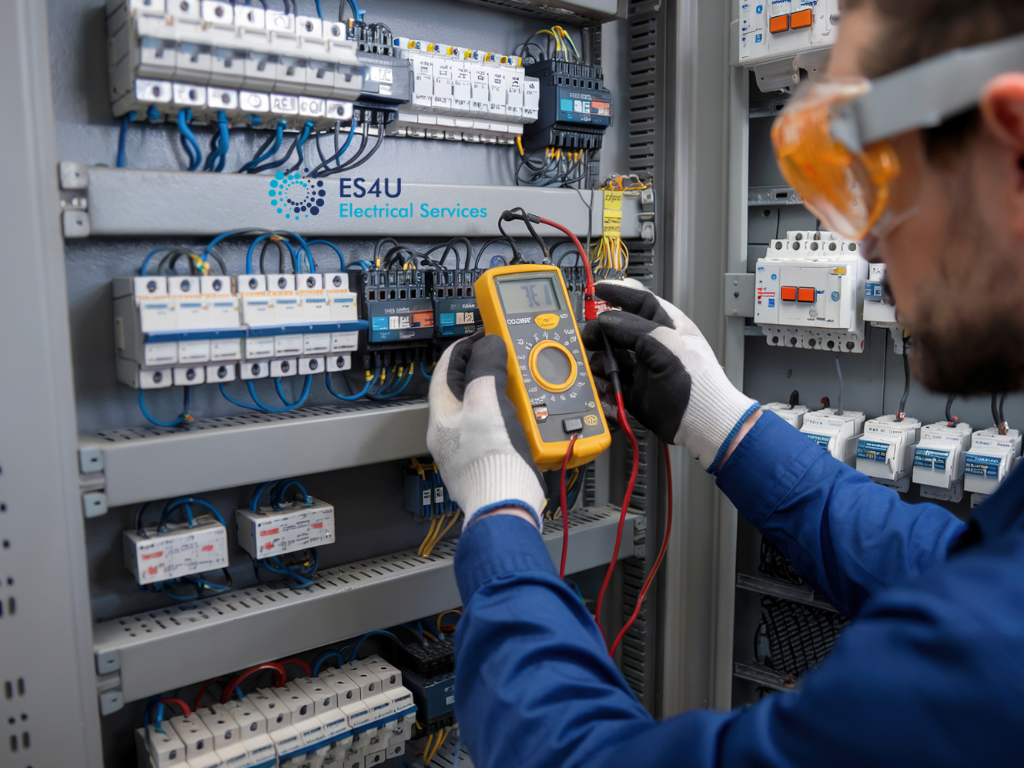
Factories rely on electrical systems every day to keep machinery, lighting, controls, production equipment and safety systems operating as intended. When those systems are only checked after something fails, even a relatively small electrical problem can interrupt production.
Preventive maintenance focuses on finding developing issues before they turn into faults. For Sydney factories, this can include checking switchboards, machinery connections, motors, cabling, control equipment and other parts of the electrical installation that experience regular use.
A planned maintenance approach also gives facility managers a clearer picture of the condition of their electrical infrastructure. That makes it easier to decide what needs immediate attention, what should be monitored and what can be included in future maintenance budgets.
Reducing unexpected faults and production interruptions
Electrical components can deteriorate gradually. Connections may loosen, insulation can become damaged, terminals may show signs of heat stress and equipment can begin behaving differently before a complete failure occurs.
Regular inspections give maintenance teams an opportunity to identify these warning signs earlier. For example, recurring circuit trips or a motor that intermittently stops may indicate an underlying problem that deserves investigation rather than repeated resetting.
An industrial electrician sydney can assess the electrical side of these problems and determine whether the issue relates to the supply, wiring, protection equipment, controls or machinery connections.
Supporting safer day-to-day plant operations
Industrial electrical systems operate in environments that may include vibration, dust, heat, moisture, moving equipment and continuous production activity. These conditions can place additional stress on electrical components.
Preventive maintenance helps ensure visible damage, deteriorating connections and abnormal equipment behavior are investigated rather than becoming part of normal day-to-day operations.
It also provides a good opportunity to review electrical areas that may have changed as machinery, production lines or workspace have evolved.
What Should Be Checked in Industrial Switchboards and Distribution Systems?
The switchboard is a central part of an industrial electrical system. It distributes power across machinery, lighting, outlets, control systems and other equipment throughout the site.
Because of its importance, switchboard condition should form part of a preventive maintenance program.
The exact checks will depend on the installation, but the goal is generally to identify deterioration, abnormal heat, damaged components, connection problems and signs that the system may no longer suit current site requirements.
Connections, circuit protection and signs of overheating
Switchboard inspections may include checking terminals, circuit breakers, violators, fuses and other accessible components for signs of wear or damage.
discoloration, unusual smells, heat marks, corrosion and damaged enclosures can indicate that further investigation is required.
Repeated tripping also deserves attention. A protective device may be operating because of a genuine electrical fault, equipment issue or load problem. Simply resetting it without identifying the reason can allow an unresolved fault to continue.
Maintenance records are useful here because they can show whether a problem is isolated or has happened repeatedly over time.
Capacity and condition of existing electrical infrastructure
Factories change. New machinery is installed, production lines are expanded and existing equipment may be replaced with systems that have different electrical requirements.
When this happens, the electrical installation should be considered as part of the change.
An industrial electrician sydney can review whether the existing distribution system is suitable for planned equipment and whether additional circuits, protection, isolation or switchboard work may be required.
This is particularly useful before purchasing or commissioning large machinery. Understanding the electrical requirements early can prevent installation delays and unexpected upgrade costs.
Machinery, Motors and Control Systems Need Regular Attention
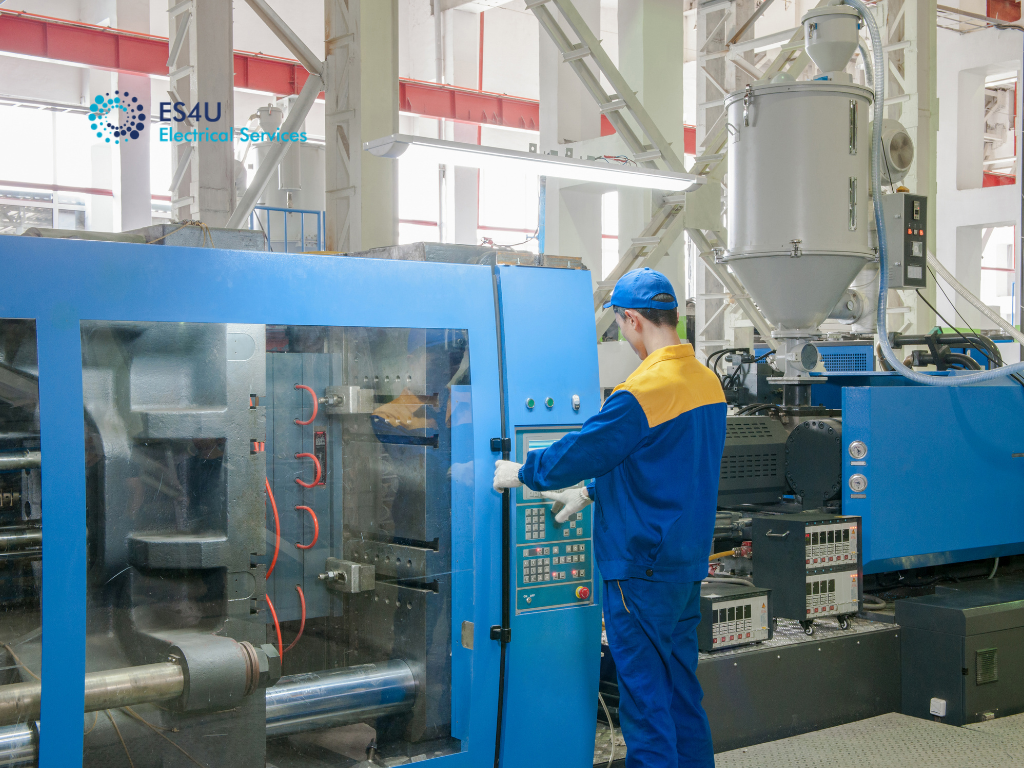
Machinery electrical systems often include motors, starters, contractors, relays, drives, sensors and control equipment working together.
A fault in one component can affect the performance of the entire machine, which is why preventive maintenance should look beyond the main electrical supply.
The condition of individual machinery connections and controls can provide valuable clues before a breakdown occurs.
Checking motors, starters, drives and control equipment
Industrial motors and associated controls operate under demanding conditions. Heat, vibration, frequent starting and stopping, contamination and long operating hours can all contribute to deterioration.
Maintenance may involve checking electrical connections, control components and visible signs of overheating or damage.
Variable speed drives and starters should also be considered where they form part of the machinery system. Fault histories, unexpected alarms or irregular performance can help identify where further testing is needed.
The purpose is not to replace components unnecessarily. It is to understand their condition and investigate signs that something is changing.
Identifying faults before they affect production
Operators are often the first people to notice when equipment starts behaving differently.
A machine may take longer to start, stop unexpectedly, trip protection devices or operate inconsistently. These changes should be documented and reported rather than treated as normal if they continue.
An industrial electric service can combine operator observations with electrical fault finding to narrow down the cause.
This helps maintenance managers make better decisions about whether the problem requires an immediate repair, planned maintenance or further investigation by the machinery supplier.
Cabling, Power Outlets and Industrial Connections Should Not Be Overlooked
Major equipment tends to receive the most attention, but smaller electrical components can still create operational problems when they deteriorate.
Fixed wiring, industrial outlets, plugs, violators, junction points and machinery connections should therefore form part of a broader maintenance review.
Their condition can be affected by physical impact, vibration, movement, environmental exposure and repeated use.
Inspecting fixed wiring and industrial power connections
Visible cabling should be checked for signs of damage, deterioration or unsuitable mechanical stress.
Industrial outlets and plugs can also wear through regular connection and disconnection. Loose fittings, damaged covers, cracked components or exposed wiring should be investigated.
Areas exposed to moisture, dust or heat may require additional attention because the operating environment can affect electrical equipment differently.
Industrial electrical solutions should therefore be matched to the site itself rather than using the same maintenance approach for every factory.
Reviewing electrical systems after machinery or layout changes
Factory layouts are rarely permanent.
Equipment may be relocated, production areas can expand and machinery may be added to meet new operational requirements. Each change can affect how power is distributed through the site.
If machinery is moved, for example, extending an existing supply may not always be the most suitable solution. Circuit capacity, isolation requirements, cable routes and equipment specifications may all need consideration.
This is where an industrial fit out electrician can be useful. The electrical work can be planned alongside the physical changes to the production space rather than being treated as an afterthought.
For larger Sydney facilities, an industrial fit out electrician sydney may also coordinate electrical changes around staged equipment installation or operational shutdown periods.
Choosing the Right Industrial Electrical Maintenance Service

Not every electrical contractor works regularly in factories, warehouses or production environments.
When comparing providers, facility managers should look beyond the hourly rate and consider whether the contractor understands industrial equipment, site access requirements, production pressures and planned maintenance work.
A clear scope of work also makes quotes easier to compare.
What to look for in an industrial electrical provider
Start by checking whether the provider has appropriate experience with the type of industrial work your site requires.
Ask how they approach fault finding, preventive maintenance, machinery connections and documentation. It is also worth confirming relevant licensing and insurance before work begins.
A useful provider should be able to explain what they have found in plain language. Maintenance recommendations should distinguish between urgent defects, planned work and items that simply need monitoring.
For businesses considering ES4U, this is the stage where it makes sense to discuss the actual site, machinery and maintenance priorities before deciding on the scope of the industrial electrical solutions required.
A dedicated industrial electrical service page is also a natural internal linking opportunity from this section because readers comparing providers are likely to want more detail about available services and capabilities.
When specialist fit out or shutdown services are more suitable
Routine maintenance is not always the right format for every electrical job.
A production line modification, new machinery installation or larger facility upgrade may require an industrial fit out electrician rather than a general maintenance visit.
Likewise, some electrical work is easier to complete when plant is not operating.
If a business already has planned downtime, it may be useful to coordinate larger inspections, repairs or upgrades during that period. This can reduce the need for additional interruptions later.
The right service therefore depends on what work is required, how critical the equipment is and whether the site can remain operational while the work is completed.
Planning Electrical Work Around Factory Shutdowns and Production Schedules
Factory maintenance needs to be coordinated carefully because taking machinery offline can affect production, staffing and delivery schedules.
For larger electrical tasks, planned shutdowns provide an opportunity to complete work that may be difficult to carry out while machinery is operating.
The value comes from preparation. A shutdown should have a defined scope rather than becoming an open-ended maintenance session once production stops.
What can be completed during a planned shutdown?
Industrial electrical shutdowns services sydney may involve planned inspections, repairs, electrical alterations, machinery work or upgrades that require equipment to be isolated.
Plant shutdown electrical services sydney can also support larger maintenance programs where several areas need to be addressed during the same period.
Before the shutdown begins, the electrical contractor and site team should agree on priorities, access arrangements and the expected work sequence.
Known faults should be documented in advance. Replacement components that are likely to be required should also be identified where possible.
Good preparation helps reduce the chance of losing valuable shutdown time while waiting for information, access or materials.
How shutdown maintenance can reduce disruption
Shutdown maintenance sydney is most useful when electrical work is coordinated with the broader maintenance program.
For example, mechanical technicians may already be working on a production line while electrical components are being inspected or upgraded. Coordinating these activities can help avoid repeatedly taking the same equipment out of service.
Facility managers should also separate essential work from optional improvements. Safety-critical or reliability-related work should generally receive priority if the available shutdown period is limited.
After the work is complete, keeping clear maintenance records helps the next maintenance cycle. These records can show what was inspected, what was repaired and what should be reviewed again.
When Should You Contact an Industrial Electrician?
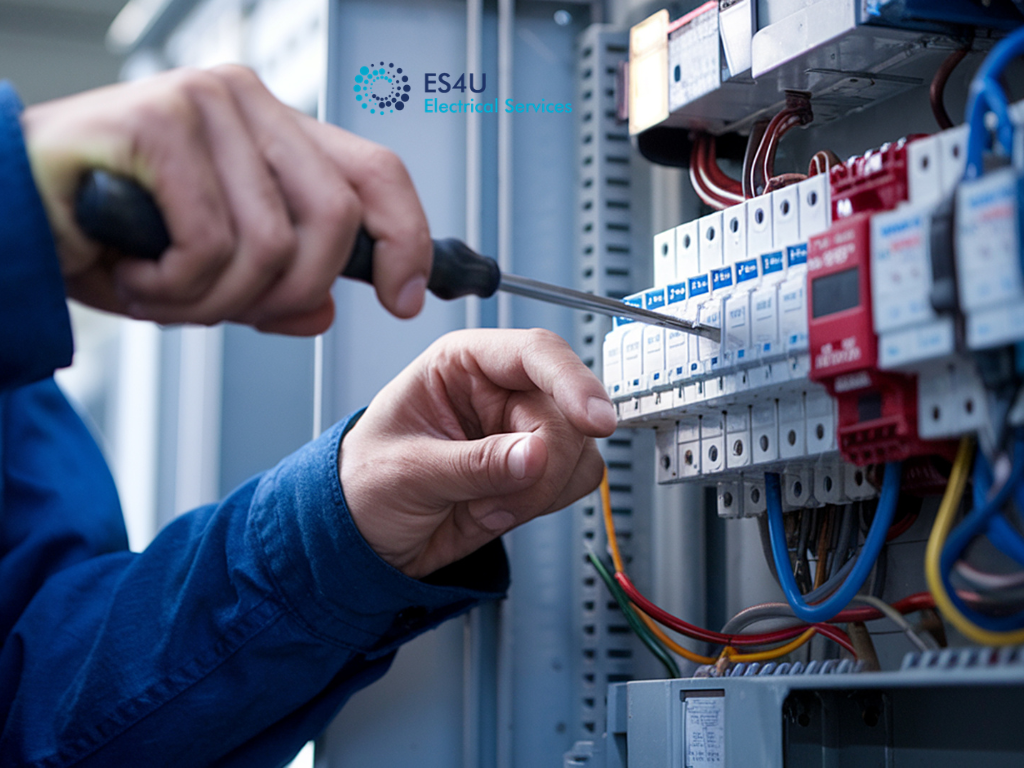
Preventive maintenance is designed to reduce unexpected problems, but some warning signs should not simply wait until the next scheduled inspection.
Repeated electrical faults, visible damage and significant changes in machinery behavior deserve professional assessment.
Knowing when to call also helps facility managers distinguish between routine maintenance and situations requiring faster action.
Warning signs that should prompt a professional inspection
Repeated breaker trips are one of the clearest signs that something needs investigation.
Burning smells, visible heat damage, damaged wiring, unusual equipment behavior and electrical components that appear excessively hot should also be taken seriously.
Machinery that suddenly begins stopping, losing power or producing repeated electrical alarms may need fault finding before it returns to normal operation.
Employees should not open switchboards or attempt electrical repairs unless they are appropriately authorized and qualified to perform the work. Facility teams can still contribute by recording when the fault occurred, what equipment was operating and whether the same problem has happened before.
That information can make diagnosis easier when the electrician arrives.
When to arrange an industrial electric service before problems escalate
You do not need to wait for equipment to fail before arranging an industrial electric service.
It can be worthwhile contacting a provider when machinery is being added, a production area is being changed, electrical faults are becoming more frequent or an upcoming shutdown creates an opportunity to complete maintenance work.
The same applies when maintenance records show that certain areas have not been inspected for a long period or when the condition of existing electrical infrastructure is uncertain.
For Sydney factories, a practical starting point is to request an inspection based on the actual equipment and operating environment. Ask for clear findings, priorities and a defined scope before approving larger work.
This gives facility managers useful information for deciding what should be repaired now, what can be scheduled for the next shutdown and what simply needs continued monitoring.
The strongest call to action is therefore not to purchase the largest maintenance package available. It is to arrange an appropriate industrial electrical assessment and build a maintenance plan around the real condition and operational needs of the site.