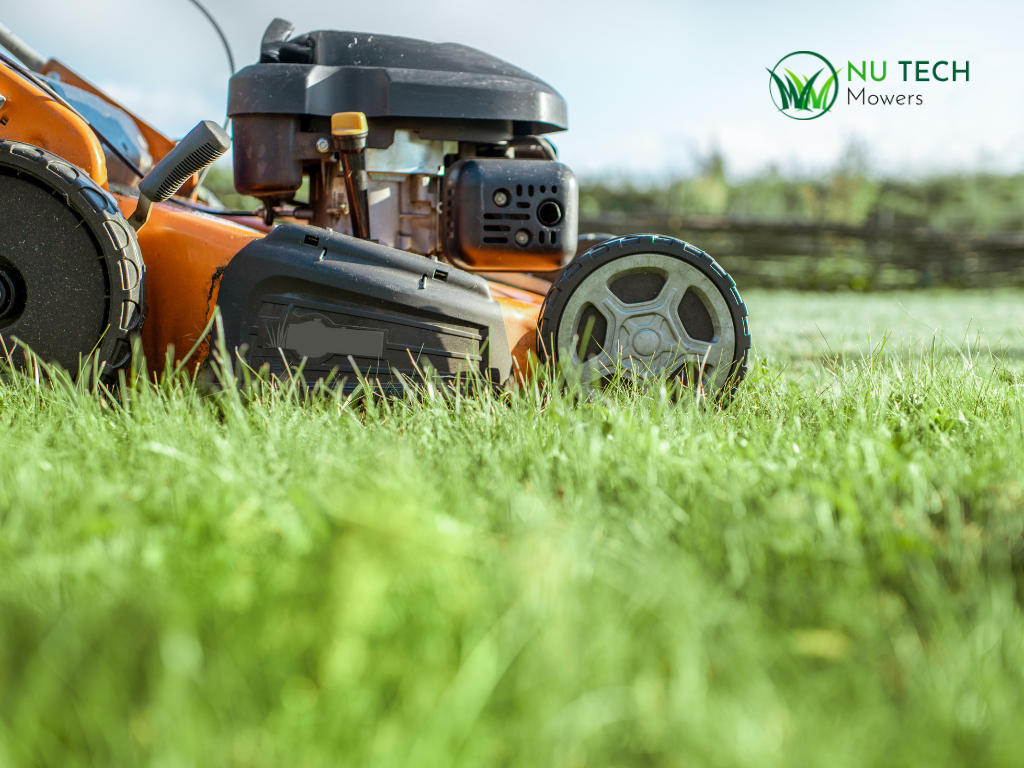
A well-maintained husqvarna mower can make regular lawn care easier and more consistent. Routine checks can also help you notice wear before it becomes a larger problem.
However, maintenance needs vary between mower types. A petrol lawn mower needs different care from a battery model. A ride on mower also has more components to inspect than a standard push mower. An automower has its own blade, wheel and cleaning requirements.
Australian conditions add another factor. Heat, dust, dry grass and periods of heavy growth can all affect how often equipment needs attention.
The best approach is to combine simple routine checks with the maintenance schedule for your exact husqvarna model. Your owner’s manual should remain the main reference for fluids, parts, service intervals and safe maintenance procedures.
The following guide explains what to inspect, how to care for different mower types and when professional servicing may be the better choice.
Check the mower before each use
A quick inspection before mowing can prevent many avoidable problems.
Start by looking over the mower for visible damage. Check that wheels, handles, covers and controls appear secure. Look around the cutting area for trapped grass, sticks or other debris.
Also check the cutting height before starting. Grass conditions can change through the year, so the setting that worked last month may not suit the lawn today.
For a petrol mower, check the fuel and oil requirements according to the owner’s manual. Battery mower owners should inspect the battery and make sure it has enough charge for the planned work.
Pay attention to anything unusual when the machine starts. New noises, excessive vibration or changes in cutting performance deserve attention.
Do not continue mowing if the machine behaves in a way that seems unsafe. Stop and inspect the mower according to the manufacturer’s instructions.
These checks only take a short time. They can also help you notice small changes before the next mowing session.
Match maintenance to how often you mow
There is no single maintenance routine that suits every property.
A push mower used on a small suburban lawn may operate for a short period each week. A ride on mower used across a large property can work for much longer.
Conditions also matter.
Australian lawns can grow quickly during warm and wet periods. This can mean more mowing and greater grass build-up around the deck.
Dry conditions create different issues. Dust and loose material may collect around air intakes, filters and other exposed areas.
Think about how hard your mower works rather than relying only on the calendar.
Frequent use usually justifies more frequent visual checks and cleaning. Longer periods of storage also require preparation.
Your husqvarna owner’s manual can provide the specific maintenance schedule for your model. Use that schedule together with your own observations.
Keep Mower Blades Sharp and the Cutting Area Clean
Blades have a direct effect on cutting quality.
A sharp blade cuts grass cleanly. A worn or damaged blade may leave the lawn looking uneven or rough.
Look at the grass after mowing. Frayed or torn tips can be a sign that the blade needs attention. Uneven cutting can also point to blade wear, although other mower problems may produce similar symptoms.
Robotic mower blades also wear over time. An automower uses small cutting blades that should be checked regularly for condition and damage.
Do not guess whether a blade fits your machine.
Different models can use different blade types and mounting systems. Check the model number and manufacturer’s specifications before ordering replacement parts.
Safety is especially important around cutting components. Before inspecting or working near blades, follow the shutdown procedure in the owner’s manual. That may involve removing a battery, isolating the power source or taking other model-specific steps.
If you are not comfortable inspecting or replacing blades, professional servicing may be the safer option.
Remove grass and debris after mowing
Grass clippings can collect underneath a mower and around the cutting deck.
Fresh clippings can also hold moisture. Over time, a heavy build-up may make routine cleaning harder.
Allow the machine to stop completely before cleaning it. Follow the manufacturer’s instructions before accessing the cutting area.
Avoid putting your hands near blades until the mower has been made safe according to the manual.
For normal cleaning, remove loose grass from appropriate accessible areas after mowing. A soft brush can be useful for dry material where the manufacturer allows it.
Pay particular attention after cutting damp or long grass. These conditions can produce heavier build-up than routine dry mowing.
Ride-on equipment may require additional deck cleaning because the cutting area is larger.
Regular cleaning also gives you a chance to inspect the mower. You may notice damage, loose parts or blade wear that was hidden by clippings.
Maintain Petrol Battery and Electric Mower Systems Correctly
Look after fuel oil and engine components on petrol models
Petrol mowers require engine-related maintenance that battery machines do not.
Start with the correct fuel and oil requirements for your particular model. Do not assume that every mower uses the same products or quantities.
Fuel condition matters when equipment sits unused for long periods. If you plan to store the mower between seasons, follow the manufacturer’s storage instructions rather than leaving old fuel in the machine without checking the recommended procedure.
Air filters also deserve attention.
A dirty filter can restrict airflow. Australian mowing conditions can be dusty, especially during dry periods, so check the filter as part of normal maintenance.
Spark plugs and engine oil may also need periodic attention on applicable models.
The exact schedule depends on the mower and engine. Your manual should provide the correct intervals and specifications.
If the lawn mower becomes difficult to start, loses power or runs unevenly, avoid replacing parts at random. A proper inspection can help identify the actual cause.
Protect batteries and charging equipment
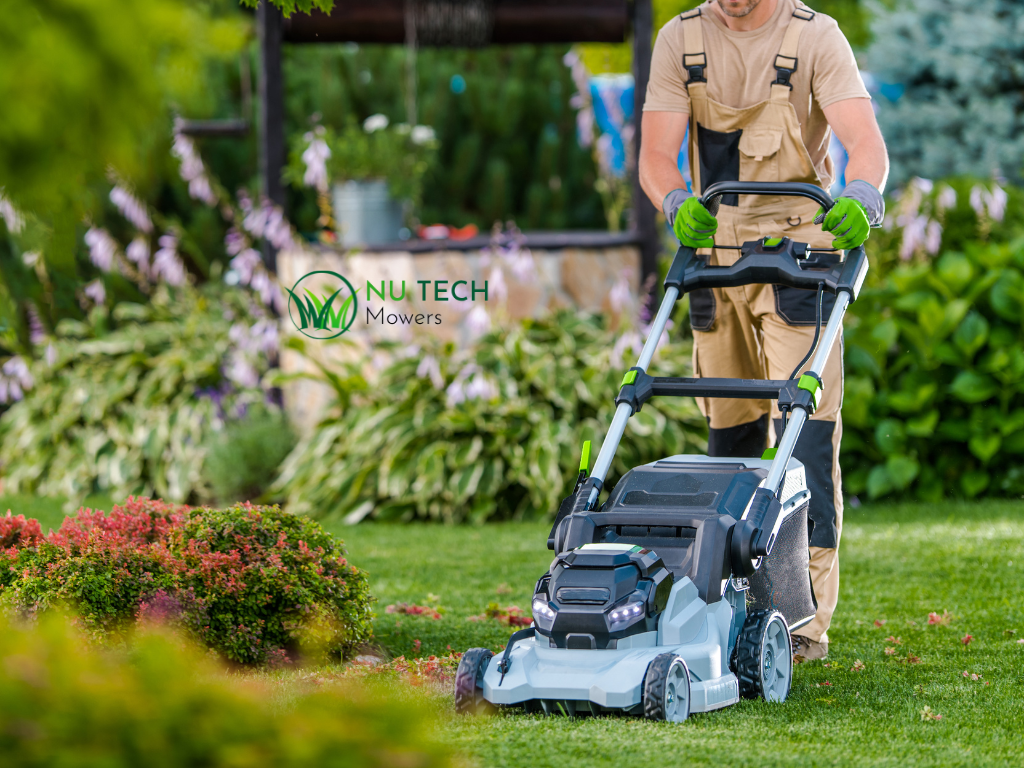
Battery-powered mowers remove several petrol-engine maintenance tasks, but batteries still need care.
Use the charging equipment specified for the product. Keep chargers and battery connections clean and inspect them for obvious damage.
Storage conditions also matter.
Avoid leaving batteries exposed to extreme heat or moisture. Follow husqvarna guidance for longer periods when the battery will not be used.
Allowing the battery and charger to remain in appropriate storage conditions can also make equipment easier to manage between mowing seasons.
Before mowing, check the available charge against the size of the job.
A small lawn may require relatively little runtime. Larger properties can place greater demands on the battery system.
If you are buying a replacement battery, check compatibility with your exact mower. Similar-looking batteries are not automatically interchangeable.
This is also worth considering before buying a battery lawn mower. Think about lawn size, expected runtime and whether you already own compatible equipment within the same battery system.
Give Your Ride On Mower and Automower the Right Care
A ride on mower has more components than a basic walk-behind machine.
That makes regular inspection especially useful.
Check tyre condition and pressure according to the manufacturer’s requirements. Uneven tyre pressure can affect how the machine sits and operates.
The cutting deck also needs attention.
Grass can collect around larger decks, particularly during periods of fast lawn growth. Keep the deck clean using the method approved for your model.
Belts and other moving components should be inspected according to the service schedule.
Do not remove guards or attempt repairs beyond your ability. A ride-on machine contains moving and mechanical parts that may require trained servicing.
Owners should also listen for changes while mowing.
New vibration, unusual sounds or changes in steering and cutting performance may indicate that something needs inspection.
A larger mower represents a bigger investment than many push mower options. Routine maintenance can therefore be an important part of protecting that equipment.
Check robotic mower blades wheels and operating areas
An automower has different maintenance needs because it works frequently and independently.
Start by checking the underside for grass build-up. Inspect the wheels and cutting area for material that could interfere with normal movement.
The blades also need regular visual checks.
Small robotic mower blades can wear or become damaged. Follow the manufacturer’s instructions for inspection and replacement.
The lawn itself should also remain suitable for robotic operation.
Remove obvious objects that could interfere with mowing. Toys, fallen branches, loose garden items and similar obstacles can create unnecessary problems.
Depending on the model and installation, owners may also need to monitor charging equipment or other parts of the mowing system.
Software, connectivity and navigation features vary between automower models. Follow the support information for your exact machine rather than applying settings from another model.
A clean operating area and regular inspection can make robotic mowing much easier to manage.
Clean and Store Your Mower Properly Between Uses
Prepare equipment for wet weather and seasonal storage
Storage is part of mower maintenance.
After mowing, avoid putting away equipment while it is covered in wet grass or mud. Clean accessible areas and allow the mower to dry as appropriate.
Store equipment in a secure location protected from weather.
Longer storage periods need extra preparation.
For petrol equipment, follow the manufacturer guidance for fuel, oil and engine preparation. Battery mower owners should follow the recommended battery storage procedure.
Do not assume that leaving equipment untouched for several months is harmless.
A few preparation steps before storage can make the next mowing season much easier.
The same principle applies after heavy rain.
Very wet lawns can create messy mowing conditions and increase grass build-up. Waiting until conditions are suitable can make both lawn care and mower cleaning easier.
Keep the surrounding work area tidy
Preparing the lawn before mowing can reduce unnecessary contact with debris.
Walk around the area and look for branches, stones, toys and other objects. Remove anything that could enter the cutting area.
Leaves can also hide small objects.
During autumn or after windy weather, clearing loose leaves first can make inspection easier. A leaf blower can help move dry leaves from paths and lawn edges where appropriate.
This preparation is useful for both conventional mowing and robotic systems.
A tidy work area also makes the finished lawn easier to manage. You can mow first and then use a leaf blower to clear clippings from paths or driveways.
Keep the tools suited to the actual job.
There is little benefit in buying extra garden equipment if your property does not require it. Consider lawn size, surrounding surfaces and the amount of seasonal debris before adding another tool.
Know When to Service Repair or Replace Your Mower
Many basic maintenance tasks are manageable at home.
Cleaning accessible areas, checking for obvious damage and inspecting general mower condition may form part of normal ownership.
More complex problems deserve a different approach.
Persistent starting trouble, strong vibration, electrical faults or recurring cutting problems may require professional inspection. The same applies when an important component has visible damage.
Avoid continuing to use a mower when you suspect a safety problem.
Professional servicing can also be useful when you do not have the tools or experience for a particular repair.
When comparing service providers, explain the symptoms clearly.
If you are considering Nu tech Mower or another mower specialist, ask what information they need before you bring the machine in. Providing the model details and a clear description of the fault can help make the initial discussion more useful.
Also ask what servicing or repair work is being recommended before approving it.
A clear explanation makes it easier to understand whether the mower needs routine maintenance, replacement parts or a deeper repair.
Choose the right replacement mower if repairs no longer make sense
Not every older mower needs replacement. However, repeated repair costs can eventually make a new machine worth considering.
Begin with your lawn rather than the product catalogue.
A small level yard may suit a push mower. A larger property may justify a self-propelled or ride on mower.
Homeowners who want automated lawn maintenance may consider an automower. Battery equipment may suit people who prefer to avoid petrol-engine maintenance.
Terrain also matters.
Slopes, tight corners, garden beds and narrow access points can affect which mower style is practical.
Think about storage as well. A ride-on model needs much more space than a walk-behind mower.
Before buying, compare cutting width, power source, lawn size suitability and maintenance requirements. Also consider how easily you can access compatible parts and servicing.
If you compare options through Nu tech Mower or another retailer, explain your property rather than simply asking for the most powerful mower.
A suitable machine should match the lawn and the work you actually need to do.
When Should You Contact a Husqvarna Mower Specialist
Get advice when maintenance does not solve the problem
Routine maintenance cannot solve every fault.
Professional advice may be appropriate when a mower repeatedly fails to start or stops unexpectedly. Ongoing vibration and unusual mechanical noise can also justify inspection.
Electrical problems on battery equipment deserve care as well.
Do not open or modify electrical components unless the product instructions specifically allow the work and you are qualified to do it.
An automower may also require specialist help if normal troubleshooting does not resolve a recurring operating problem.
The same principle applies to ride-on equipment. Steering, drive, cutting deck and engine problems can involve components that need proper diagnosis.
Before arranging service, write down what happened.
Note when the problem started and whether it appears every time. Also record any recent maintenance or changes.
This information can help a technician understand the issue more quickly.
Prepare your mower details before requesting service
Have the mower model and product details ready before contacting a service provider.
This information helps identify the correct parts and maintenance requirements.
Explain the problem in simple terms.
For example, say whether the mower is difficult to start, cuts unevenly, loses power or makes an unfamiliar noise.
Avoid trying to diagnose the exact fault unless you are certain.
The symptom is often more useful than a guess about which part has failed.
You can also mention the mower’s general maintenance history. Explain whether blades, filters, batteries or other relevant parts have recently received attention.
If you contact Nu tech Mower or another mower specialist, ask whether the problem is suitable for inspection or servicing before making further changes yourself.
Good mower maintenance is mostly about consistency.
Keep the machine clean. Watch for changes in performance. Follow the service schedule for your exact model. Use compatible parts and equipment.
Most importantly, know when a job has moved beyond routine maintenance.
That approach can help keep your husqvarna mower ready for regular Australian lawn care without turning every small maintenance task into a major repair.