Searching for salumi near me often begins with a simple idea. You may be preparing a grazing board, planning a family lunch, buying ingredients for sandwiches or looking for something special to serve before dinner.
The decision becomes more difficult when you reach the counter. There may be several cured meats with different names, flavours, textures and suggested uses. Some are mild and delicate, while others are spicy, smoky or intensely savoury.
The right choice depends on more than finding the product with the most familiar name. You also need to consider how it will be served, how thickly it should be sliced, how many people will eat it and how soon it will be used.
A knowledgeable local butcher can help with these decisions, but it is useful to understand the basics before ordering.
Learn the difference between salumi and salami
Salumi is a broad Italian term for preserved meat products. It can include whole cuts that have been salted and cured, as well as minced or chopped meat placed into a casing.
Salami is one category within the wider salumi family. Prosciutto, coppa, pancetta and other cured products may also be described as salumi even though they are not salami.
Treccani defines a salume as a food product generally made from meat, often pork, through methods including salting or placing seasoned minced meat into a casing. The term is commonly used in its plural form, salumi.
This distinction is useful when shopping. Asking for salami may lead the butcher towards a particular type of cured sausage. Asking about Italian salumi opens the conversation to whole-muscle products, spreadable options and other cured meats.
The term charcuterie is also commonly used for meat and cheese boards in Australia. However, a charcuterie-style board may contain foods from several traditions, while salumi italian searches usually reflect an interest in Italian or Italian-style cured meats.
Use the correct names when speaking with a butcher
Customers do not need to understand every Italian product name before visiting a butcher. Describing the desired flavour and use is often enough to begin the conversation.
You might explain that you want something mild for children and guests who do not enjoy chilli. Alternatively, you may want a spicy product for pizza, a thinly sliced meat for sandwiches or a richer choice to serve with bread and pickled vegetables.
It is also helpful to clarify one language point. Although the word salumis sometimes appears in online searches, salumi is already the Italian plural. The singular form is salume.
Using the individual product name remains the clearest approach once you know what you are buying. This reduces confusion when ordering several meats in different quantities or asking for different slice thicknesses.
When the name is unfamiliar, ask the butcher to explain the main meat, seasoning, texture and suggested use. This is more useful than choosing solely according to appearance.
Choose Flavours and Textures That Suit the Occasion
There is no single best salumi for every customer or occasion.
A mild product can work well when the cured meat is being served with delicate cheese, fresh bread or simple vegetables. Stronger flavours may suit robust cheese, olives, pickles or dishes that need a more noticeable savoury element.
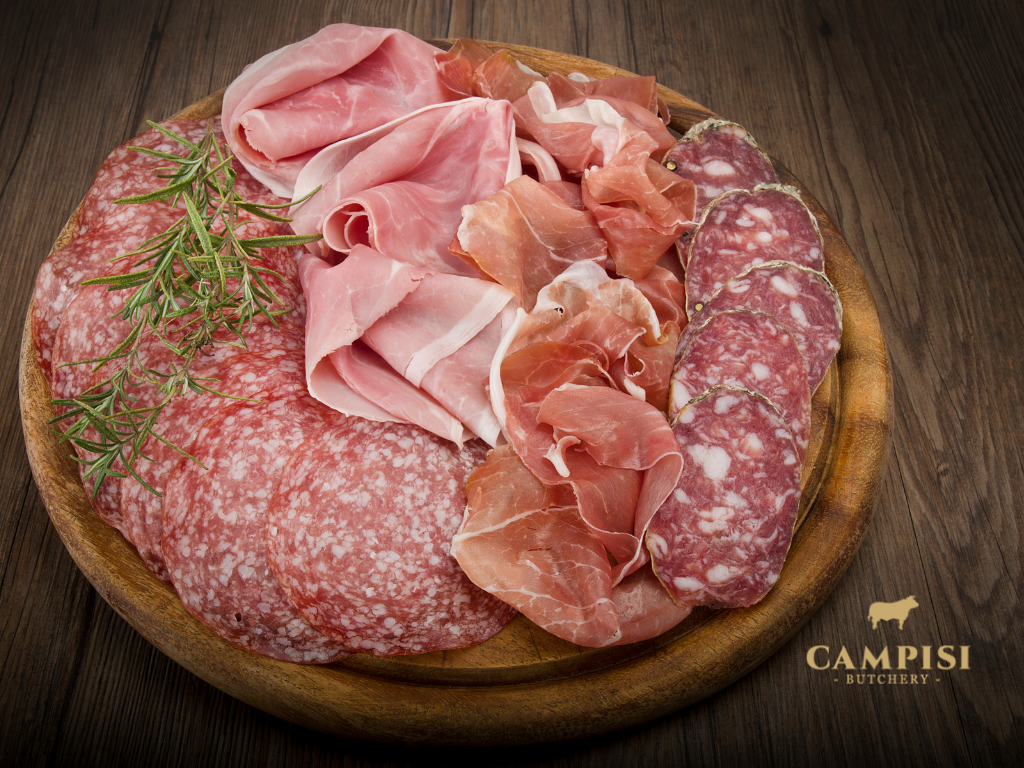
Texture matters as well. Prosciutto is normally served in thin, flexible slices. Coppa can offer a firmer texture and a more concentrated flavour. Pancetta may be served as a cured meat or used as an ingredient, depending on the product and preparation instructions.
Salami can vary considerably. The grind may be fine or coarse, while the seasoning may be mild, peppery, garlicky, smoky or hot.
N’duja has a softer, spreadable form and a more intense flavour than ordinary sliced salami. It may suit bread, pizza, pasta sauces or other dishes where a small amount can be distributed through the food.
When shoppers ask what salumi meat to buy, the most useful answer usually begins with flavour preference and intended use rather than a universal product ranking.
Select different types of salumi without repeating flavours
A varied platter does not require a large number of products. It needs enough contrast to make each choice feel different.
One approach is to combine a delicate whole-muscle product, a firmer salami and a bolder or spicy option. This creates variation in flavour, texture and appearance without filling the board with several meats that taste almost the same.
Consider the other ingredients before making the final selection. Strong cheese, marinated vegetables and heavily seasoned crackers can compete with delicate salumi. A simple bread or neutral cracker may allow subtle flavours to remain noticeable.
The guest list also matters. A platter for people who already enjoy Italian salumi can include stronger flavours and unfamiliar products. A mixed family gathering may benefit from beginning with approachable choices and adding one more adventurous option.
Ask whether a product contains chilli, garlic, pepper, wine or other ingredients that may affect the buying decision. Ingredient and allergen information should be confirmed from the product label or supplier rather than assumed from the traditional name.
Decide How the Salumi Should Be Cut and Packed
Compare freshly sliced products with whole pieces
Freshly sliced salumi can be convenient when the food will be served soon after purchase.
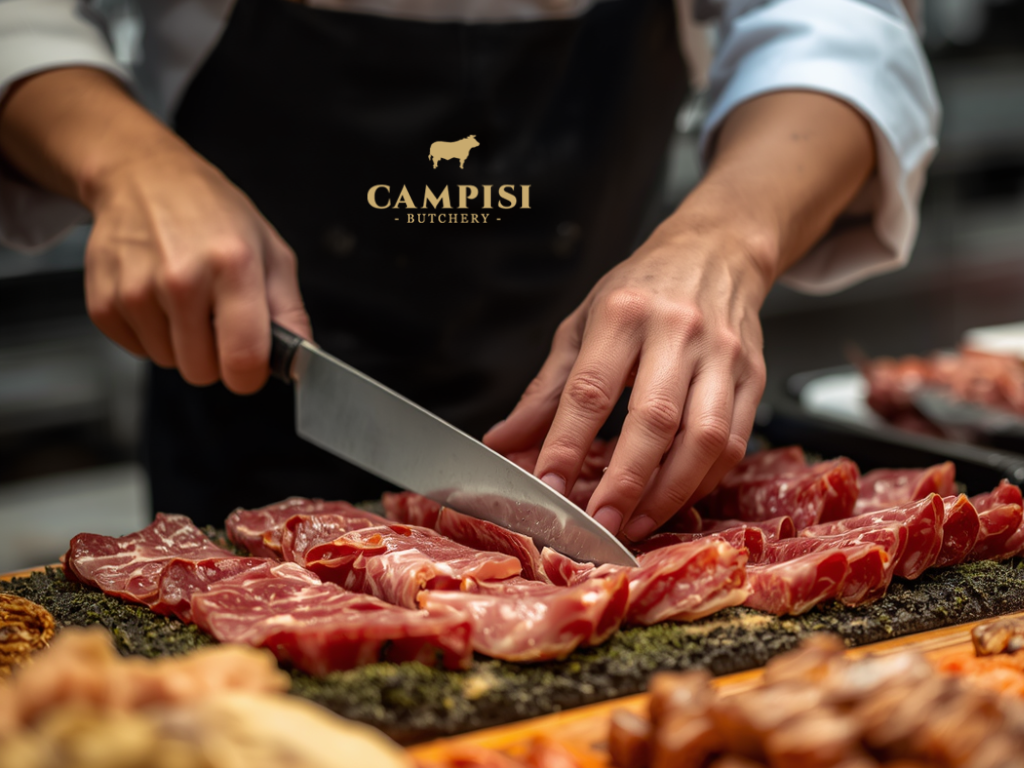
The butcher can prepare a particular quantity and may be able to adjust the thickness for a platter, sandwich or recipe. This reduces preparation at home and allows customers to buy several products in smaller amounts.
A whole or larger piece can suit customers who want to slice the product gradually. It may also be practical for repeated meals, provided the product is stored and handled according to its instructions.
Prepacked salumi offers convenience and a clearly labelled use-by date, storage direction and ingredient list. The pack size may be less flexible, but it can be useful when the food needs to remain sealed until a particular event.
The best format depends on when the food will be used, how much is required and whether suitable slicing equipment is available at home.
Do not assume that every salumi product has the same storage life. Follow the specific supplier or packaging directions for the item purchased.
Match slice thickness and packaging to the intended use
Slice thickness changes the way cured meat feels and tastes.
Very thin slices can suit delicate whole-muscle products because they soften quickly and are easy to fold onto bread or a platter. A slightly thicker slice may make the texture of a coarse salami more noticeable.
Sandwiches generally need slices that are easy to bite through without pulling the filling out of the bread. Pizza or cooked dishes may require a different thickness depending on how the meat will be distributed.
Tell the butcher how the product will be used. This gives the person slicing it a clearer basis for recommending a thickness.
Packaging also deserves attention. Ask whether the product will be wrapped, placed in a sealed container or vacuum packed. Confirm how soon it should be refrigerated and how long it should be kept after opening.
Customers travelling across Sydney may also need an insulated bag or cooler, particularly in warm weather or when the journey includes other stops.
Work Out How Much Salumi to Buy
The required amount depends on whether salumi is a small appetiser, one part of a grazing table or the main feature of a meal.
A board served before a full lunch needs less meat than a platter that will act as the main food for several hours. The amount can also be reduced when the table contains several cheeses, dips, breads, vegetables, fruit and other substantial foods.
For sandwiches, think about how many portions are being prepared and whether each sandwich will contain one cured meat or several.
For cooking, use the recipe and consider how strong the product tastes. A concentrated or spicy salume may provide enough flavour in a smaller quantity than a mild sliced meat.
Instead of ordering an arbitrary weight, explain the event to the butcher. State the number of guests, the role of the salumi and the other food being served. The supplier can then suggest an amount based on the available products and slice style.
Adjust the quantity for guests and accompanying dishes
Guest preferences can affect the order considerably.
A group of enthusiastic salumi eaters may consume more than a mixed group that includes children, vegetarians or guests who prefer cheese and vegetables. Dietary restrictions should be confirmed before placing the order.
Variety can also create overbuying. Five different products may appear appealing, but purchasing a full serving of every option can leave a large amount unused.
A more practical approach is to choose a small number of contrasting products and divide the total order between them. A popular mild choice can make up the largest share, with smaller amounts of stronger or spicy salumi.
Think about leftovers before buying. Suitable sliced meats may be used in sandwiches, toasted bread, pizza, pasta or cooked dishes, subject to the product’s storage and preparation instructions.
Avoid purchasing more simply to make the board appear crowded. Bread, seasonal fruit, vegetables, cheese and serving dishes can create visual fullness without unnecessary food waste.
Serve and Store Salumi Carefully
Build a balanced platter or simple meal
A salumi platter should be easy to eat and offer enough contrast between rich, salty and fresh elements.
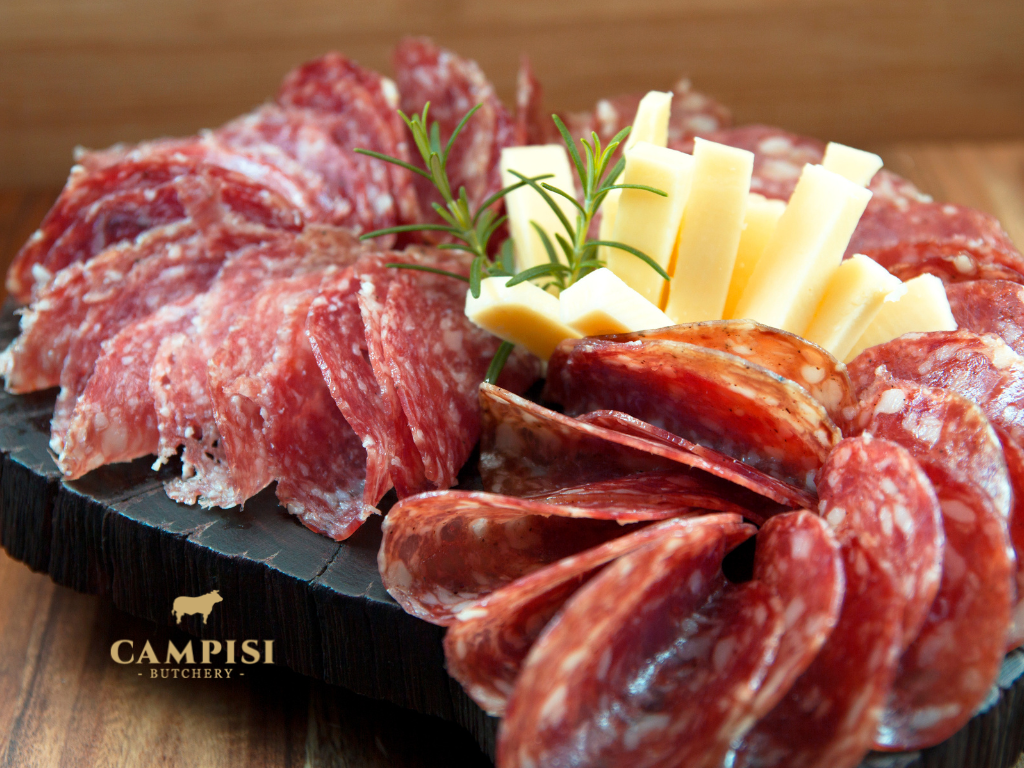
Bread and plain crackers provide a neutral base. Cheese can add creaminess, while olives, pickled vegetables or cornichons introduce acidity. Fresh fruit may provide sweetness and colour.
Arrange the meats so guests can reach each type without separating tightly packed slices. Folding or loosely layering thin slices can make them easier to pick up.
Keep strongly flavoured foods from covering milder salumi. Spicy products, strong pickles and intense cheese can be placed in separate areas so guests can combine them according to preference.
Salumi does not need to be reserved for large platters. It can be used in sandwiches, simple appetisers, pasta, pizza or a relaxed meal with bread and vegetables.
Current Australian food coverage continues to describe grazing boards as a popular, flexible way to serve food at home, with a shift towards simpler arrangements rather than highly complicated presentation.
Follow storage instructions after purchase and opening
Storage requirements can differ according to the product, curing method, packaging and whether it has been sliced.
The NSW Food Authority advises following the storage instructions on packaged salami and dried meat products. It also notes that once these products have been cut, they are best treated as potentially hazardous food and kept under appropriate temperature control.
Place sliced salumi in the refrigerator promptly after shopping. Keep it wrapped or in a clean sealed container, and avoid leaving it in a hot car.
Use clean utensils and serving boards. Do not allow raw meat or its juices to come into contact with salumi because cured meats may be served without further cooking.
The safest use period should come from the label or butcher. Appearance and smell alone cannot confirm that a ready-to-eat product remains safe.
Extra care is needed when serving pregnant people, older adults and people with weakened immune systems. NSW Food Authority guidance advises pregnant people not to eat cold processed meats such as salami unless they have been thoroughly cooked to at least 75°C and eaten soon afterwards.
Choose the Right Local Butcher or Supplier
A useful supplier should be able to explain the available products in clear language.
Ask what type of meat is used, whether the flavour is mild or spicy and how the product is normally served. The supplier should also be able to direct you to ingredient, allergen and storage information.
Slicing service can be valuable when buying for a specific occasion. Ask whether the butcher can prepare different products at different thicknesses and package them separately.
Current availability matters because specialty smallgoods may change according to production, demand and supplier schedules. A website can show the general range, but it may not confirm what is available at the counter on a particular day.
For a large gathering, place the enquiry early. Confirm whether advance ordering is required, when the order can be collected and whether substitutions will be discussed before they are made.
A helpful supplier should not pressure customers into choosing the most expensive product. The recommendation should reflect the event, flavour preferences and realistic quantity.
Look beyond price when deciding what offers good value
Price is important, but the cheapest product is not automatically the best value.
Consider how much of the product will be used, whether it can be sliced to suit the occasion and whether the flavour complements the rest of the food. Buying a smaller quantity of a well-chosen product may provide better value than purchasing a large pack that does not suit the guests.
Clear labelling and storage guidance also add practical value. They help the customer understand what has been purchased and how it should be handled.
When comparing local suppliers, review the product range, cleanliness, staff knowledge, packaging and willingness to answer questions.
Convenience also matters. A nearby butcher with suitable opening hours and reliable stock may be more useful than a distant store offering a slightly lower price.
For shoppers searching for salumi near me, the strongest choice is usually a supplier that combines suitable products with clear advice and service.
Know When to Contact Campisi Butchery
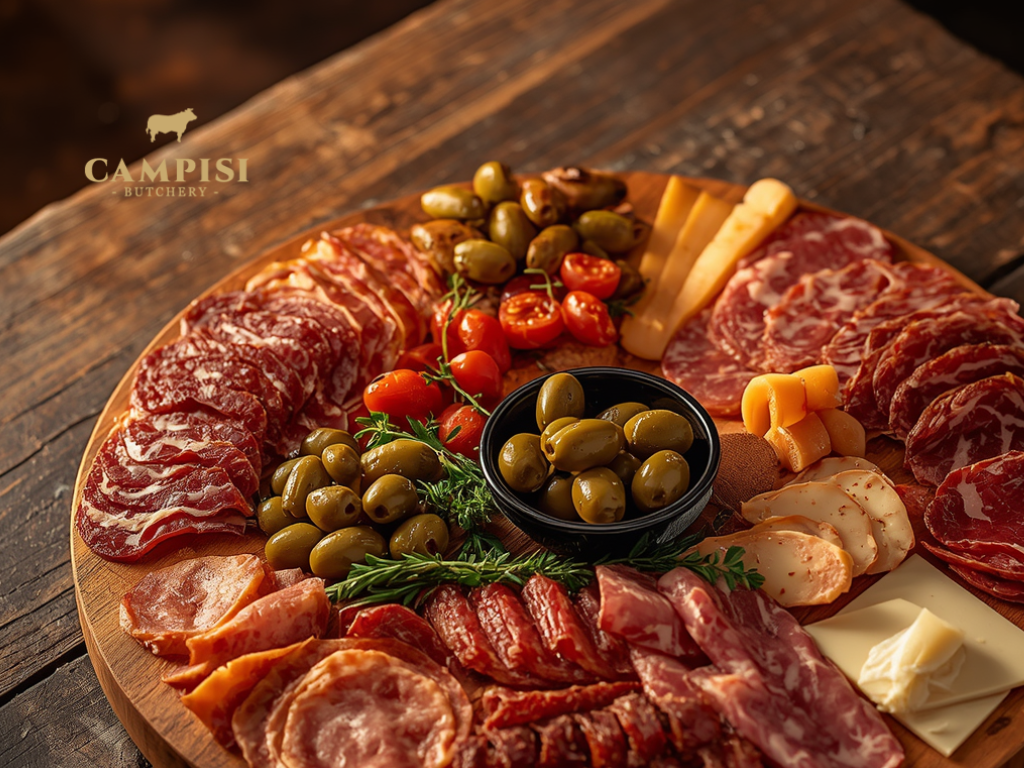
Ask about current salumi products and slicing options
Campisi Butchery may be contacted when customers in Sydney or Western Sydney want to compare Southern Italian-style smallgoods or prepare an order for a meal, platter or event.
Its current product information lists salami, coppa, prosciutto, N’duja and pancetta among its smallgoods. Its broader website also refers to products such as guance and salumi plates. Current stock, varieties, pack sizes and slicing options should be confirmed before travelling or ordering.
The business is currently listed at West Hoxton and publishes weekday and Saturday trading hours, with Sunday shown as closed. Trading hours can change and should be checked before visiting.
Contact can be useful when the product names are unfamiliar, when several contrasting meats are needed or when the order is for a particular number of guests.
The team can explain its current range, but customers should still check ingredients, allergens, storage directions and preparation requirements for the specific products selected.
Prepare the order details before making contact
Before contacting Campisi Butchery, decide how the salumi will be used.
Explain whether it is intended for a grazing board, sandwiches, pizza, cooking or a gift. Provide the approximate number of guests and mention the other foods being served.
Describe the preferred flavour profile. State whether the group prefers mild, spicy, smoky or richer products and whether any guests have dietary or allergen concerns.
Ask which products are currently available, whether they can be sliced to order and how they will be packaged.
For a larger order, confirm the collection date, required notice and storage instructions. Also ask what substitutions may be suitable when a requested product is unavailable.
Finding the best salumi is not about choosing the longest or most expensive list of cured meats. It means selecting products that suit the guests, meal and serving plan while receiving clear advice about slicing, quantity and storage.