Searching for salumi near me can bring up butchers, delicatessens, supermarkets and specialist smallgoods suppliers.
However, the nearest option is not automatically the most suitable.
The product range, slicing options, storage information and staff knowledge can all affect the buying experience. Your intended use also matters.
A few slices for sandwiches require a different selection from a large antipasto platter.
Salumi refers broadly to Italian-style cured meat products. Salami is one familiar example, but the category can also include prosciutto, coppa, pancetta and other regional products.
Campisi Butchery currently lists Southern Italian-style smallgoods such as salami, coppa, prosciutto, nduja and pancetta. Its store is located in West Hoxton in Western Sydney.
This guide explains how to compare salumi, choose suitable products and store them safely.
Knowing the basic terms makes shopping easier.
You do not need to become an expert in every Italian region. However, understanding the main product differences can help you avoid buying several meats with similar flavours or textures.
Separate Salumi From Salami
Salumi is a broad term for Italian cured and preserved meat products.
Salami is one type of salumi meat. It is usually made from seasoned meat that is placed into a casing and cured.
The plural form salumis is sometimes used in English-language searches. However, salumi is already the Italian plural form.
Different products may be cured, dried, seasoned, smoked or cooked using different processes.
This creates noticeable differences in flavour, texture and serving style.
When shopping, ask for the specific product rather than requesting salumi without further detail.
Learn the Common Names Before Shopping
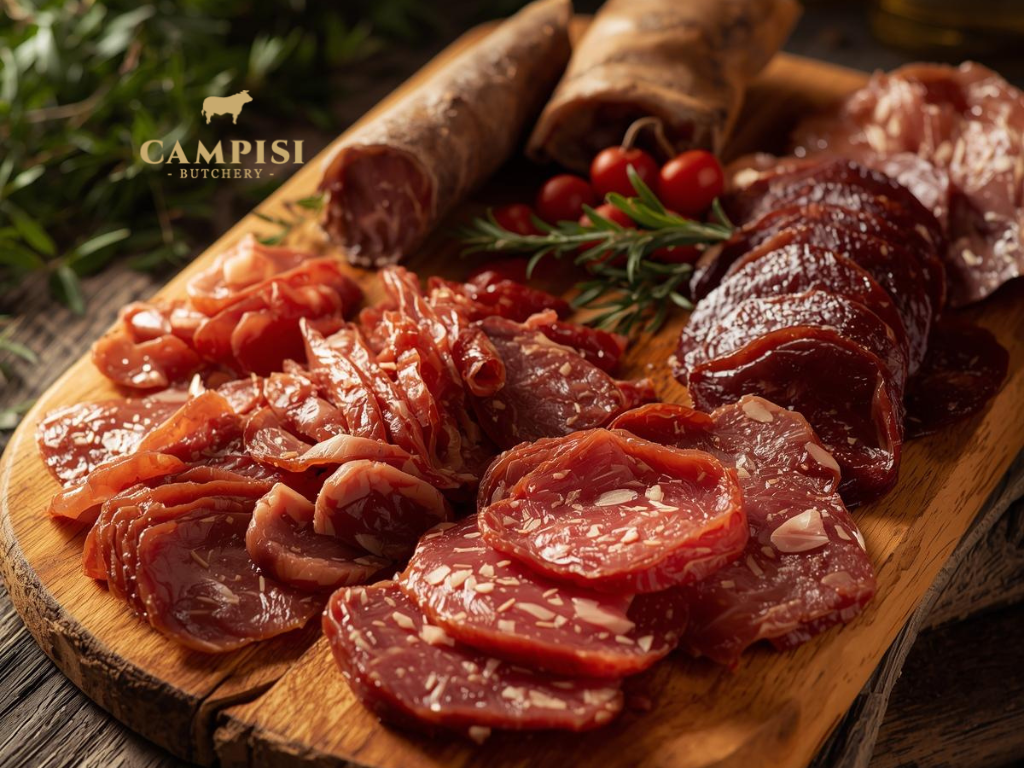
Prosciutto is usually served in thin slices and has a soft texture.
Coppa is made from pork neck or shoulder and often has visible marbling.
Pancetta comes from pork belly. Depending on the product, it may be used for cooking or served as part of a platter.
Cacciatore is generally a smaller salami that is easy to slice and serve.
Nduja is soft, spreadable and commonly spicy.
Product styles can vary between producers. Ask the butcher how each item is made, served and stored.
Campisi Butchery’s published smallgoods range includes salami, prosciutto, coppa, pancetta and nduja.
The best salumi is not one universal product.
It is the option that suits the meal, guests and other foods being served.
A balanced choice usually includes contrast rather than several similar products.
Compare Mild, Rich and Spicy Products
Begin with flavour strength.
Prosciutto can provide a delicate, savoury option. Coppa may offer a richer flavour and firmer bite.
Salami can range from mild to strongly seasoned. Some varieties may include chilli, pepper, garlic or fennel.
Nduja can add heat and a soft, spreadable texture.
Fat also affects the eating experience.
Visible marbling can create richness and a softer texture. Leaner products may feel firmer and taste more concentrated.
Ask to compare mild and spicy products before ordering a large quantity.
Match the Selection to the People Eating It
For a family meal, choose products that work in sandwiches, pizzas or simple antipasto plates.
For a celebration, include different textures and flavour strengths.
A mixed platter may combine one mild sliced meat, one richer product and one spicy option.
Consider whether children or guests who avoid strong flavours will attend.
Do not make every selection hot or heavily seasoned unless you know the group prefers it.
For a large event, ask whether the supplier can slice the products close to the required collection time.
Also confirm whether the order will be packed in separate portions.
Check Product Quality and Supplier Information
Quality cannot be judged by appearance alone.
Customers should also check how the product is stored, labelled, handled and explained.
A supplier should be able to answer basic questions clearly.
Ask About Slicing, Storage and Product Details
Ask whether the product is sold whole, pre-sliced or freshly sliced.
Fresh slicing allows you to request a suitable thickness. Thin slices may suit prosciutto and coppa, while a slightly thicker cut may work for some salami.
Read the label and follow its storage directions.
Check the use-by or best-before information. Also review the ingredients and allergen statement when dietary restrictions apply.
FSANZ identifies salami as a processed meat product and notes that food processing may include drying, preserving and fermentation.
Do not assume every cured product can remain unrefrigerated after purchase.
Storage needs can vary, so follow the supplier’s instructions and product label.
Look for Useful Advice Rather Than Vague Claims
A knowledgeable supplier should explain the product in practical terms.
Staff may describe whether it is mild, spicy, soft or firm. They can also suggest how much to buy and what foods may complement it.
Be cautious with unsupported claims such as “the best salumi in Australia.”
Taste is personal, and quality claims should have clear evidence.
More useful information includes where the product was made, how it should be stored and whether it suits cooking or ready-to-eat serving.
Campisi Butchery describes itself as a family-run business established in 1976. Its published range includes Southern Italian smallgoods and services for retail and hospitality customers.
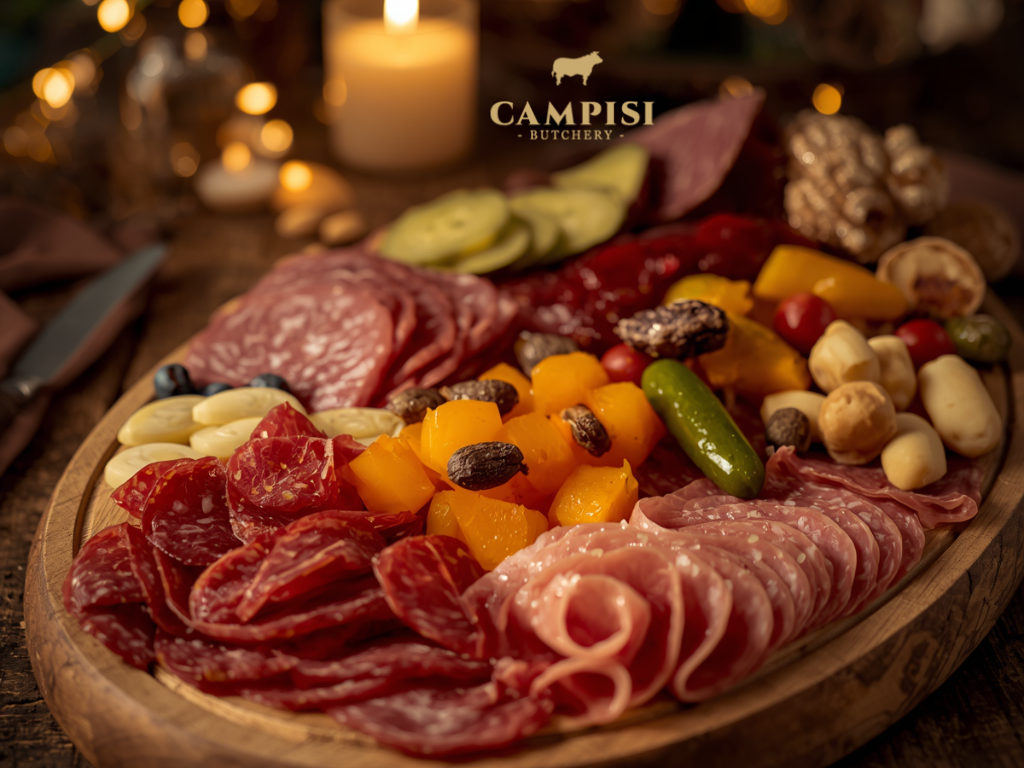
Build a Balanced Salumi Platter
A good platter does not need a very large number of meats.
A smaller, well-chosen range can provide enough variety without creating waste.
Think about flavour, texture, colour and serving order.
Combine Different Textures and Flavour Strengths
Choose products that provide contrast.
You might pair delicate prosciutto with a firmer salami and a richer coppa.
A small amount of nduja can add spice without dominating the whole platter.
Avoid buying several salamis with nearly identical seasoning.
Ask the butcher to explain the differences when the products look similar.
Serve each meat in a way that suits its texture.
Thin meats can be folded loosely. Firmer pieces may be arranged in overlapping slices.
Do not overcrowd the board. Guests should be able to identify and reach each item.
Add Suitable Accompaniments
Bread and plain crackers provide a simple base.
Cheese can add another texture, but it should not overpower the Italian salumi.
Olives, pickled vegetables and roasted capsicum can bring acidity and freshness.
Fruit can provide sweetness. Pears, grapes, melon or figs may suit different cured meats.
Nuts and spreads can add interest, but check guest allergies before serving them.
Keep the accompaniments balanced.
The salumi should remain the main feature rather than becoming hidden among too many extras.
Store and Serve Salumi Safely
Cured products still require careful food handling.
Ready-to-eat meats can be exposed to contamination after slicing or opening.
Follow the label and the supplier’s advice.
Keep Ready-to-Eat Meats Properly Refrigerated
FSANZ advises keeping perishable food refrigerated at 5°C or colder. It also identifies the range between 5°C and 60°C as the temperature danger zone, where microorganisms can grow quickly.
Place sliced salumi in the refrigerator soon after purchase.
Keep it covered or in its original packaging. This helps protect it from drying and contact with other food.
Store ready-to-eat products away from raw meat.
Do not use packaging that has become damaged or unsealed without asking the supplier for advice.
Discard products that show unexpected smells, textures or package swelling.
When uncertain, do not taste the product to test whether it is safe.
Protect Food During Serving
Use clean boards, plates and utensils.
Do not place ready-to-eat salumi on a surface that has held raw meat.
FSANZ advises keeping raw food separate from cooked and ready-to-eat food to reduce contamination risks.
Serve smaller portions and refill the platter when needed.
This can help limit how long the full quantity remains outside refrigeration.
Keep the serving area away from direct sunlight and heat.
Pregnant people, older adults and people with weakened immune systems may face greater risks from Listeria. FSANZ notes that deli meats are among the foods with a higher risk of Listeria contamination.
Guests with specific health concerns should follow current medical and food-safety advice.
Know When to Contact Campisi Butchery
Some customers know exactly what they need.
Others may want help choosing flavours, quantities or serving styles.
Speaking with the butcher can make a larger or unfamiliar order easier to plan.
Ask for Help With Products, Quantities or Platter Planning
Contact the supplier when preparing food for a large event.
Explain whether the salumi will be the main food or one part of a wider menu.
Ask for help when you want to try unfamiliar types of salumi.
Staff can explain flavour, texture and possible serving uses.
Campisi Butchery currently promotes Southern Italian-style salumi and smallgoods. Its published range includes salami, prosciutto, coppa, pancetta and nduja.
Confirm current stock before travelling, especially when you need a specific product or large quantity.
Prepare Useful Details Before Ordering
Estimate the number of guests.
Explain whether the food is for a starter, grazing table or full meal.
Share any preferences for mild, spicy or mixed products.
Mention food allergies or dietary concerns so the supplier can provide available product information.
Confirm whether you need the salumi sliced.
Also state your preferred collection date and time.
Campisi Butchery is located at 1/218 Fifteenth Avenue, West Hoxton. Its currently published hours are Monday to Friday from 7:30 am to 5:30 pm and Saturday from 7:00 am to 1:00 pm, with Sunday listed as closed. Confirm these details before visiting because trading hours can change.
Choose the Right Salumi and Confirm the Order
A local search should lead to more than the closest shop.
Compare the products, service and information available.
The supplier should make it easy to understand what you are buying.
Compare the Supplier by Relevance and Service
Review the range before visiting.
A general supermarket may provide convenient packaged products. A specialist Italian butcher may offer more product knowledge, slicing options and regional styles.
Check whether the supplier can explain ingredients and storage.
Also ask whether whole pieces and freshly sliced portions are available.
For large orders, confirm whether the supplier serves event, restaurant or hospitality customers.
Location still matters.
A nearby butcher may be more convenient for collecting freshly sliced products shortly before serving.
However, product suitability and clear handling advice should remain part of the decision.
Confirm Quantities, Collection and Storage Needs
Repeat the final order before payment.
Confirm each product, the approximate weight and the slicing thickness.
Check the collection time.
Ask how the order will be packed and how soon it should return to refrigeration.
For a mixed platter, confirm which products are mild and which contain stronger seasoning.
Keep the receipt and product labels.
Customers searching for salumi near me in Western Sydney can contact Campisi Butchery to ask about current smallgoods, slicing options and order quantities.