
Online advertising gives Australian businesses several ways to reach potential customers, but having more options does not always make the decision easier. Search engines, social platforms, online directories, websites and digital publications all offer different forms of promotion, and each channel serves a different purpose.
A business may want immediate enquiries, wider brand awareness, more website traffic or stronger visibility in a particular suburb or region. The most suitable approach depends on the audience, service, budget and action the business wants people to take.
Advertising online should therefore begin with a clear objective rather than a platform. Choosing a popular advertising channel without first deciding what the campaign must achieve can lead to unnecessary spending and unclear results.
A practical online advertising Australia strategy connects the advertisement, audience, landing page and enquiry process. It also gives the business a reliable way to measure whether the activity is creating genuine value.
How online promotion connects businesses with potential customers
Online advertising places a business message in front of people using websites, search engines, social platforms, directories, apps or digital publications. The advertisement may appear because a person searched for a service, matched an audience profile, visited a related website or browsed content connected with a particular topic.
This gives businesses more control than many traditional advertising formats. A campaign can often be limited by location, device, keyword, interest, schedule or audience type. However, more targeting options do not automatically produce better results. The targeting must still reflect the people most likely to need the product or service.
A local electrician may focus on homeowners, property managers and commercial facilities within a defined service area. A national online retailer may need broader targeting based on product interest, shopping behaviour and delivery coverage. A business-to-business service may require a smaller but more specific audience based on industry, role or organisation type.
The message should also match the person’s stage in the buying process. Someone searching for an urgent service may respond to direct information about availability and location. Someone researching a complex business service may need a useful guide, comparison or consultation before making contact.
Effective online advertising therefore involves more than placing ads online. It requires a clear connection between what the audience needs and what the business can genuinely provide.
The difference between paid advertising and organic visibility
Paid online advertising usually requires the business to pay for impressions, clicks, placements, leads or another campaign action. Search advertising, social media ads, display banners, sponsored articles and promoted directory listings are common examples.
Organic visibility is earned without paying for each appearance or interaction. It may come from helpful website content, search optimisation, customer reviews, local profiles, social posts and free directory listings.
The two approaches can support each other. Paid campaigns may generate visibility quickly, while organic content can build a longer-term online presence. A useful service page can also improve the experience of people who arrive through a paid advertisement.
Businesses should not assume that paid advertising replaces the need for a clear website. An advertisement may attract attention, but the landing page must answer the visitor’s questions and make the next step easy.
Likewise, organic visibility is not always enough when a business needs faster exposure, is entering a competitive market or wants to promote a time-sensitive service. In these situations, paid internet advertising may help the business reach relevant people while its broader online presence develops.
The best balance depends on the business. A new local service provider may begin with accurate listings, a complete website and a focused search campaign. An established company may use paid ads to support new locations, seasonal services or specific business goals.
Choosing the Right Advertising Channels
Search advertising reaches people when they enter a query related to a product, service or problem. It is often useful when customers already know what they need and are actively looking for a provider.
For example, a person searching for an emergency plumber, commercial electrician or local removalist may have strong intent to act. A relevant search advertisement can direct that person to a focused page explaining the service, location and contact options.
Social media advertising reaches people while they are browsing content rather than actively searching for a service. This can work well for visually appealing products, events, consumer services and offers that benefit from audience targeting or repeated exposure.
Display advertising uses visual ads placed across websites, apps or digital networks. It may support awareness, remarketing or broader campaign reach. However, display campaigns need suitable creative material and careful placement to avoid spending money on audiences with little interest.
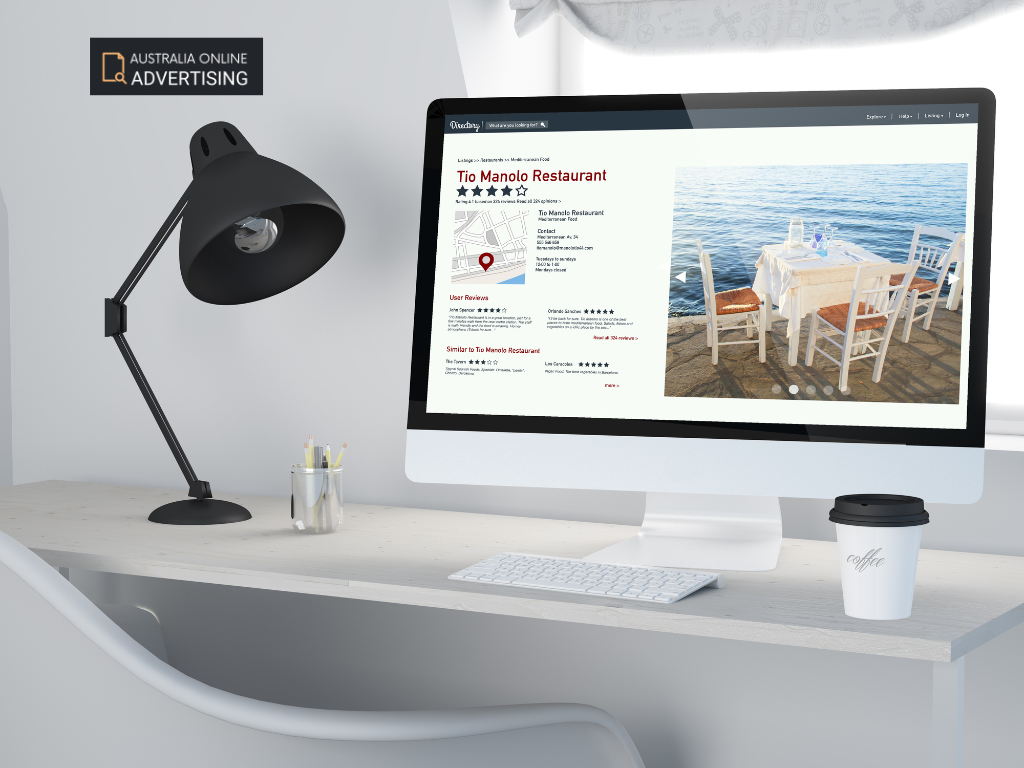
Online directory advertising places a business within a category, industry or location-based listing environment. It can give customers another place to discover the business, confirm its details and visit its website. A paid directory option may include greater visibility, more images, additional links or longer publication periods.
Sponsored content and guest articles can help explain services that require more detail than a short advertisement allows. These formats may suit businesses that want to answer common questions while introducing their expertise naturally.
None of these channels is automatically better than the others. The most suitable choice depends on how the audience searches, how quickly the business needs results and what information customers require before making contact.
Matching each channel to a business goal
A campaign should have one main purpose. Trying to increase awareness, generate enquiries, collect email addresses and sell several unrelated services through one advertisement can make the message difficult to understand.
Search advertising may suit a business focused on direct enquiries from people already looking for a service. Social advertising may be more appropriate for introducing a new product, promoting an event or building awareness among a selected audience.
Directory promotion can help strengthen visibility for customers browsing by location or industry. Sponsored content may suit businesses that need to educate readers before asking them to enquire.
The destination should also match the goal. An advertisement for a specific service should usually lead to a relevant service page rather than a general homepage. A campaign offering a guide should lead to the guide, while a quote campaign should make the enquiry form easy to find and complete.
Businesses should also consider the length of the buying process. A customer may book a household service quickly, while a commercial buyer may compare several suppliers, request documentation and discuss requirements before approving a project.
A suitable campaign respects that process. It gives people enough information to take the next reasonable step instead of demanding an immediate purchase when they are still researching.
Preparing Your Business Before Launching Ads

Defining the audience, offer and service area
Before a business decides where to advertise online, it should identify who the campaign is intended to reach. A broad description such as “all Australian businesses” usually provides too little direction.
The audience may be defined by location, industry, customer type, problem, budget or stage of the buying journey. A commercial cleaning company may target facility managers and retail centres, while a residential landscaping business may focus on homeowners in selected suburbs.
The business must also decide what it is offering. An advertisement works more effectively when it promotes one clear service, product, booking opportunity or piece of information.
An offer does not always need to be a discount. It may be a quote, consultation, assessment, booking, product comparison, downloadable guide or direct answer to a common customer concern.
Location targeting requires similar care. Businesses serving Sydney or Western Sydney should specify the suburbs or regions they can realistically cover. National targeting should only be used when the business can genuinely supply or deliver across Australia.
Accurate targeting helps protect the advertising budget. It also reduces the number of enquiries from customers the business cannot serve.
Improving landing pages and enquiry processes
A landing page is the page someone reaches after clicking an advertisement. Its job is to continue the message introduced in the ad and help the visitor decide what to do next.
The headline should clearly identify the service or offer. The page should explain who the service is for, what is included, where it is available and how the customer can make contact.
The content should not make claims that the business cannot support. Promises about being the cheapest, fastest, most trusted or highest-rated should only be used when reliable evidence is available.
The page should also work properly on mobile devices. Contact buttons, forms, navigation and page text should be easy to use on a smaller screen.
Forms should request only the information genuinely needed at the first stage. A long form may discourage an enquiry, especially when the person is only requesting basic information or a quote.
The business also needs a clear process for responding. Someone should know who receives the enquiries, how quickly they should be answered and what information is needed for the follow-up.
Advertising can create opportunities, but it cannot correct a poor customer response process. Missed calls, broken forms and slow replies can waste even a well-targeted campaign.
Setting a Practical Budget and Campaign Plan
There is no single online advertising budget that suits every Australian business. Costs vary based on competition, platform, audience, location, campaign objective and the value of the product or service.
A practical starting budget should be large enough to generate useful campaign activity without placing unnecessary pressure on the business. The first stage should be treated as a structured test rather than a guaranteed source of immediate sales.
The test should focus on a limited number of variables. A business might begin with one service, one audience and one geographic area. This makes it easier to understand which changes affect the results.
Spreading a small budget across too many platforms can make performance difficult to assess. Each campaign may receive too little activity to show whether the audience, message or offer is working.
Businesses should also consider costs beyond the platform spend. Landing-page preparation, advertisement design, copywriting, tracking setup and campaign management may all form part of the total investment.
When comparing internet advertising services, ask whether the quoted amount includes advertising spend, management fees, creative work and reporting. Clear cost separation helps businesses understand where the budget is going.
Allowing enough time and data to evaluate performance
Online advertising can begin generating impressions and clicks quickly, but useful conclusions often require more time. A small number of interactions may not provide enough evidence to judge the campaign properly.
Businesses should agree on an initial testing period and decide which results will be reviewed. These may include qualified enquiries, completed bookings, calls, sales, cost per lead or another meaningful action.
The required testing period depends on customer behaviour. A low-cost consumer product may produce decisions quickly. A commercial service with a longer approval process may require more time before advertising contributes to a confirmed sale.
Campaigns should still be monitored during the test. Obvious problems such as irrelevant search terms, broken links, excessive spending or incorrect locations should be corrected promptly.
However, changing the audience, budget, message and landing page every few days can make the results difficult to interpret. Adjustments should be based on a clear reason and recorded so the business can understand what changed.
Patience should not mean continuing an ineffective campaign without review. It means allowing enough consistent activity to make an informed decision.
Choosing the Right Online Advertising Service
Comparing providers, pricing and reporting arrangements
Online advertising companies may offer very different services. Some manage paid search and social campaigns, while others focus on directory listings, sponsored content, display advertising or broader digital strategies.
Before choosing a provider, confirm what work is included. Ask who prepares the ads, who selects the audience, who builds the landing page and who monitors performance.
The business should also understand who owns the advertising account, campaign data and creative material. Wherever possible, the arrangement should allow the client to retain access to its own accounts and reporting.
Pricing should be explained clearly. A provider may charge a fixed management fee, a percentage of advertising spend, a monthly service amount or a separate fee for each campaign component.
The cheapest option is not automatically the best value. A low management fee may still produce poor results if the campaign receives little attention, while a higher fee may not be justified if the provider cannot explain the work being completed.
Reporting should focus on outcomes that matter to the business. Impressions and clicks provide context, but they do not show whether an advertisement created a suitable enquiry or sale.
A useful report should explain what happened, what the provider learned and what changes are recommended next.
Identifying realistic advice and questionable promises
A responsible provider should not guarantee first position, a fixed number of sales or immediate profitability. Online advertising depends on competition, demand, pricing, website quality and customer response, many of which cannot be controlled by the advertising company alone.
Be cautious when a provider avoids discussing tracking, account access or campaign ownership. Businesses should also question services that promise a large number of impressions without explaining whether the audience is relevant.
Claims about expected traffic, enquiry volume or return should be supported by evidence. Forecasts may be useful for planning, but they should be presented as estimates rather than guaranteed outcomes.
The provider should ask questions about the business before recommending a channel. These questions may cover the target customer, service area, average sale value, current website, existing advertising and sales process.
A recommendation made without understanding these details may be based on the provider’s preferred platform rather than the client’s actual needs.
Australian businesses must also ensure that advertising claims, prices and offers are clear and not misleading. Recent enforcement and reporting around hidden sponsorships, incomplete pricing and deceptive online promotions show why transparency remains important in digital advertising.
Measuring and Improving Campaign Performance
The right measurement depends on the campaign objective. A visibility campaign may focus on reach, video views or visits, while an enquiry campaign should track calls, forms, bookings or quote requests.
Businesses should avoid judging performance only by website traffic. A campaign may generate many visitors who are outside the service area or looking for something the business does not provide.
Lead quality is therefore important. The business should record whether enquiries are relevant, affordable to service and likely to become customers.
Cost per enquiry can help compare campaigns, but it should not be considered without context. Ten low-quality enquiries may be less valuable than two strong commercial opportunities.
Where possible, advertising results should be connected with actual business outcomes. This may involve recording which enquiries became customers, what they purchased and how much revenue they generated.
Not every business needs a complicated reporting system. A simple process that records the source, service, location and result of each enquiry can provide useful information.
The important point is consistency. If the business changes how results are recorded each month, comparisons become less reliable.
Using campaign data to make practical improvements
Campaign data should help the business decide what to change. It should not be collected only for reporting purposes.
If an advertisement receives impressions but few clicks, the message may not be relevant or clear. If it receives clicks but no enquiries, the landing page, offer or audience may need attention.
If enquiries are coming from unsuitable locations, the geographic settings should be reviewed. If people repeatedly ask a question that the page does not answer, that information may need to be added.
Search-term information can reveal the language customers use. This may help improve both the advertising campaign and the website content.
The business should test meaningful changes one at a time where possible. This makes it easier to understand whether a new headline, offer, image or landing page improved the result.
Some campaigns may need to be paused rather than continually adjusted. If demand is weak, the service is not competitive or the business cannot respond properly to enquiries, further advertising spend may not solve the underlying problem.
Good optimisation sometimes means improving the business process around the campaign rather than changing the ad itself.
When to Contact Australia Online Advertising

Getting help with suitable promotional and listing options
Australia Online Advertising may be contacted when a business wants to understand available listing, directory, guest-post or promotional options.
Before making contact, prepare the business name, website address, service description, target audience, preferred locations and the action customers should take. This information can help identify a more suitable advertising format.
A business seeking long-term visibility may consider a directory listing or informative article. A company promoting a specific offer may require a different placement or a more focused campaign.
It is also useful to ask about publication requirements, listing duration, editing options and whether any paid upgrade is optional or recurring.
Businesses should review all descriptions before publication. Contact details, service areas and claims must be accurate, and promotional content should provide genuine information rather than repeating keywords.
Australia Online Advertising can explain its platform and available services, but businesses should still compare each option with their objectives and budget.
Knowing when a broader advertising strategy is required
A single directory listing or sponsored article may support online visibility, but it may not meet every advertising goal.
A broader strategy may be needed when the business wants faster lead generation, is launching in a competitive market or needs to reach several audience groups across different channels.
This strategy might include search advertising, social campaigns, landing pages, directory visibility, useful content and ongoing performance measurement.
Australian advertising continues to become more digital, measurable and audience-focused. At the same time, businesses must pay closer attention to accurate claims, transparent sponsorships and clear pricing when advertising online.
The best approach is not necessarily the one using the most platforms. It is the one that gives the business a clear objective, a relevant audience, a useful message and a reliable way to measure results.
Businesses that are uncertain where to begin should start with one defined service and one realistic campaign goal. They can then use the results to decide whether to expand, adjust or stop the activity.
Online advertising Australia strategies work best when they are built around real customer needs rather than platform trends alone. Clear planning, responsible claims, suitable targeting and consistent measurement provide a stronger foundation for sustainable online promotion.