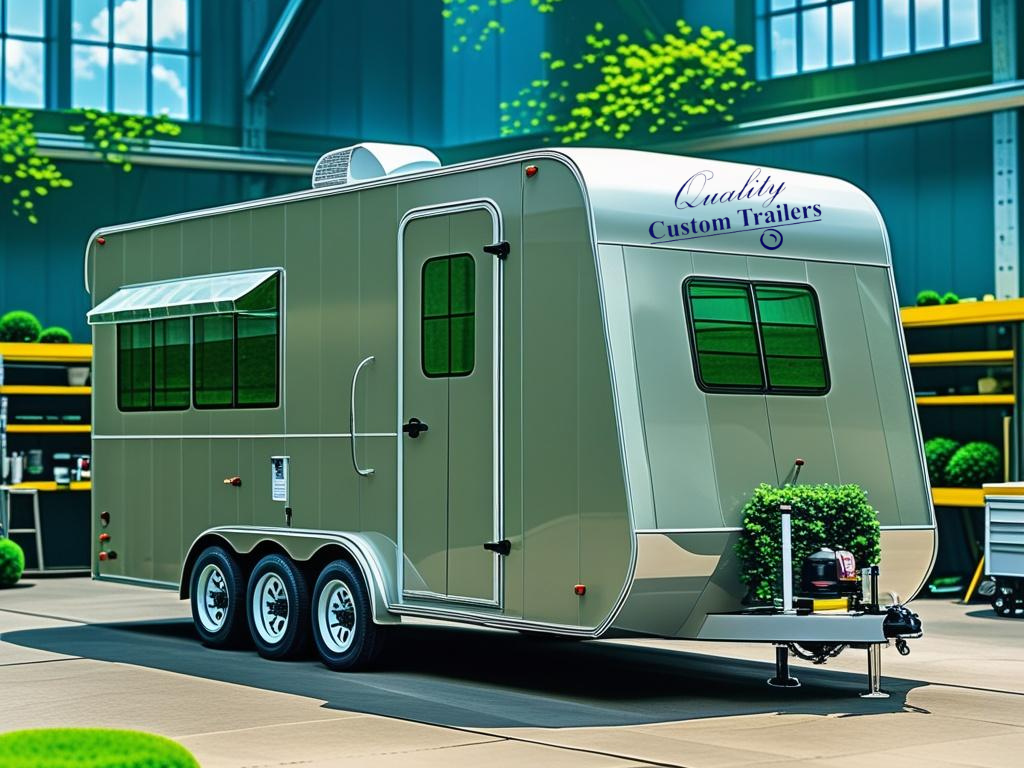
A trailer should make daily work easier. It should not create new problems with access, storage or towing.
Custom trailers allow buyers to plan the body and features around a specific load. They may carry tools, machinery, motorcycles, landscaping equipment or business supplies.
However, more features do not always create a better trailer. Every drawer, rack, door and battery adds weight, cost and maintenance.
The best design begins with the work. It then matches the cargo, tow vehicle and normal operating conditions.
This guide explains which features can improve daily use and what buyers should check before ordering a custom trailer.
The design should begin with a clear task.
A tradesperson may need fast access to tools. A landscaper may need ramps and open loading space. A motorcycle owner may need wheel restraints and secure storage.
These uses require different layouts.
Define What the Trailer Must Carry
List the main items that will travel in the trailer.
Record the length, width, height and approximate weight of each large item. Include handles, wheels and other parts that extend beyond the main body.
This information helps the builder plan the internal dimensions and payload.
Also explain how each item will enter the trailer. Wheeled machines may need a ramp. Long tools may need side access or roof storage.
A custom trailer should provide enough room for the load and its restraints. It should also leave space for safe handling.
Avoid choosing the outside size first. Begin with the cargo and work outwards.
Map the Normal Working Routine
Think about the order in which you use your tools or equipment.
Items used several times each day should sit near an easy access point. Rarely used items can sit deeper inside the trailer.
This approach reduces unloading and wasted movement.
Also consider where the trailer will be parked during work. A side door may be useful in an open yard but difficult to use beside another vehicle.
Plan for normal daily use rather than rare situations.
Some flexibility can help as your equipment changes. Adjustable shelving and movable tie-down points may offer useful options.
However, avoid adding space or fittings without a clear purpose. Extra features can reduce payload and make the trailer harder to organise.
The tow vehicle should guide the trailer design.
A well-built trailer may still be unsuitable if the loaded weight exceeds the vehicle’s limits.
Check the exact vehicle specifications before choosing the trailer size.
Check Towing Limits Before Choosing a Size
Review the manufacturer’s towing information for the vehicle.
Important figures may include braked towing capacity, unbraked towing capacity and maximum towball load.
Gross vehicle mass and gross combination mass may also affect the setup.
The towbar has its own rating. It must suit both the vehicle and the trailer.
Do not assume that a larger towbar increases the vehicle’s towing limit.
Passengers, tools and cargo inside the vehicle also add weight. This may reduce the capacity available for towing.
Provide the vehicle make, model and year to the trailer builder. Ask how the proposed design fits within its limits [VERIFY].
Estimate the Complete Loaded Weight
The empty trailer weight is only the starting point.
Cargo, shelving, toolboxes and spare wheels add mass. Batteries, lighting, racks and ramps add more.
Small items can also create a large combined weight.
Ask the builder for the expected tare mass and proposed mass rating [VERIFY]. The difference between these figures helps show the available payload.
Plan the trailer around its normal loaded condition.
A larger body does not always provide more useful carrying capacity. A heavy structure and many fitted features may leave less payload for cargo.
Weight distribution matters as well. Heavy items should not sit wherever space remains.
The builder should consider axle placement, towball load and the usual cargo position.
Choose Doors, Ramps and Access Points
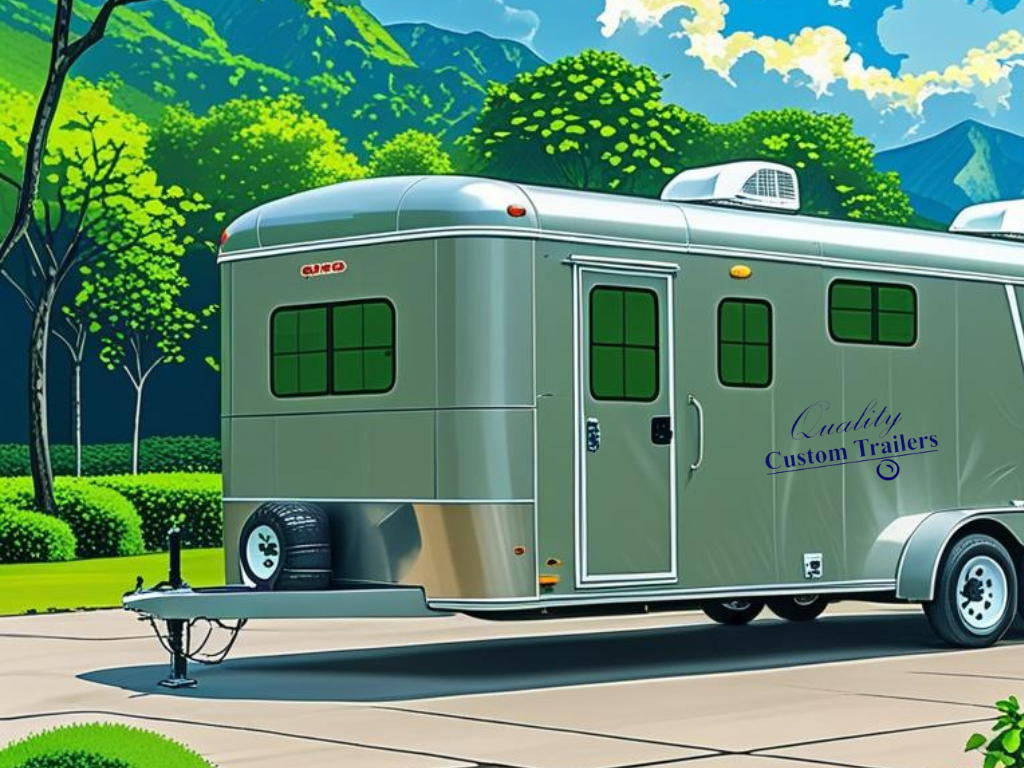
Access affects how quickly and safely the trailer can be used.
A trailer may have enough internal space but still feel difficult to work with. Poorly placed doors or steep ramps can make loading harder.
Choose access features around the cargo and worksite.
Select Access That Suits the Cargo
A rear ramp can suit motorcycles, mowers and other wheeled equipment.
The ramp must have enough width and load capacity. Its angle should also suit the wheels and ground clearance of the equipment.
Barn doors can provide wide rear access without extending a long ramp behind the trailer.
A side door may improve access to tools near the front. It can also reduce the need to enter through the main loading area.
Lifting lids may suit smaller custom made trailers with top-access storage.
The best option depends on the load.
For example, a tradesman trailer may need several small external doors. A machinery trailer may need one large rear opening.
Ask how every door will operate when the trailer is fully loaded.
Check Clearance in Real Working Areas
Measure where the trailer will be stored and used.
Check driveway width, garage height and turning space. Also consider parking beside other vehicles.
A door may fit the trailer but lack room to open at a normal job site.
Ramps need clear ground behind the trailer. Side doors need space beside it.
Roof racks and vents may affect total height. This can matter when the trailer enters a garage or covered area.
When searching for custom built trailers near me, local design meetings can help. The builder may better understand common access and storage limits.
However, buyers should still provide accurate measurements. Do not rely on visual estimates.
Design Storage Around Daily Tasks
Good storage should reduce lifting and searching.
It should also keep the load stable during travel.
A trailer with many compartments can still perform poorly if the layout does not match the user’s routine.
Position Tools Where They Are Easy to Reach
Place common tools near a suitable door.
Small items may suit drawers or shallow shelves. Large equipment may need open bays or floor space.
Avoid shelves that are too deep for the items they hold. Tools can disappear at the back and become hard to reach.
Drawers should open fully without striking doors or cargo.
Long materials may need dedicated racks. Electrical leads and hoses may work better on reels or hooks.
External compartments can provide quick access. Internal compartments may offer more weather protection.
Unique custom trailers often include special storage features. These features should solve a real problem rather than add visual interest only.
Keep Heavy Items Low and Secure
Store heavy equipment low where possible.
This can reduce lifting effort and help avoid placing too much weight high in the trailer.
Secure every item for travel.
Tie-down points should match the load and its normal position. Their number and location matter as much as their rating.
Machinery may need floor restraints near its wheels or frame. Toolboxes may need fixed mounts or latches.
Loose equipment can damage the trailer and other cargo.
Ask how restraint points connect to the trailer structure. A fitting attached only to thin lining may not provide enough support.
The user must still load and secure the cargo correctly. The final restraint method should suit the load and applicable rules.
Add Lighting, Power and Security Features
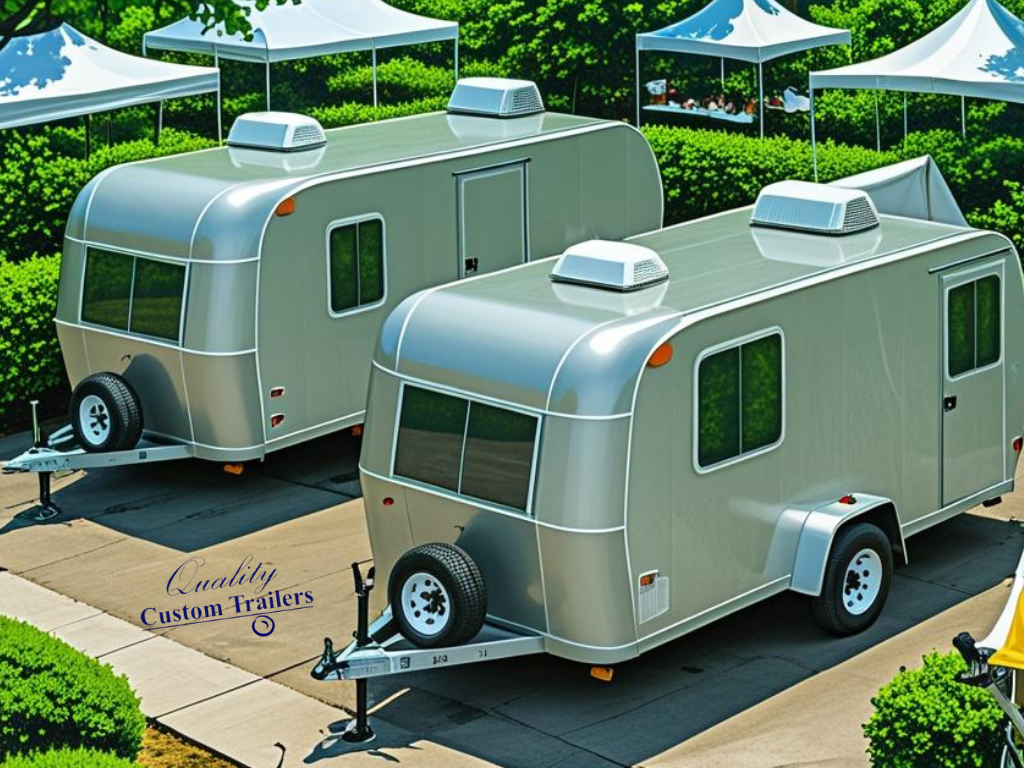
Electrical and security features can improve daily use.
However, these systems should support a clear task.
An overly complex setup may add unnecessary weight and repair costs.
Choose Electrical Features With a Clear Purpose
Internal lighting can help users find tools in poor light.
Position lights so shelves and tall equipment do not block them.
External work lights may help around a job site. Their position should reduce glare and accidental damage.
Some customised trailers include batteries, charging points or an inverter.
These features may suit power tools, lighting or small equipment. The system must use suitable wiring and protection.
Ask how the battery will charge. Also check how it will be isolated and maintained.
Every electrical feature adds weight. Include this mass in the payload calculation.
A qualified person should complete regulated electrical work where required [VERIFY].
Plan Practical Security
An enclosed compartment can hide tools from public view.
Strong locks may also improve security. Wheel locks and hitch locks can add another layer of protection.
No single feature can prevent every theft.
Plan security around where the trailer will stay overnight. A trailer stored in a locked yard has different needs from one parked on the street.
Frequently used doors should remain easy to lock. Complicated systems may become less useful if workers stop using them.
Ask whether locks and hinges can be serviced or replaced.
Tracking devices may support recovery, but buyers should not treat them as a complete security solution.
Compare Trailer Specifications and Builders
Two trailers may look similar but use different components.
Compare the written build details rather than the paint, graphics or outside shape.
The quotation should clearly explain what the buyer will receive.
Review the Complete Build Specification
Ask for written details about the chassis, frame and floor.
The specification should also cover axles, suspension, brakes, coupling, wheels and tyres.
Check the wall, roof and door materials where the trailer has an enclosed body.
The quote should identify wiring, lights, paint or coating and fitted accessories.
Material thickness alone does not explain the strength of the trailer. The structure, joins and reinforcement also matter.
When reviewing custom trailers for sale, check which features form part of the standard price.
Photos may show optional racks, toolboxes or electrical systems.
The builder should also explain how the design allows for the expected load.
Check Communication and After-Sales Support
A custom trailer company should provide a clear approval process.
Review the main dimensions, doors, storage and equipment positions before fabrication starts.
Record every design change in writing.
A small variation may affect weight, price or completion time.
The quotation should explain payment stages and estimated build time.
Ask what the warranty covers. Also check who manages repairs to locks, wiring, brakes or fitted accessories.
Quality Custom Trailers may be considered when a buyer needs a trailer built around a specific work or transport task.
Its current designs, materials, capacities, inclusions and warranty terms should be confirmed for the proposed build [VERIFY].
Know When to Contact the Trailer Company
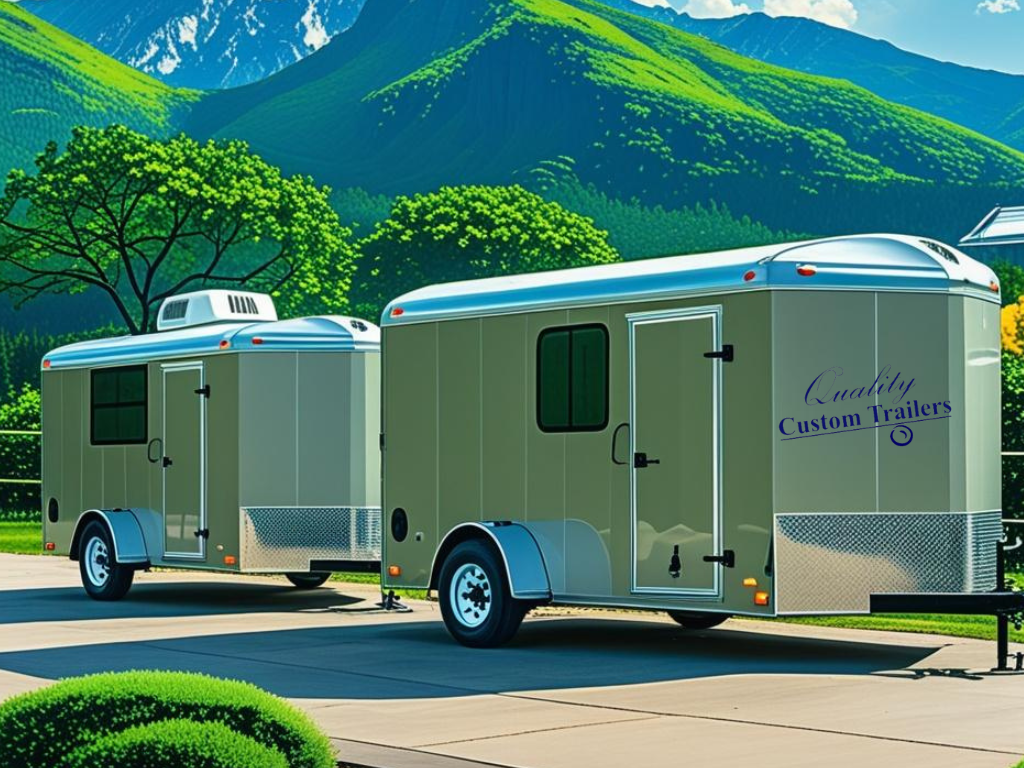
Speak with a builder before finalising the full design.
Early advice can prevent the trailer from becoming too heavy, large or difficult to use.
You do not need a complete technical drawing before making an enquiry.
Ask for Advice Before Finalising the Design
Contact a builder when the payload or trailer size remains unclear.
Professional input may also help when the cargo has an unusual shape or concentrated weight.
Discuss ramps, door positions and storage before buying accessories.
The builder can explain how each feature may affect weight and balance.
Advice is also useful when the trailer must fit inside a garage or narrow yard.
A custom trailer should solve a practical problem. A simpler design may work better than one filled with optional features.
Provide Complete Information for a Quote
Explain what the trailer will carry.
Provide the size and estimated weight of each main item. Include the tow vehicle make, model and year.
Describe how the trailer will be loaded and unloaded.
Mention preferred doors, ramps, shelves, drawers and racks. Include lighting, charging and security requirements.
Also state where the trailer will travel. Sealed roads, worksites and rough access tracks may place different demands on the design.
When contacting Quality Custom Trailers, request a written proposal.
It should confirm the main layout, dimensions, mass rating, included components, compliance process, price and expected build time [VERIFY].
The right custom trailer should improve daily work. It should also suit the load and tow vehicle.
Careful planning can prevent poor access, wasted space and unnecessary weight.