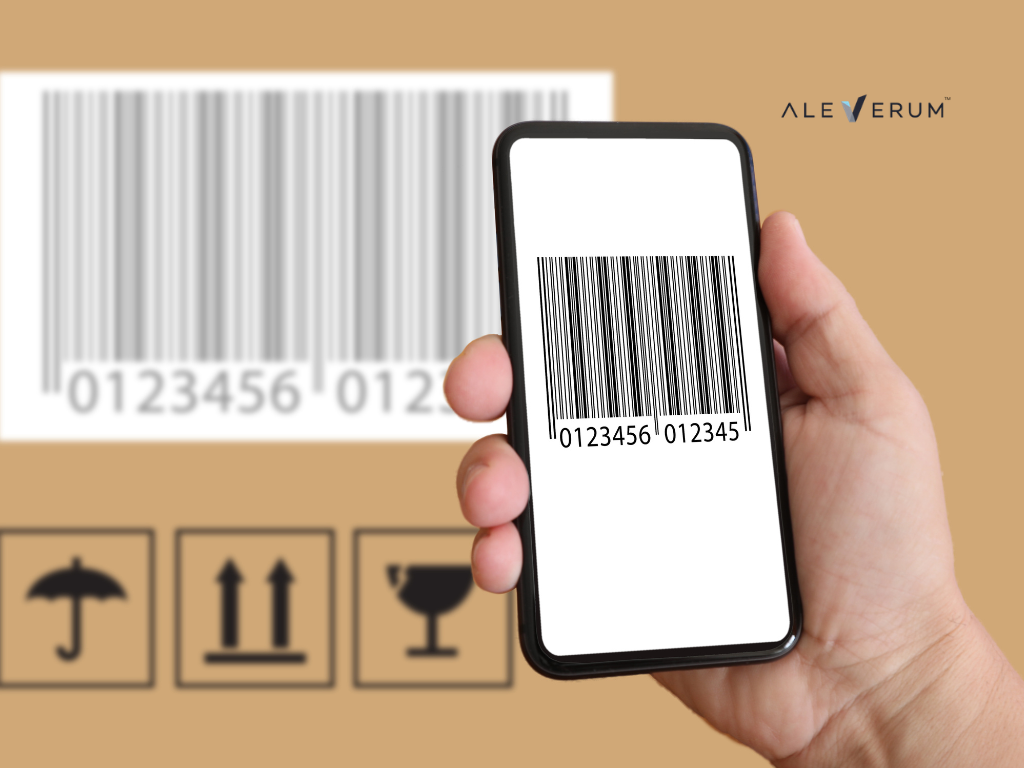
A digital product passport is a structured digital record that can provide important information about a product, its materials, origin, sustainability attributes, repairability, lifecycle and supply chain history. It is designed to make product information easier to access, verify and share across businesses, customers, regulators and supply chain partners.
For Australian businesses, the topic matters because product transparency is becoming more important in global markets. A company may not be based in Europe, but it may still supply products, materials, components or finished goods into markets where digital product passport regulation is developing.
The EU digital product passport is strongly linked to the Ecodesign for Sustainable Products Regulation. The regulation establishes a framework for ecodesign requirements and includes the digital product passport as part of the wider shift toward more durable, repairable, reusable and recyclable products.
What a digital product passport is designed to show
A digital product passport is designed to hold product-related information in a digital format. This may include product identity, materials, components, sustainability details, repair information, recycling guidance, supply chain information and other data required by the relevant product category.
The European Commission describes the Digital Product Passport as a key innovation under the 2024 Ecodesign for Sustainable Products Regulation, intended to store and share relevant data about a product’s sustainability, durability and other environmental aspects.
This does not mean every product will need the same information. Requirements may vary by category, market and regulation.
Why product data is becoming more important
Product data is becoming more important because customers, regulators and supply chain partners increasingly want clearer information about how products are made, used, repaired, reused and recycled.
For businesses, this means product information should not be scattered across emails, spreadsheets, supplier documents and packaging files. It needs to be accurate, organised and easy to update.
A product digital passport can support this by connecting product information to a digital access point, such as a QR code, serial number, batch record or other identifier, depending on the chosen system and compliance requirements.
EU Regulation and Australian Business Relevance
The eu digital product passport is part of a wider European push to improve product transparency and circular economy outcomes. While the rules are European, they may still matter for Australian businesses that export into the EU or supply materials, parts or finished products to brands that sell into the EU.
The European Commission says new measures such as the digital product passport will be developed in dialogue with international partners, with attention to trade barriers, greener products, sustainable investment, marketing and compliance.
This means Australian businesses should watch developments early, especially if they work in product categories that may be prioritised under EU rules.
Why Australian businesses should watch product category requirements
Not every product category will move at the same pace. Product groups, technical standards and data requirements may be introduced in stages, so businesses should avoid assuming that one rule applies to every product immediately.
The EU framework is expected to affect product categories based on future delegated acts and work plans. For Australian businesses, the safer approach is to monitor the relevant product category, export market and customer requirements before making formal compliance claims.
Australia is also discussing digital product passport ideas in relation to circular economy reform. Circular Australia has welcomed a federal government proposal for a national digital product passport, describing it as a way to track how products are made, reused, recycled and disposed of.
Product Data, Traceability and Trust

How trusted digital information supports better decisions
Trusted digital information means product data can be relied on by the people who need it. This may include suppliers, manufacturers, retailers, repairers, recyclers, customers, auditors and regulators.
For example, a product passport may help show what a product is made from, where components came from, how the product should be maintained, and how it may be reused or recycled at end of life.
This can support better decisions across the product lifecycle. However, the information must be accurate and maintained. A digital passport is only useful if the data behind it is reliable.
Why supply chain traceability should start before regulation
Supply chain traceability should start before regulation because it can take time to collect and verify product information. A business may need supplier records, material specifications, batch numbers, certificates, production dates, component details and packaging data.
If this information is not already organised, preparing for a digital product passport may require process changes. Businesses may need to decide who owns product data, who updates it and how supplier information is checked.
GS1 Australia says its standards support sustainability and circular economy practices through packaging, recycling, traceability and digital product passports. This highlights the role of common standards in making product information easier to share across supply chains.
Circular Economy and Product Lifecycle Planning
A product passport circular economy approach focuses on improving how products are used, repaired, reused, refurbished and recycled. Instead of losing product information after sale, the passport can help keep useful data connected to the product throughout its life.
The EU’s open data portal describes the digital product passport as a tool intended to enhance transparency across product value chains by providing information about origin, materials, environmental impact and disposal recommendations.
For businesses, this may support better product stewardship, repair planning, warranty management, recycling instructions and sustainability reporting.
Why global batch traceability matters for product records
Global batch traceability can help businesses connect product records across manufacturing, distribution and after-sales stages. This may be useful for quality control, recalls, warranty claims, product updates, sustainability reporting and supplier accountability.
For example, if a product batch has a material issue, traceability can help identify which products are affected and where they were distributed. If a supplier changes material inputs, traceability can help keep product records accurate.
This is especially important for businesses with multi-country suppliers, contract manufacturers, component sourcing or products sold through several channels.
How to Choose the Right Product or Service

What to ask before choosing a digital product passport solution
Before choosing a digital product passport solution, ask what product information needs to be captured and who will use it. A business should understand whether the passport is mainly for compliance readiness, customer transparency, circular economy planning, supplier traceability or internal product control.
Ask whether the system can manage product identifiers, batch records, supplier data, documentation, version history, access controls and update processes. Also ask whether it can connect with existing systems such as inventory, ERP, e-commerce, product information management or quality control tools.
A solution should not only create a public-facing passport. It should also help the business maintain trusted product data over time.
How to compare data quality, access and integration support
A good solution should support data quality, not just data display. Businesses should compare how information is entered, checked, updated and protected.
Access also matters. Some information may be public, while other information may only be available to suppliers, auditors, regulators, repairers or internal teams. The system should support the right level of visibility for each audience.
Integration support is also important. If product information already sits in several systems, the digital product passport process may need APIs, data mapping, workflow design or custom reporting.
When to Contact Aleverum
Aleverum can be mentioned naturally when a business wants help reviewing product data, trusted digital information, supply chain traceability or digital product passport readiness.
This may be useful when a business is unsure where product records are stored, which supplier data is reliable, how batch traceability works, or whether its current systems can support future product passport requirements.
A useful discussion should begin with the product category, supply chain structure, data sources, market exposure and business goals.
How a structured review can support traceability readiness
A structured review can help a business understand what information it already has and what needs improvement. Some businesses may need better supplier documentation. Others may need batch-level records, product identifiers, data governance or system integrations.
For example, a business selling products into international markets may need to understand future eu digital product passport expectations. A manufacturer may need stronger global batch traceability. A retailer may need clearer product data for customer transparency and circular economy reporting.
The aim is to prepare product data in a practical way before formal requirements or customer demands become urgent.
Preparing Next Steps for Product Passport Readiness

How to organise product and supplier information
The first step is to review existing product records. This may include product names, SKUs, batch numbers, material details, supplier names, certifications, repair instructions, recycling guidance, packaging data and sustainability claims.
The business should also check which records are verified and which need improvement.
Product passport planning should also include responsibility. Someone needs to manage the data, update records and review changes when suppliers, materials or product designs change.
Internal linking opportunities and next steps
This article can naturally link to related pages such as digital product passport, eu digital product passport, product digital passport, digital product passport regulation, product passport circular economy, trusted digital information, supply chain traceability and global batch traceability.
The next step is to review your products, supply chain records, batch data, supplier documents and sustainability claims. Then identify which information is accurate, which information is missing and which systems may need to connect.
A good digital product passport process should help businesses build clearer product records, stronger traceability and more trusted information for future circular economy needs.