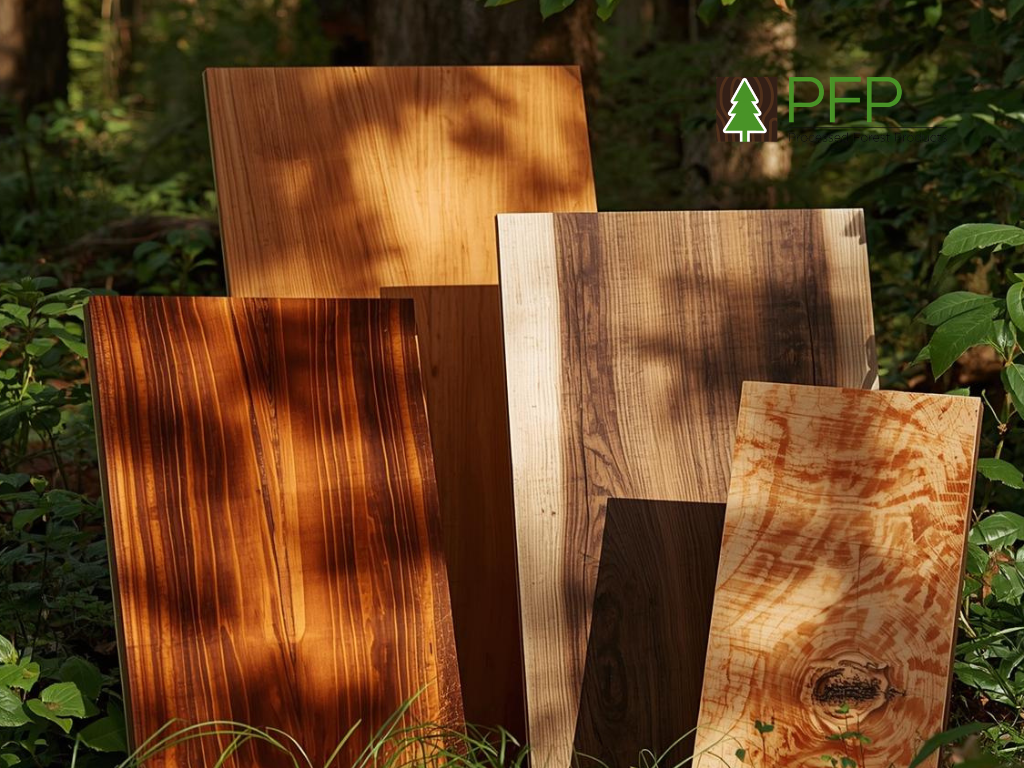
Choosing timber veneer Sydney suppliers can offer is not only about picking a colour. It is about choosing the right timber look, sheet type, panel option, finish, and supplier support for your project.
Timber veneer gives a surface the look and feel of real timber. It is often used on cabinetry, wall panels, doors, furniture, shelving, wardrobes, vanities, and custom joinery. In many projects, veneer is applied over a core panel such as MDF, particleboard, or plywood.
This makes timber veneer useful for projects that need the beauty of natural timber without using solid timber throughout the whole piece. It can also help designers and joiners create a more consistent surface across large areas.
What timber veneer is
Timber veneer is a thin layer of real wood. It is usually pressed onto a stable base panel to create a decorative timber surface. This base may be selected based on the project, the joinery method, the budget, and the required performance.
Because veneer uses real timber, each sheet can show natural grain, colour, and character. This is part of its appeal. It gives interiors a warmer and more natural look than many flat manufactured finishes.
However, natural variation also means buyers need to plan carefully. Two veneer sheets may not look exactly the same. For this reason, grain direction, matching style, species choice, and finishing should be discussed early.
Why Sydney buyers choose veneer finishes
Many Sydney homes, apartments, offices, cafés, restaurants, and retail spaces use timber finishes to add warmth and texture. Veneer can suit modern interiors, classic joinery, soft natural palettes, and feature-style commercial spaces.
Design trends continue to show interest in natural texture, craftsmanship, and interiors with more character. Timber veneer can support that look because it brings real grain and depth into a space.
It can also suit projects where solid timber may be too heavy, costly, or difficult to use across large panels. For example, a timber veneer panel may work well for wardrobe doors, kitchen cabinetry, reception counters, boardroom walls, or built-in shelving.
Where Timber Veneer Works Best
Timber veneer works well in many interior spaces. The best use depends on the design goal, the surface size, the amount of wear, and the finish required.
A small feature cabinet may need a bold grain. A large wall panel may need a calmer and more even look. A busy commercial counter may need a durable coating. These details affect which veneer product will work best.
Residential interiors and custom joinery
In homes, timber veneer is often used for kitchens, wardrobes, vanities, wall units, shelving, doors, and furniture. It can help create a warm and refined look without making the room feel too heavy.
A kitchen may use timber veneer panels for cabinet doors, island fronts, or open shelving. A bedroom may use veneer for wardrobe doors or a bedhead wall. A living area may use timber veneer for entertainment units, display shelves, or feature panels.
The key is to match the veneer to the room’s use. A high-touch area may need a stronger coating. A decorative wall may focus more on grain and colour. A cabinet door may need careful matching so the design looks balanced.
Commercial and architectural spaces
Commercial interiors often use timber veneer to create a professional and welcoming feel. Offices, hotels, restaurants, retail stores, medical suites, and reception areas can all benefit from timber surfaces.
In an office, veneer may be used for boardroom walls, joinery, storage units, counters, and feature panels. In hospitality spaces, it may appear on bars, banquettes, wall panels, doors, and display areas. In retail fitouts, it can help create a more premium and natural brand feel.
For commercial spaces, durability and maintenance matter. The veneer, substrate, coating, and installation method should suit the expected use of the area.
Timber Veneer Sheets, Panels, and Timber Wood Panels
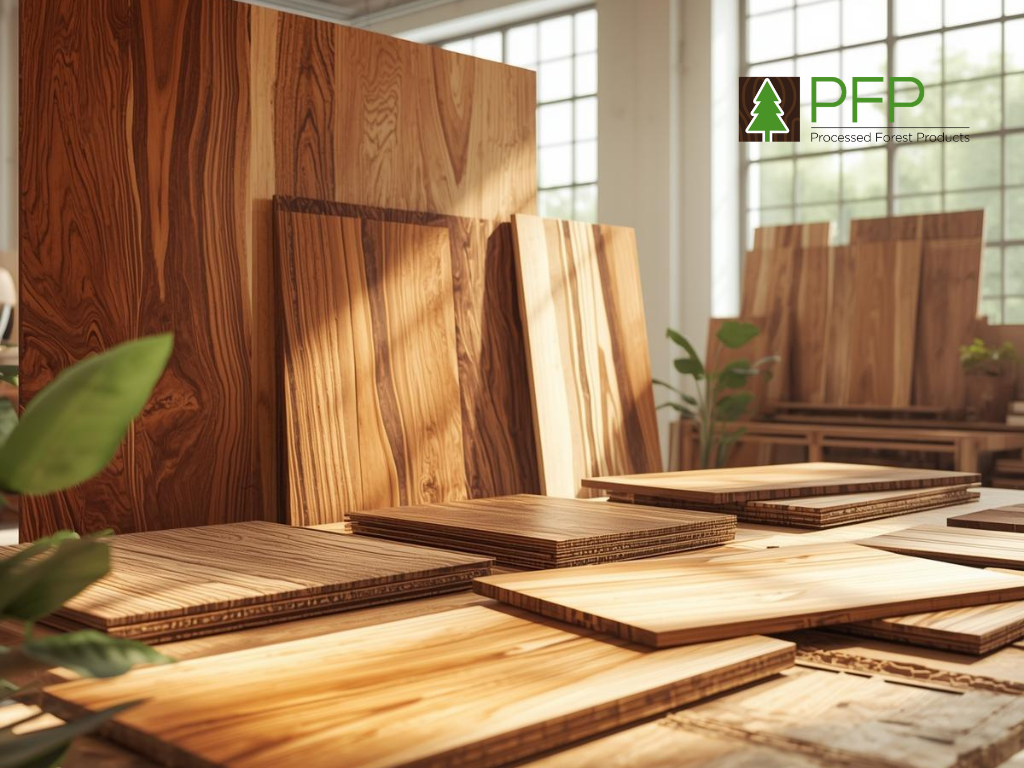
Buyers often compare timber veneer sheets, timber veneer panels, and timber wood panel options. These products can look similar at first, but they may suit different stages of a project.
The right choice depends on whether you need raw material for custom work, pressed panels for joinery, or finished panels ready for installation. It also depends on the size of the job and the level of finish required.
When timber veneer sheets may suit a project
Timber veneer sheets may suit projects that need custom pressing, special grain matching, or a specific timber species. Joiners, cabinet makers, and manufacturers may use sheets when they want more control over the final panel.
Sheets can be useful when a project needs book matching, slip matching, or a consistent grain direction across several doors or panels. They can also help when the design needs a custom layout or a feature pattern.
However, timber veneer sheets need correct handling. They may also need pressing, trimming, sanding, and finishing. For this reason, they are often better suited to experienced joiners, cabinet makers, or manufacturers.
When timber veneer panels may be the better option
Timber veneer panels may suit projects that need faster production and a more ready-to-use panel format. These panels may already have veneer pressed onto a chosen substrate.
This can help reduce work for joiners and builders. It may also make ordering easier when the project needs several panels in the same finish. For example, timber veneer panels may suit cabinetry, wall linings, doors, reception counters, and commercial joinery.
Before ordering, check the panel size, substrate, thickness, veneer species, grain direction, and finish requirements. These details can affect cutting, edging, installation, and the final appearance.
How to Choose the Right Veneer Look and Finish
Choosing the right veneer look is one of the most important parts of the project. Colour is only one factor. Grain pattern, cut type, matching style, finish, and lighting can all change how the veneer appears in the final space.
It is also important to view samples in the right setting. A sample may look different under showroom lights, natural light, or warm indoor lighting.
Compare species, grain, colour, and matching style
Different timber species create different looks. Some veneers have a calm and even grain. Others have strong movement, knots, contrast, or feature lines. The right choice depends on whether you want a subtle background finish or a strong design feature.
Grain matching also matters. Book matching can create a mirrored effect. Slip matching can create a more repeated grain flow. A random match may suit projects that want a more natural and relaxed look.
For large areas, ask how the sheets or panels will be matched. This is important for wall panels, cabinet runs, doors, and reception counters. Good planning can help avoid sudden grain changes in visible areas.
Think about coating, durability, and maintenance
The finish protects the timber veneer and affects its final look. A clear coating can highlight the grain. A stain can adjust the colour. A matte finish can create a soft modern look. A glossier finish may feel more formal, but it can also show marks more easily.
Durability depends on the coating, the substrate, the application, and the care routine. Kitchens, counters, doors, and commercial areas usually need more protection than low-touch decorative panels.
Before choosing a finish, ask how the surface will be cleaned. Also consider sunlight, moisture, fingerprints, impact, and daily wear.
How to Compare Timber Veneer Suppliers
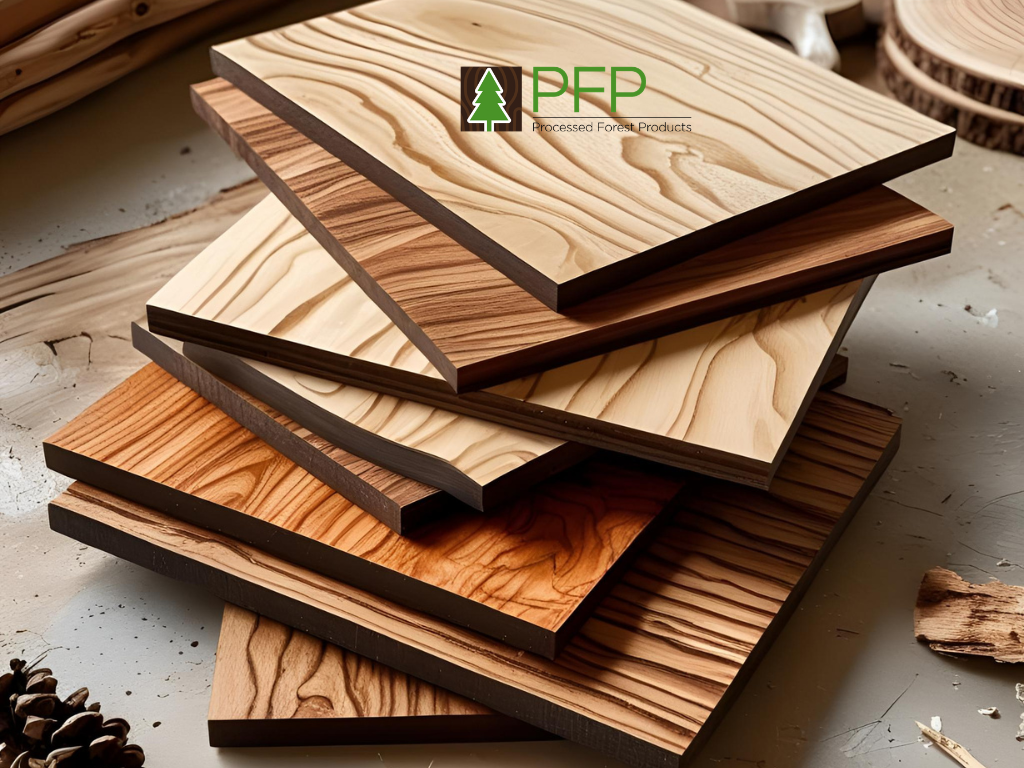
Choosing the right timber veneer suppliers can make the buying process much easier. A good supplier should help you understand product options, sheet sizes, panel types, species availability, lead times, and project suitability.
This matters because timber veneer is not always a simple off-the-shelf choice. Some products may need ordering, pressing, matching, finishing, or specialist handling.
Check product range, stock, and lead times
When comparing timber veneer nsw suppliers, ask what species are available and what formats they can provide. Some projects may need raw veneer sheets. Others may need timber veneer panels or a ready-to-use timber wood panel.
Lead time is also important. A small residential joinery job may need a quick order. A large commercial fitout may need enough panels from the same batch or matching range. If timing is tight, check stock and delivery dates before finalising the design.
It is also wise to ask about panel sizes, veneer thickness, substrate options, minimum orders, and handling requirements. These details can affect the final cost and the way the joiner plans the work.
Ask about technical support and project suitability
A supplier should be able to guide you on which product suits your project. This may include advice on veneer sheets, pressed panels, matching style, substrate choice, and finishing needs.
For Sydney and NSW projects, Forest Products can be a useful company to contact when comparing timber veneer options for interiors, joinery, furniture, wall panels, or commercial fitouts. This is especially helpful when you need support choosing timber veneer sheets, timber veneer panels, or a timber wood panel for a specific application.
Good supplier advice can help reduce mistakes. It can also help you choose a product that suits your design goal, budget, production process, and installation needs.
Choosing the Right Product or Service
The right timber veneer product depends on the project. A designer may focus on appearance and mood. A builder may focus on availability and installation. A cabinet maker may focus on pressing, cutting, edging, and finishing.
Bringing these needs together early can help the project run more smoothly. It also reduces the risk of choosing a veneer that looks good in a sample but does not suit the build.
Match the product to the application
Raw timber veneer may suit custom fabrication and specialist joinery. Pressed timber veneer panels may suit cabinets, doors, shelving, and wall panels. Finished panels may suit projects that need a faster installation process.
For a kitchen, you may need a veneer product that can handle regular use and cleaning. For a feature wall, the focus may be grain, colour, and panel layout. For a reception desk, durability and appearance both matter.
A timber veneer manufacturer or supplier can help explain which option fits your project. They can also help you understand which product may need extra work before installation.
Consider budget, waste, installation, and finishing
Budget should include more than the cost of the veneer. Also consider pressing, substrate, cutting, edging, sanding, coating, delivery, and installation. These items can affect the final project cost.
Waste should also be planned. Large panels, grain matching, and custom layouts may require extra material. This is normal in some projects, but it should be allowed for early.
Installation also needs care. Veneered panels should be handled properly to protect the face surface and edges. The joiner or installer should also understand the finish requirements before cutting or fixing the product.
When to Contact a Timber Veneer Supplier
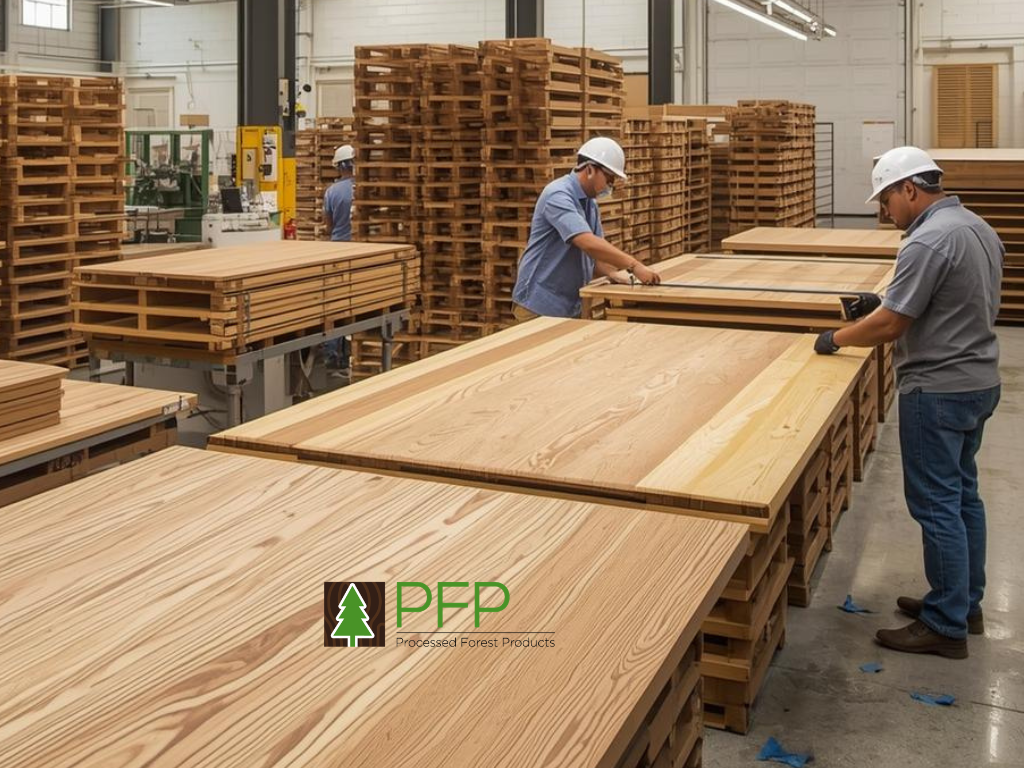
It is best to contact a supplier before the final material choice is locked in. Early advice can help with species selection, sheet size, panel format, lead time, and finish planning.
This can save time later. It can also help avoid changes once the joinery, wall panels, or furniture design has already been approved.
Contact a supplier before finalising materials
Contact a supplier when you know the basic project details. These may include the room type, surface area, preferred timber colour, panel size, finish goal, and timeline.
If you are working with a designer, builder, or cabinet maker, it may help to involve them in the conversation. This allows the supplier to suggest options that suit both the look and the construction method.
Early supplier input can also help with matching. If the project needs several doors, panels, or large visible surfaces, ask how the veneer can be selected and arranged for a consistent finish.
Contact a supplier when matching design, budget, and build needs
You should also contact a supplier if you are unsure which product suits your budget or application. A lower-cost option may not always be the best choice if it does not suit the finish, substrate, or installation method.
Before asking for pricing, prepare your key details. Include your project location, approximate panel sizes, preferred species, finish type, quantity, and timing. Also mention whether you need timber veneer sheets, timber veneer panels, or a timber wood panel.
This makes the discussion more useful. It also helps the supplier recommend a product that fits the design, production method, and project schedule.
Choosing timber veneer Sydney suppliers can provide is about more than finding a nice timber grain. It is about matching the right veneer product to the space, use, budget, finish, and build process. With the right advice, you can choose a timber surface that looks refined, works well, and suits the project from planning through to installation.