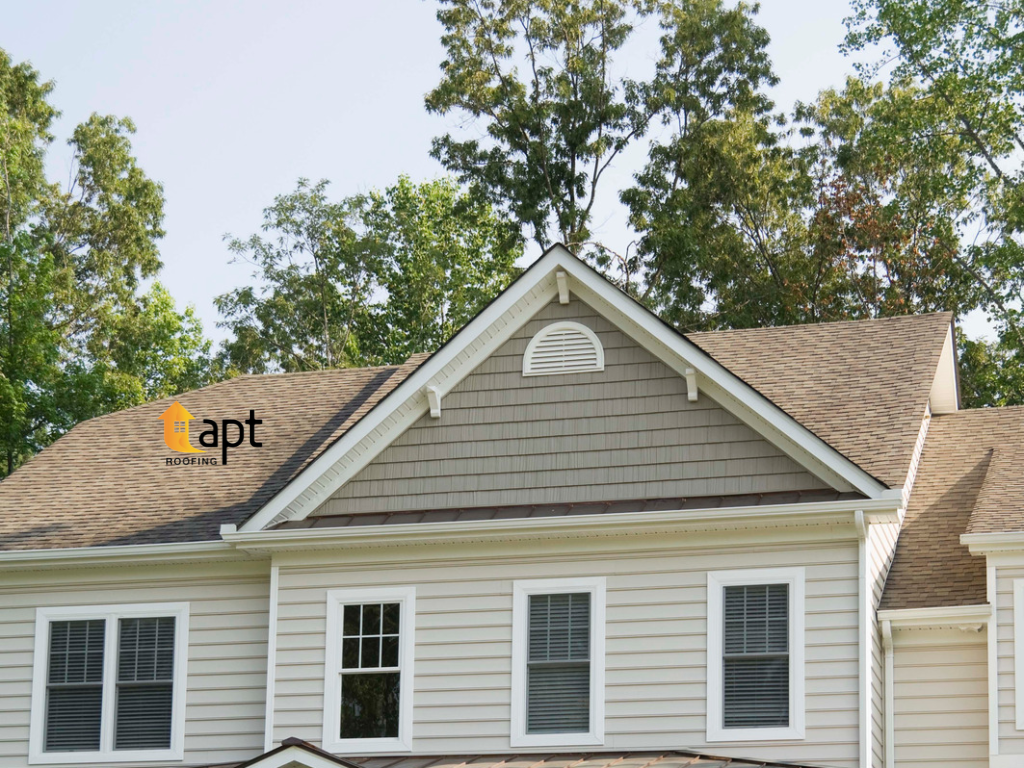
Heavy rain, strong winds and hail can cause unexpected damage to residential roofs across Sydney. Whether you have noticed missing tiles, water stains or a sudden leak, knowing when to arrange roofing repairs sydney services can help you protect your property and prevent further deterioration.
Storm damage is not always obvious. A roof may appear intact from the ground while damaged flashing, displaced tiles or loose metal sheets allow water to enter.
For Sydney and Western Sydney homeowners, the priority is to stay safe, identify visible problems, document the damage and arrange a professional inspection when necessary.
This guide explains what to do after severe weather, how roof repairs are assessed and what to consider when choosing a roofing contractor.
What Should You Do Immediately After a Storm Damages Your Roof?
Prioritising Safety Before Inspecting Roof Damage
Before checking your roof, make sure everyone inside the property is safe.
Stay away from fallen powerlines, damaged electrical fittings, unstable ceilings and areas where roofing materials may fall. If water has entered near electrical equipment, avoid the affected area and arrange advice from a licensed electrician.
Never climb onto a wet or storm-damaged roof. Loose tiles, damaged sheets and slippery surfaces create serious fall risks.
If the building appears structurally unsafe, stay outside and follow emergency service instructions.
For life-threatening emergencies, call 000. If your roof is damaged or leaking and you need emergency storm assistance, contact NSW SES on 132 500.
NSW SES can assist with emergency situations, but permanent roofing repairs should be arranged with an appropriate professional.
When to Arrange Emergency Roofing Repairs Sydney
Some roof problems require prompt attention because they can expose the property to further damage.
Active water entry, missing roof sections, loose metal sheets and damage around electrical installations are important warning signs.
A leak affecting ceiling insulation or electrical fittings may require urgent professional assessment.
When contacting a roofing contractor, describe the visible damage, when the storm occurred and whether water is still entering the building.
If emergency temporary protection is needed, discuss this with your insurer as soon as possible.
The aim of emergency roofing repairs sydney work is to make the property safe and limit additional damage until permanent repairs can be completed.
How Can You Identify Roof Damage After Heavy Rain, Wind or Hail?
Recognising Damaged Tiles, Metal Roofing and Flashing
Different roofing materials respond differently to severe weather.
Concrete and terracotta tiles may crack, shift or become dislodged during strong winds or hail.
Metal roofs may experience lifted sheets, damaged fasteners or problems around roof edges and penetrations.
Flashing around chimneys, skylights, vents and roof junctions can also be affected.
From a safe position on the ground, homeowners may notice missing tiles, displaced ridge capping or visible debris.
However, some problems cannot be identified without closer inspection.
Experienced roofers sydney homeowners engage can assess roofing materials, flashing and other areas where storm damage may have created water entry points.
Common Signs That Your Roof Is Leaking After a Storm
Roof leaks do not always appear directly below the damaged area.
Water can travel along roofing components, framing or insulation before becoming visible inside the home.
Common warning signs include ceiling discolouration, damp patches, dripping water, peeling paint and moisture around skylights.
A musty smell or recurring dampness may also suggest an unresolved moisture problem.
If water is entering your property, record where it appears and whether the problem becomes worse during heavy rain.
This information can help roof repairs sydney professionals investigate the possible source.
Avoid assuming that the first visible stain identifies the exact location of the roof defect.
How Should You Document Storm Damage for Insurance Purposes?

Taking Photos and Recording Damage Safely
Documenting storm damage can help homeowners explain what happened and support discussions with their insurer.
Once it is safe, take photographs or videos of visible roof damage from ground level and affected areas inside the home.
Record ceiling stains, water entry, damaged belongings and any roofing materials that have fallen onto the property.
Note the approximate date of the storm and when the damage was first noticed.
Keep photographs, relevant correspondence and receipts together.
The Insurance Council of Australia recommends recording damage before cleaning up, provided doing so is safe.
Do not enter unstable areas or climb onto the roof simply to obtain photographs.
Understanding Insurance Claims and Roof Inspection Reports
Contact your insurer as soon as practical after discovering storm damage.
Explain what happened and ask about the claims process, required documentation and arrangements for emergency repairs.
Your insurer may arrange an assessment or request information from a roofing professional.
A roof inspection report can help describe visible damage, possible causes and recommended repair work.
However, an inspection report does not guarantee that an insurance claim will be approved.
Coverage depends on the insurance policy, the cause of damage and the insurer’s assessment.
Before authorising repairs, including temporary emergency work where possible, speak with your insurer and request written approval when required.
A professional roof repairs service in sydney can help identify the repair scope, while insurance decisions remain with the insurer.
How Can You Prevent Further Water Damage While Waiting for Repairs?
Safe Temporary Measures to Reduce Water Entry
If water is entering your home, focus on actions that can be completed safely from inside the property.
Move furniture, electronics and valuable belongings away from affected areas where safe.
Containers may help collect minor drips, provided the ceiling remains stable and there are no electrical hazards.
Keep people away from sagging ceilings, exposed wiring and rooms where water is entering near electrical fittings.
Do not enter roof cavities or attempt to install temporary roof coverings yourself.
Roof tarping, removing damaged materials and working at height should be handled by appropriately equipped professionals.
For homeowners awaiting roofing repairs sydney services, temporary measures should reduce immediate risks without creating new hazards.
Why Temporary Fixes Cannot Replace Proper Roof Repairs
Temporary coverings may help limit water entry, but they do not necessarily address the underlying problem.
Storm damage can affect roof tiles, flashing, fasteners, ridge capping and drainage components.
A visible leak may also involve more than one defect.
Applying sealant without understanding the cause may conceal a problem rather than resolve it.
A qualified roofer in sydney can inspect the affected areas and recommend repairs suited to the roof’s condition and materials.
Proper assessment helps reduce the likelihood of repeated water entry after the next period of heavy rain.
What Roof Repairs May Be Needed After Storm Damage?

Common Residential Roof Repair Sydney Services
The repairs required after a storm depend on the roofing material and the extent of damage.
For tiled roofs, work may involve replacing cracked or missing tiles, repairing ridge capping or addressing damaged pointing.
Metal roofs may require repairs to affected sheets, fasteners or flashing.
Storm-damaged roof penetrations, gutters and roof valleys may also need attention.
A residential roof repair sydney inspection should identify the affected components and determine whether surrounding areas require further investigation.
Not every damaged roof needs extensive restoration.
Localised problems may be resolved through targeted repairs when the remaining roof is in suitable condition.
When Is Roof Repair Better Than Full Replacement?
Choosing between repair and replacement depends on more than the size of a visible leak.
A roof with isolated storm damage may only require specific materials or components to be repaired.
However, widespread deterioration, repeated leaks or substantial damage may justify considering replacement.
Roof age, existing condition, material availability and structural concerns can influence the recommendation.
Homeowners should ask for a clear explanation of the proposed work and why it is necessary.
When comparing roofing repairs sydney quotations, check whether they address the underlying problem rather than simply covering the visible symptoms.
A professional inspection can help establish whether repair or replacement is the more appropriate option.
How Do You Choose Reliable Roofing Contractors in Sydney?
What to Look for When Comparing Roofers Sydney Services
After severe weather, homeowners may receive several offers for roofing work.
Before engaging a contractor, check their experience with your roofing material and the type of damage involved.
Ask about relevant licences, insurance and how the repair process will be managed.
NSW homeowners can verify applicable contractor licences through the Service NSW licence-checking service.
It is also sensible to request a written quotation explaining the proposed work, materials and exclusions.
Avoid making decisions based solely on pressure to approve immediate, expensive repairs.
When comparing roofing contractors sydney property owners can consider, prioritise clear communication, appropriate credentials and a thorough explanation of the repair requirements.
Questions to Ask Before Booking a Roofing Repair Service
Before approving work, ask what the inspection will cover and whether the contractor will investigate the likely cause of water entry.
Find out which materials require repair or replacement and whether surrounding roof areas will also be checked.
Confirm what is included in the quotation, along with access requirements, waste removal and any applicable workmanship warranties.
Ask whether additional costs could arise if concealed damage is discovered.
If the work relates to an insurance claim, clarify what documentation the contractor can provide.
Apt Roofing is one option Sydney homeowners can consider when enquiring about roofing repairs and inspection requirements.
As with any provider, confirm the services offered, relevant credentials, availability and proposed scope before proceeding.
Choosing the right roofing repairs sydney service should involve understanding the problem and comparing suitable repair options, not simply accepting the lowest quotation.
How Can Sydney Homeowners Reduce Future Storm Damage?

Planning Regular Roof Maintenance in Sydney
Regular roof maintenance can help identify developing problems before they lead to significant water damage.
Over time, roofing materials, flashing, ridge capping and drainage components may deteriorate.
Blocked gutters and downpipes can also interfere with drainage during heavy rainfall.
Homeowners should look for visible changes from ground level and arrange professional inspections when concerns arise.
Older tiled roofs may require attention to damaged tiles or deteriorated pointing, while metal roofs may need checks around fasteners, flashing and sheet condition.
Appropriate roof maintenance in sydney can support the long-term condition of a property, although no maintenance programme can guarantee protection from severe storms.
Creating a Storm-Ready Roof Maintenance Plan
A practical maintenance plan begins with understanding the condition of your roof.
Keep records of previous inspections, completed repairs and any recurring problems.
Address known leaks or damaged roofing components before they worsen.
Arrange professional gutter and roof inspections when needed, particularly after significant storms.
Properties with nearby trees may also require attention to accumulated leaves and branches, with tree work handled by suitable professionals.
If you notice missing tiles, damaged flashing or water entering your home after severe weather, arrange an appropriate inspection rather than waiting for the next storm.
For homeowners considering roofing repairs sydney services, Apt Roofing can be contacted to discuss the property’s condition, relevant repair requirements and available next steps.
Taking a careful approach after storm damage helps protect your home, supports informed insurance discussions and makes it easier to choose repairs that address the actual problem.
By prioritising safety, documenting damage and obtaining professional advice, Sydney homeowners can respond confidently without committing to unnecessary roofing work.