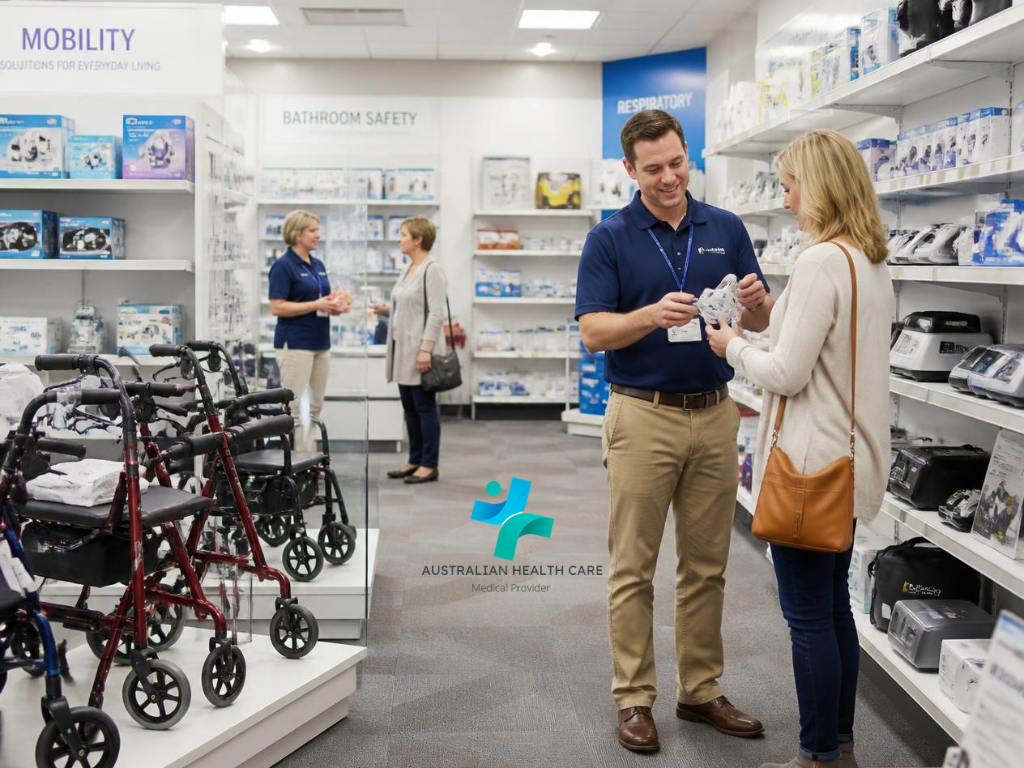
Medical equipment store options can include both buying and renting, giving customers different ways to access equipment for recovery, mobility and ongoing home care. Choosing the right option depends on how long the equipment is needed, how often it will be used, the level of maintenance involved and whether the item is suitable for reuse.
When comparing a medical equipment store in Australia, it is important to consider the person’s individual needs rather than focusing only on price. Someone recovering from surgery for a few weeks may need equipment temporarily, while another person may rely on mobility or home-care equipment every day. Mobility aids may be purchased or rented, and eligible Australians may also be able to access certain equipment through government programs. Healthdirect advises that mobility aids should suit the individual and be fitted or installed safely. Choosing between buying and renting is therefore about more than the lowest upfront cost. The better option should match the expected period of use, the person’s daily needs and the responsibilities involved in cleaning, servicing and maintaining the equipment.
How a medical equipment store can compare short and long-term use
A medical equipment store may offer rental when the equipment is only needed temporarily.
For example, someone recovering from surgery or injury may need a wheelchair, walking aid or other equipment for several weeks or months rather than permanently.
The NDIS also recognizes circumstances where renting assistive technology can make sense, including short-term use, rapidly changing needs, waiting for a replacement item or trialing equipment before making a longer-term decision.
Buying may make more sense when equipment is expected to be used regularly over a longer period.
The important comparison is the total value over the expected period of use rather than the upfront price alone.
Why a medical equipment store should consider the user’s daily routine
A medical equipment store should also consider how often the person will use the equipment and where it will be used.
Someone who needs support several times each day may value having their own equipment permanently available.
A person who only needs temporary assistance may prefer not to store, maintain or eventually dispose of equipment once recovery is complete.
The user’s home environment also matters.
Equipment may need to fit through doorways, around furniture or into bathrooms and bedrooms safely.
Where mobility needs are complex, Healthdirect recommends assessment by a healthcare professional such as an occupational therapist, physiotherapist, nurse, GP or specialist.
Compare Upfront Cost With Ongoing Value
A medical equipment store can help customers compare purchase costs with ongoing rental fees.
Neither option is automatically cheaper in every situation.
How a medical equipment store can compare purchase and rental costs
A medical equipment store comparison should consider the expected rental period as well as any delivery, servicing, setup or collection charges.
A lower weekly rental price can appear attractive, but long-term rental may eventually cost more than purchasing the equipment outright.
On the other hand, buying an expensive item that is only needed for a short recovery period may not represent good value.
Rental can also reduce the need to find a buyer, storage space or disposal option once the equipment is no longer required.
For NDIS participants, rental may also be considered where it represents better value for money and suits the participant’s support needs.
When a medical equipment store purchase may offer better long-term value
A medical equipment store purchase may make more sense when the equipment will be used frequently for months or years.
Ownership can provide continuous access and avoid repeated rental payments.
It may also make it easier to choose accessories, replacement parts or a model that suits the person’s long-term preferences.
However, ownership also means considering maintenance, cleaning and eventual replacement.
A good comparison should therefore look at the full expected life of the equipment rather than just the purchase price.
Choose the Right Option for Temporary Recovery
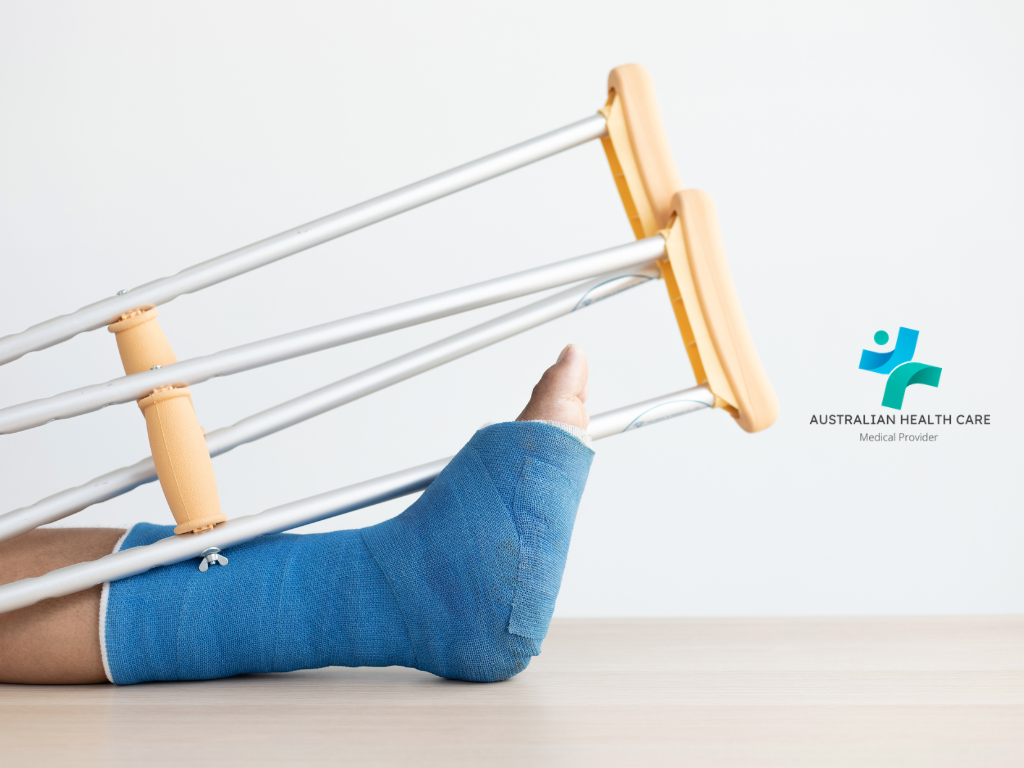
A medical equipment store may be particularly useful for people who need support while recovering from surgery, injury or a temporary health condition.
Rental is often worth considering when the recovery period is reasonably predictable.
How a medical equipment store can support short-term equipment needs
A medical equipment store may offer rental for larger equipment that would otherwise be expensive to purchase for temporary use.
Healthdirect notes that mobility aids may be useful during recovery from surgery or injury and that some types can be rented or accessed temporarily.
The person should still choose equipment that suits their mobility and home environment.
Temporary use does not remove the need for correct fitting or safe setup.
Where the equipment affects walking, transfers or balance, professional advice can help reduce the risk of using something unsuitable.
When a medical equipment store may recommend buying instead
A medical equipment store may recommend purchasing smaller personal-use products even when they are only needed for a limited period.
Items such as a urinary bottle, some urology supplies or certain personal accessories may be more practical to own because they are inexpensive, personal or difficult to reuse hygienically.
A medical tens machine may also be purchased rather than rented in some situations, although people should follow the manufacturer’s instructions and seek health professional advice where appropriate.
The TGA advises consumers to be careful when purchasing medical devices online and notes that some devices should only be used with guidance from a qualified health professional.
Consider Hygiene, Maintenance and Equipment Condition
A medical equipment store comparison should also include hygiene and maintenance.
This becomes particularly important when products come into close contact with the body or are used in bathrooms and other high-moisture environments.
How a medical equipment store should manage cleaning and maintenance
A medical equipment store offering rental equipment should have clear procedures for cleaning, inspecting and maintaining reusable products.
Customers should ask whether the equipment has been checked before delivery and who is responsible for servicing during the rental period.
For powered equipment, it is also worth confirming what happens if the item develops a fault.
Rental agreements should explain responsibilities clearly.
NDIS guidance also encourages people renting assistive technology to ask providers about their rental policies and to understand the terms and conditions before proceeding.
Why a medical equipment store may favor ownership for personal items
A medical equipment store may consider ownership more suitable for products that are highly personal.
Some bathroom medical equipment, urology supplies and hygiene-related items may not be appropriate for repeated use by different people.
A urinary bottle is a clear example of a product that would normally be considered personal-use equipment.
Medical bench seats and other larger bathroom products may be reusable depending on design and supplier procedures, but customers should still ask about hygiene, condition and installation.
The decision should reflect both safety and practicality rather than price alone.
Compare Options for Mobility and Home Safety
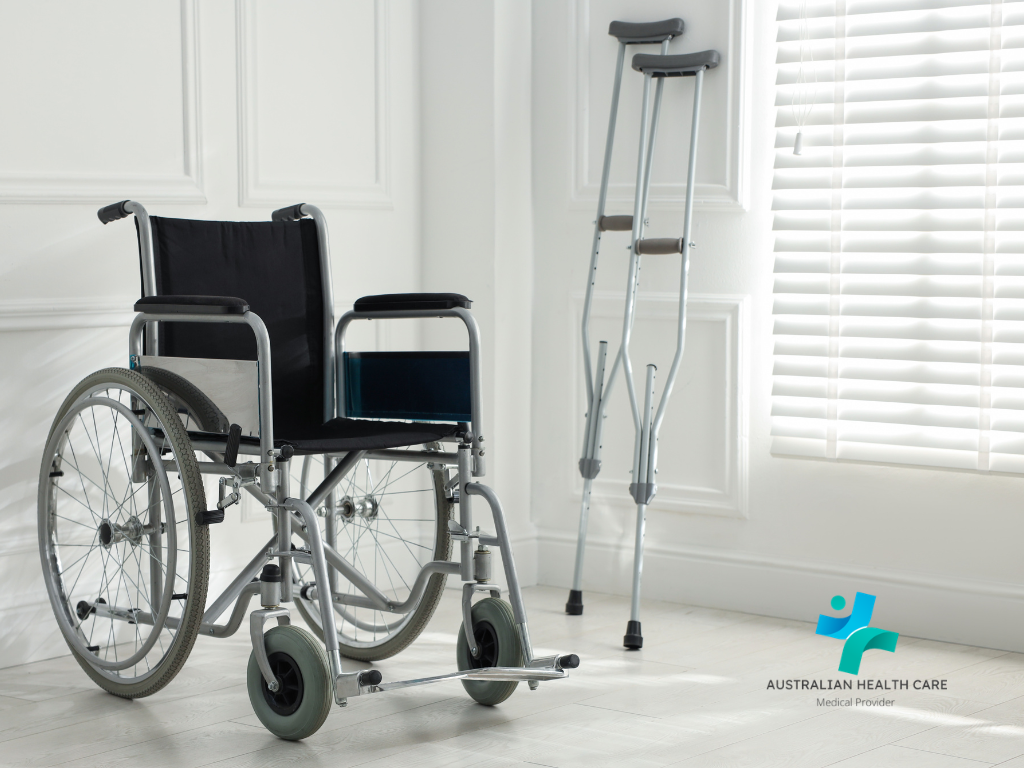
A medical equipment store may offer a wide range of mobility and home-safety products.
These can include walking aids, wheelchairs, bathroom supports, seating products and other assistive equipment.
How a medical equipment store can help with mobility aids Parramatta
A medical equipment store supplying mobility aids Parramatta customers may help compare whether a walking frame, wheelchair or other mobility product is better rented or purchased.
The expected duration of use is important, but suitability matters just as much.
Healthdirect notes that mobility aids can improve independence and make everyday activities safer, but they need to be selected and fitted appropriately.
For Western Sydney customers, it can be useful to ask about delivery, setup, servicing and whether the equipment can be trialled before a long-term purchase.
A trial can be particularly helpful where comfort, manoeuvrability or fit is uncertain.
How a medical equipment store can compare bathroom and seating equipment
A medical equipment store may also supply bathroom medical equipment and medical bench seats designed to support safer daily routines.
Before purchasing or renting these products, customers should consider available space, user weight, stability, height adjustment and whether professional installation is required.
Bathrooms can present particular fall risks because surfaces may become wet or slippery.
Equipment should therefore be selected for the individual and positioned safely.
A product that fits one bathroom or user may not be appropriate for another.
Think About Caregiver and Monitoring Needs
A medical equipment store may also supply equipment designed to support carers and family members.
These products can be useful where someone needs a simple way to request assistance.
How a medical equipment store can support caregiver communication
A medical equipment store may stock products similar to caregiver pager Australia systems that allow a person to alert a caregiver from another room.
These systems can be useful in some home-care situations, particularly where the person can activate an alert independently.
The appropriate system depends on the home layout, expected range and whether the caregiver needs audible, vibrating or portable alerts.
Customers should check product specifications carefully rather than assume every system works across the same distance or environment.
When a medical equipment store should consider ongoing support needs
A medical equipment store comparison should also consider batteries, replacement parts and technical support.
Some equipment requires very little maintenance, while powered products may need charging, servicing or replacement components.
If equipment is rented, customers should ask who is responsible when something stops working.
If it is purchased, they should check warranty details and whether replacement parts are readily available.
Long-term ownership becomes much more practical when support remains available after the initial purchase.
Make a Safe and Practical Final Decision
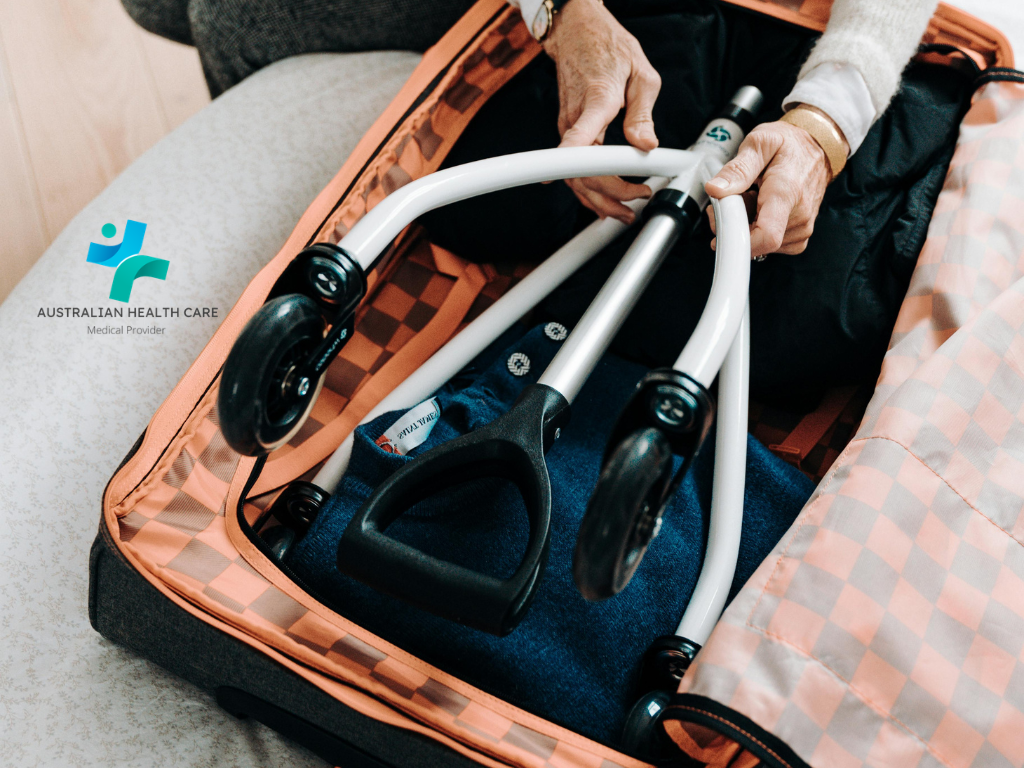
A medical equipment store should make it easier to compare products without pressuring customers towards the most expensive option.
The right decision depends on the person, the equipment and the expected period of use.
What to ask a medical equipment store before buying or renting
Before proceeding, ask the medical equipment store about the condition of the equipment, what accessories are included and who is responsible for servicing.
For rentals, customers should understand minimum rental periods, deposits, collection arrangements and what happens if the item is damaged or no longer required.
For purchases, check warranty details, returns, replacement parts and product instructions.
Consumers buying medical devices online should also be cautious about unknown or unverified suppliers. The TGA warns that online medical devices can present safety risks and advises seeking professional guidance where there is uncertainty about a health product.
How a medical equipment store can help match equipment to the user
A medical equipment store can help narrow the available options, but more complex mobility or assistive equipment may still require professional assessment.
Healthdirect advises that healthcare professionals can assess mobility needs and suggest appropriate aids.
Australian Health Care can be useful for people comparing medical and home-care products, particularly where they want to understand the available equipment before deciding what suits their circumstances.
The final choice between buying and renting should consider duration, safety, hygiene, maintenance and total cost.
For temporary recovery or changing needs, rental can provide flexibility. For regular long-term use or personal-use products, ownership may be more practical.
A good medical equipment store should help customers understand those differences so they can choose equipment that suits the person rather than simply choosing the lowest upfront price.