Custom trailers can solve problems that standard models do not address well. A tradesperson may need secure tool storage and quick side access. A motorcycle owner may need a low loading angle, wheel restraints and protected gear space. A mobile business may need internal shelving, power and a layout that supports daily work.
However, a successful custom build begins long before fabrication.
The buyer needs to define what the trailer will carry, how it will be loaded and which vehicle will tow it. Size, weight, access, storage, brakes, tyres and registration requirements all affect the final design.
The goal should not be to add every possible feature. It should be to create a trailer that performs its job safely and remains practical to tow, load, maintain and store.
List the loads and equipment it must carry
Begin with a clear list of everything the trailer must transport.
This may include tools, machinery, motorcycles, landscaping equipment, furniture, business stock or camping gear. Record the approximate weight and dimensions of the largest items.
Do not base the design only on the equipment you use today. Consider whether the load may change over the next few years.
A tradesperson may add larger tools or more stock. A recreational user may upgrade to a heavier motorcycle or carry extra equipment. These changes can affect payload, storage and access.
The trailer builder also needs to know how each item will enter and leave the trailer.
Heavy machinery may require a reinforced ramp. Long materials may need roof racks or internal channels. Small tools may need drawers or enclosed shelves.
These details help turn a general idea into a usable custom trailer specification.
Consider how often and where it will be used
A trailer used every day may need different features from one used several times a year.
Frequent commercial use can place more stress on hinges, doors, flooring, suspension and storage systems. Easy access may also matter more when tools move in and out several times each day.
Think about the roads and locations involved.
Urban work may require a compact design that is easier to park. Regional or unsealed-road travel may place more importance on ground clearance, dust protection and suitable suspension.
Long-distance use can make weight, aerodynamics and towing stability more important.
Storage conditions should also shape the design. A trailer kept outdoors may need stronger weather sealing and corrosion protection. One stored in a low garage may need a strict height limit.
The intended environment should guide the build rather than being treated as an afterthought.
Match the Trailer to the Towing Vehicle
The towing vehicle sets important limits for the trailer design.
Check the vehicle manufacturer’s stated towing capacity. Confirm whether the limit applies to a braked or unbraked trailer.
The towbar and coupling also have rated capacities. These may differ from the vehicle’s maximum towing figure.
The loaded trailer must stay within the lowest relevant limit. This includes the towing capacity of the vehicle, the rating of the towbar and coupling, the trailer’s carrying capacity and the tyre ratings.
NSW towing guidance states that the loaded mass must not exceed the lowest of these limits. This principle helps prevent a trailer from being designed around a capacity the tow vehicle cannot legally or safely manage.
Ask the builder to explain which rating controls the proposed setup.
A larger trailer is not useful when the intended vehicle cannot tow it at full load.
Plan for the fully loaded weight
Trailer weight involves more than the items placed inside it.
Tare mass refers to the trailer’s empty mass in its completed condition. Payload is the weight that can still be added without exceeding the permitted limit.
Aggregate trailer mass generally refers to the total mass of the loaded trailer when it is not connected to the towing vehicle. Gross trailer mass refers to the mass carried through the trailer’s wheels when connected for the exact application to the proposed build].
Permanent accessories add to the trailer’s empty weight.
Shelving, toolboxes, spare wheels, batteries, water tanks, ramps and roof racks all reduce the remaining payload.
A build can therefore look spacious while offering less usable carrying capacity than expected.
Ask for an estimated tare mass during the design stage. The final figure may need confirmation after the build, depending on the registration process and available manufacturer information.
Leave a reasonable margin rather than planning to operate at the maximum rating every day.
Choose the Right Size and Layout
Plan internal dimensions and access points
External trailer size does not always show how much usable room is available.
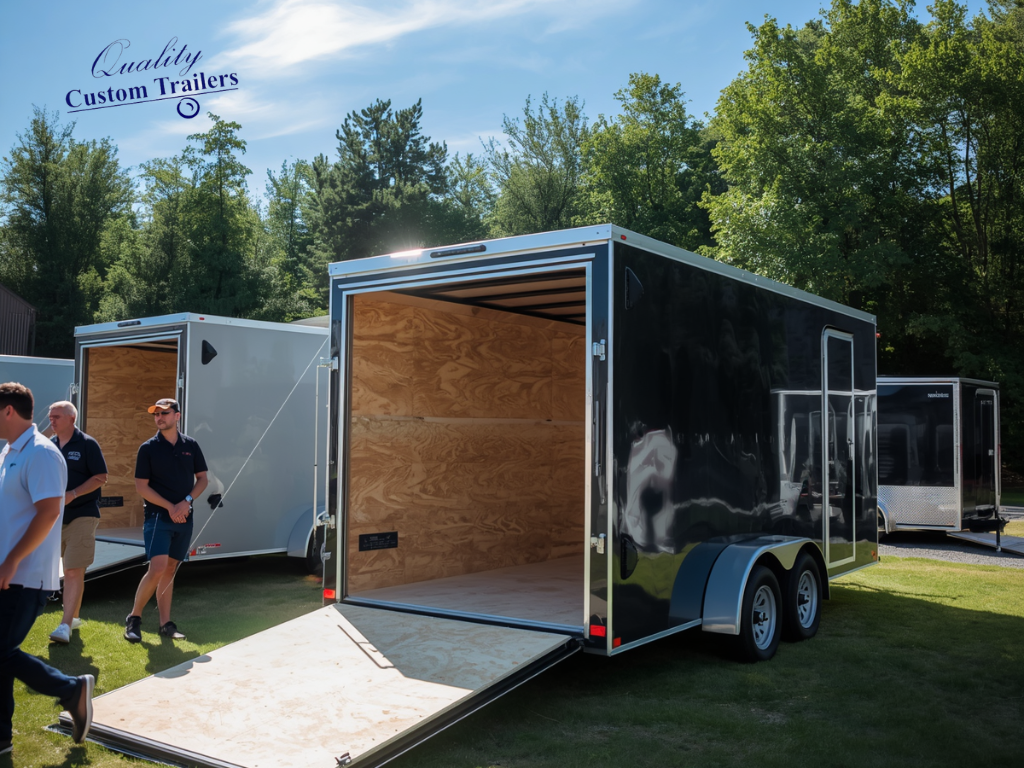
Wheel arches, framing, internal linings and doors can reduce the clear floor space. Measure the largest items and confirm the internal dimensions required around them.
Loading clearance matters as much as storage space.
A motorcycle trailer may need enough height for the rider to move safely inside. Machinery may need a ramp wide enough for its tyres or tracks.
Side doors can provide quick access to tools without unloading equipment from the rear. A front access door may make it easier to reach stored items when the trailer is full.
Door position should reflect how the trailer will be parked and used.
A wide rear ramp may be difficult to open in a small worksite. Large side doors may need extra space beside the trailer.
Review the layout as a daily workflow rather than only as a drawing.
Position weight and storage carefully
Where the load sits can affect towing behaviour.
Heavy items should not simply be placed wherever they fit. Their position affects axle loading, drawbar load and balance.
Too much weight at the rear may reduce stability. Excessive weight at the front can overload the towbar or the rear axle of the towing vehicle.
The builder should plan axle placement and storage locations around the expected load.
Heavy equipment may need fixed mounting points. Shelving should not encourage all dense items to sit high on one side.
Frequently used tools should remain easy to reach without disrupting balance.
Unique custom trailers often include specialised storage, but each feature still needs to work within the trailer’s mass and balance limits.
Tell the builder which items are permanent and which will move between jobs. This helps create a more realistic layout.
Select Practical Build Features
Materials should suit the trailer’s use and environment.
Flooring may need to handle point loads, rolling equipment, moisture, oil or frequent cleaning. A decorative surface may not suit machinery or daily commercial work.
Wall construction should support any shelves, restraints or mounted equipment.
An enclosed trailer needs suitable sealing around doors, roof joints and openings. However, no enclosed system should be assumed to be completely watertight under every condition unless the builder provides a specific tested claim.
Ventilation may be important where the trailer carries fuel-powered equipment, batteries, chemicals or heat-producing devices. Specialist requirements should be reviewed for the actual load.
Coastal use may also increase exposure to corrosion.
Ask which materials and finishes the builder recommends and why. The answer should relate to the trailer’s intended use, not only appearance.
Add storage, lighting and load restraint
Well-planned storage can save time and reduce loose equipment.
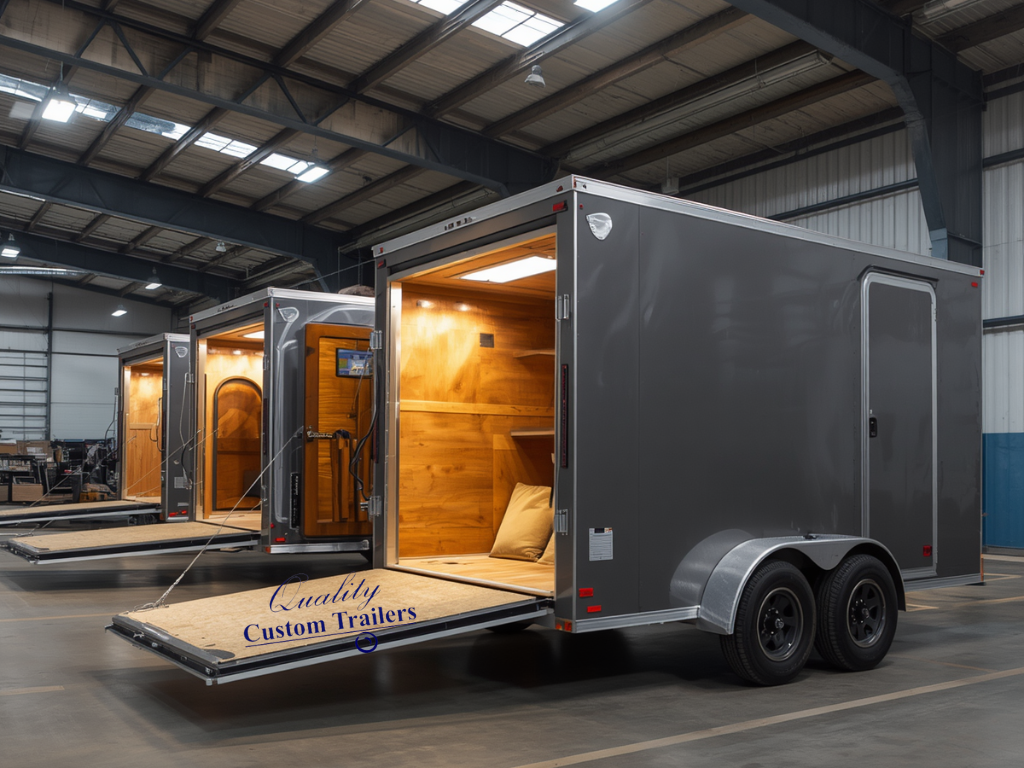
Shelving may suit boxes and supplies. Drawers can organise smaller tools. Enclosed cupboards may protect valuable items from view.
Every storage feature adds weight, so the layout should remain practical.
Load-restraint points should suit the equipment being carried. Their position and rating matter more than simply adding a large number of tie-down rings.
Motorcycles, machinery and wheeled equipment may need dedicated restraints or wheel stops.
Internal lighting can improve access during early mornings, evenings and enclosed loading. Exterior work lights may also help, but they need suitable placement and power arrangements.
Some custom made trailers include batteries, charging systems, inverters or external power connections. These electrical systems should be designed and installed for their intended use by appropriately qualified people where required.
Security can include strong locks, protected hinges and concealed storage. No trailer can guarantee complete theft prevention, so owners should also consider parking, tracking and insurance.
Review Safety, Registration and Compliance
Confirm brakes, lights, tyres and coupling requirements
Safety components must suit the trailer’s mass and use.
The coupling should match the trailer and towbar rating. Safety chains, lights, reflectors, tyres and braking systems must meet the applicable requirements.
Brake requirements change with trailer mass and configuration. The builder should identify what system applies to the proposed ATM and provide details in the quote.
Tyres need enough load capacity for the trailer when fully loaded. Their combined rating should not be treated as a reason to exceed the trailer’s own approved mass.
Lighting should remain visible and correctly positioned. The electrical connection must also match the towing vehicle.
Current VSB 1 Revision 6 assists Australian manufacturers with the ADR requirements that apply to common low-ATM trailers of 4.5 tonnes or less.
Buyers do not need to interpret every technical rule themselves. However, they should ask the builder to confirm how the trailer will meet the standards that apply to its design.
Check VIN, RAV and registration documents
A new trailer needs the correct identity and compliance information before it can be registered.
For relevant new trailers supplied under the current system, this may include a 17-character VIN, a compliant vehicle plate and an entry on the Register of Approved Vehicles.
In NSW, the trailer plate for applicable newer trailers includes information such as the manufacturer, model, VIN, manufacturing date, aggregate trailer mass, gross trailer mass and tare mass.
A trailer without the required identification or RAV entry may fail an inspection and may not be eligible for registration.
Registration requirements can vary according to the trailer’s age, mass, origin and modification history.
Before final payment, ask what documents and identification the builder will provide. Confirm whether registration, inspection or weighbridge costs form part of the quoted price.
Where the buyer must complete registration separately, the builder should explain the expected process without presenting legal or registration advice beyond its expertise.
Choose the Right Custom Trailer Company
A useful quote should describe the trailer clearly.
It should identify the proposed dimensions, ATM, estimated tare, axle arrangement, brakes, tyres, coupling, flooring, walls, doors and major accessories.
Ask for a drawing or layout where the build contains specialised storage or access.
The quote should also state what is not included. Registration, delivery, electrical accessories, spare wheels or internal fit-out may appear as separate costs.
Compare materials and component models rather than looking only at the final price.
One custom trailer company may use different suspension, tyres, locks or finishes from another. These details can affect durability, maintenance and replacement costs.
Ask how design changes will be approved after fabrication begins.
A written change process helps prevent confusion about price, weight and delivery time.
Review warranty and after-sales support
Warranty terms should cover both workmanship and supplied components.
The builder may provide one form of coverage for fabrication and separate manufacturer warranties for parts such as brakes, couplings, lights or electrical equipment.
Ask who handles a fault and where the trailer must go for inspection.
The terms should also explain whether modifications by another business could affect coverage.
Australian Consumer Law may apply to trailers bought for personal use and to some business purchases. The ACCC notes that a business can still qualify as a consumer in certain cases, including when it buys a vehicle or trailer mainly to transport goods on public roads.
These automatic rights operate separately from a written warranty.
Keep the quote, approved design, invoice, registration records and warranty documents.
A reliable supplier should explain the support process clearly rather than relying on broad statements such as lifetime quality or guaranteed durability.
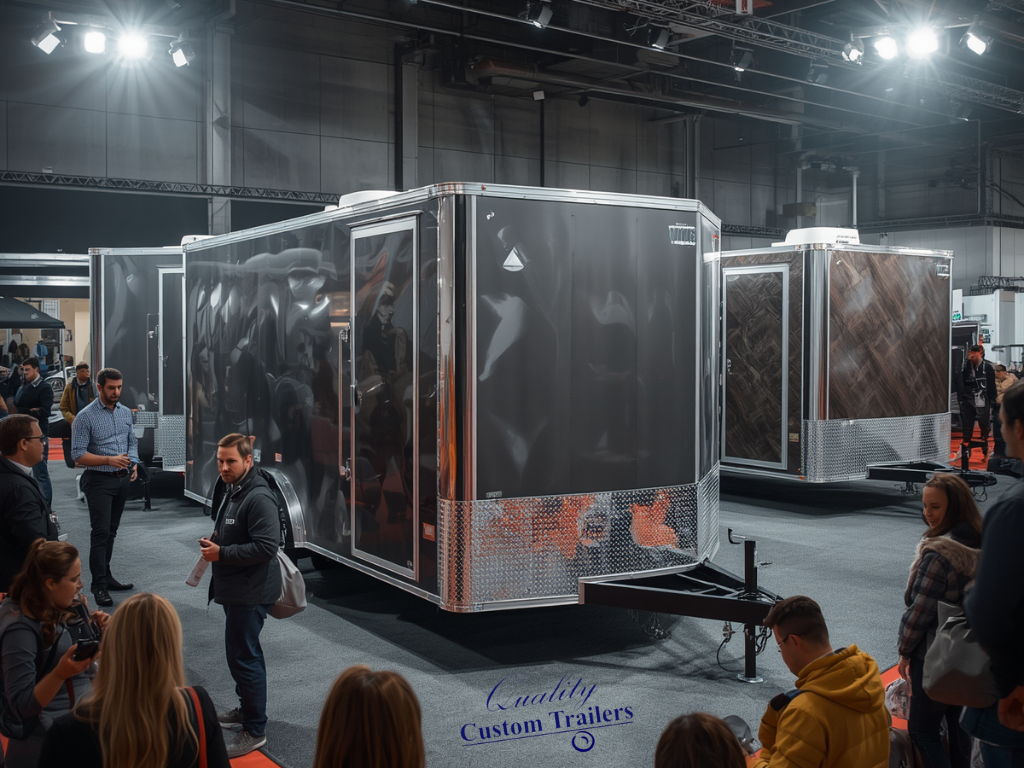
When to Contact Quality Custom Trailers
Request design help before finalising the build
Contact Quality Custom Trailers when a standard model does not match the load, access or storage requirements.
Prepare details about what the trailer must carry. Include approximate weights, dimensions and the way each item will be loaded.
Provide the make and model of the towing vehicle. Mention the rated towing capacity and towbar details where known.
Explain how often the trailer will be used and whether it will travel on highways, urban streets, worksites or unsealed roads.
It is also useful to share storage limits, such as garage height or available parking space.
Quality Custom Trailers can use this information to discuss whether an existing design, an adjusted model or a fully custom trailer may be suitable.
The consultation should result in clearer specifications rather than only a general price estimate.
Confirm price, timing and documentation
Before approving the build, request a written quotation.
Check the stated dimensions, mass ratings, materials, running gear and included accessories. Confirm how later changes will affect the cost and completion date.
Ask whether the proposed build is one of the company’s custom trailers for sale or a new design made for the order.
Confirm the expected build period, payment stages and collection or delivery arrangements.
The company should also explain which compliance, VIN, RAV, inspection and registration documents it will provide.
Buyers searching for custom built trailers near me should compare more than distance. A nearby builder is valuable when it provides clear design advice, documented specifications and practical support after delivery.
A well-planned custom trailer should fit the load, towing vehicle and daily workflow. Defining those requirements early can reduce costly changes and create a trailer that remains useful for years.