Choosing the right cnc cutting services can make a big difference to the quality, fit, cost, and timing of a metal project. Whether you need brackets, panels, cabinets, guards, frames, enclosures, signage parts, machine components, or custom sheet metal parts, the cutting process should match the material and the job.
A good result starts before the machine begins cutting. It starts with clear drawings, the right material, accurate measurements, realistic tolerances, and a supplier who understands how the part will be used.
This is especially important for businesses that need repeatable parts, clean edges, accurate profiles, or components that need to be folded, welded, finished, or assembled after cutting.
Avoid delays, rework, and poor fit
Many project problems happen because details are unclear before production starts. A drawing may be missing dimensions. A material grade may not be confirmed. A tolerance may be too tight for the intended use. A part may need folding, but the bend allowance has not been considered.
These issues can lead to rework, wasted material, delayed delivery, or parts that do not fit during installation.
A good supplier should help you identify these details early. This does not mean they need to redesign the whole project, but they should ask useful questions before cutting begins.
What Do CNC Cutting Services Usually Include?
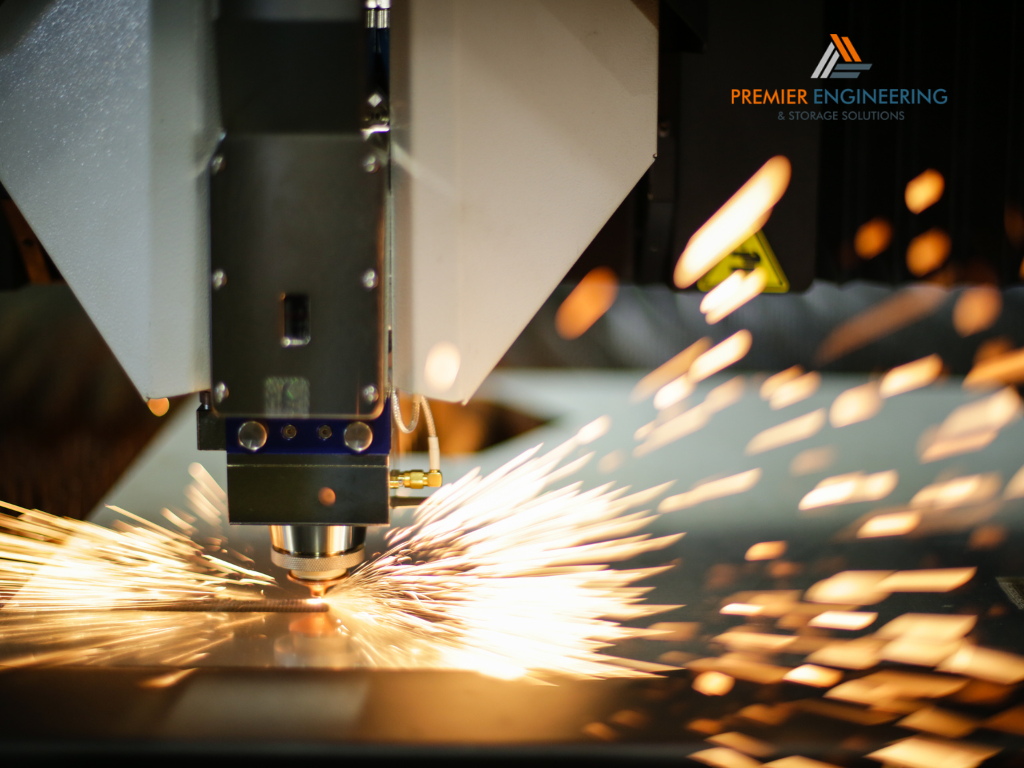
CNC cutting uses computer-controlled equipment to cut materials into planned shapes and sizes. The process can support accurate, repeatable parts for commercial, industrial, construction, manufacturing, and custom fabrication projects.
However, the service is often more than just cutting. Many projects also need preparation, checking, finishing, or extra fabrication steps.
From drawings to cut parts
The process usually starts with a drawing, CAD file, or clear project brief. The supplier may review the file, check dimensions, confirm material, and prepare the job for cutting.
Depending on the project, the process may include:
- File review
- Material selection
- Sheet size planning
- Part nesting
- Cutting
- Deburring
- Quality checks
- Packing
- Pickup or delivery
Good communication matters here. If a drawing is unclear, it is better to ask questions before the job starts than to discover a problem after the part has been cut.
When fabrication support is needed
Some projects need more than flat cut parts. They may need folding, bending, punching, welding, drilling, finishing, or assembly.
This is where cnc sheet metal fabrication becomes useful. Instead of treating cutting as a separate task, fabrication support can help turn a flat sheet into a finished or semi-finished part.
For example, an electrical cabinet may need cutting, punching, folding, and hardware points. A machine guard may need cut panels, bends, brackets, and finishing. A storage unit may need repeated parts that fit together correctly.
If your project needs multiple steps, ask whether the supplier can support the full workflow.
CNC Cutting vs Metal Punching: Which Should You Choose?
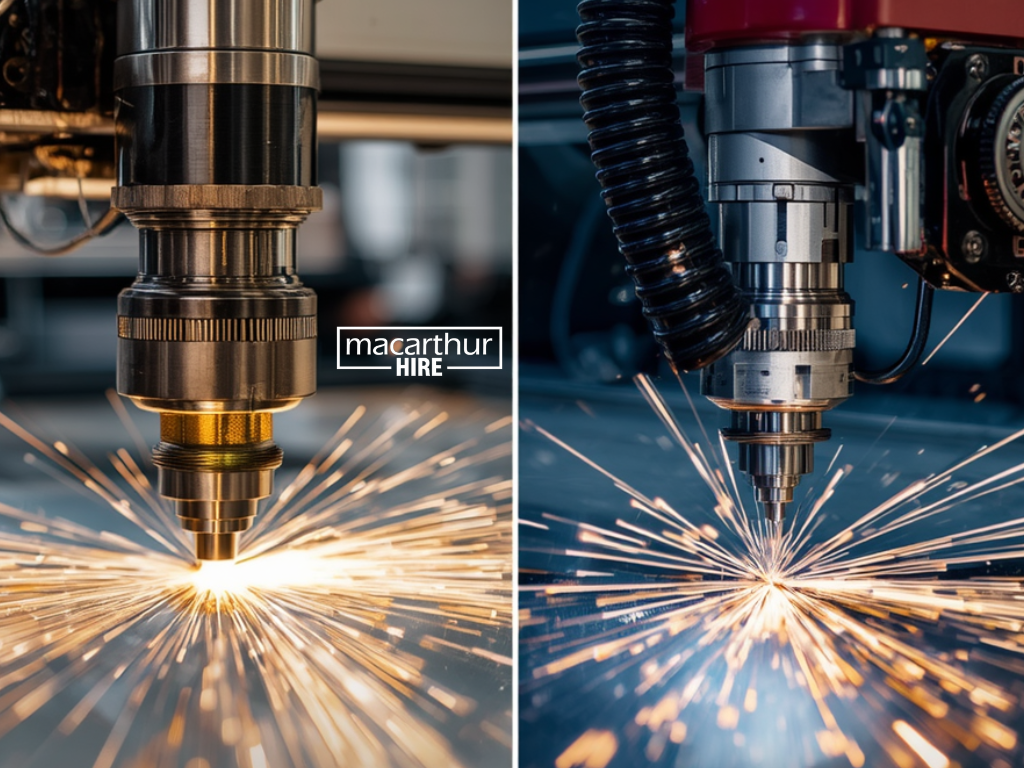
CNC cutting and metal punching can both be useful, but they suit different project needs. The right choice depends on the design, material, quantity, hole pattern, edge finish, and production method.
This is why it helps to understand the difference before requesting a quote.
When CNC cutting is useful
CNC cutting is useful for custom profiles, detailed shapes, prototypes, varied parts, and projects where the design may not suit standard tooling.
It can be a good option for:
- Custom brackets
- Machine parts
- Panels
- Guards
- Base plates
- Signage components
- Decorative screens
- One-off or low-volume parts
- Parts with complex outer profiles
It can also support projects where flexibility is important. For example, if your design may change after testing, CNC cutting can make it easier to adjust the file before the next run.
When Metal punching services may be better
Metal punching services may be better when the job involves repeated holes, slots, louvres, vents, knockouts, or standard shapes in sheet metal.
Punching can be useful for:
- Electrical panels
- Cabinet parts
- Ventilation panels
- Repeated hole patterns
- Mounting slots
- Perforated designs
- Sheet metal enclosures
- Production runs
A cnc punching service may be more efficient when the design uses many repeated features. It can also suit parts that need forming features, depending on the tooling and machine capability.
The best option is not always obvious from the drawing alone. If you are unsure, ask the supplier whether cutting, punching, or a combination of both will suit the job better.
What Should You Prepare Before Requesting a Quote?
A clear quote request helps the supplier understand the job properly. It can also reduce delays, back-and-forth questions, and pricing confusion.
You do not always need a perfect technical file to start a conversation. However, the more details you provide, the easier it is to receive useful advice.
Drawings, files, and measurements
Try to provide a CAD file, technical drawing, sketch, or sample part. Include key dimensions, hole sizes, material type, thickness, and quantity.
Useful details may include:
- Part name or description
- Overall dimensions
- Material type
- Material thickness
- Required quantity
- Hole sizes and positions
- Tolerances
- Bend or fold requirements
- Finish requirements
- Delivery or pickup needs
If the part must fit with another component, mention that early. Fit-up requirements can affect tolerances, hole positions, bends, and finishing.
Finish, delivery, and project timing
Finishing can affect the final part. Some parts may need deburring, smoothing, powder coating, painting, plating, or welding. Others may only need to be cut and supplied as raw material.
Timing should also be discussed early. If the project has a fixed installation date, production deadline, or staged delivery requirement, let the supplier know before quoting.
How to Choose the Right CNC Cutting Product or Service
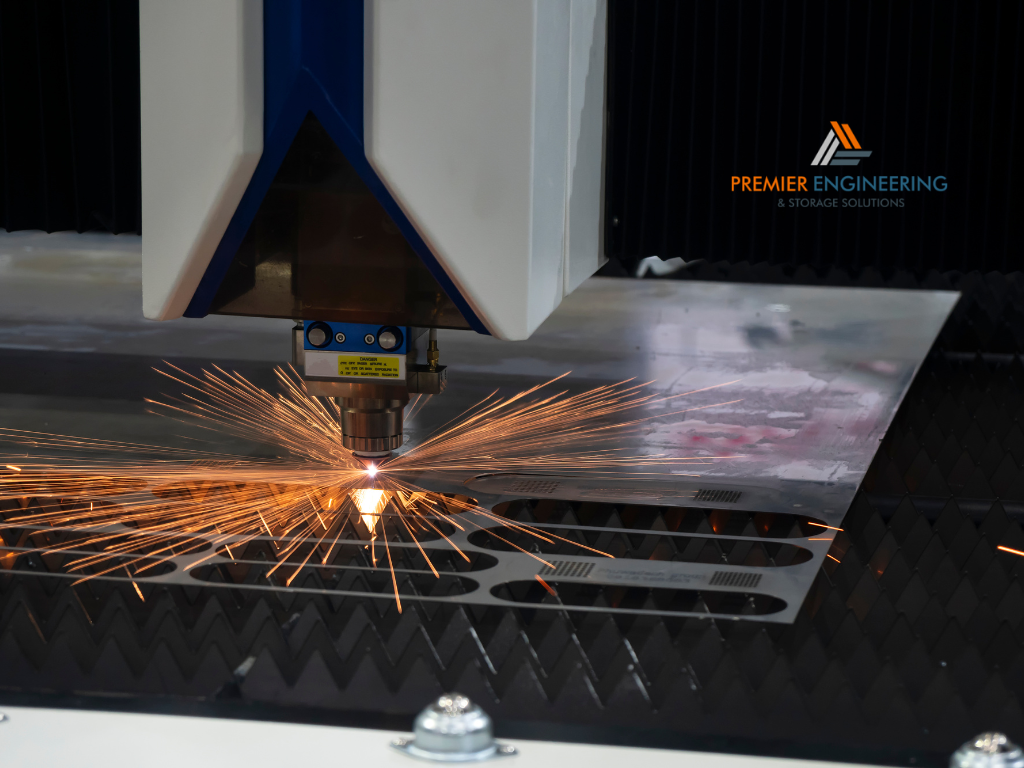
Choosing the right supplier is not only about price. A cheaper quote may not be the best option if the supplier cannot meet the tolerance, finish, material, timing, or fabrication needs of the project.
A good supplier should help you understand what process suits the job and what details need to be confirmed before production.
Compare capability, quality, and communication
When comparing cnc cutting services, look at the full capability of the supplier. Ask whether they can support cutting, Metal punching services, folding, welding, finishing, assembly, and repeat orders if needed.
Useful questions include:
- What materials can you cut?
- What thickness range can you handle?
- Do you offer cnc punching service support?
- Can you help with cnc sheet metal fabrication?
- Can you review drawings before production?
- Do you offer finishing or deburring?
- Can you support prototypes and repeat runs?
- What quality checks are completed?
- What information do you need for an accurate quote?
Clear answers can help you compare suppliers more fairly.
Why local Western Sydney support can help
Local support can be useful when your project needs practical communication, fast clarification, pickup, delivery, or repeat production. This is especially helpful for businesses comparing cnc cutting services western sydney.
Premier Engineering may be useful to consider when a business needs support with cnc cutting services, Metal punching services, cnc punching service, and cnc sheet metal fabrication. This can help when a project needs more than a simple cut part and requires a broader fabrication workflow.
For example, a project may start with cutting but also need punching, folding, welding, or finishing. Working with a supplier that understands these steps can help reduce confusion and improve project flow.
What Mistakes Should Businesses Avoid?
Many CNC cutting problems happen because key details are missed before production. A clear brief, suitable material, and realistic expectations can help prevent delays.
It is better to ask questions early than to fix problems after parts have been cut.
Avoid unclear files and missing tolerances
Unclear files can cause major issues. If a drawing is missing dimensions or a CAD file does not match the written brief, the supplier may need to pause the job for clarification.
Tolerances are also important. Not every part needs a very tight tolerance, but some parts do. If a part must fit into an assembly, line up with mounting holes, or meet a specific installation requirement, that information should be included in the brief.
Also check bend allowances if the part will be folded later. Cutting a flat pattern without considering bends can create fit problems after fabrication.
Avoid choosing on price alone
Price matters, but it should not be the only factor. A low-cost quote may not include finishing, file review, material advice, tight tolerances, delivery, or extra fabrication steps.
When comparing quotes, look at what is included. Does the supplier understand the material? Can they support the required process? Do they ask good questions? Can they help if the project changes? Do they have the right equipment for the job?
A supplier that communicates clearly can save time, especially when the part needs to be accurate or when several manufacturing steps are involved.
When Should You Contact the Company?

You should contact the company when you are unsure which process suits the job, when your drawings need review, or when the project involves more than basic cutting.
Asking early can help reduce delays and avoid choosing the wrong process.
When you are unsure which process suits the job
Contact the company if you are comparing CNC cutting, punching, folding, or full fabrication. A supplier may be able to suggest whether CNC cutting, Metal punching services, or a cnc punching service is better for your design.
This is especially useful when the part has repeated holes, slots, folds, fixing points, or assembly requirements.
You should also contact the provider if the part must meet specific tolerances, fit with other components, or be produced in repeat quantities.
When the project needs more than cutting
Many projects need more than a cut profile. You may also need cnc sheet metal fabrication, folding, welding, finishing, assembly, or production planning.
Contacting the company early helps you confirm whether the full process can be handled in one workflow. This can make the project easier to manage and reduce the chance of errors between different suppliers.
To finish, cnc cutting services are most effective when the project is planned clearly. The right supplier should help you match the process to the material, confirm the important details, and produce parts that suit the job. With good drawings, clear communication, and the right fabrication support, your project can move from idea to finished part with more confidence.