Timber panels are widely used in Australian cabinetry, furniture manufacturing and interior joinery because they offer practical options for different designs, finishes and construction requirements. From kitchen cabinets and wardrobes to shelving and custom furniture, choosing the right panel can affect durability, appearance and long-term performance.
However, not all timber products are suitable for the same applications. MDF, plywood, particleboard and timber-veneered boards have different properties, and selecting the wrong material can lead to problems with moisture exposure, fixing strength or surface finishing.
Whether you are a cabinetmaker, builder, furniture manufacturer or homeowner planning a renovation, understanding these differences can help you make better purchasing decisions.
This guide explains common timber panel types, decorative finishes, installation considerations and what to check when choosing a supplier.
Why Timber Panels Are Popular for Cabinets and Furniture
Understanding Different Timber Panels and Their Uses
Timber panels include solid wood boards and engineered products manufactured from wood fibres, particles or thin layers of timber.
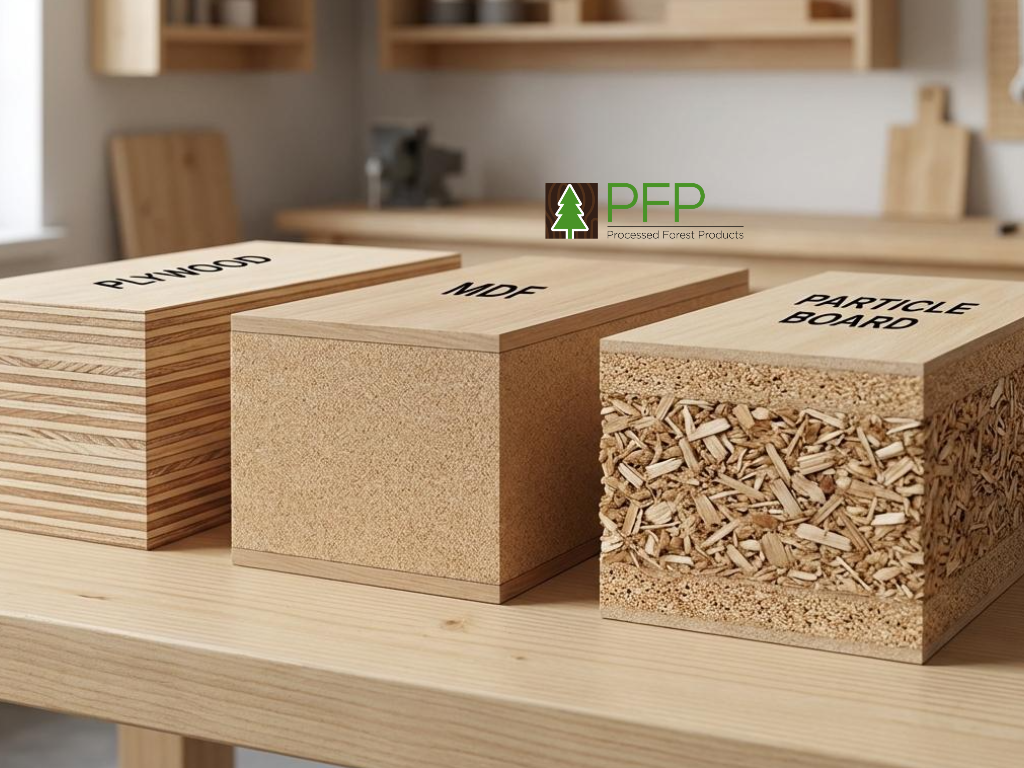
Common engineered options include medium-density fibreboard (MDF), plywood and particleboard.
Each material has characteristics that make it suitable for particular applications.
MDF is often selected for painted cabinet doors and furniture components because of its smooth, consistent surface. Plywood is available in different grades and constructions for cabinetry, furniture and joinery.
Particleboard is commonly used in cabinet carcasses and furniture, particularly when finished with a decorative surface.
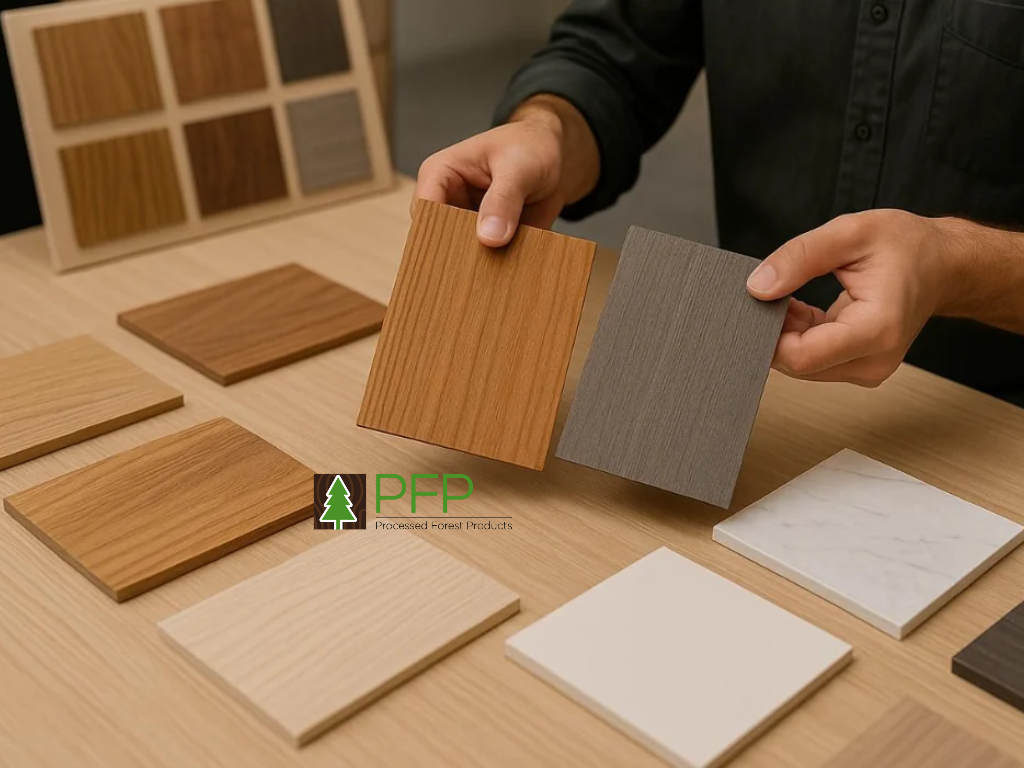
Timber-veneered panels combine a thin layer of real wood with a supporting substrate, providing a natural timber appearance without requiring a solid wood board throughout.
Benefits of Timber Panels in Modern Joinery
Manufactured timber panels offer consistent sheet dimensions and can be processed using suitable woodworking machinery.
This makes them useful for projects requiring repeated components, such as kitchen cabinets, wardrobes and modular furniture.
Many products are available with decorative surfaces or can be painted, laminated or veneered.
Compared with solid timber, certain engineered panels may also provide improved dimensional consistency under suitable indoor conditions.
However, strength, moisture resistance and fixing performance depend on the specific material and grade.
Understanding these differences is important before choosing panels for your project.
Comparing Different Types of Timber Panels
MDF, Plywood and Particleboard: What Is the Difference?
MDF is produced from wood fibres bonded into a uniform board. Its smooth surface makes it suitable for painted finishes, routed profiles and decorative cabinet components.
Plywood consists of bonded layers of timber veneer. Different plywood grades are available for furniture, joinery and applications requiring particular performance characteristics.
Particleboard is manufactured from wood particles bonded together under heat and pressure. It is widely used for furniture and cabinet components, often with melamine or another decorative overlay.
When comparing timber panels, consider how each material responds to machining, moisture, fasteners and expected loads.
For example, a shelf requiring a longer unsupported span may need a different thickness or material from a small cabinet door.
No single panel type is automatically suitable for every application.
Solid Timber Panels Versus Engineered Wood Products
A solid timber wood panel is made from natural wood rather than compressed fibres or particles.
Solid timber can provide distinctive grain patterns and may be suitable for furniture tops, doors and decorative features.
However, natural timber expands and contracts as moisture conditions change.
Engineered panels often provide more uniform dimensions and surfaces, making them practical for manufactured cabinetry.
Some timberwood panels marketed for decorative purposes may also use engineered substrates with real timber veneer.
Before purchasing, confirm whether the product is solid timber, plywood, MDF or another engineered board.
The material’s construction can affect its appearance, machining requirements and maintenance.
Choosing Timber Panels for Kitchen Cabinets and Wardrobes
Selecting Suitable Panels for Cabinet Doors and Carcasses
Different parts of a cabinet perform different functions.
Cabinet carcasses provide the internal structure, while doors and drawer fronts are often selected for appearance and everyday surface durability.
MDF is commonly used for painted doors because it provides a suitable surface for machining and finishing.
Melamine-faced particleboard is frequently used for internal cabinetry, while plywood may be selected where its construction and performance suit the project.
When comparing timber panels, check their suitability for hinges, drawer runners, shelving and other hardware.
Also consider edge treatment, expected loading and the finished appearance.
A material suitable for a decorative door is not necessarily the best choice for every structural or load-bearing furniture component.
Moisture-Resistant Timber Panels for Kitchens and Laundries
Kitchen and laundry cabinetry can be exposed to humidity, splashes and occasional leaks.
Standard MDF and particleboard are generally intended for dry interior environments.
Moisture-resistant grades are manufactured to better tolerate certain damp or humid conditions.
However, moisture-resistant does not mean waterproof.
Prolonged exposure to water can still cause swelling, deterioration or damage to the panel.
When selecting timber panels for moisture-prone areas, consider the product’s classification, edge sealing and installation requirements.
Appropriate surface finishes, ventilation and prompt attention to plumbing leaks also help protect cabinetry.
Always check manufacturer specifications before choosing materials for wet or humid environments.
Understanding Decorative Finishes and Wood Veneer Designs
How Veneer Laminate and Natural Timber Finishes Compare
Decorative finishes influence how cabinets and furniture look and how their surfaces perform during everyday use.
Natural timber veneer is a thin layer of real wood bonded to a substrate such as MDF, plywood or particleboard.
It provides genuine timber grain and natural variation.
Decorative laminates, including timber-look laminates, use manufactured surface materials to create different colours and patterns.
Although the phrase veneer laminate is sometimes used broadly, natural veneer and decorative laminate are not identical products.
Their appearance, maintenance requirements, repair options and surface characteristics can differ.
When choosing timber panels, compare actual product samples and the manufacturer’s recommendations for the intended application.
Choosing a Wood Veneer Design for Furniture
Wood veneer design allows cabinetmakers and furniture manufacturers to create natural timber finishes without constructing every component from solid wood.
Popular decorative approaches include coordinated grain patterns, contrasting veneers and matching finishes across cabinet doors.
The appearance depends on the timber species, veneer cutting method, grain direction and finishing system.
Natural veneers may also display colour and grain variations between sheets.
For larger projects, ask whether matching veneer sheets are available and how they will be arranged.
Reviewing physical samples can help ensure the final furniture or cabinetry finish meets your expectations.
A suitable finish should complement the overall design while meeting practical maintenance requirements.
How to Choose the Right Timber Panels and Supplier
Selecting the Right Thickness, Size and Panel Grade
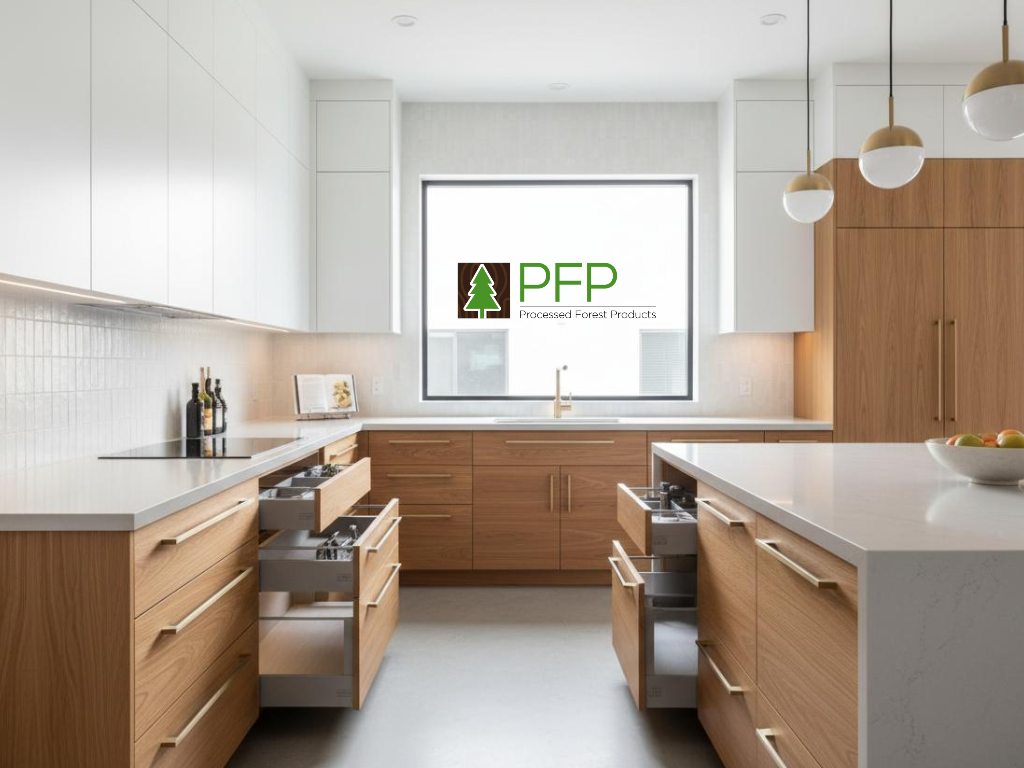
Panel thickness is an important consideration when designing cabinets, shelving and furniture.
Thicker boards may offer additional stiffness in certain applications, but performance also depends on the material, support spacing and loading.
For example, a long shelf carrying heavy items requires different considerations from a lightweight decorative cabinet panel.
Timber panels are available in various sheet sizes and thicknesses, depending on the manufacturer and product range.
Before ordering, confirm the required dimensions, surface finish and material grade.
Also check relevant technical specifications, including moisture-resistance classifications and formaldehyde emission ratings where applicable.
For shelving or load-bearing applications, follow suitable design guidance and manufacturer recommendations rather than selecting thickness by appearance alone.
What to Check When Comparing Timber Panel Suppliers
A suitable supplier should provide clear product information and help customers identify materials appropriate for their projects.
Before purchasing, confirm available sheet sizes, thicknesses, finishes and relevant technical specifications.
It is also useful to ask about veneer options, custom manufacturing, delivery and whether additional processing services are available.
Forest Products, also known as Processed Forest Products, supplies MDF, particleboard, plywood and timber veneer products for furniture and joinery applications.
Its product range also includes decorative veneer and laminating options.
Businesses comparing timber panels can explore Forest Products’ board range to review available materials and discuss specific manufacturing requirements.
Checking product availability and suitability before ordering can help avoid unnecessary material substitutions.
Common Mistakes When Working With Timber Panels
Avoiding Problems With Cutting, Fixing and Edging
Correct fabrication methods are important when working with engineered wood products.
Using unsuitable cutting tools can produce chipped edges, while incorrect drilling or fastening methods may damage the material.
Different timber panels can also have different screw-holding characteristics.
For cabinetry, selecting compatible hinges, screws and fixing methods helps support reliable assembly.
Exposed edges may require appropriate finishing, particularly on particleboard and MDF.
Edge treatments can improve appearance and help protect vulnerable surfaces from incidental moisture.
When cutting or machining panels, use suitable dust extraction and personal protective equipment in accordance with applicable workplace safety guidance.
Always follow the panel manufacturer’s machining and handling recommendations.
Storing and Installing Timber Panels Correctly
Poor storage can affect the condition of timber-based sheet materials before fabrication begins.
Panels should be kept in appropriate conditions and adequately supported to reduce the risk of distortion or damage.
Exposure to excessive moisture may cause swelling or changes in dimensions.
Some timber panels may also need time to adjust to the intended indoor environment before installation, depending on manufacturer instructions.
During installation, consider support spacing, fixing methods and any required allowances for material movement.
Protect decorative surfaces from scratches and impact damage while handling.
Careful storage and preparation can reduce avoidable waste and help achieve a better finished result.
Planning Your Cabinetry or Furniture Project
Creating a Practical Timber Panel Selection Checklist
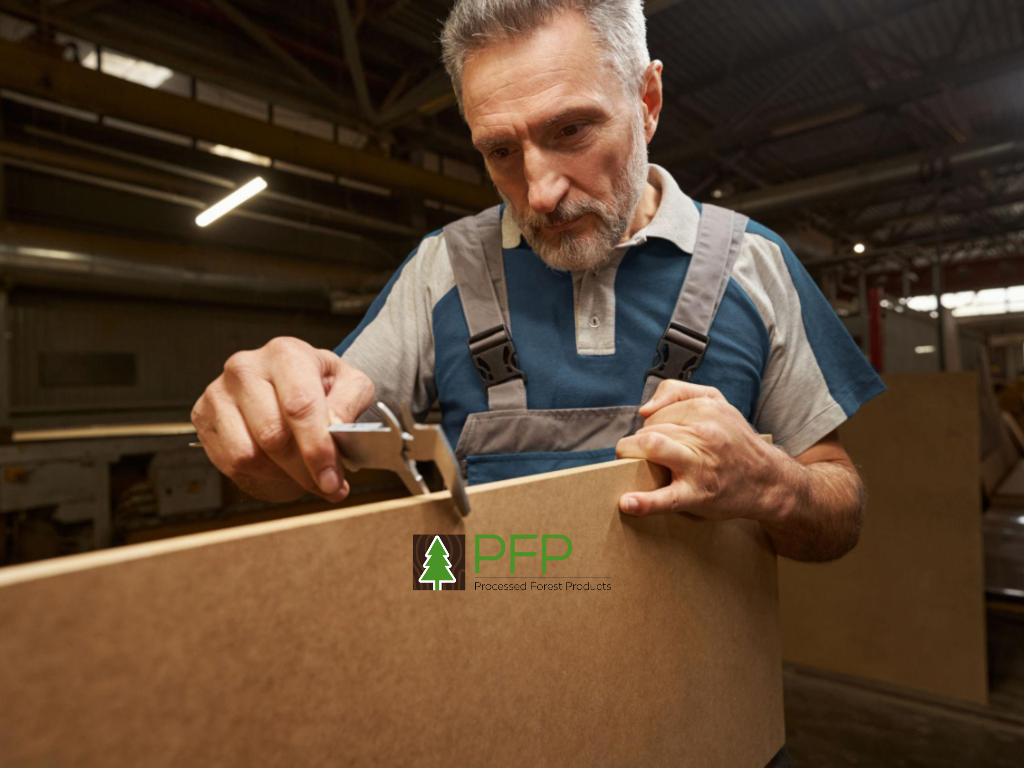
Before ordering materials, establish the intended application and finished dimensions.
Consider whether the panels will be used for cabinet doors, carcasses, shelves, furniture tops or decorative surfaces.
Next, identify the required appearance, including whether the project calls for painted MDF, decorative laminate or natural timber veneer.
Check moisture exposure, expected loads, edge finishing and hardware requirements.
The selected timber panels should also be compatible with the proposed cutting, machining and assembly methods.
For custom cabinetry, accurate measurements and clear specifications help reduce material waste.
If you are uncertain about a product’s suitability, request technical information or advice before purchasing.
Making a Confident Timber Panels Purchase Decision
Choosing the right material involves balancing appearance, performance, budget and practical construction requirements.
MDF may suit smooth painted components, while particleboard can be appropriate for many cabinet carcasses and furniture applications.
Plywood offers different construction and performance options, and timber-veneered panels provide a natural wood appearance for decorative joinery.
However, the best option depends on the particular product grade and intended use.
Forest Products supplies a range of timber boards, veneers and related manufacturing solutions for Australian furniture and joinery projects.
You can visit Forest Products to explore its product range or enquire about available materials and manufacturing options.
Before placing an order, confirm the panel specifications, dimensions, surface finish and any processing requirements.
Selecting suitable timber panels from the beginning can help achieve cabinetry and furniture that meet both practical and design expectations.