Unexpected equipment failures can interrupt production, delay deliveries and increase operating costs. For Australian manufacturers, warehouses and industrial facilities, industrial electrical maintenance plays an important role in identifying potential electrical problems before they develop into costly disruptions.
Electrical systems support essential operations, from production machinery and distribution boards to warehouse lighting and control equipment. When these systems develop faults, the consequences can extend beyond a single machine.
A planned maintenance approach helps businesses monitor equipment condition, organise inspections and address identified issues before they affect daily operations.
However, maintenance cannot eliminate every breakdown. Its value lies in reducing avoidable risks, supporting workplace safety and helping businesses make informed decisions about equipment reliability.
This guide explains which systems need attention, how to recognise developing problems, when to schedule maintenance and what to consider when choosing an industrial electrical contractor.
How Does Industrial Electrical Maintenance Help Prevent Downtime?
Understanding the Causes of Electrical Equipment Failures
Industrial electrical systems operate under demanding conditions. Machinery, electrical distribution equipment and control systems may be exposed to heat, dust, vibration, moisture and continuous operation.
Over time, electrical connections can deteriorate, cables may become damaged and protective devices can develop faults.
These problems may contribute to intermittent power interruptions, equipment malfunctions or unexpected shutdowns.
For example, a recurring protective-device trip could indicate an electrical fault, equipment issue or other condition requiring investigation.
However, not every machinery breakdown is caused by the electrical supply. Mechanical wear, control system faults and operational issues may produce similar symptoms.
Accurate fault diagnosis is therefore important before repairs are recommended.
Why Industrial Electrical Maintenance Matters for Business Continuity
Industrial electrical maintenance helps businesses identify potential hazards and developing faults through planned inspections, testing and appropriate servicing.
For manufacturers, unexpected downtime can interrupt production schedules, delay customer orders and require unplanned repair work.
Warehouses may experience disruptions to lighting, powered equipment or other essential electrical systems.
Planned maintenance allows businesses to assess equipment condition and arrange necessary work around operational requirements.
It also provides an opportunity to address recurring problems before they become more serious.
Although no maintenance programme can prevent every failure, a structured approach can improve visibility over electrical system condition and support more reliable operations.
Which Electrical Systems Should Industrial Businesses Maintain?
Inspecting Switchboards, Distribution Systems and Machinery Connections
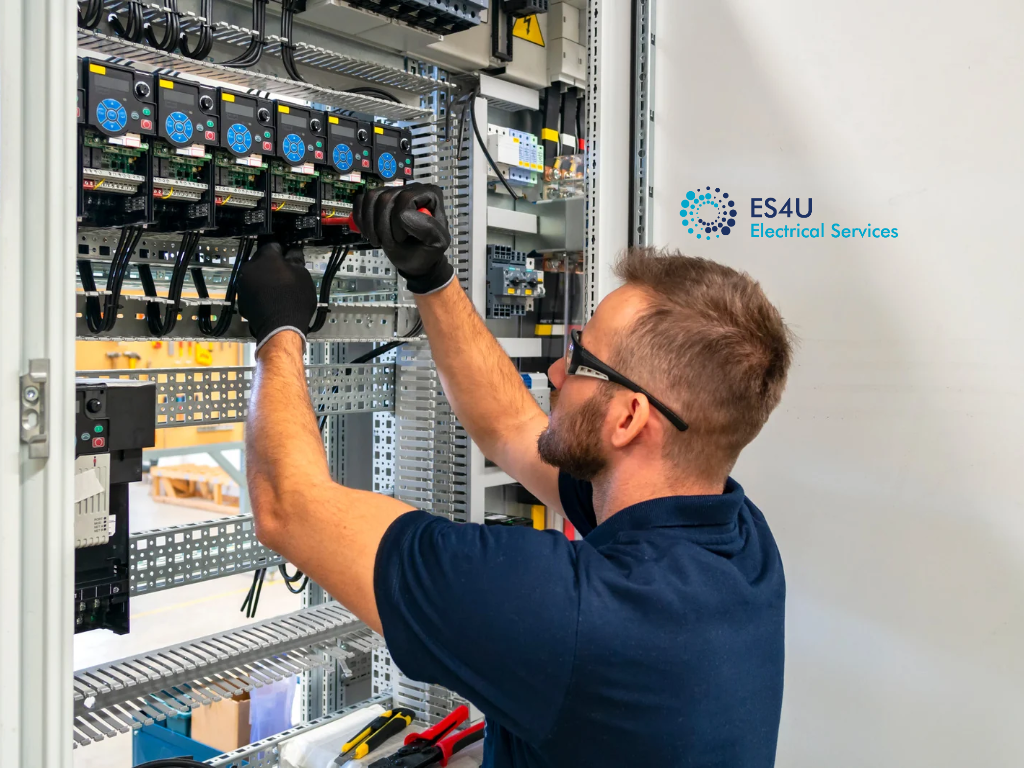
Industrial facilities depend on electrical infrastructure that distributes power safely throughout the workplace.
Important components may include switchboards, distribution boards, circuit protection, electrical cabling, control panels and machinery connections.
Maintenance requirements vary according to the installation, equipment type and operating conditions.
Warning signs may include repeated circuit trips, unusual equipment behaviour, visible cable damage, excessive heat or signs of moisture entering electrical enclosures.
Burning smells, smoke or signs of arcing require urgent attention and must not be ignored.
An industrial electrical maintenance programme should identify which systems require professional inspection, testing or corrective work.
Electrical inspection and repair activities must be undertaken by appropriately qualified and authorised personnel.
Employees should not open electrical switchboards or attempt repairs unless they are authorised and competent to perform the work.
Understanding Warehouse Electrical Maintenance Requirements
Warehouses and distribution facilities have different operating requirements from manufacturing plants, but electrical reliability remains important.
Warehouse electrical maintenance may involve lighting systems, distribution equipment, machinery supplies and electrical installations supporting loading or storage operations.
Equipment exposed to dust, vibration, moisture or mechanical damage may need particular attention.
For example, electrical components located near busy loading areas may face different risks from equipment inside a protected office.
Facility managers should consider how workplace conditions affect maintenance planning.
Routine observations by employees can help identify visible problems, but these do not replace appropriate technical inspections or electrical testing.
A suitable maintenance programme should reflect the facility’s actual equipment, operating environment and safety requirements.
How Can Businesses Identify Electrical Problems Before Equipment Fails?

Recognising Early Warning Signs of Electrical Faults
Electrical faults do not always result in an immediate equipment failure.
Some problems appear gradually through repeated interruptions, unusual operation or changes in equipment performance.
Workers may notice machinery stopping unexpectedly, protective devices tripping repeatedly or equipment operating inconsistently.
Visible cable damage, discoloured electrical components and unusual smells may also indicate problems requiring attention.
However, these warning signs should not be investigated through unsafe testing or unauthorised access to electrical equipment.
Where equipment appears unsafe, stop using it where safe to do so, keep people clear and arrange assessment by an appropriately qualified electrical professional.
Industrial electrical maintenance should include clear procedures for reporting faults and preventing unsafe equipment from returning to service before the issue is addressed.
Using an Electrical Maintenance Checklist to Track Equipment Condition
An electrical maintenance checklist can help businesses organise routine observations, scheduled inspections and follow-up activities.
A useful record identifies the equipment, its location, inspection date, reported problems and any corrective work required.
It should also identify who is responsible for reviewing findings and arranging further action.
For example, repeated electrical interruptions affecting the same production machine should be recorded rather than treated as unrelated incidents.
Maintenance history can help qualified professionals identify recurring patterns and determine whether further investigation is necessary.
An industrial electrical maintenance checklist should also distinguish between checks permitted for general employees and work requiring competent or licensed electrical personnel.
A checklist supports consistent recordkeeping, but it does not replace required inspections, testing or professional judgement.
How Often Should Industrial Electrical Maintenance Be Scheduled?
Establishing Maintenance Intervals Based on Equipment Risk
There is no single maintenance interval suitable for every industrial electrical system.
Inspection and testing requirements depend on the equipment, operating environment, manufacturer recommendations and applicable workplace safety obligations.
Electrical equipment exposed to moisture, heat, vibration or mechanical damage may require different attention from equipment operating in controlled environments.
Businesses should also consider the consequences of equipment failure.
For facilities arranging industrial electrical maintenance sydney services, a professional assessment can help identify appropriate maintenance priorities based on the installation and its operating conditions.
SafeWork NSW guidance explains that certain electrical equipment used in environments where it may be exposed to damaging conditions requires regular inspection and testing by a competent person.
However, inspection frequencies and legal requirements vary according to the equipment and relevant circumstances.
A qualified electrical professional can help determine the appropriate maintenance approach.
Coordinating Electrical Work With Production Schedules
Industrial electrical maintenance is more effective when it is planned alongside daily operations.
Manufacturing businesses may have periods when equipment can be taken out of service with less disruption.
Maintenance managers can coordinate inspections, testing and repairs during planned shutdowns or lower-demand production periods where appropriate.
This requires communication between electricians, equipment operators, maintenance supervisors and production managers.
Some activities may require equipment isolation, controlled access and time for testing before machinery is returned to operation.
Work should never be rushed or completed under unsafe conditions simply to meet a production deadline.
Planning maintenance in advance allows businesses to allocate appropriate resources and reduce avoidable interruptions.
What Is the Difference Between Preventative and Reactive Electrical Maintenance?
Comparing Planned Inspections With Emergency Electrical Repairs
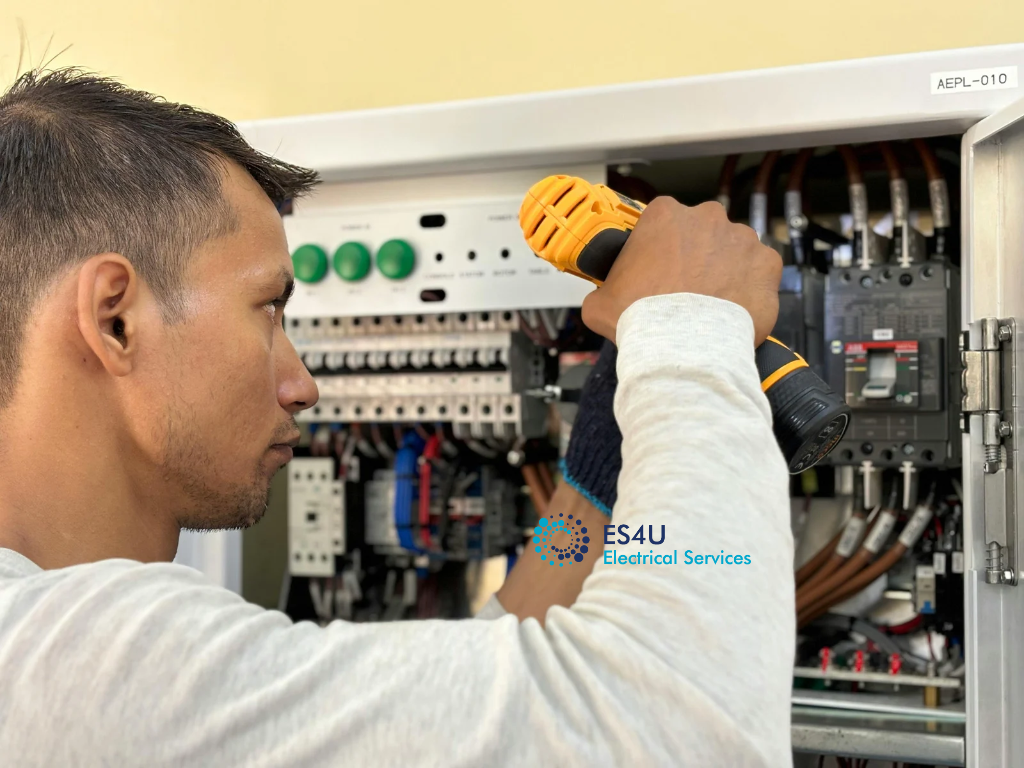
Preventative maintenance focuses on identifying developing problems before they lead to significant failures.
It may involve scheduled inspections, appropriate testing, servicing and corrective work based on equipment condition.
Reactive maintenance takes place after a fault or breakdown has occurred.
Although emergency repairs are sometimes unavoidable, relying entirely on reactive maintenance can make operational planning more difficult.
Unexpected electrical failures may require urgent technical support, replacement components and unplanned equipment shutdowns.
A professional industrial electric service may provide inspection, fault investigation or repair support, depending on the contractor’s capabilities.
Industrial electrical maintenance should balance planned activities with arrangements for responding to unexpected faults.
The appropriate approach depends on the equipment’s importance, condition and workplace risks.
How Maintenance Records Support Long-Term Reliability
Maintenance records help businesses understand how their electrical systems perform over time.
Information about completed inspections, recurring faults, replacement components and corrective work can reveal patterns that may otherwise be overlooked.
For example, repeated interruptions affecting one machine may justify a closer examination of its electrical supply, controls or connected equipment.
These records can also support decisions about whether to repair existing components or consider upgrades.
Industrial electrical solutions should be based on identified operational needs rather than assuming that replacing equipment is always necessary.
Reviewing maintenance history alongside equipment condition helps organisations make more informed decisions about future expenditure.
How Do You Choose the Right Industrial Electrical Contractor?
Comparing Industrial Electrical Contractors Sydney Businesses Use
Choosing an electrical maintenance provider requires consideration of the facility’s equipment, operating conditions and service requirements.
Businesses should assess whether the contractor has appropriate electrical licensing, relevant industrial experience and suitable insurance.
Experience working around manufacturing machinery, industrial switchboards and operational facilities may be important.
When comparing industrial electrical contractors sydney businesses can engage, ask how inspections are conducted, how findings are documented and what safety procedures are followed.
Clear quotations should explain the proposed scope, including inspections, testing, maintenance activities and any exclusions.
ES4U provides industrial electrical and service and maintenance solutions that businesses can consider when reviewing their electrical requirements.
Before engaging any provider, confirm that its capabilities and qualifications match the specific work required.
A suitable contractor should explain the recommended work and its purpose rather than automatically suggesting extensive upgrades.
Questions to Ask Before Booking a Facility Electrician
A facility electrician or industrial electrical contractor should understand the operational requirements of the workplace.
Before booking, ask which electrical systems the provider can inspect and maintain.
Clarify whether the service includes fault investigation, testing, maintenance reporting and recommendations for corrective work.
Businesses should also discuss how planned shutdowns and equipment isolation will be coordinated.
Ask what documentation will be supplied after work is completed and how urgent electrical concerns should be reported.
If the facility operates continuously, clarify the contractor’s actual availability and response arrangements rather than assuming emergency support is included.
A well-defined industrial electrical maintenance service should make responsibilities, work scope and expected outcomes clear before work begins.
How Can Businesses Build an Effective Electrical Maintenance Plan?
Creating an Industrial Electrical Maintenance Schedule
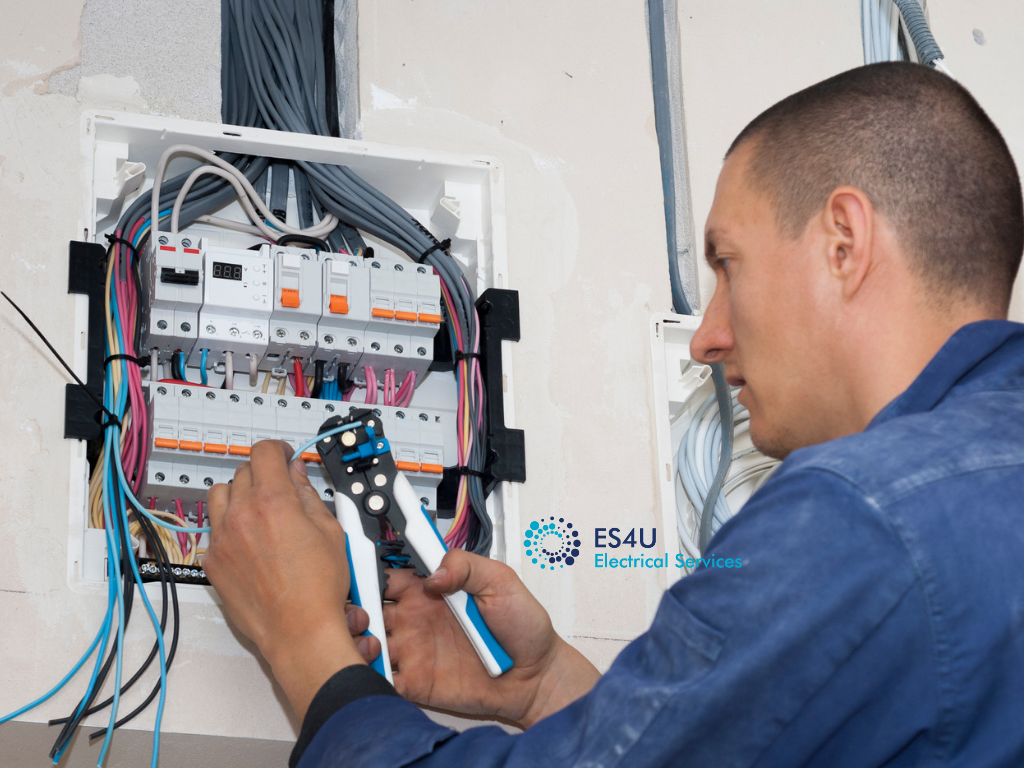
A practical maintenance plan starts with understanding the electrical systems supporting the facility.
Businesses should maintain an inventory of relevant electrical equipment and identify systems essential to operations.
Review previous faults, inspection records, equipment condition and manufacturer recommendations.
Consider which activities require planned shutdowns or special access arrangements.
Maintenance responsibilities should be clearly assigned, with appropriate procedures for reporting defects and arranging corrective work.
A qualified electrical professional can help determine which inspections and testing activities are needed.
Industrial electrical maintenance should also be coordinated with broader equipment servicing and workplace safety planning.
The aim is to establish a manageable programme based on actual operational needs rather than an unnecessarily complicated schedule.
Reviewing Maintenance Results and Reducing Future Disruptions
A maintenance programme should be reviewed periodically to determine whether it remains suitable.
Businesses can monitor recurring electrical faults, unplanned equipment stoppages and whether scheduled maintenance activities are being completed.
Maintenance records may also identify equipment requiring closer attention or more extensive repairs.
When machinery, production processes or operating conditions change, electrical maintenance requirements should be reconsidered.
For businesses managing factories, warehouses or other industrial facilities, ES4U can be contacted to discuss relevant electrical servicing and maintenance requirements.
An assessment can help clarify which systems need attention and what type of maintenance approach may be suitable.
Ultimately, industrial electrical maintenance is not simply about responding when equipment stops working.
It is about understanding electrical system condition, managing workplace risks and making informed maintenance decisions.
By planning inspections, recording recurring faults and coordinating electrical work with operations, Australian businesses can reduce avoidable disruptions and support safer, more reliable facilities.