Boral Roof Tiles are still found on many older Australian homes, but finding an exact replacement can be more difficult than it once was. If a tile cracks, slips or breaks, the right replacement needs to match more than the colours. Profile, dimensions, interlocking edges, nib position and water channels can all affect whether a replacement tile will fit correctly.
That matters because the Boral Roof Tiles name is now largely associated with legacy roofing products. Australian Business Register history shows that the BORAL ROOF TILES business name ended in August 2022, while LUTUM ROOFING business names associated with the same entity ended in May 2024.
For homeowners in Sydney and across NSW, replacement can still be possible. Specialist recycled roof tile suppliers continue to list older Boral profiles, including Macquarie and other legacy concrete ranges.
The key is to identify the existing tile correctly before buying anything.
Boral Roof Tiles should be identified by their physical profile, not simply by appearance from the ground.
An older roof may contain tiles that have faded, weathered or changed colours over time, so visual similarity alone is not enough.
How Boral Roof Tiles can be identified by profile and shape
Boral Roof Tiles can often be identified by checking the underside markings, dimensions, sidelock, nib arrangement, water channel and overall profile.
Specialist replacement suppliers in NSW use those characteristics to distinguish between older tile families and manufacturing generations. A manufacturer’s name on the back can help, but it does not always prove that another tile from the same brand will fit.
If you have a broken boral roof tile available, keep it as a reference rather than discarding it immediately.
Clear photographs of the front, underside and side profile can also help a roofing specialist or reclaimed supplier begin the identification process.
Why Boral Roof Tiles should not be matched by colours alone
Boral Roof Tiles can fade differently depending on age, sun exposure, weather and roof orientation.
A replacement may look very close in colours and still have the wrong interlock or dimensions.
Specialist suppliers specifically warn that a visually similar tile can have a different nib position, sidelock or water channel, which can affect fit and drainage.
For that reason, colours should be treated as the final visual consideration rather than the first compatibility test.
The correct profile comes first.
Check Whether the Boral Roof Tiles Profile Is Still Available
Boral Roof Tiles may no longer be manufactured in the exact profile installed on an older home.
That does not automatically mean the roof needs to be replaced.
How Boral Roof Tiles may still exist as legacy stock
Boral Roof Tiles can still turn up through reclaimed suppliers, roof tile recycles, roofing contractors and leftover stock held from previous jobs.
NSW replacement suppliers continue to advertise legacy Boral ranges and hard-to-find discontinued profiles.
This can make individual repairs possible even when the original manufacturer no longer supplies that exact tile.
Availability can vary, however.
Some profiles may be relatively easy to find, while others may only appear occasionally in reclaimed stock.
Why Boral Roof Tiles availability varies by profile
Boral Roof Tiles were produced across different periods, materials and product families.
A boral tile installed decades ago may differ from a later tile with a similar appearance or name.
Older NSW roofs can contain profiles such as Boral Macquarie, Linea, Windsor and Modern French among many other legacy ranges. These names help narrow the search, but they are not a guarantee of interchangeability.
The exact physical tile still needs to be checked.
That is why a supplier may ask for measurements and photographs rather than relying only on the product name.
Look for Reclaimed Boral Roof Tiles
Boral Roof Tiles are often sourced through second-hand and recycled roof tile suppliers when the original profile has been discontinued.
This is a common pathway for repairs on older roofs.
Where Boral Roof Tiles may be found through reclaimed suppliers
Boral Roof Tiles may be available from specialist businesses that recover usable tiles from reroofing, demolition and renovation projects.
These suppliers often organise stock by manufacturer, profile and material.
In NSW, specialist suppliers advertise discontinued concrete and terracotta tiles for Sydney, Newcastle, the Central Coast and surrounding regions.
A roofing contractor may also have spare tiles from previous work or know which recycles regularly handle older boral roofing products.
For difficult profiles, it can be worth checking several sources rather than assuming the first supplier represents the whole market.
What to check before buying used Boral Roof Tiles
Boral Roof Tiles should be inspected for compatibility and condition before installation.
A reclaimed tile may have the correct profile but still be unsuitable if it is cracked, heavily chipped or damaged around the interlock.
The working dimensions also matter.
A tile that is slightly different in width or shape may not sit correctly beside neighbouring tiles.
If you are purchasing several reclaimed tiles, ask whether they are from the same profile and whether there are enough available for the immediate repair plus a few spares if practical.
The goal is not simply to find an old tile. It is to find a usable match.
Ask a Roofing Specialist to Confirm Boral Roof Tiles
Boral Roof Tiles can be difficult to identify accurately from photographs alone when profiles are very similar.
A roofing specialist can help confirm whether a replacement will work with the existing roof.
How Boral Roof Tiles can be matched by experienced roofers
Boral Roof Tiles can be compared using profile shape, interlocks, battens and surrounding tiles.
An experienced roofer may also recognise older profiles that are common across Sydney homes.
Where necessary, a sample tile can be removed and measured.
This can be more reliable than trying to choose a replacement based on an online image.
APT Roofing may be useful where homeowners need an existing tiled roof assessed before sourcing replacements, particularly when the problem involves more than one broken tile or there are signs of broader roof deterioration.
When Boral Roof Tiles need more than a visual comparison
Boral Roof Tiles form part of a complete roof system.
The tile profile, overlap, batten spacing, roof pitch and water channels all affect how the roof manages rainwater.
A replacement that looks similar but sits incorrectly can create gaps or interfere with drainage.
This is why compatibility should be confirmed before installation.
If only one or two tiles are damaged, correct matching may allow a relatively straightforward repair.
If many tiles are affected, the wider roof condition should also be assessed.
Compare Boral Roof Tiles With Newer Tile Options Carefully
Boral Roof Tiles should not be assumed to interchange directly with newer products.
The roofing market and product ranges have changed over time.
How Boral Roof Tiles compare with Lutum Roof Tiles
Boral Roof Tiles and Lutum Roof Tiles are connected historically, but that does not mean every product carrying those names is physically interchangeable.
Court records state that the Lutum Group acquired the roofing business from Boral in November 2021. The group manufactured roof tiles through Montoro and operated across NSW, Victoria and South Australia.
Australian Business Register records later show LUTUM ROOFING and LUTUM AUSTRALIAN ROOFING & MASONRY business names ending in May 2024.
For homeowners, the practical point is simple: do not assume a newer Lutum tile is a direct replacement for an older Boral profile.
Check the physical specifications.
Why Boral Roof Tiles and designer roof tiles may not interchange
Boral Roof Tiles may look similar to modern designer roof tiles while having different dimensions or fixing requirements.
Roof tiles design has changed across manufacturers and product generations.
A newer flat-profile or sculpted tile may suit the appearance of the home but still be unsuitable as an isolated replacement within an older roof.
If the exact old profile cannot be found, inserting a visually similar modern tile is not necessarily the right answer.
That is when the decision may shift from individual tile replacement to a broader repair or reroofing discussion.
Know When Replacing Individual Boral Roof Tiles Is No Longer Practical
Boral Roof Tiles can often be replaced individually, but there is a point where repeated sourcing becomes less practical.
The number of damaged tiles and the overall roof condition matter.
When Boral Roof Tiles become difficult to source consistently
Boral Roof Tiles may become harder to manage when the roof needs frequent replacement tiles and matching stock is becoming scarce.
A single damaged tile is very different from dozens of deteriorated tiles across several roof sections.
Specialist NSW suppliers note that once a profile is discontinued, recycled stock may become the only practical source of replacement.
That does not mean a discontinued profile automatically requires reroofing.
It simply means parts availability should become part of the repair decision.
If the majority of the roof remains serviceable and the correct reclaimed profile can be sourced, repair may still be practical.
What to consider if Boral Roof Tiles cannot be matched
Boral Roof Tiles that cannot be matched should prompt a broader assessment rather than an immediate assumption that the whole roof must be replaced.
A roofer can check whether another compatible solution exists and whether the rest of the roof is still performing adequately.
If replacement tiles are unavailable and the roof has widespread deterioration, reroofing may become more reasonable.
At that stage, homeowners can compare new tiled systems with other roofing materials based on structure, cost, appearance and long-term maintenance.
The decision should be based on the whole roof, not simply the disappearance of one tile profile.
Compare Boral Roof Tiles Repair and Reroofing Options
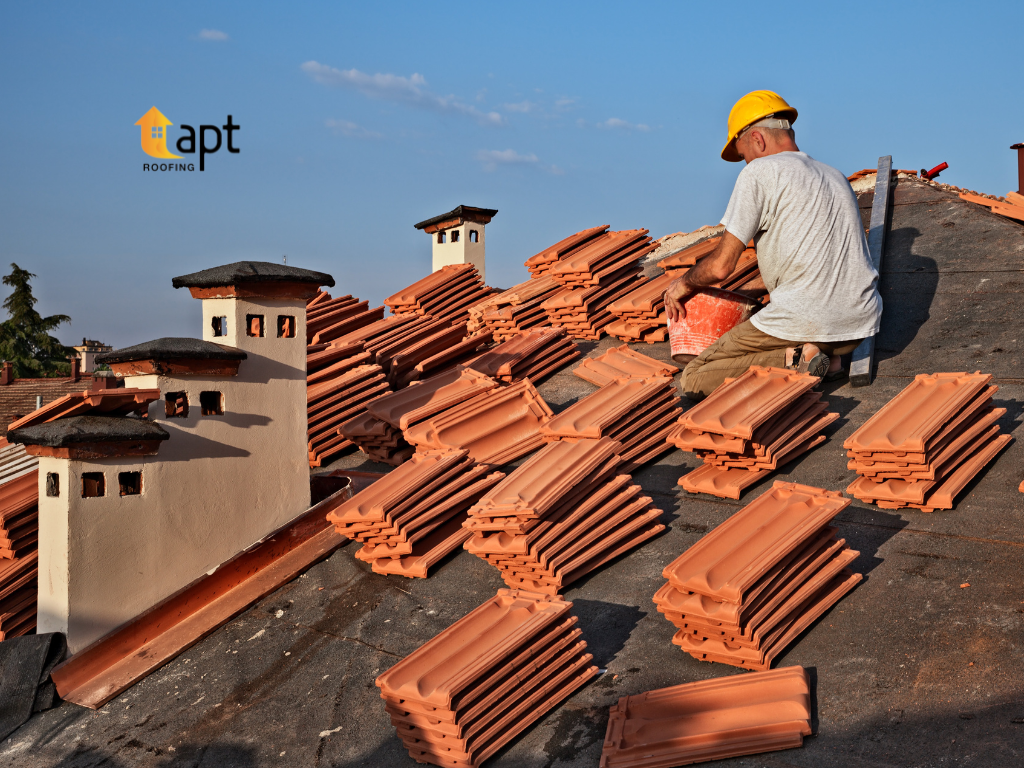
Boral Roof Tiles should be considered within the wider condition of the roof.
Replacement availability is only one part of the decision.
How Boral Roof Tiles fit into a wider roof repair decision
Boral Roof Tiles may still be suitable for individual repair where damage is limited and compatible replacement stock is available.
The roofer should also look for other issues that may be contributing to the problem.
Broken tiles can occur alongside damaged pointing, flashing issues, valleys or other roof components.
Replacing the tile alone will not fix an unrelated underlying defect.
For Sydney homeowners, having the whole affected area inspected can help determine whether the job is truly a simple tile replacement or part of a broader maintenance issue.
When Boral Roof Tiles may be compared with corrugated metal roofing
Boral Roof Tiles and corrugated metal roofing are very different roof systems.
If a complete reroof becomes necessary, homeowners may compare tiled roofing with metal options based on structural suitability, appearance, installation requirements, cost and maintenance.
That is a much larger decision than replacing several damaged tiles.
A roof that still has a serviceable structure and available matching Boral Roof Tiles may not need complete replacement simply because the product range is old.
The sensible first step is identification.
Confirm the exact tile profile, check reclaimed and specialist suppliers, assess the condition of the surrounding roof and only then decide whether individual repair, broader restoration or reroofing is the most practical path.
For many older Sydney roofs, Boral Roof Tiles can still be sourced through the legacy and recycled tile market. The challenge is finding the correct match, not merely finding something that looks similar.