
Carbon footprint declarations are becoming an important part of the EU battery regulatory framework.
For battery manufacturers, importers and suppliers, the issue is not only calculating a carbon figure. Businesses also need to know which battery model it applies to, which manufacturing plant produced it, how the figure was calculated and what evidence supports it.
At the same time, the omnibus directive esg changes have simplified parts of corporate sustainability reporting and due diligence through Omnibus I. This can create confusion for businesses trying to understand how different EU requirements fit together.
The key point is that changes to CSRD and CSDDD do not remove the separate product requirements established under the EU Batteries Regulation. Businesses therefore need to understand how omnibus directive ESG changes interact with battery-specific rules without treating them as the same obligation.
Where EU Battery Carbon Footprint Rules Stand Now
Which batteries are covered by carbon footprint declarations
Article 7 of Regulation (EU) 2023/1542 covers electric vehicle batteries, rechargeable industrial batteries above 2 kWh and light means of transport batteries.
The Regulation requires a carbon footprint declaration for each battery model per manufacturing plant.
The declaration includes the manufacturing location, the battery’s lifecycle carbon footprint in kilograms of CO₂ equivalent per kWh, emissions broken down by lifecycle stage and a link to a public version of the supporting carbon-footprint study.
For businesses following omnibus directive esg developments, this is an important distinction. These battery requirements come from separate product legislation.
Why the rollout needs careful interpretation
The Batteries Regulation sets phased application dates, but those dates are linked to the entry into force of supporting delegated and implementing acts.
This means businesses should not look at a calendar date alone and assume every carbon-footprint obligation is already enforceable.
As of the latest Commission technical information, work on official methodologies is still progressing. The Joint Research Centre has published methodological support for industrial batteries and continues technical work on other battery categories.
The practical approach is to prepare the required data now while checking the latest applicable EU acts before making a compliance decision.
What Omnibus Directive ESG Changes Mean for Battery Businesses
What Omnibus I actually changed
The omnibus directive esg landscape changed significantly in 2026.
Directive (EU) 2026/470 amended the CSRD and CSDDD frameworks. The changes narrowed their scope and reduced some reporting and due diligence requirements.
For CSRD, the revised scope generally focuses on companies with more than 1,000 employees and more than €450 million in annual net turnover.
For CSDDD, the scope was narrowed further to companies with more than 5,000 employees and more than €1.5 billion in net turnover.
These changes can reduce corporate-level reporting obligations for some businesses.
What Omnibus I did not remove
Omnibus I did not amend Regulation (EU) 2023/1542 concerning batteries and waste batteries.
That means a business falling outside revised CSRD or CSDDD scope should not automatically assume that its battery product obligations have disappeared.
A battery placed on the EU market may still need to meet requirements under the Batteries Regulation.
For esg compliance teams, the lesson is simple: corporate sustainability reporting and product regulation need to be assessed separately.
One may influence the information used by the other, but they are not interchangeable.
Calculating and Supporting a Battery Carbon Footprint
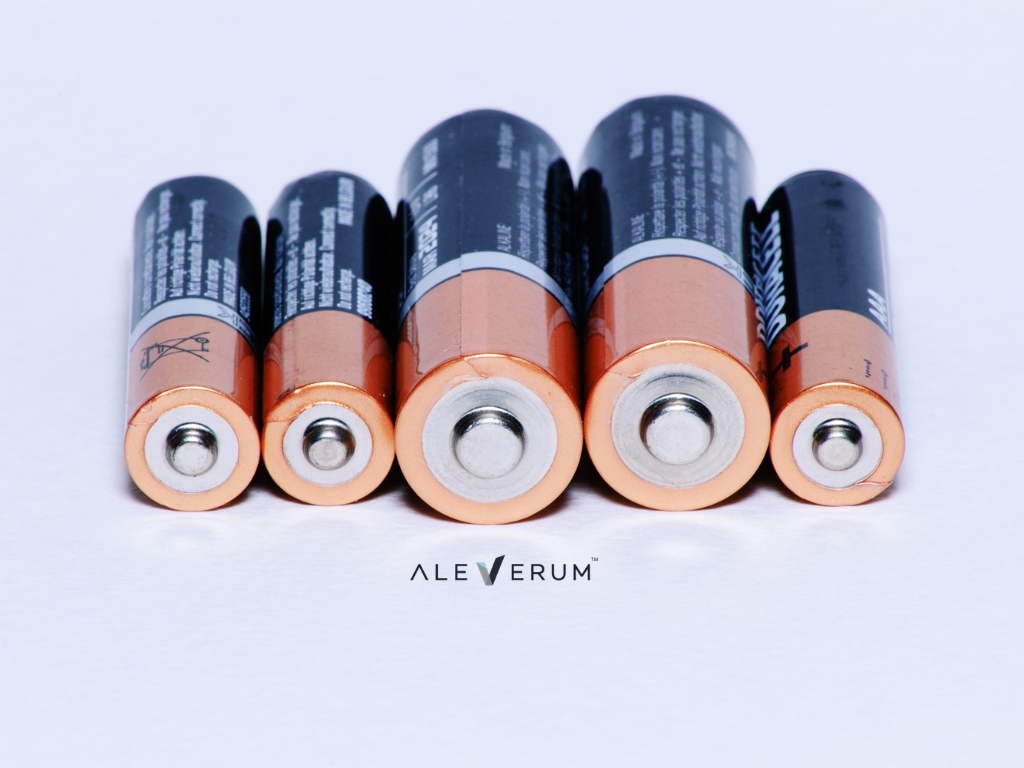
Following emissions across the battery lifecycle
Battery carbon-footprint calculations extend beyond electricity used inside the final assembly plant.
Annex II of the Batteries Regulation identifies lifecycle stages including raw-material acquisition and pre-processing, production, distribution and end of life.
The calculation is also linked to the bill of materials, energy use and auxiliary materials used at the specific manufacturing plant producing the battery model.
This creates an important data challenge.
A manufacturer may need information from cathode-material suppliers, component producers, processing facilities and other parts of the supply chain.
In an omnibus directive esg environment where some corporate reporting requirements have been simplified, product-level evidence can therefore remain detailed.
Keeping evidence behind the reported value
A carbon number without context is difficult to verify or maintain.
Businesses should know which model and plant the calculation covers. They should also retain the source data, methodology, lifecycle assumptions and supporting study.
If the bill of materials or energy mix changes, the Batteries Regulation requires the carbon footprint for that battery model to be recalculated.
This is where good esg compliance practices become useful.
The goal is not simply to store the final number. The organisation should be able to trace the value back to the information used to calculate it.
That creates a stronger audit trail when data needs to be reviewed or updated.
Connecting Battery Carbon Data With CSRD Reporting
Where battery information may support CSRD compliance
The omnibus directive esg changes narrowed CSRD scope, but companies that remain in scope still need reliable sustainability information.
Battery carbon data can contribute useful product-level evidence.
For example, manufacturing emissions or material-related environmental information may support wider climate reporting where those matters are material to the organisation.
However, a battery carbon-footprint declaration does not automatically deliver csrd compliance.
The reporting boundary, purpose and legal requirements are different.
Businesses should therefore reuse reliable underlying information where appropriate without assuming that one disclosure satisfies another.
Understanding CSRD IRO in the battery context
The term csrd iro refers to impacts, risks and opportunities considered in sustainability reporting and materiality assessment.
Battery manufacturing may create relevant issues around energy use, raw-material sourcing, emissions, waste and supply-chain dependencies.
Those issues may influence a company’s assessment where they are material.
A product-level carbon calculation can provide evidence, but it is only one part of that wider assessment.
For teams managing both product requirements and corporate reporting, a useful approach is to maintain one governed source of information while keeping each regulatory output clearly defined.
This reduces duplication without blending different obligations together.
Supplier Data, Due Diligence and Third-Party Risk

Why battery carbon information depends on suppliers
Battery carbon footprints can depend heavily on upstream information.
Raw materials, processing, battery components and manufacturing inputs may come from several suppliers and facilities.
This makes supplier-data quality important even after omnibus directive esg reforms reduced some corporate due diligence burdens.
A manufacturer should be able to identify where important information came from and which material, supplier or facility it relates to.
This also matters when organisations assess csddd third party risk.
A supplier relationship may create environmental or sourcing risks even where the supplier itself is not directly subject to CSDDD.
Keeping separate requirements connected
Businesses sometimes search for terms such as supply chain act eu when trying to understand European supply-chain regulation. In practice, several different EU laws may apply depending on the organisation, product and activity.
CSDDD is one relevant framework. The Batteries Regulation also contains separate battery-related obligations.
An esg due diligence report may include information about suppliers, impacts and risk controls. A battery carbon declaration has a different regulatory purpose.
Likewise, businesses comparing csddd solutions should check whether the system can manage reusable supplier information without claiming that one workflow automatically satisfies every regulation.
Good systems connect the evidence.
They should not blur the legal boundaries.
Choosing the Right Carbon and ESG Data Solution
What to compare before choosing a platform
The omnibus directive esg changes make it even more important to buy technology based on actual obligations rather than broad ESG labels.
Before selecting a platform, check whether it can manage:
Product and battery model records
Manufacturing-plant information
Material and supplier records
Carbon-footprint source data
Supporting studies and documents
Review and approval workflows
Version history
Access permissions
System integrations
Changes to approved information
Ask the provider to demonstrate what happens when a supplier changes, a source document expires or the energy mix for a manufacturing plant is updated.
That is more useful than viewing a static ESG dashboard.
Understand what the service actually does
A provider should clearly explain whether its platform calculates, verifies, stores, reviews or publishes carbon information.
These are different functions.
Aleverum can support organisations that need to structure product, supplier and evidence information within governed Digital Product Passport and related product-data workflows.
For battery businesses, this can include keeping product records connected to supporting evidence and review status.
However, the platform should not be confused with an independent auditor, certification body or lifecycle assessment specialist.
When comparing providers, ask who remains responsible for the calculation, who verifies it and who approves the final published information.
Clear boundaries are a positive trust signal.
Preparing for the Next Stages of EU Battery Carbon Rules
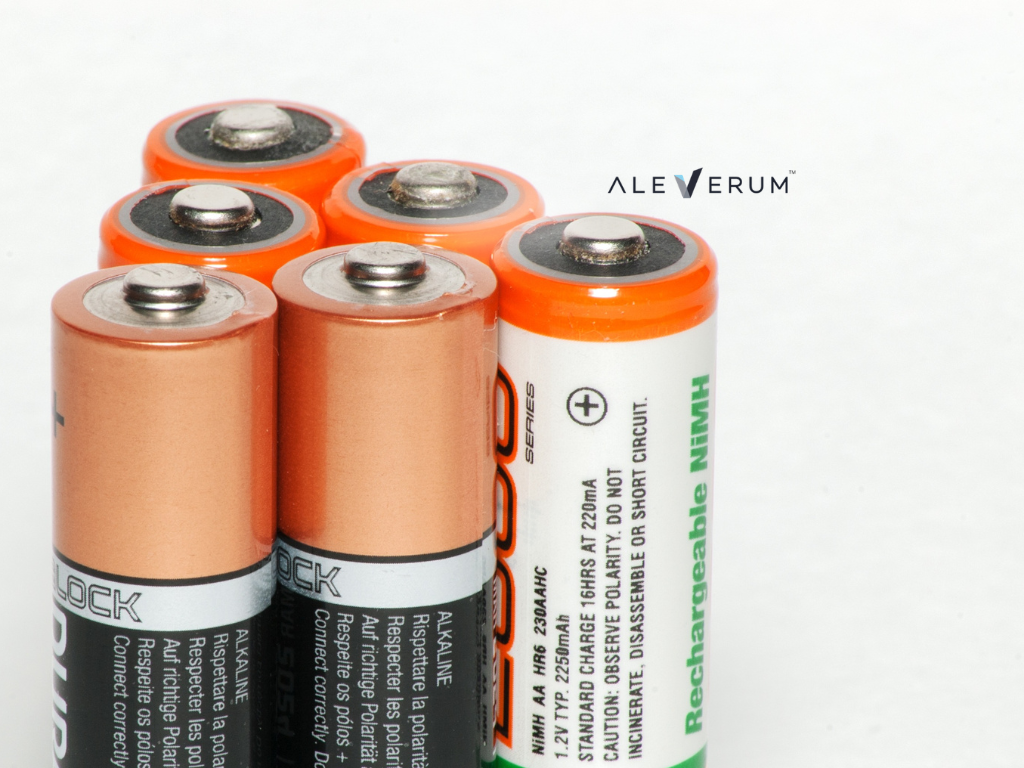
Carbon declarations are only one stage
The Batteries Regulation goes beyond declarations.
It also provides for carbon-footprint performance classes and, later, maximum lifecycle carbon-footprint thresholds.
These measures follow phased schedules and remain linked to supporting delegated and implementing acts.
This means omnibus directive esg simplification should not be interpreted as a reason to stop preparing battery carbon data.
Product-specific environmental requirements continue to develop separately.
The Commission has described the Batteries Regulation as progressively introducing carbon-footprint declarations, performance classes and maximum limits for relevant battery categories.
What businesses should prepare now
Start with one battery model and one manufacturing plant.
Identify the bill of materials, key suppliers, manufacturing energy data and lifecycle information.
Then check which records support each input.
Ask practical questions.
Who owns the data?
Which suppliers need to provide information?
How often is it updated?
What happens when the energy mix changes?
Can the supporting evidence be traced back to the reported value?
Australian businesses supplying batteries or battery materials into EU value chains should also clarify which party is responsible for the final EU product obligation.
If the information is currently spread across spreadsheets, supplier emails and separate systems, this is a good time to improve the underlying data structure.
Aleverum can be considered when an organisation needs a governed way to connect product information, supplier records and supporting evidence before those records are used in DPP or related reporting workflows.
The most useful next step is not a promise of automatic compliance. It is building a reliable information foundation that can adapt as EU battery requirements continue to develop.