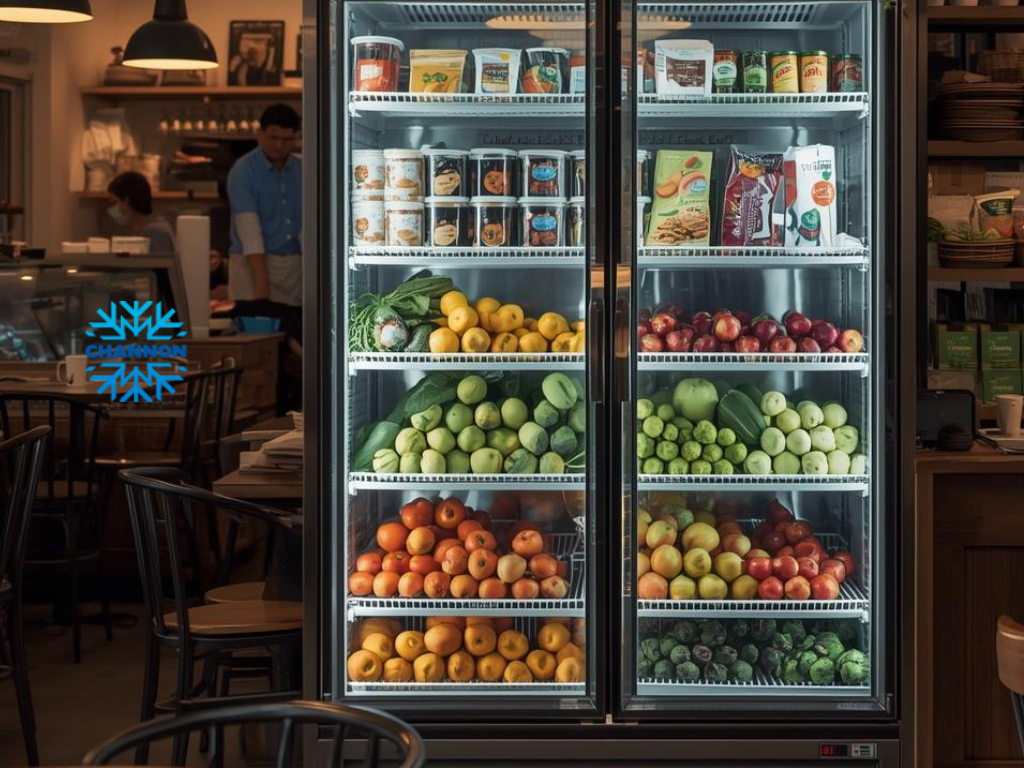
Reliable refrigeration is essential for cafés, restaurants, caterers, supermarkets, butchers and other NSW businesses that handle perishable food. Maintaining the correct temperature helps control bacterial growth, protect customers and reduce avoidable stock loss.
Under the food-safety rules applied in NSW, potentially hazardous food generally needs to be kept at 5°C or colder when stored or displayed cold. Food intended to remain frozen must stay frozen. These requirements apply to the food itself, not simply the temperature shown on the refrigerator’s display.
This guide explains the basic temperature expectations, how to measure food correctly and what to do when refrigeration cannot maintain safe conditions. Businesses should also review the latest advice from the NSW Food Authority and seek professional guidance when their operation has specialized compliance requirements.
Keep potentially hazardous cold food at 5°C or below
Potentially hazardous food must normally be stored and displayed at 5°C or colder. These foods can support the growth of harmful bacteria or the production of toxins if they remain at unsuitable temperatures for too long.
The requirement applies to the temperature of the food. A refrigerator display showing 4°C does not automatically prove that every product inside the cabinet is at or below 5°C. Air temperature changes more quickly than food temperature, particularly after a door has been opened or new stock has been loaded.
Different parts of a cabinet may also operate at slightly different temperatures. Products packed too tightly can restrict cold-air circulation. Food placed near a door, light, fan outlet or warm incoming delivery may respond differently from food stored deeper inside.
Businesses should operate refrigeration at a setting that keeps the food within the required range during normal trading conditions. Setting a cabinet at exactly 5°C may provide too little allowance for door openings, defrost cycles, heavy loading or warmer ambient conditions.
A lower equipment setting does not replace proper checks. Staff still need to confirm that potentially hazardous food remains at a safe temperature throughout storage and display.
Ensure food intended to remain frozen stays frozen
Food that is intended to be stored frozen must remain frozen. A commercial freezer should therefore maintain conditions that keep products fully frozen during normal operation.
The Food Standards Code focuses on whether the food remains frozen rather than prescribing one universal storage temperature for every frozen product. Manufacturers may specify a particular temperature, such as −18°C or colder, to support quality, shelf life and handling instructions. Businesses should follow those directions where they apply.
Signs of softening, liquid leakage, ice crystal changes or products freezing together can indicate that stock has experienced temperature movement. These signs do not confirm the time or temperature involved, so the business should investigate rather than guessing.
A commercial chest freezer can retain cold air effectively when opened because cold air does not spill out as readily as it can from an upright cabinet. However, stock organization and access can be more difficult. Upright freezers provide easier visibility but may experience greater air exchange during frequent door opening.
Equipment format alone does not guarantee safe storage. Freezers need appropriate loading, airflow, door seals and routine maintenance to keep food frozen under real operating conditions.
Identify Which Foods Require Temperature Control
Potentially hazardous foods have characteristics that allow harmful bacteria to grow or toxins to form. They commonly contain moisture and nutrients and may have a neutral or mildly acidic composition.
Examples include raw and cooked meat, poultry, seafood, dairy products and foods containing eggs. Cooked rice, cooked pasta, tofu, prepared salads, cut melons, sandwiches and meals containing these ingredients may also require temperature control.
The product’s preparation and packaging can affect how it should be stored. An unopened shelf-stable product may need refrigeration after opening. A food that was safe at room temperature before preparation may become potentially hazardous after it is cooked, cut, reconstituted or combined with other ingredients.
Do not decide storage requirements based only on how a food looks or where similar products appear in a shop. Review the product label, supplier directions and food-safety guidance relevant to the item.
Commercial bar fridges may be appropriate for packaged drinks and other products within their specified operating range. However, not every bar fridge is designed to store all types of potentially hazardous food during demanding kitchen service. Check its temperature performance, capacity and intended use before relying on it for food storage.
Separate temperature-controlled products from shelf-stable food
Shelf-stable products do not require refrigeration while they remain in the condition specified by the manufacturer. Examples may include unopened canned goods, dry pasta, some bottled products and other correctly processed foods.
Once opened or prepared, storage requirements can change. Sauces, juices, fillings and other products may need refrigeration after opening. The label should state the relevant directions.
Separating shelf-stable products from refrigerated stock can make storage more efficient. It also preserves space and airflow inside commercial refrigeration equipment for food that genuinely requires temperature control.
Staff should understand which products belong in each storage area. Clear labeling and consistent stock placement can reduce mistakes during busy service periods.
Businesses should also separate raw and ready-to-eat food to help control cross-contamination. Temperature is only one part of food safety. Suitable containers, shelving arrangements, cleaning and handling practices remain important.
A written product list or storage guide can help staff understand the differences. Update it when the menu, ingredients or supplier instructions change.
Measure Food Temperature Correctly
Use an accurate and accessible probe thermometer
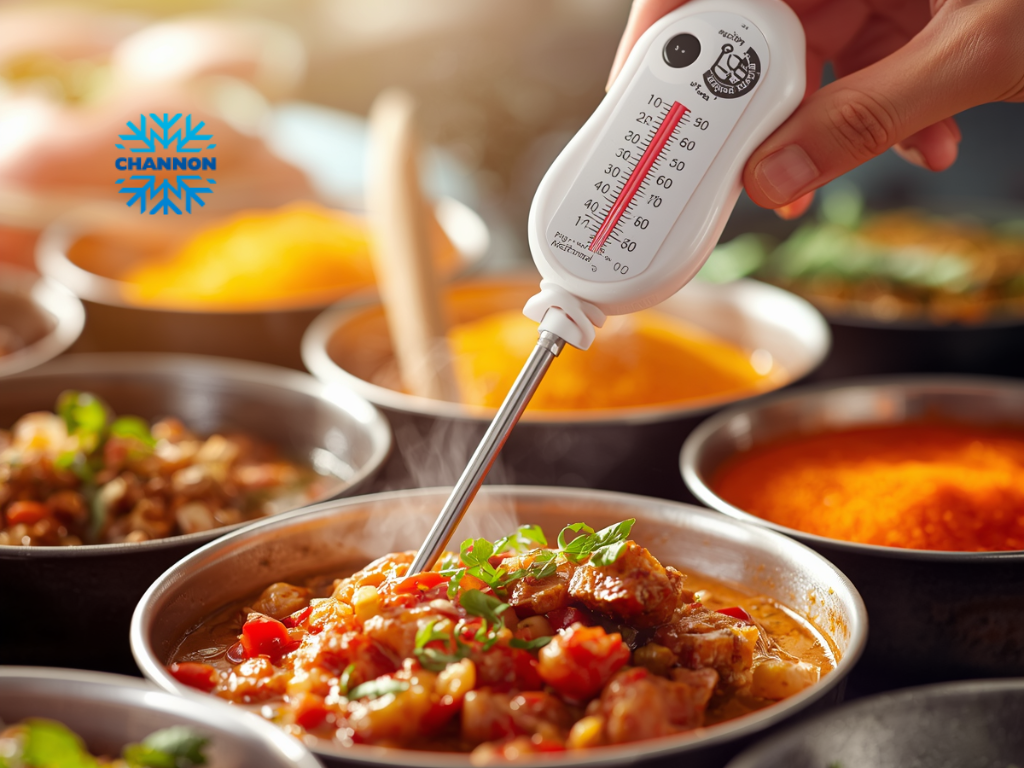
NSW food businesses that handle potentially hazardous food must have a readily accessible, accurate probe-type thermometer. The thermometer needs to be suitable for measuring food rather than only room or cabinet air.
A probe thermometer can check the internal temperature of food. It can also be placed between closely packed products where puncturing the packaging would be inappropriate, although this approach may require extra time to produce a reliable indication.
Clean and sanitize the probe before and after use to avoid transferring contamination between products. Staff should follow the thermometer manufacturer’s care instructions and use an appropriate sanitizing method.
The thermometer should also be checked for accuracy. The NSW Food Authority provides guidance on using and checking probe thermometers. If a device is damaged, difficult to read or produces unreliable results, it should not remain the business’s only means of verification.
Place the thermometer where trained staff can access it quickly. A device stored in a locked office or lost beneath other equipment may not be useful during a delivery check or refrigeration problem.
Recording the thermometer’s identification and accuracy checks can support consistent monitoring. Larger businesses may need more than one device to cover separate preparation, storage or service areas.
Check the food rather than relying only on the cabinet display
The display on a commercial refrigerator commonly shows a sensor reading from within the cabinet. It helps staff observe equipment operation, but it may not show the temperature of a particular product.
Air warms quickly when a door opens, while the temperature at the center of food changes more slowly. The display may therefore rise temporarily without the food becoming unsafe. The reverse can also occur: the displayed air temperature may return to normal before newly delivered food has cooled sufficiently.
Use the probe thermometer when a reading is unexpected, when receiving chilled food or when verifying that a product is within the required range. Choose an appropriate product or test location rather than checking only the coldest area.
For packaged food, staff may place the sanitized probe between two packages and allow time for the reading to stabilize. If a more exact internal reading is required, they may need to insert the probe into the food, provided this can be done hygienically and without compromising the product.
Keep refrigerator displays visible and respond to alarms, but treat them as part of a broader monitoring process. Product checks, staff observations and maintenance records provide a more complete picture.
If the cabinet and food readings differ regularly, the equipment may need inspection. Sensor position, airflow, loading or a technical fault could be affecting performance.
Monitor Refrigeration During Daily Operations
A temperature record can help a food business show that it monitors cold storage and responds to problems. The monitoring schedule should reflect the operation rather than becoming paperwork that staff complete without meaningful checks.
Useful times may include opening, before a busy service period and near closing. A business may need additional checks after deliveries, large stock loads, power interruptions or equipment alarms.
Record the date, time, unit or storage area, measured temperature and staff member. If a reading is outside the expected range, note what the business checked and what action it took.
A temperature above 5°C does not, by itself, reveal how long food has been outside temperature control. The business needs to consider earlier records, food temperature, staff observations and the timing of any equipment problem.
Digital monitoring and alarm systems can provide useful continuous information. They do not remove the need for staff to act when an alert occurs. Sensors should be positioned correctly and maintained according to the system requirements.
Records should be clear enough for another staff member, manager or authorized officer to understand. Unexplained gaps or identical readings entered repeatedly may make the records less useful.
Account for deliveries, loading and frequent door opening
Refrigeration performance changes during daily use. Warm incoming stock, crowded shelves and frequent door opening can all affect cabinet air temperature and cooling recovery.
Check chilled deliveries when they arrive. Food should not be accepted simply because the delivery vehicle feels cold. Review the food temperature and condition according to the business’s receiving procedure.
Move accepted chilled and frozen products into suitable storage promptly. Leaving cartons in a receiving area while other tasks are completed can add to the time food spends outside temperature control.
Do not block fans or vents when loading commercial fridges. Cold air needs room to circulate around the products. Overfilling may create warm areas and extend the time required for stock to cool.
Door-opening patterns also matter. Staff can reduce unnecessary air exchange by organizing products logically and retrieving required items efficiently. Damaged seals or doors that do not close fully should be addressed.
Sydney kitchens and retail premises can experience demanding conditions during warm weather. Equipment needs adequate ventilation and should not be placed where heat from cooking appliances or direct sunlight interferes with its operation.
Apply the Two-Hour and Four-Hour Rule Properly
Track the total time food spends between 5°C and 60°C
The two-hour and four-hour rule provides a recognized method for managing potentially hazardous food that has been between 5°C and 60°C. It does not give businesses permission to ignore refrigeration requirements.
The relevant time is cumulative. This means the business must add together every period the food spends between 5°C and 60°C during preparation, transport, storage and display.
For example, food may spend time outside refrigeration during delivery, preparation and service. Returning it to a refrigerator does not reset the elapsed time to zero.
The business needs a reliable way to know when the food left temperature control. Without time information, staff may not be able to apply the rule safely.
The rule is most useful when incorporated into a planned food-safety procedure. Labeling batches with preparation or removal times can make decisions clearer during service.
Businesses should train staff to understand both time and temperature. A quick glance at the current reading does not show the product’s complete history.
Decide whether food can be refrigerated, used or discarded
When potentially hazardous food has been between 5°C and 60°C for less than two hours in total, it may be used immediately or returned to refrigeration for later use.
When the cumulative time is between two and four hours, the food may be used immediately, but it must not be returned to refrigeration for later use.
After four hours, the food must be discarded. It should not be cooled again, sold or kept for another service period.
These time limits depend on knowing the food’s history. If staff cannot establish how long a product has been outside temperature control, the safest action may be to discard it.
The rule should not become the normal operating method for refrigerated storage. Commercial equipment should maintain safe conditions, while the two-hour and four-hour rule assists with controlled preparation, display and unexpected events.
The NSW Food Authority provides formal guidance and fact sheets explaining how to use the rule. Businesses should refer to the current guidance when developing their procedures.
Choose Equipment That Supports Safe Temperature Control
The right equipment depends on what the business stores, how much stock it holds and how often staff need access. A cafe, butcher, convenience store and commercial kitchen will not have identical requirements.
Consider usable internal capacity rather than external cabinet size alone. Shelving, airflow space and storage containers affect how much product the unit can hold safely.
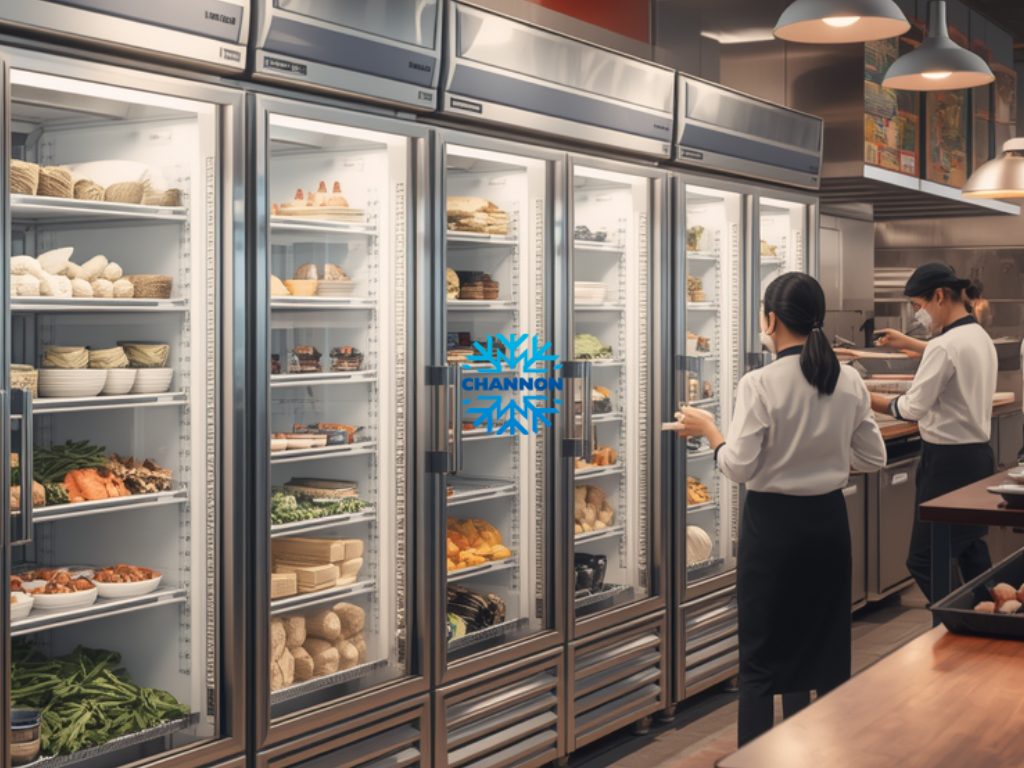
Commercial bar fridges can support beverage service and selected chilled products when used within their specifications. A commercial chest freezer may suit bulk frozen storage, while upright cabinets can provide quicker access to organized stock. Larger operations may require a cool room or freezer room.
Businesses reviewing commercial fridges sydney should also consider ventilation and ambient operating conditions. Some cabinets need clear space around the condenser, while others use remote refrigeration systems. The installation location can affect both performance and maintenance access.
When comparing commercial refrigeration sales sydney, check the intended use, operating temperature range, capacity, energy information, warranty and servicing arrangements. Confirm that the equipment is suitable for the actual site rather than choosing by purchase price alone.
Chanson can help businesses discuss refrigeration equipment, installation and servicing requirements. Provide details about the food operation, available space, access, expected stock volume and required temperature range when requesting advice.
Compare capacity, airflow, recovery time and temperature range
An oversize cabinet may use unnecessary space and energy, while an undersized one can become overcrowded. Estimate peak stock levels rather than considering only a typical quiet day.
Airflow should remain clear when the unit is fully loaded. Ask where vents, fans and return-air paths are located so staff know which areas must remain unobstructed.
Recovery time describes how effectively equipment returns to its normal operating range after a door opening, defrost cycle or stock load. Businesses with frequent access may need equipment designed for those working conditions.
Check whether the cabinet is designed for chilled or frozen storage and whether it can maintain the required conditions in the installation environment. Product displays, beverage cooling and back-of-house food storage can have different performance needs.
Businesses comparing commercial refrigeration for sale in Sydney may also consider buying, leasing or renting. A commercial refrigerator for rent may suit a temporary event, short-term replacement or changing business need, but the agreement should clearly cover delivery, maintenance, breakdown support and equipment condition.
Compare the total operating requirements rather than only the advertised capacity. Cleaning access, door configuration, shelving, drainage, noise and service access can all affect daily use.
Respond to Temperature Problems and Equipment Failure
Protect stock when refrigeration cannot maintain its temperature
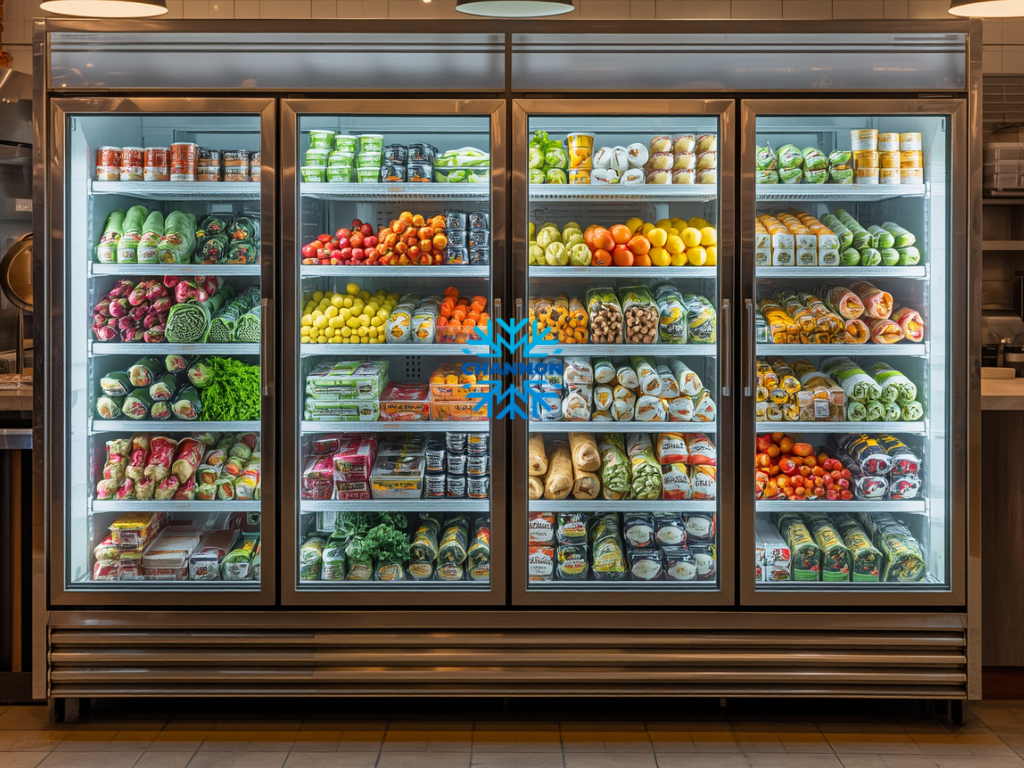
When a refrigerator is not holding temperature, first minimize further warming. Keep doors closed and stop adding warm stock. Identify which products may be affected and check their temperature with an accurate probe thermometer.
Review the last known acceptable reading and determine when the problem may have started. This information is necessary when assessing cumulative time outside temperature control.
Move food to working refrigeration if this can be done safely and without overcrowding the receiving cabinet. Label or isolate affected stock while its status is being assessed so staff do not use it accidentally.
Do not rely on smell, taste or appearance to decide whether potentially hazardous food is safe. Harmful bacterial growth may not produce an obvious warning.
Apply the two-hour and four-hour rule only when the business can establish the food’s time and temperature history. If there is uncertainty, seek suitable food-safety advice and take a cautious approach.
After protecting the stock, arrange an equipment inspection. Repeatedly resetting a cabinet or lowering the controller setting may hide a fault without correcting its cause.
Arrange servicing and keep clear corrective-action records
Temperature problems can result from damaged seals, dirty condenser coils, blocked airflow, fan faults, refrigerant-system issues or control problems. A qualified refrigeration technician should diagnose technical faults.
Tell the technician what staff observed, when the problem began and how the temperature changed. Alarm records, photographs and monitoring logs may help identify an intermittent issue.
Record the affected equipment, temperature readings, stock decisions and corrective actions. Note whether food was moved, used within an allowed period or discarded.
Maintenance records can reveal repeated faults and help a business decide whether ongoing repair remains practical. They can also support future equipment planning.
For commercial refrigeration in Sydney, service access and response arrangements deserve consideration before a breakdown occurs. Keep the equipment model, serial number and service contact details where managers can find them quickly.
Chanson can assess commercial refrigeration servicing, repairs and equipment requirements based on the specific site. Before requesting assistance, gather the unit details, recent temperature readings and a clear description of the problem.
Correct temperatures depend on suitable equipment, informed staff and consistent monitoring. By measuring food rather than relying only on cabinet displays, recording meaningful checks and responding promptly to faults, NSW food businesses can manage refrigeration risks more effectively.