
Home health monitoring can make it easier to record useful information between medical appointments. However, buying more medical equipment does not automatically lead to better monitoring.
The right device depends on what you actually need to measure. Ease of use, accuracy, fit and clear instructions are often more important than extra functions.
For example, someone asked to monitor blood pressure at home may only need a suitable automatic monitor. They may not need an expensive device with several connected features they will never use.
Australian buyers also need to consider where a device comes from. Blood pressure monitors are medical devices regulated by the Therapeutic Goods Administration. Unless an exemption or exclusion applies, medical devices must be included in the Australian Register of Therapeutic Goods before legal supply in Australia.
This guide explains how to compare home health equipment without buying products you do not need.
Understand what you actually need to monitor
Begin with the reason you need the device.
You may need to monitor blood pressure, blood glucose, weight or another health measure. The purpose should guide the product choice.
Avoid starting with a long list of available features.
Instead, ask what information you need to collect. Then consider how often you will use the device and who will use it.
A product for occasional personal use can have different requirements from equipment used every day by an older person or carer.
Ease of use also matters.
A device with a large display and simple controls may be more practical than one with many menus. Memory storage may be helpful if several readings need to be discussed later.
Connected apps can be useful for some users. However, they may add little value if you prefer to write readings in a diary.
The aim is to buy health equipment that supports a clear need.
Ask whether home monitoring has been recommended
Home monitoring often works best when you understand why you are collecting the information.
For blood pressure, your doctor may ask you to take readings at home and bring the results to an appointment. Health direct advises people to ask their health professional how often and for how long they should monitor their blood pressure.
This matters because the device only provides information. It does not decide what treatment you need.
Speak with a doctor, pharmacist or another suitable health professional if you are unsure what type of monitoring is appropriate.
They may also explain how to take readings correctly.
That advice can prevent you from purchasing healthcare equipment that does not suit the intended purpose.
It can also help you avoid paying for features that will not affect your care.
Compare the Main Types of Home health equipment
Home monitoring covers many types of equipment.
Some devices measure a specific health indicator. Others help users record information over time.
Blood pressure monitors are a common example. The TGA includes blood pressure monitors within its examples of regulated medical devices.
Health direct recommends an automatic blood pressure monitor with a cuff that fits around the upper arm correctly. It also advises choosing a device that has been validated for accurate measurement.
Other products have different requirements.
Before buying any device, read its intended purpose. Check what it measures and how you need to use it.
Also consider whether you can use the product correctly without assistance.
A device may offer excellent features on paper but still be a poor choice if the controls are confusing or the display is difficult to read.
Avoid buying functions you are unlikely to use
More features can increase the price of health equipment.
That does not mean those features provide better value for every person.
Consider Bluetooth or app connectivity. These functions may help someone who regularly tracks readings on a phone.
Another user may only need a clear display and internal memory.
The same applies to multiple user profiles. A shared household device may benefit from separate profiles. A person buying the device only for themselves may not need them.
Think about power as well.
Some users prefer replaceable batteries. Others may find rechargeable equipment easier to manage.
Storage can also matter. A compact product may suit a small home or frequent travel.
Compare features against your actual routine rather than choosing the longest specification list.
Check Accuracy Usability and Instructions Before Buying

Choose equipment that is simple enough to use correctly
A monitoring device is only helpful when you can use it as intended.
Look at the screen before buying. Check whether numbers and instructions are easy to read.
Controls should also make sense to the intended user.
For blood pressure monitors, cuff fit is particularly important. Health direct advises using an automatic monitor with an upper-arm cuff that fits correctly. It does not recommend finger or wrist machines for routine home blood pressure monitoring.
Consider how the device guides you through each reading.
Clear instructions can reduce mistakes. Some products may also store previous measurements, which can make it easier to review results with a health professional.
If an older family member will use the equipment alone, simplicity may deserve more weight than advanced technology.
A product should fit the person using it, not only the health condition being monitored.
Understand what results the device can and cannot tell you
Home healthcare equipment can provide useful information.
However, a reading is not the same as a complete medical assessment.
For example, a blood pressure monitor can measure blood pressure. Your doctor can then consider those readings alongside your medical history and other information.
Health direct notes that home monitoring can help doctors diagnose and manage high blood pressure. It also recommends discussing ongoing high readings with a doctor.
Avoid using a home monitoring product to diagnose yourself.
The same caution applies when comparing devices that make broad health claims.
Check the intended purpose of the product. Make sure you understand what the result represents.
If you are uncertain about a reading or how it relates to your health, speak with a suitable health professional.
Check Australian Requirements and Product Information
Australian buyers should check more than price and delivery time.
Start with the product name, manufacturer and intended purpose.
If the product is a medical device, Australian regulatory requirements may apply.
The TGA states that medical devices generally need inclusion in the ARTG before they can be legally supplied in Australia, unless an exemption or exclusion applies. The level of regulation also depends on the risk associated with the device.
This does not mean every health-related product is regulated in exactly the same way.
The intended purpose matters when deciding whether a product falls within the medical device framework.
When comparing australian medical supplies, look for clear product information and instructions.
If you cannot determine what the product is designed to do, ask the supplier before purchasing.
Be careful when comparing products from overseas websites
Online shopping makes it easy to compare hundreds of devices.
However, products sold overseas do not automatically meet Australian supply requirements.
Price alone should not decide the purchase.
Check who supplies the device in Australia. Review the manufacturer’s information and the intended use.
Be cautious when a listing provides little more than a product photograph and a collection of health claims.
You should also think about what happens after the purchase.
Can you obtain instructions? Is support available if something goes wrong? Can replacement cuffs, batteries or other relevant accessories be sourced?
These questions become particularly important for equipment you expect to use regularly.
A slightly cheaper device may offer poor value if you cannot confidently use or maintain it.
Think Beyond Monitoring When Planning Home Care

Consider bathroom medical equipment and everyday safety needs
Health monitoring is only one part of supporting someone at home.
Some people may also need help with movement, bathing or everyday activities.
Bathroom medical equipment can include products designed to support showering, toileting or transfers. The right choice depends on the person’s mobility, strength, balance and home environment.
Australian Health Care currently lists bathroom medical equipment alongside home care equipment, mobility products, pressure care and other medical device categories.
However, avoid buying several support products simply because they appear related.
Start with the difficulty the person is experiencing.
A bathroom aid that solves a real access or safety problem may be useful. A collection of unused equipment creates clutter and unnecessary cost.
Where mobility or fall risk is a concern, professional assessment may also help identify suitable options.
Match health care supplies to the person’s real routine
Think about how the person moves through a normal day.
When will they use the equipment? Where will it stay? Can they reach and operate it comfortably?
Storage is another practical consideration.
A home can become difficult to manage when too many health care supplies are kept without a clear purpose.
Carers should also understand how products are cleaned and maintained.
Some items may need replacement components. Others may require charging or regular inspection.
Before purchasing, consider how much ongoing work the product creates.
Good home care equipment should make daily routines easier, not introduce extra steps that nobody can manage consistently.
How to Choose the Right Medical Equipment Store or Product
Start by comparing products that serve the same purpose.
Look at intended use, controls, instructions and user suitability. Consider whether important accessories are included.
Warranty and ongoing support can also influence value.
For monitoring equipment, ask whether the device is appropriate for home use and whether the person can operate it correctly.
If you are buying a blood pressure monitor, validation and cuff fit deserve more attention than cosmetic features. Health direct specifically recommends a validated automatic upper-arm device with the correct cuff size.
Australian Health Care is one medical equipment store that buyers can include when comparing options. Its current online catalogue includes medical devices, home care equipment, bathroom products and mobility equipment. It also lists blood pressure monitoring products.
Compare any supplier on the same practical factors.
The goal is to find suitable equipment rather than automatically choosing the cheapest or most advanced model.
Know what to ask a medical supply store before purchasing
A medical supply store should be able to provide useful product information.
Tell the supplier what you need the equipment for.
Ask whether the model is intended for that use and what is included with the purchase.
For monitoring devices, check whether you need separate cuffs, strips, sensors or other consumables.
Also ask about replacement parts when they are relevant.
If several similar products are available, request a clear explanation of the differences.
For example, one blood pressure monitor may mainly offer straightforward readings. Another may add memory, multiple profiles or app connectivity.
Those extra features are worthwhile only if they solve a real need.
When speaking with Australian Health Care or another supplier, describe the user’s routine and practical requirements first.
That gives the supplier better information than simply asking for the “best” device.
When Should You Contact a Medical Equipment Supplier or Health Professional
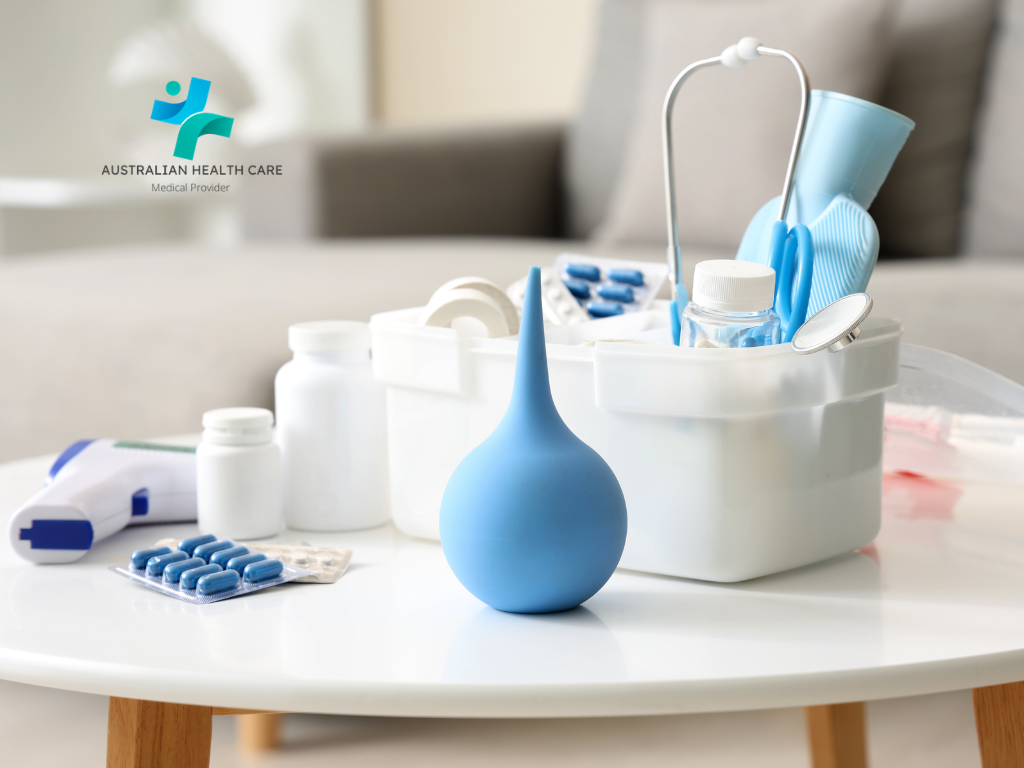
Contact a supplier when you need help comparing suitable equipment
A supplier can help with product-related questions.
Contact a medical equipment store when you need clarification about size, features, accessories or availability.
Supplier advice can also help when you are comparing several similar products.
Have some basic information ready.
Explain who will use the device and what it needs to measure or support. Mention any practical concerns, such as poor eyesight or difficulty handling small controls.
If you contact Australian Health Care or another provider, ask which products match those requirements.
Then compare the recommendation with the product instructions and any advice you have received from your health professional.
This approach keeps the buying decision focused on suitability.
Seek professional advice when monitoring relates to a medical condition
A supplier can explain a product. A health professional should guide medical decisions.
Speak with your doctor, pharmacist or another appropriate professional when you are unsure what should be monitored.
They can also advise how often measurements should be taken and how the information fits into your care.
For home blood pressure monitoring, Health direct recommends asking your health professional how often and for how long you should take readings. It also recommends seeking medical advice for persistently high blood pressure.
Do not buy extra medical equipment simply to collect more health data.
Start with the information that is genuinely useful.
Then choose equipment that is suitable, easy to use and supported by clear instructions.
For most households, buying the right device is more valuable than buying the largest collection of devices.