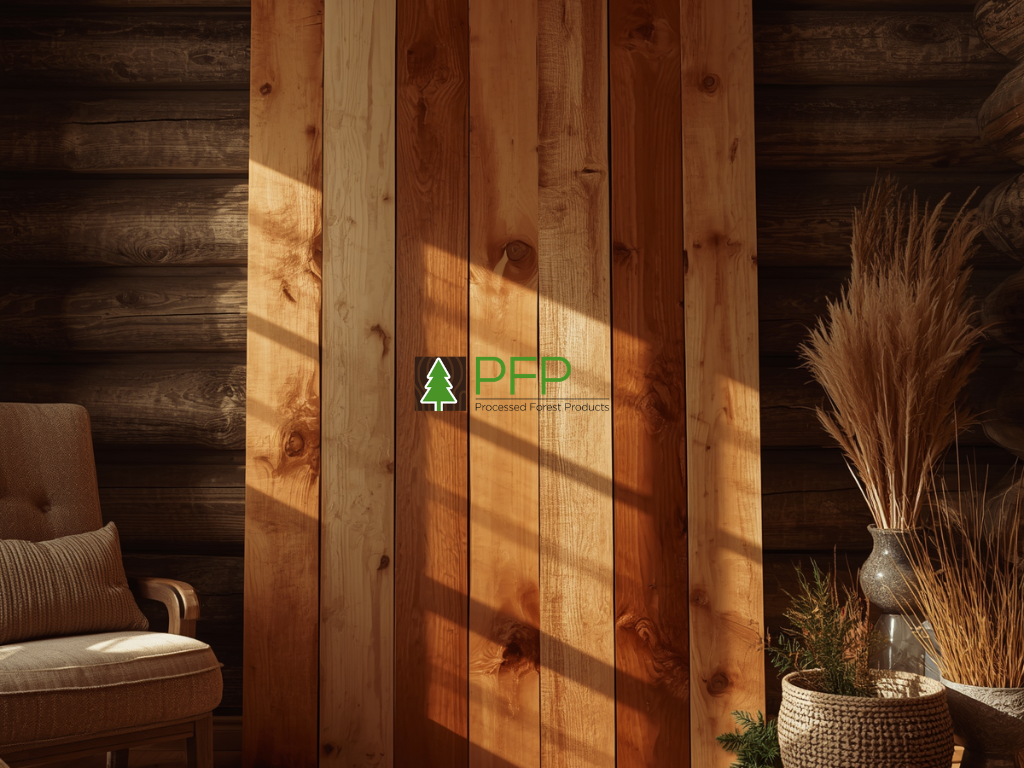
Choosing between timber veneer suppliers involves more than comparing colours or asking for a price per panel. The timber species, veneer cut, matching method and substrate can all affect the finished result. Panel size, grain direction, edging and coating also need careful thought.
The right supplier should help you understand the complete product before you place an order. They should explain the available options, identify possible specification problems and recommend panels that suit the intended use.
For projects in Sydney and across NSW, it helps to discuss samples, stock and manufacturing needs early. You should also confirm delivery arrangements before finalising joinery drawings. This can prevent problems if a veneer is unavailable or unsuitable for the required panel size.
How supplier decisions affect the finished result
Timber veneer consists of thin slices of real timber. A manufacturer bonds these slices to a substrate such as MDF, particleboard or plywood. The result is a stable panel with a genuine timber surface.
Because veneer comes from real timber, each piece can look slightly different. The grain, colour, figure and natural features may vary between leaves. These differences often add character, but they also need to suit the design.
A supplier should explain the level of variation you can expect. They should also confirm whether the available leaves will suit the size and quantity of your project. This matters when the veneer needs to continue across cabinet doors, wall panels or connected joinery.
The Timber Veneer Association of Australia recommends confirming the veneer batch, matching method and grain direction before production. It also recommends checking the substrate, edging, sequence requirements and finish. An indicative finished sample can help everyone agree on the expected appearance.
These decisions affect whether the panels look calm, strongly patterned or intentionally varied. Discussing them early gives the supplier and fabricator a much clearer brief.
Where timber veneer panels are commonly used
Timber veneer suits many residential, commercial and architectural interiors. Common uses include kitchen cabinetry, wardrobes, doors and built-in furniture. It also works well for reception desks, office joinery, retail counters and decorative wall panels.
The right panel construction depends on how and where you plan to use it. A low-contact wall feature has different needs from a cabinet door that people open every day. A table or counter may also need a more durable finish because it faces regular handling and cleaning.
Tell the supplier where the finished panel will be installed. Explain whether it will sit vertically or horizontally and how often people will touch it. You should also mention nearby moisture, heat or direct sunlight.
This information helps the supplier recommend suitable products. However, the project designer, joiner or builder should still confirm the final construction and installation details.
Understand What You Are Actually Ordering
Timber veneer is not the same as solid timber. Solid timber components come from full pieces of wood. A veneered panel uses a thin timber surface over a separate board substrate.
Veneer makes it possible to use real timber across large and stable panel surfaces. This makes it useful for cabinetry, doors, furniture and wall linings. However, the performance of the panel depends on more than the visible veneer.
The substrate, adhesive, backing layer, edging and finish all play a role. Installation and ongoing care also affect how well the product performs.
Decorative laminate is different again. A timber-look laminate copies the appearance of wood with a manufactured surface. Natural timber veneer keeps the grain and variation of genuine wood.
Neither option suits every project. The right choice depends on the design, expected wear and cleaning needs. Budget and the preferred level of natural variation also matter.
Natural and reconstituted veneer options
Natural timber veneer comes directly from a log. It keeps the grain and features of the tree from which it was cut. Even panels from the same species can show different colours, patterns and natural marks.
Many people value this variation because it gives the finished surface a unique look. However, variation may create challenges when several panels need to look closely related. Viewing several leaves from the available batch can help set realistic expectations.
Reconstituted veneer, which is also called engineered veneer, offers a more controlled appearance. Manufacturers produce it to create a repeatable grain and colour pattern. It may suit projects that need a more consistent look across many panels.
Ask whether the sample represents the stock that will be used for your order. You should also ask how closely additional material may match if you need replacement panels later.
Forest Products lists natural and reconstituted veneer within its product range. Current species, colours and availability should always be confirmed before specification or ordering.
Compare Species, Cuts and Matching Methods
Choosing colour, grain and natural character
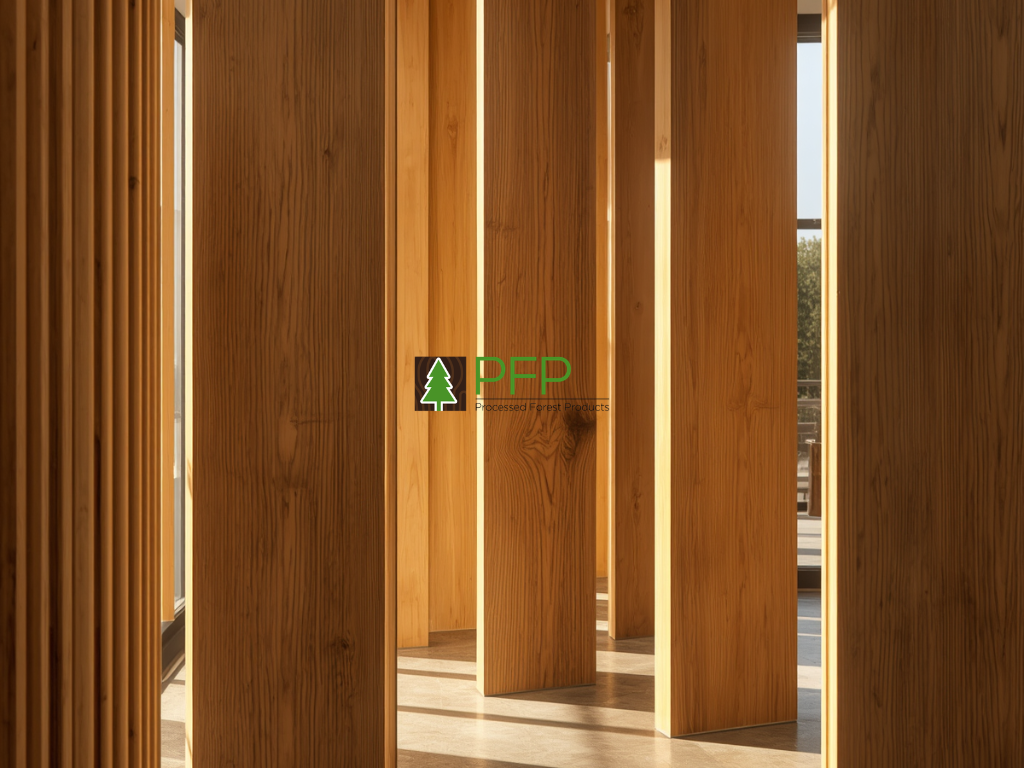
Choosing a species involves more than deciding between light and dark timber. Different species can show straight grain, flowing patterns, fine lines or strong figure. Some may also include knots, burls or noticeable colour changes.
Start by collecting reference images that show the look you want. This helps the supplier understand whether you prefer a pale and simple finish or a darker feature surface. You may also want a strong Australian timber character or a more decorative grain.
Online images provide a useful starting point, but they should not replace physical samples. Screen settings and photography can change the apparent colour of timber. Lighting can also make the same veneer look different from one room to another.
The chosen coating may deepen the colour or highlight the grain. It can also change the level of contrast and surface sheen.
Ask whether the sample comes from current stock. For a large joinery or wall-panel project, request a larger sample when possible. Several leaves or finished panels will show the likely variation more clearly than one small piece.
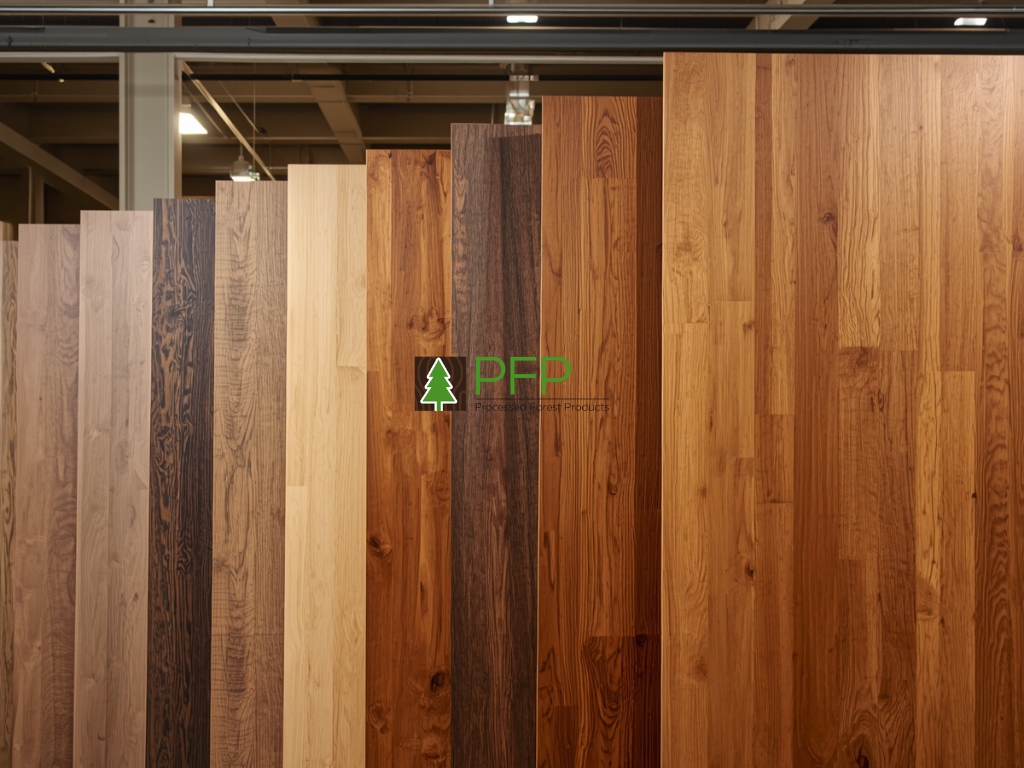
Forest Products displays options such as American Walnut, American White Oak, Blackbutt and European Oak. Buyers searching for timber veneer in Sydney or NSW should confirm current stock, available cuts and panel dimensions before placing an order.
How cutting and matching change the panel appearance
The way a log is cut changes the grain pattern seen on the veneer. Crown cutting often creates a flowing or cathedral-style pattern. Quarter cutting usually creates a straighter and more even grain.
Rift cutting can produce a clean and linear appearance. Rotary cutting peels the veneer around the log and may create a broader pattern with more variation.
After cutting, the manufacturer arranges the individual leaves to form a larger surface. Book matching places neighbouring leaves beside each other as mirrored pairs. The finished pattern looks similar to the pages of an open book.
Slip matching places each leaf in the same direction. This creates a more repeated grain flow. Random matching may suit projects that need a less formal or more natural appearance.
The Timber Veneer Association of Australia identifies book matching as a widely used method. However, it may not suit every design.
Ask your supplier to show how each option will look across the full panel width. You should also confirm whether the project needs sequence matching. This process can help the grain continue in a planned order across doors, cabinets or wall sections.
Select the Right Substrate and Panel Dimensions
The substrate forms the main body of a veneered panel. Common choices include MDF, particleboard and plywood. Each material has different features and suitable applications.
MDF provides a smooth and even surface. Joiners often use it for detailed interior cabinetry and furniture components. Particleboard also suits many general cabinetry and interior panel applications.
Plywood has a layered construction. It may suit projects that need particular fixing, machining or performance characteristics. However, suitability depends on the grade and full panel specification.
Do not choose the substrate based only on price. Consider the finished panel size, fixing method and edge treatment. You should also think about expected loads, machining requirements and possible moisture exposure.
The Timber Veneer Association of Australia recommends selecting the substrate according to the panel’s use and location.
Some projects may also require fire, moisture, acoustic or structural performance. In these cases, request documents for the complete specified panel. The decorative timber veneer alone does not determine the performance of the finished product.
Confirming thickness, size, grain direction and edging
Always confirm panel dimensions as length by width by thickness. You should also state the grain direction clearly. This affects the appearance of the finished work and the way the fabricator cuts each panel.
Australian industry guidance notes that a panel listed as 2400 by 1200 millimetres will usually have grain running along the 2400-millimetre length. However, you should still show the grain direction on drawings and order documents.
Ask the supplier about standard and available sizes before completing the cutting plan. If the required length is unavailable, the design may need extra joins. You may also need to change the grain direction or choose another veneer.
Edging needs early planning as well. Some projects use matching veneer edging, while others use solid timber or another compatible material. Confirm whether the supplier provides the edging loose, applies it during production or leaves it for the joiner.
You should also discuss balanced construction. A manufacturer may add a backing veneer or balancing layer to the reverse side. This helps reduce uneven pulling forces and lowers the risk of panel distortion.
A well-planned timber wood panel should combine a suitable face veneer, substrate, backing material and edge treatment. All parts need to work together.
Plan Samples, Finishes and Installation Requirements
Reviewing representative and finished samples
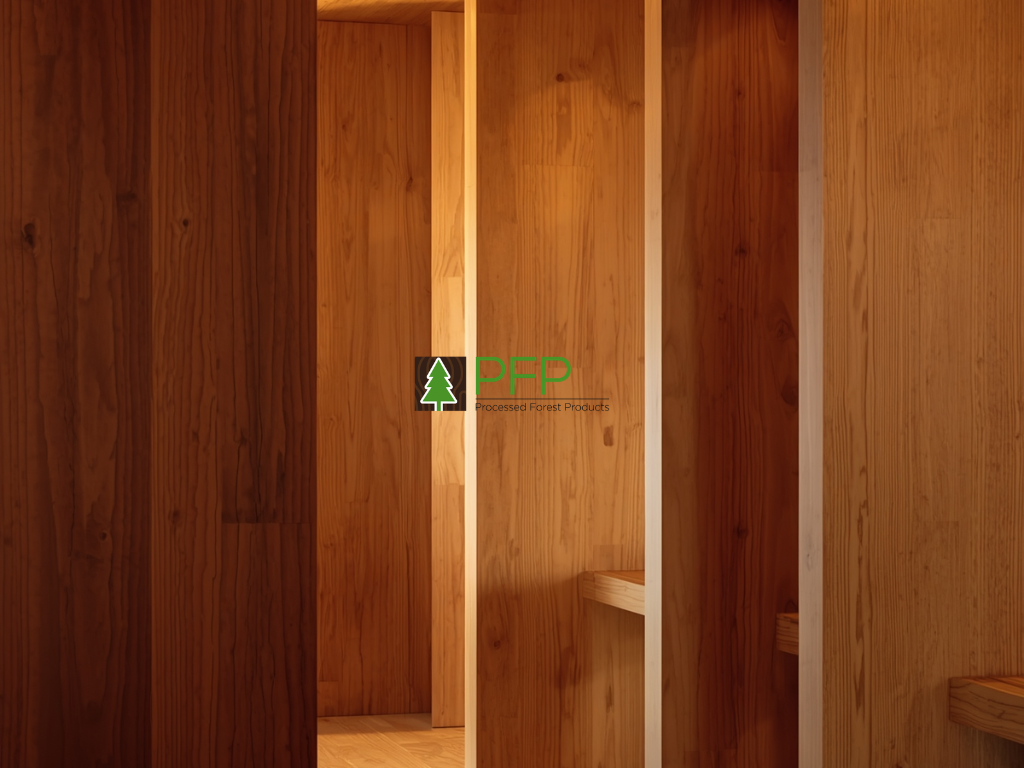
A raw veneer sample shows the species and grain, but it does not show the final colour after coating. Sanding and finishing can change the contrast, sheen and apparent depth of the timber.
Request a finished sample that uses the proposed veneer and coating system. Where possible, the sample should also show the intended gloss level. It should indicate whether the grain will remain open or receive a filled finish.
Review the sample under lighting that is similar to the planned interior. Warm residential lights can make timber look different from bright office or retail lighting. Natural daylight can create another result again.
Document the approval process when several parties take part in the project. The client, designer, joiner and supplier should all use the same approved reference.
Even so, everyone should understand that natural veneer will not always match a small sample exactly. A sample provides guidance, not a promise that every leaf will look identical.
Preparing for storage, finishing and site conditions
Protect veneered timber panels before installation. Store them away from rain, high humidity and dirty work areas. Do not leave them in conditions where they may absorb excess moisture.
MDF and particleboard can take in moisture from the surrounding air. For this reason, the Timber Veneer Association of Australia recommends storing veneered boards in a cool and dry place.
The coating should also suit the intended use. A decorative wall panel may not need the same finish as a cabinet door or reception counter. High-contact areas may need a coating that handles regular cleaning and daily wear.
Ask the coating supplier or finisher to recommend a suitable system. Explain the expected use, cleaning routine and interior conditions.
Allow enough time for delivery, machining, sanding and sample approval. The schedule should also include finishing and installation. Confirm all manufacturing and delivery times for the chosen species, quantity and panel construction.
How to Compare Timber Veneer Suppliers
A useful comparison should look at what each supplier can provide for your project. Some businesses supply loose veneer leaves only. Others also manufacture completed veneered panels.
Ask whether the supplier can provide veneer layons, pressing, matching and edging. You should also discuss specialist layouts, large panel sizes and small production runs where relevant.
A capable timber veneer manufacturer may identify problems before the material reaches the joiner. For example, they may notice that the available leaf width will not suit the proposed matching layout. They may also suggest a more practical panel size.
Forest Products states that it manufactures veneered panels using MDF, particleboard and plywood substrates . Its listed services include veneer layons, edging and decorative veneer arrangements.
These services may help joiners, designers, cabinetmakers and builders who need more than loose veneer leaves. However, buyers should still confirm the exact panel construction, quantity and production schedule.
Clear communication is another important trust signal. A supplier should explain natural variation and provide useful sample information. They should also identify the decisions needed before production starts.
Read each quotation carefully. It should state the species, substrate, thickness and matching method. It should also include grain direction, edge requirements, finish responsibility and any certification needs.
Reviewing certification, availability and delivery requirements
Ask about certification when the project requires responsible sourcing documents. FSC or PEFC-certified material may not be available for every veneer and substrate combination.
A company may hold chain-of-custody certification without supplying every order as certified. Therefore, you should request current documents for the exact material you plan to buy.
The certification requirement should appear on the quotation and purchase order. It should also appear on the relevant supporting documents.
Forest Products lists FSC and PEFC boards and veneers among its products. Responsible Wood also lists Processed Forest Products as holding PEFC Chain of Custody certification. Buyers should confirm that these details remain current and apply to the selected order.
Customers looking for timber veneer suppliers in Sydney should also consider collection and delivery arrangements. Confirm where the company will make or prepare the panels. Ask whether it can deliver to your workshop or project site.
You should also check how the supplier protects panels during transport. Large timber panels may require suitable unloading access and safe on-site storage.
A local supplier can make sample review and communication easier. However, location should not be the only deciding factor. Product suitability, manufacturing ability and clear documentation are more important.
When to Contact the Supplier
Projects that require early supplier involvement
Contact timber veneer suppliers early when the project involves large wall areas or many matching panels. You should also seek advice for unusual dimensions, curved components or specialist edging.
Early involvement helps when the design requires sequence matching or a strict completion date. It is also useful when you need a particular Australian species, a highly figured veneer or certified material.
These requirements may depend on the available log batch and veneer leaf sizes. The total project quantity can also affect what the supplier can provide.
Speak with the supplier before finalising drawings when the required panels are close to standard size limits. A small change to a cabinet or wall section may improve material use. It may also reduce joins and unnecessary waste.
Even a simple project can benefit from early advice. It is much easier to correct a specification before the timber panels enter production.
Information to provide when requesting advice or a quote
When contacting Forest Products or another timber veneer supplier, begin by explaining the application. State whether you need panels for cabinetry, doors, furniture, wall linings or commercial joinery.
Provide the preferred species or a clear visual reference. You should also include the approximate quantity, finished dimensions and required thickness. Mention your preferred substrate and grain direction.
Explain any matching, sequencing, edging or certification requirements. You should also confirm whether the supplier or another contractor will complete the finishing.
Include the project location and required delivery date. For a timber veneer Sydney or timber veneer NSW enquiry, provide the suburb or delivery area. This helps the supplier assess transport and handling requirements.
When parts of the design remain flexible, tell the supplier. They may suggest another panel size, matching method or available species. A practical alternative may keep the intended appearance while making production easier.
A clear enquiry helps the supplier provide useful advice and an accurate quotation. It also gives you a fair basis for comparing services.
The most suitable supplier will help you understand the complete panel, not only the visible timber surface. Confirming the veneer, substrate, dimensions, matching method and finish early can prevent confusion. It can also help the project move into production with clearer expectations.