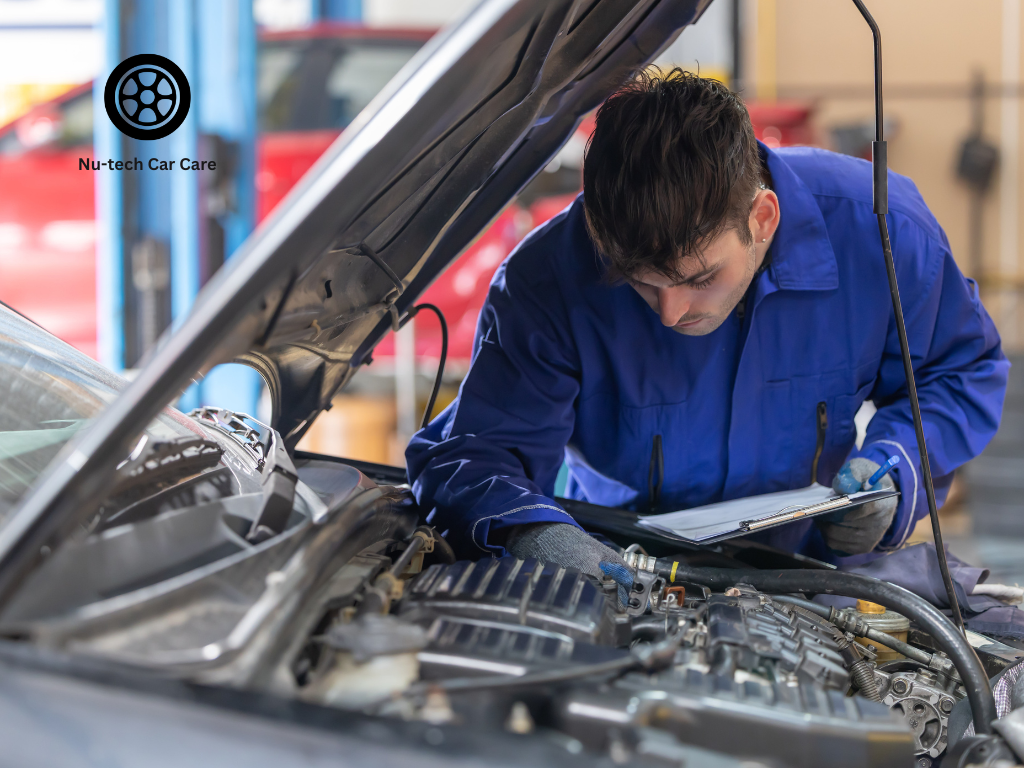
A vehicle’s cooling system works quietly in the background, carrying heat away from the engine and helping it operate within its intended temperature range. When part of that system begins to fail, the first signs may appear as a small coolant leak, an unusual smell or a temperature gauge that sits slightly higher than normal.
These signs are easy to dismiss, particularly when the car still appears to drive normally. However, cooling problems can become more serious when coolant continues to escape or a faulty component prevents heat from leaving the engine.
For drivers comparing cooling system services, the most important questions are what caused the problem, whether it is safe to continue driving and what the workshop will inspect.
This guide explains the main warning signs, what a cooling system service may include and when to contact a mechanic.
How the system controls engine temperature
The cooling system circulates coolant through the engine and transfers heat to the radiator, where that heat can be released.
The exact design varies between vehicles, but the system commonly includes coolant, a radiator, hoses, a thermostat, a water pump, a pressure cap and one or more cooling fans.
The thermostat helps control coolant flow as the engine warms. The water pump moves coolant through the system, while the radiator and fans help release heat.
Each component has a separate role, but they need to work together. A problem with circulation, airflow, coolant level or pressure can affect the system’s ability to control temperature.
The correct coolant type and maintenance schedule should be confirmed through the vehicle manufacturer’s information because requirements vary between makes and models.
Why small faults can become serious
A slow coolant leak may begin with only a few drops beneath the vehicle or a level that needs topping up occasionally.
As more coolant is lost, the system may no longer transfer heat effectively. A damaged hose, leaking radiator, faulty cap or failed component may allow the problem to worsen.
RACQ advises that cooling systems with poor maintenance or even minor leaks are more likely to fail when placed under additional heat stress.
Simply adding more water or coolant does not identify the reason the level dropped. The source of the loss still needs to be found.
A workshop should therefore investigate the cause rather than treating repeated top-ups as a complete repair.
Recognise the Early Warning Signs
The temperature gauge should normally remain within the vehicle’s usual operating range.
A gauge that begins rising above its normal position may indicate that the engine is no longer being cooled effectively. Some vehicles use a warning light or dashboard message instead of a traditional gauge.
RACQ recommends monitoring the temperature gauge or warning light while driving and responding as soon as signs of overheating appear.
The warning may appear only under certain conditions, such as slow traffic, long hills, towing or hot weather. This does not make it unimportant.
Intermittent overheating can still point to a cooling-fan problem, low coolant, restricted circulation or another fault that needs diagnosis.
Record when the warning appears because those details may help the mechanic reproduce and identify the problem.
Check for coolant loss, smells and visible leaks
Coolant leaks may appear beneath the front of the vehicle, around the engine bay or near hoses and connections.
Coolant colour varies by vehicle and product, so the colour of a puddle alone may not identify the source. However, unexplained coloured liquid, steam or a sweet chemical smell should not be ignored.
Repeatedly needing to add coolant is another warning sign. A sealed system should not require frequent top-ups without an underlying reason. NSW Government vehicle-inspection guidance recommends checking that radiator coolant is clean and brightly coloured. It notes that oil in the coolant may indicate a serious internal engine problem.
Do not place hands near leaking coolant or moving engine components while the vehicle is running or hot.
Know What to Do if the Engine Overheats
Pull over and switch off the engine safely
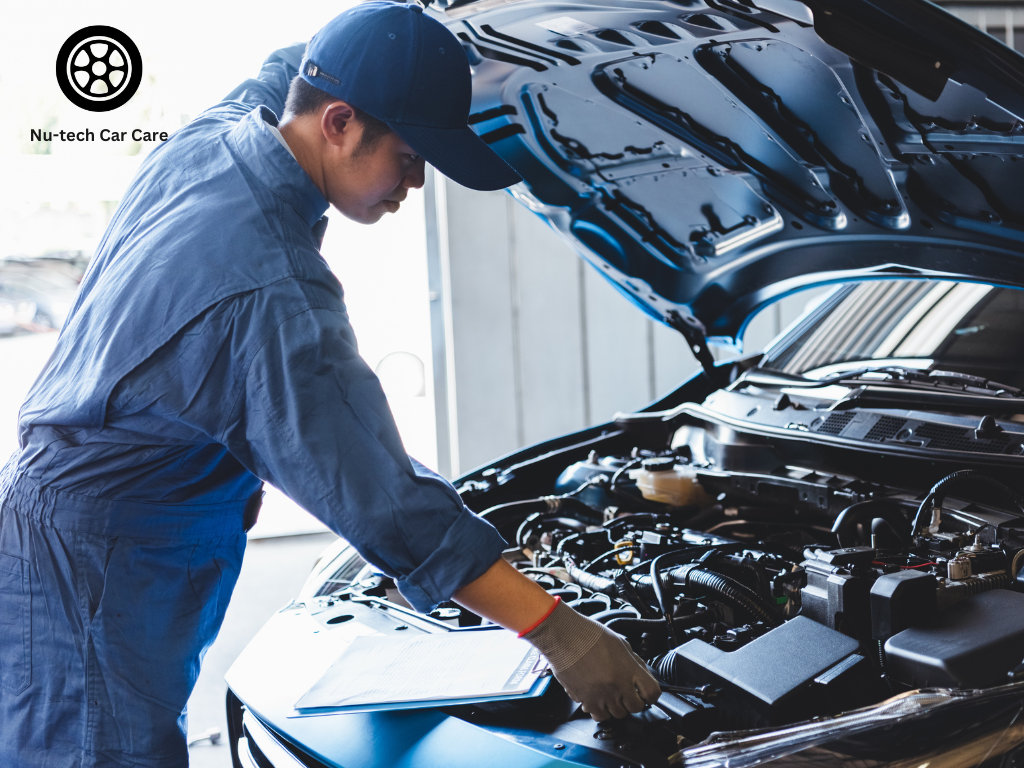
When the temperature warning appears, steam becomes visible or the gauge moves into the hot range, find a safe place to pull over as soon as practical.
Switch off the engine and arrange assistance rather than continuing to drive in the hope that the temperature will fall.
RACQ warns that driving even a short distance after overheating begins can significantly increase engine damage and repair costs.
If road or weather conditions are unsafe, prioritise personal safety and move only as required to reach a safer location.
Do not assume that the vehicle is repaired because it restarts after cooling. The original cause and any resulting damage should still be checked.
Avoid opening a hot cooling system
Never remove the radiator or pressurised coolant cap while the engine is hot.
The system may contain very hot coolant under pressure. Opening it can release steam and liquid suddenly, creating a serious scalding risk.
RACQ also advises against pouring cold water into a hot engine because the sudden temperature change may cause further damage.
Allow the vehicle to cool fully and follow the owner’s manual or roadside-assistance instructions.
Cooling may take a considerable amount of time. A driver should not rely on touching the bonnet or waiting only a few minutes to decide that the system is safe.
Understand What a Cooling System Service Includes
A cooling system service should begin with a discussion of the symptoms and a visual inspection.
The mechanic may check the coolant level and condition, hoses, connections, radiator, reservoir and surrounding areas for leakage or deterioration.
A pressure test may be used to identify leaks that are not obvious when the engine is cold. The exact testing method depends on the vehicle and suspected problem.
Hoses should be checked for cracks, swelling, softness, hardening or damage near clamps and connections.
The radiator should also be inspected for corrosion, damaged fins, blocked airflow and leakage. NSW Government vehicle guidance recommends checking radiator cooler fins and core tubes for corrosion or damage.
Check fans, belts, thermostat and circulation
A complete inspection may extend beyond the radiator and coolant.
Electric cooling fans should operate when required. A fan that does not switch on may allow the vehicle to overheat in traffic even if it seems normal at higher road speeds.
The mechanic may also review the water pump, thermostat, drive belts, sensors and related electrical connections.
Where coolant circulation is restricted, the engine may overheat even though the reservoir appears full.
The workshop should explain which checks were completed and what evidence supports the recommended repair.
Replacing parts without identifying the likely cause can lead to unnecessary cost or leave the original problem unresolved.
Connect Cooling Repairs with General Maintenance
Review the vehicle as a complete system
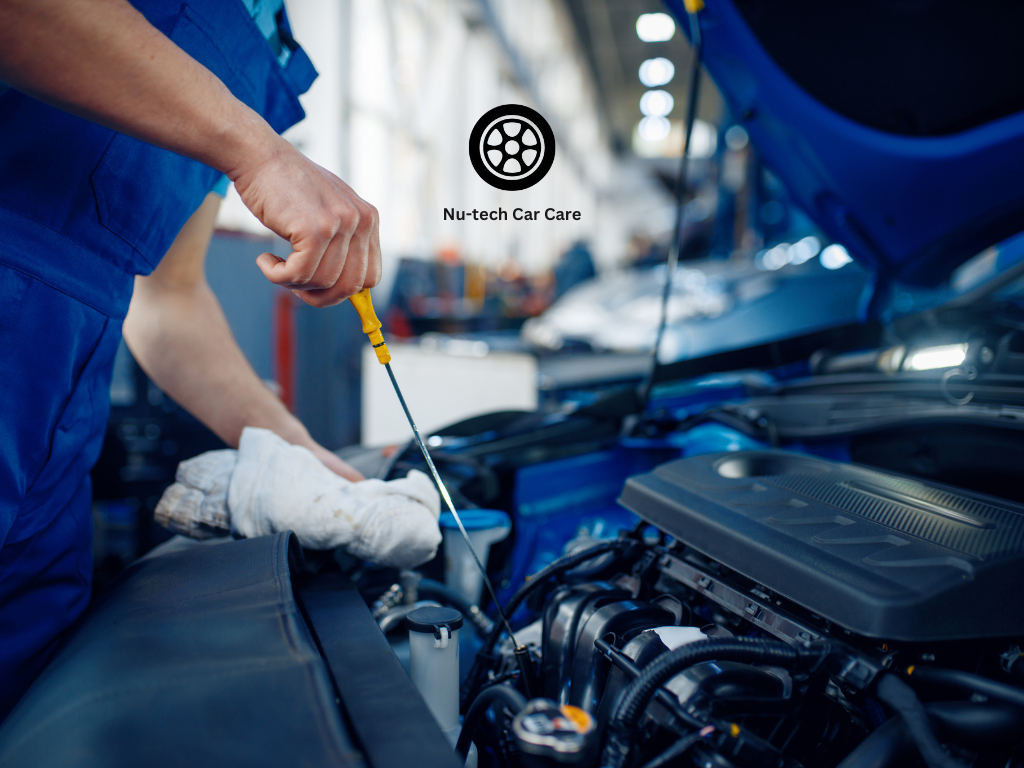
A cooling-system inspection can be combined with broader Car Maintenance when the vehicle is already due for servicing.
During a general Car Service, the workshop may also review engine oil, filters, belts, battery condition, tyres, brakes and other scheduled items.
Drivers searching for car battery repair near me may discover that a starting problem and overheating concern are unrelated, but both should still be diagnosed properly.
Likewise, a tyre tech can inspect tyre wear and pressure, but tyre work does not replace mechanical diagnosis of an engine-temperature problem.
Combining inspections can be convenient, although the quote should identify which work relates specifically to the cooling system and which items form part of general maintenance.
Keep registration and safety checks separate
A rego check or vehicle safety inspection does not replace regular servicing.
The inspection requirements for registration focus on whether the vehicle meets the relevant safety standards at the time of inspection. They should not be treated as a complete assessment of every mechanical system.
A vehicle may pass a registration inspection and still develop a coolant leak, ageing hose or thermostat fault later.
Drivers should therefore follow the manufacturer’s maintenance schedule and respond to warning signs between registration inspections.
Service records can help the workshop see when coolant, belts or related components were last replaced.
Choose the Right Automotive Service
When comparing workshops, ask how the cooling problem will be diagnosed.
A useful quote should identify the reported symptoms, planned checks, suspected cause and parts recommended for replacement.
Customers should also ask whether the quote includes coolant, labour, testing, disposal and any follow-up inspection.
Where several repairs are recommended, the workshop should explain which work is urgent and which items are preventive.
Ask about the parts warranty and whether the workshop will contact you before completing work beyond the approved amount.
Clear communication is an important trust signal because overheating can involve several possible causes rather than one standard repair.
Check availability and service scope
Drivers often search for car services nearby when a warning appears unexpectedly.
Location matters, but the workshop should also have suitable diagnostic and repair capability for the vehicle.
Check whether the business handles cooling-system inspections, radiator and hose replacement, thermostat work, general servicing and related electrical diagnosis.
People searching for mechanics open on Sundays should confirm current trading hours directly because weekend availability may change.
If the vehicle is actively overheating, do not drive farther simply to reach a preferred workshop. Roadside assistance or towing may be safer.
When to Contact Nu-Tech Car Care

Book an inspection when warning signs appear
Nu-Tech Car Care can be contacted when a driver notices rising engine temperature, coolant loss, visible leakage, steam or repeated dashboard warnings.
Early inspection may allow the cause to be identified before the vehicle experiences a complete overheat.
The workshop can also be contacted when the cooling system is due for scheduled maintenance or when a used vehicle shows uncertain coolant condition.
Drivers should avoid asking only for a coolant top-up when the level has dropped without explanation. The reason for the loss should be investigated.
Where the vehicle cannot be driven safely, ask Nu-Tech Car Care whether towing or another transport arrangement is appropriate.
Prepare useful information before the visit
Before contacting the workshop, note which warning light appeared and where the temperature gauge was positioned.
Explain whether the problem occurred during traffic, highway driving, towing, idling or hot weather.
Mention any visible coolant, steam, unusual smell or recent need to top up the reservoir.
Provide the vehicle make, model, year and current kilometres, together with any available service history.
Also explain whether the battery, radiator, thermostat, water pump, hoses or other related components were recently repaired.
Clear information can help Nu-Tech Car Care prepare for the inspection and give the driver more relevant advice about whether the vehicle should be driven, towed or checked urgently.